
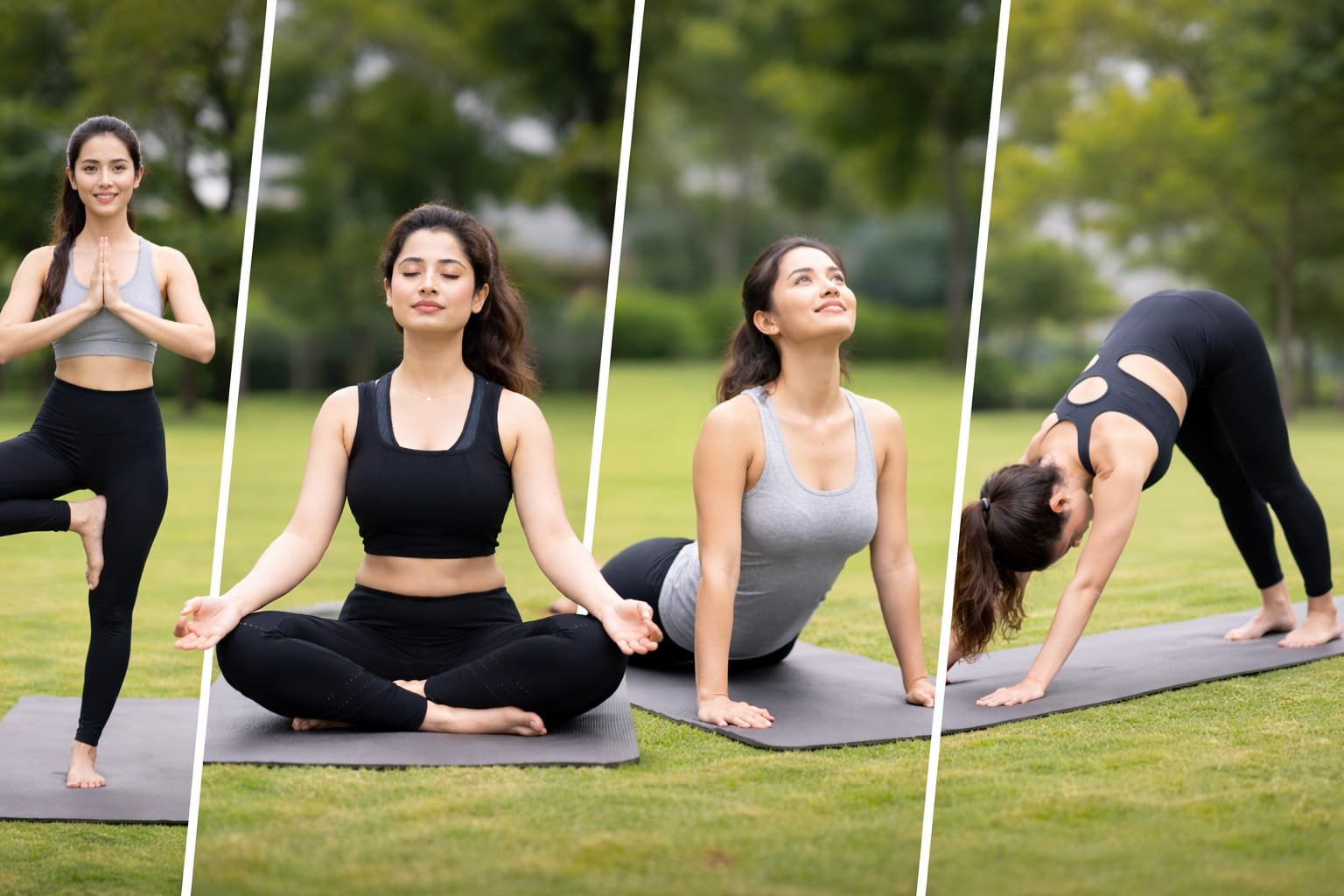
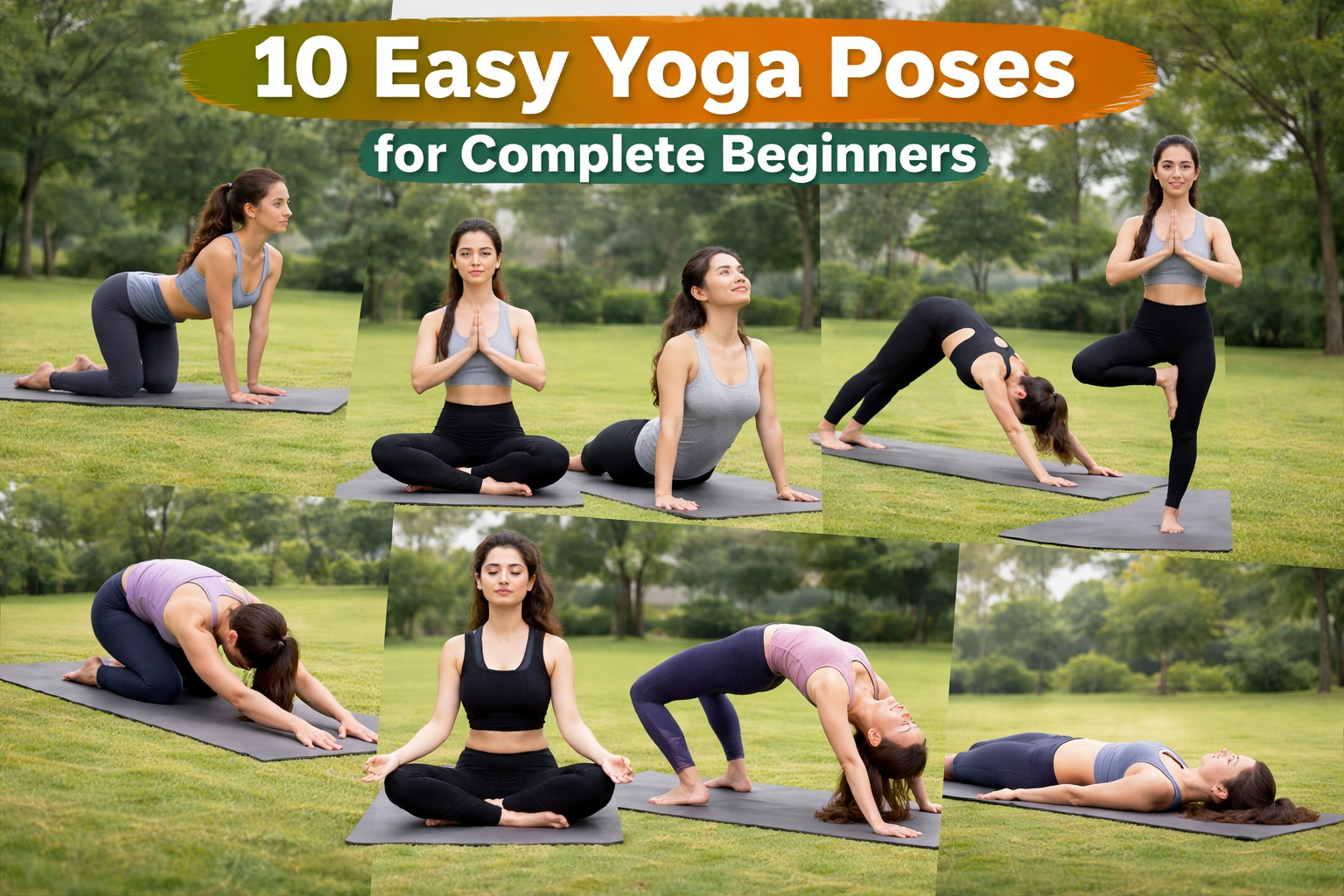
Introduction to Yoga: Meaning, Benefits & Types
Yoga is more than just a fitness routine or a modern wellness trend. It is an ancient practice that connects the body, mind, and inner self in a balanced and meaningful way. Originating in India thousands of years ago, yoga has become a global lifestyle followed by millions of people seeking physical health, mental peace, and emotional stability.
In today’s fast-paced world, people often experience stress, anxiety, poor posture, and mental fatigue due to busy schedules and digital overload. Yoga offers a natural and holistic solution. It teaches individuals how to slow down, breathe consciously, and reconnect with themselves. Whether practiced for fitness, relaxation, or self-growth, yoga provides long-lasting benefits that improve overall quality of life.
What is Yoga?
The word “Yoga” comes from the Sanskrit word Yuj, meaning “to unite” or “to join.” This union represents the harmony between the body, mind, and spirit. Unlike traditional workouts that mainly focus on physical strength, yoga works on multiple dimensions of human well-being — physical, mental, emotional, and spiritual.
Many beginners believe yoga is only about stretching or performing difficult poses. However, yoga is much deeper than physical movement. It is a way of living that encourages awareness, discipline, balance, and mindfulness in everyday life. Through consistent practice, individuals develop a stronger connection with themselves and their surroundings.
History and Origin of Yoga
Yoga has a rich history dating back more than 5,000 years in ancient India. Early yogis and sages practiced meditation and disciplined living to understand human consciousness and the purpose of life. Initially, yoga teachings were passed orally from teacher to student before being documented in sacred texts.
One of the most influential texts is the Yoga Sutras, which organized yoga philosophy into structured principles. These teachings explained how individuals could achieve mental clarity, emotional balance, and spiritual awareness through practice and self-discipline.
Over centuries, yoga evolved and adapted to changing societies. During the 20th century, yoga spread across Europe and America, eventually becoming a worldwide wellness movement. Today, yoga is practiced for fitness, therapy, stress relief, and personal development.
Main Components of Yoga
Yoga is a complete system made up of several essential components. Each element contributes to overall well-being and works together to create balance in life.
1. Physical Postures (Asanas)
Asanas are the physical poses practiced in yoga. These movements improve flexibility, strength, posture, and coordination. Unlike high-intensity workouts, yoga movements are slow and controlled, allowing safe and mindful body engagement.
Regular practice reduces stiffness, enhances circulation, and strengthens muscles without excessive strain. Beginners usually start with simple stretches and gradually move toward more advanced poses as flexibility improves.
2. Breathing Techniques (Pranayama)
Pranayama refers to conscious breathing control. Breathing directly affects mental and emotional states. Slow and deep breathing calms the nervous system and reduces stress.
Techniques such as deep breathing and alternate nostril breathing improve oxygen supply, increase focus, and boost energy levels. Practicing pranayama regularly helps maintain emotional balance and mental clarity.
3. Meditation and Mindfulness
Meditation is an essential aspect of yoga that trains the mind to remain focused and calm. Daily life often fills the mind with distractions and worries. Meditation allows individuals to observe thoughts without reacting to them.
Mindfulness, closely related to meditation, means being fully present in the moment. Yoga teaches awareness of breathing, movement, and sensations, which can also be applied to everyday activities like eating, walking, and working.
Benefits of Yoga
Yoga offers a wide range of benefits that influence both physical and mental health. Consistent practice leads to noticeable improvements in overall lifestyle and well-being.
Physical Benefits
- Improves flexibility and muscle strength
- Enhances posture and body balance
- Supports digestion and blood circulation
- Reduces back pain and joint stiffness
- Boosts immunity and energy levels
Because yoga movements are adaptable, people of all ages and fitness levels can practice safely.
Mental and Emotional Benefits
- Reduces stress and anxiety
- Improves concentration and mental clarity
- Promotes emotional stability
- Encourages positive thinking
- Improves sleep quality
Many practitioners experience improved confidence and a calmer mindset after making yoga a regular habit.
Types of Yoga
There are many styles of yoga, each designed to meet different needs and preferences. Choosing the right type helps beginners stay consistent and motivated.
Hatha Yoga
Hatha yoga is one of the most beginner-friendly forms. It focuses on basic poses, breathing exercises, and slow movements, making it ideal for those new to yoga.
Vinyasa Yoga
Vinyasa yoga connects movement with breath in a continuous flow. It feels dynamic and energetic, helping improve endurance, flexibility, and coordination.
Ashtanga Yoga
Ashtanga yoga follows a fixed sequence of poses performed in a specific order. It requires discipline and consistency and is physically more challenging.
Power Yoga
Power yoga is a modern variation focused on strength and fitness. It combines traditional yoga principles with athletic intensity.
Restorative Yoga
Restorative yoga emphasizes relaxation and healing. Supported poses are held for longer durations, allowing deep rest for both body and mind.
Yoga as a Lifestyle
Yoga is not limited to practice sessions on a mat. It promotes a balanced lifestyle that includes healthy eating habits, proper sleep, emotional awareness, and mindful thinking.
Regular yoga practice increases self-awareness. Individuals begin to understand their reactions, thoughts, and emotions more clearly. This awareness helps them make healthier decisions and develop a positive outlook on life.
Yoga also encourages qualities such as patience, compassion, and gratitude, which strengthen relationships and improve overall happiness.
Tips for Beginners
Start Simple
Begin with basic poses and short sessions. Progress gradually without rushing into advanced movements.
Be Consistent
Practicing regularly is more effective than occasional long sessions. Even 15–20 minutes daily can produce significant benefits.
Listen to Your Body
Yoga is not a competition. Respect your body’s limits and avoid forcing difficult poses.
Create a Comfortable Space
Practice in a quiet and clean environment to improve focus and relaxation.
Focus on Breathing
Breathing awareness is the foundation of yoga. Controlled breathing enhances both physical performance and mental calmness.
Why Yoga Matters in Modern Life
Modern lifestyles often involve long sitting hours, screen exposure, and constant pressure. These habits negatively affect physical and mental health. Yoga restores balance by encouraging mindful movement and relaxation.
It helps individuals disconnect from daily stress and reconnect with inner peace. Over time, yoga builds emotional resilience, improves focus, and enhances overall productivity.
External Resources for Learning Yoga
To explore authentic yoga education and global standards, visit
Yoga Alliance,
an internationally recognized organization promoting safe yoga practices.
You can also learn about yoga’s historical and philosophical background through
Wikipedia – Yoga,
which provides detailed educational information.
For beginner-friendly guided practices and wellness resources, visit
Art of Living Foundation,
a global organization focused on meditation and breathing techniques.
Conclusion
Yoga is a timeless practice that continues to remain relevant in modern society. It is not simply exercise but a holistic approach to living well. By combining physical postures, breathing techniques, and meditation, yoga supports complete well-being.
Whether someone seeks better health, mental clarity, or emotional balance, yoga offers a path accessible to everyone. The journey of yoga is not about perfection but about progress, awareness, and patience.
With regular practice, yoga can transform daily life by bringing calmness to the mind, strength to the body, and harmony to the inner self. In the end, yoga reminds us that true wellness begins when we learn to connect with ourselves and live consciously every day.