
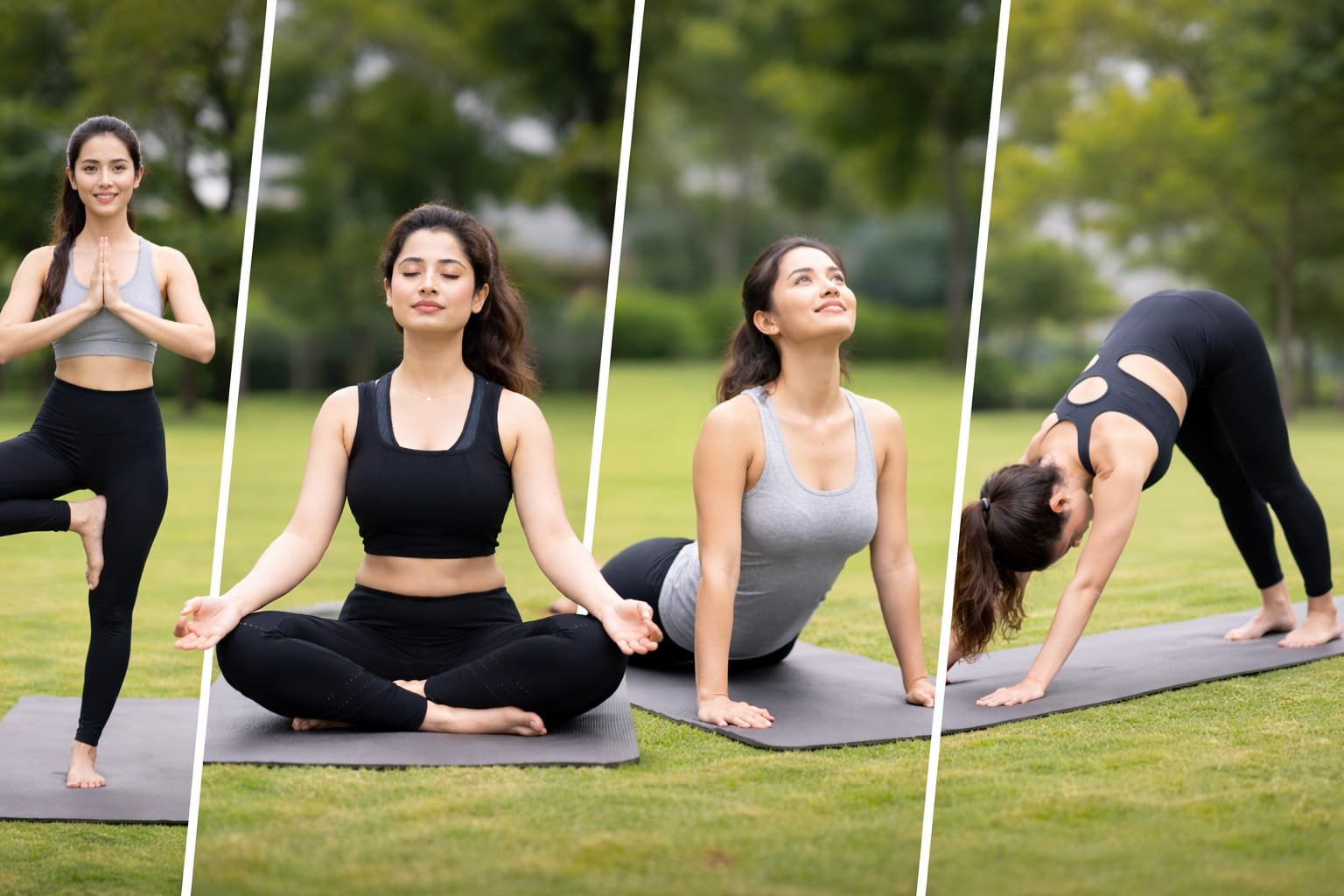
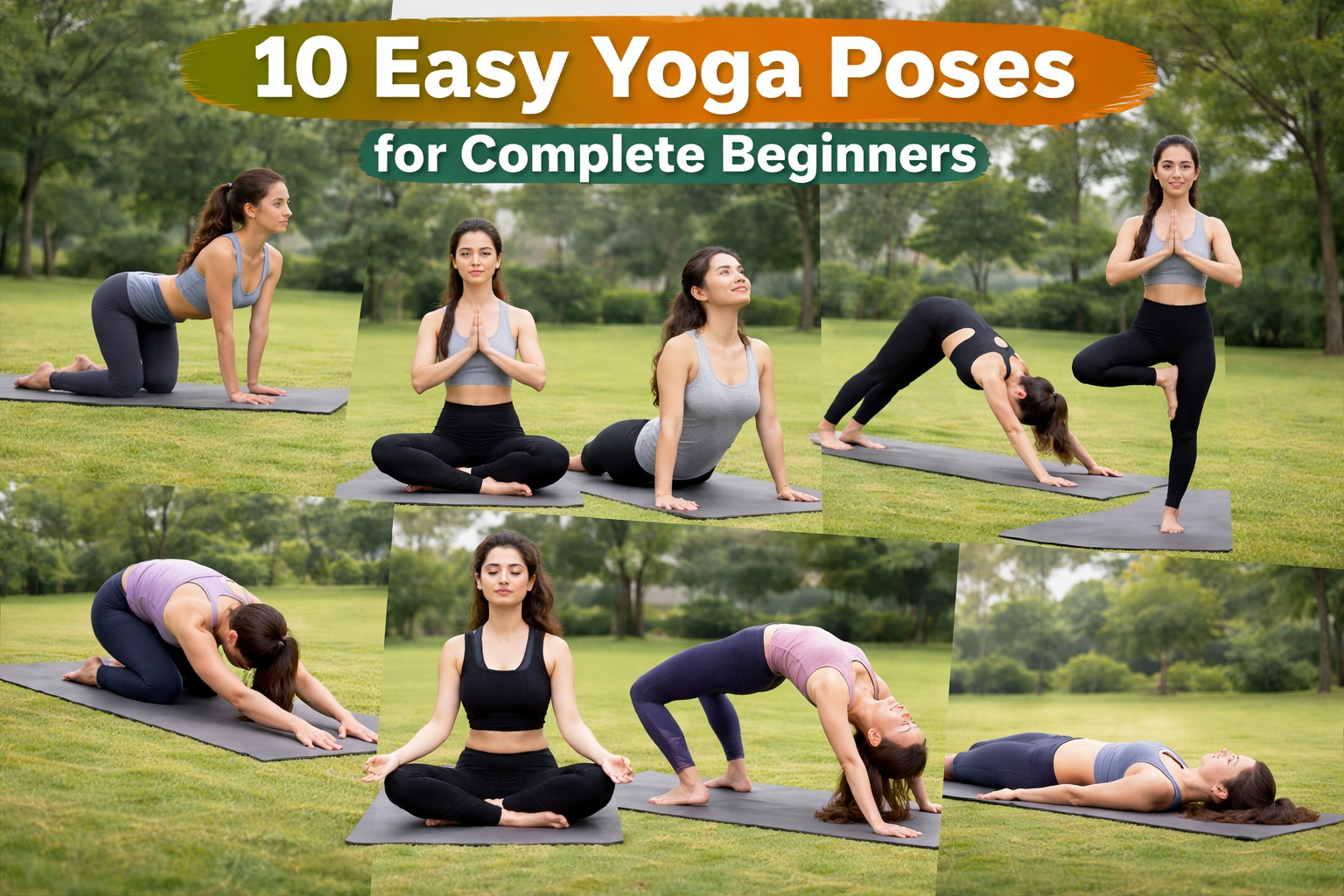
Introduction
Let’s be honest — how many nights have you spent staring at the ceiling, tossing and turning, while your mind refuses to shut down? You’re not alone. Millions of people around the world struggle with sleep issues. Some can’t fall asleep. Others wake up in the middle of the night and can’t go back to sleep. And many wake up feeling tired, as if they never rested at all. The good news? You don’t always need sleeping pills or expensive treatments. Sometimes, the answer lies in something ancient, simple, and completely natural — Yoga.
In this detailed guide, we’ll explore:
- Why sleep is so important
- How yoga helps improve sleep
- The best yoga poses for better sleep
- A simple 20-minute bedtime yoga routine
- Breathing techniques and meditation for deep rest
- Tips to create a sleep-friendly environment
So grab your mat (or just a soft carpet), put on comfortable clothes, and let’s begin this journey toward peaceful, restorative sleep.
Why Sleep Matters More Than You Think

Before we dive into yoga, let’s first understand why sleep is non-negotiable for your health.
Sleep is not a luxury — it’s a biological necessity. When you sleep, your body doesn’t just “rest” — it repairs.
Your brain processes emotions, stores memories, removes toxins, and recharges your immune system.
Chronic poor sleep can lead to:
- Increased stress and anxiety
- Weakened immunity
- Weight gain
- Poor concentration and memory
- Higher risk of heart disease and diabetes
- Mood swings and irritability
In short, if you want to feel energetic, happy, and healthy, good sleep is essential.
But here’s the problem — modern life often works against your natural sleep cycle. Blue light from phones, work stress,
irregular schedules, caffeine, and constant mental chatter can all make it harder to fall asleep and stay asleep.
How Yoga Improves Sleep
Struggling with poor sleep or restless nights? Yoga offers a simple and natural way to improve your sleep quality.
By calming both the body and the mind, it prepares you for deeper and more restorative rest.
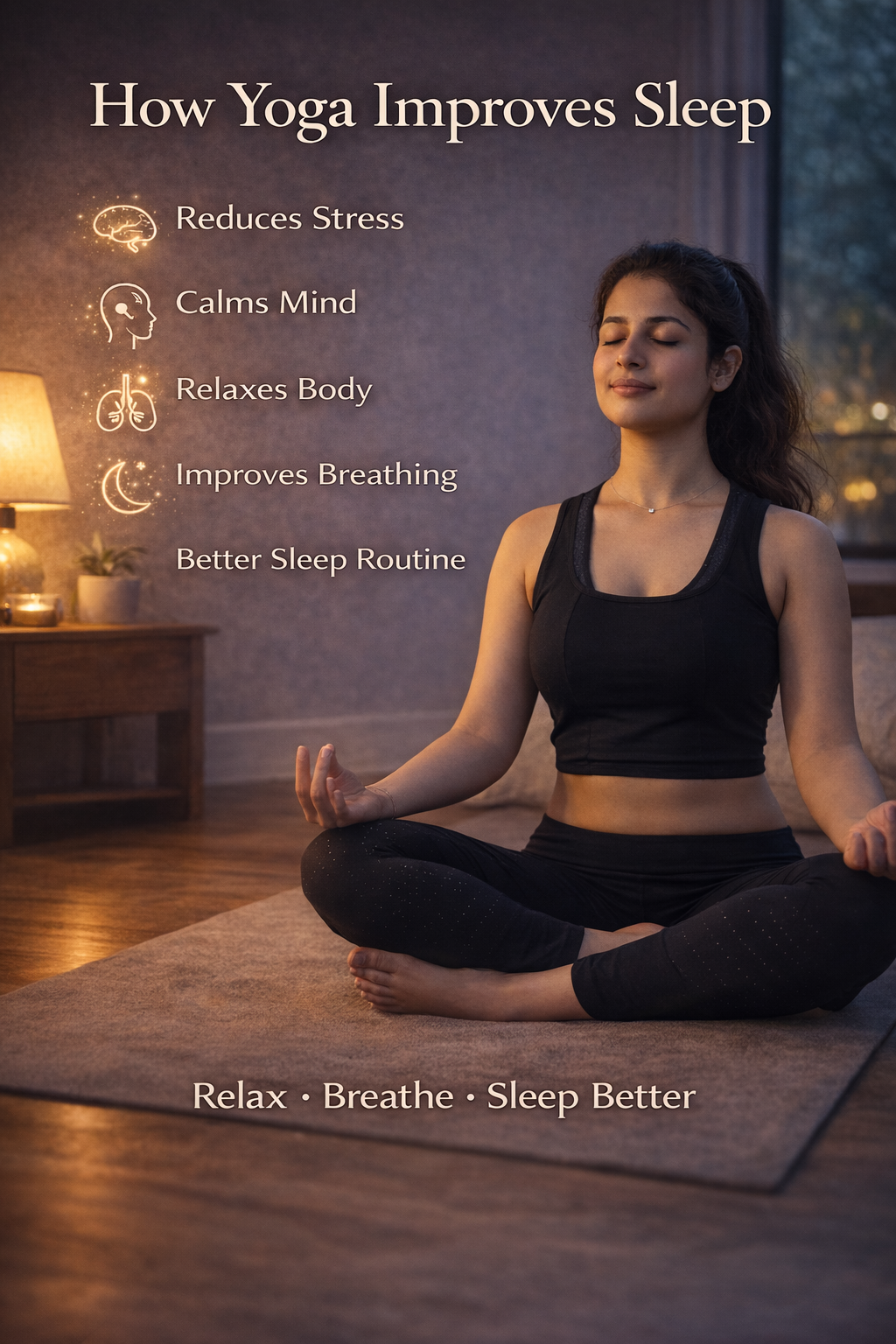
Here’s how yoga helps:
1. Reduces Stress
Yoga helps lower cortisol, the body’s primary stress hormone. When cortisol levels remain high,
your body stays in a constant “fight or flight” mode, making it difficult to relax.
Regular yoga practice shifts your system into a “rest and digest” state, helping you unwind naturally.
2. Calms the Mind
Yoga combines gentle movement with mindful breathing, allowing you to stay present.
This reduces overthinking, anxiety, and mental clutter, helping your mind slow down before bedtime.
3. Relaxes Muscles
Tension in the neck, shoulders, back, and hips can interfere with sleep.
Yoga gently stretches these areas, releasing tightness and promoting full-body relaxation.
4. Regulates Breathing
Deep and slow breathing techniques in yoga activate the parasympathetic nervous system —
the part responsible for relaxation and recovery. This helps your body prepare for sleep more effectively.
5. Builds a Healthy Bedtime Routine
Practicing yoga at the same time every night signals your brain that it’s time to wind down.
This consistency strengthens your circadian rhythm and improves your natural sleep cycle.
👉 Want to understand how sleep works? Read this trusted guide:
How Sleep Works – Sleep Foundation
Yoga Poses for Better Sleep (Step by Step)
These are some of the most effective yoga poses to help you relax, reduce stress, and sleep better.
Practice them slowly, gently, and with awareness of your breath.
1. Balasana (Child’s Pose)
A deeply restful pose that calms the mind and releases tension in the back, shoulders, and chest.
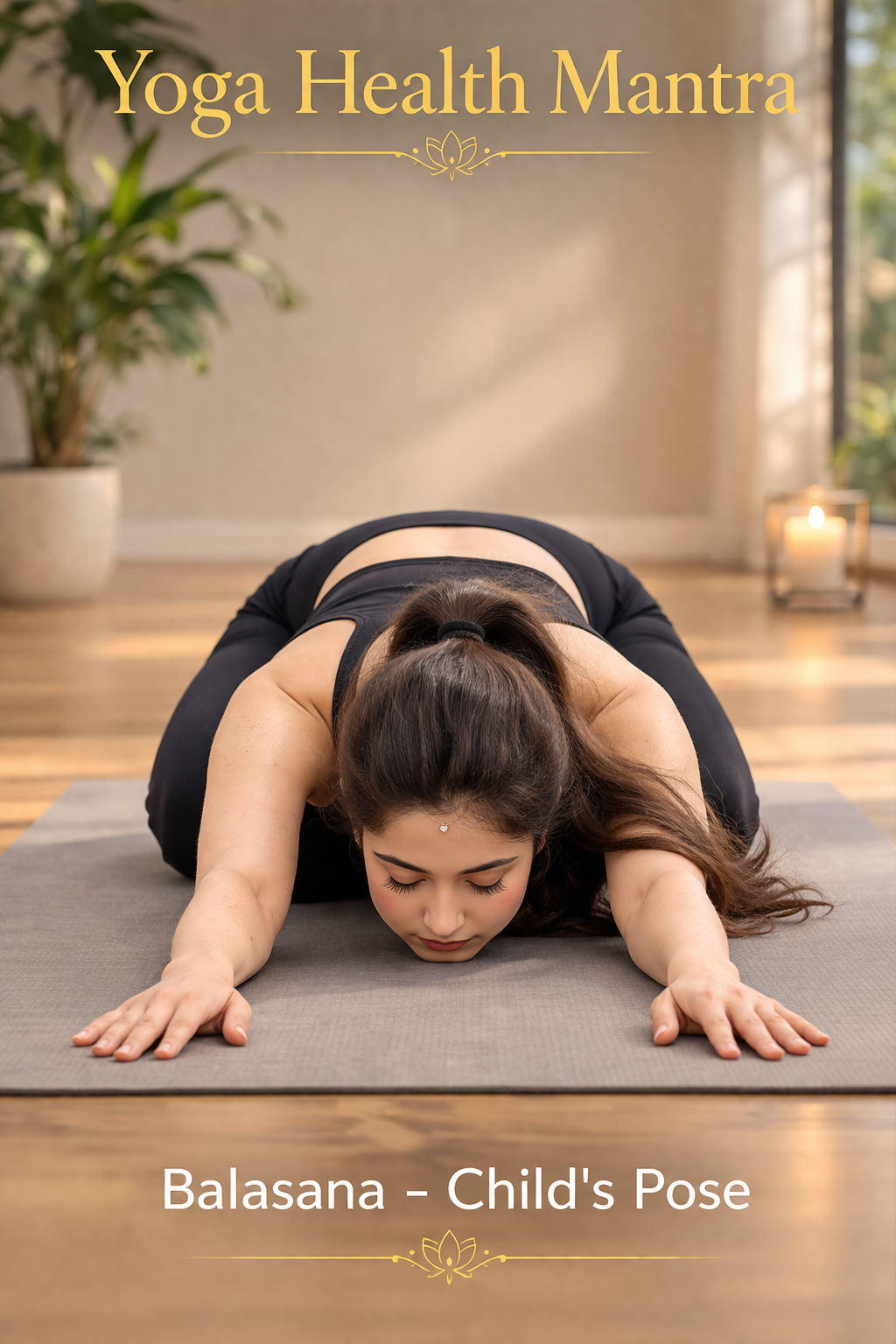
How to do it:
- Kneel on your mat with big toes touching and knees hip-width apart.
- Exhale and lower your torso between your thighs.
- Extend your arms forward with palms on the floor.
- Rest your forehead gently on the mat.
- Breathe deeply for 8–10 breaths.
Why it helps: It is grounding, soothing, and reduces anxiety.
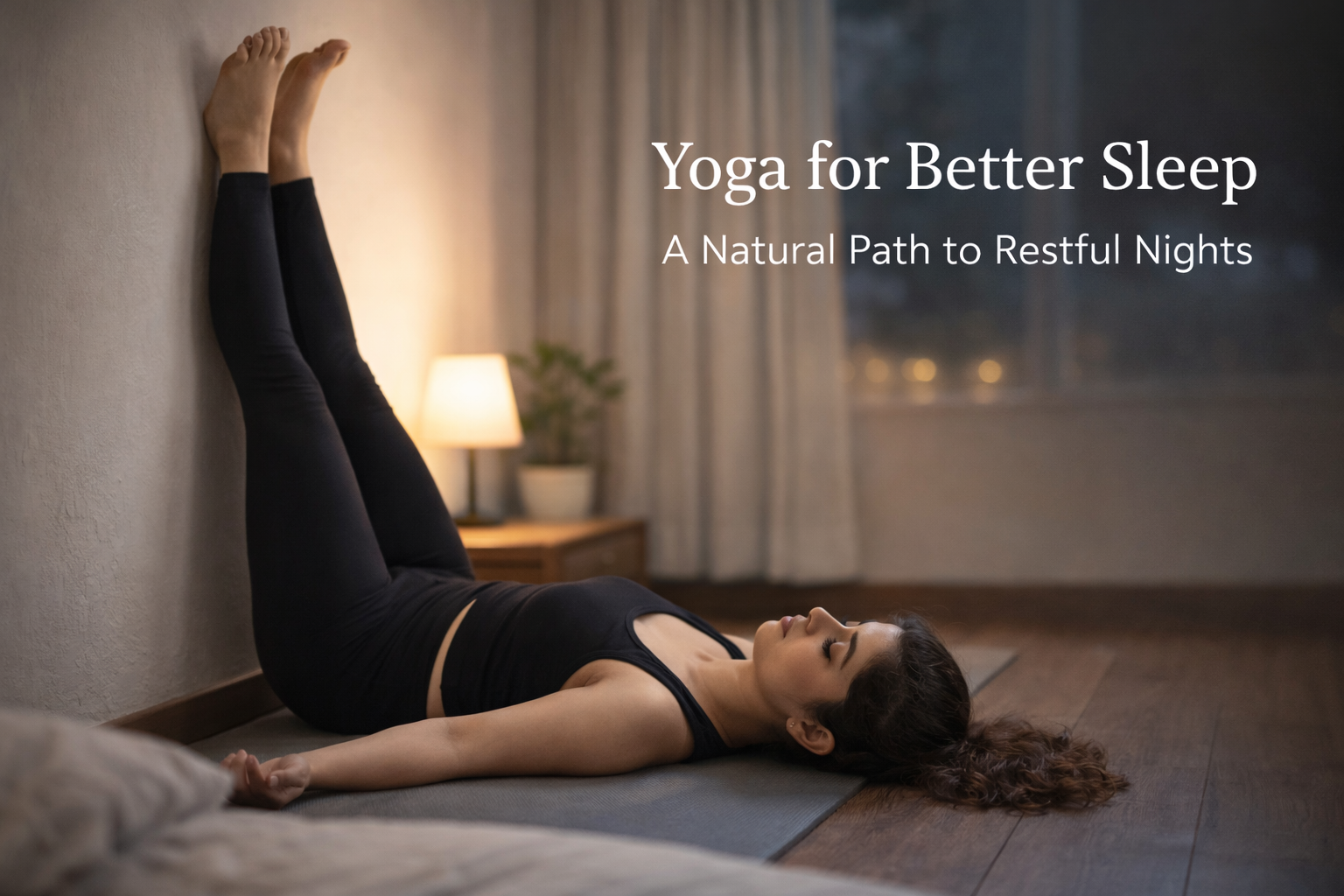
2. Viparita Karani (Legs-Up-The-Wall Pose)
A highly relaxing pose that instantly calms the nervous system.
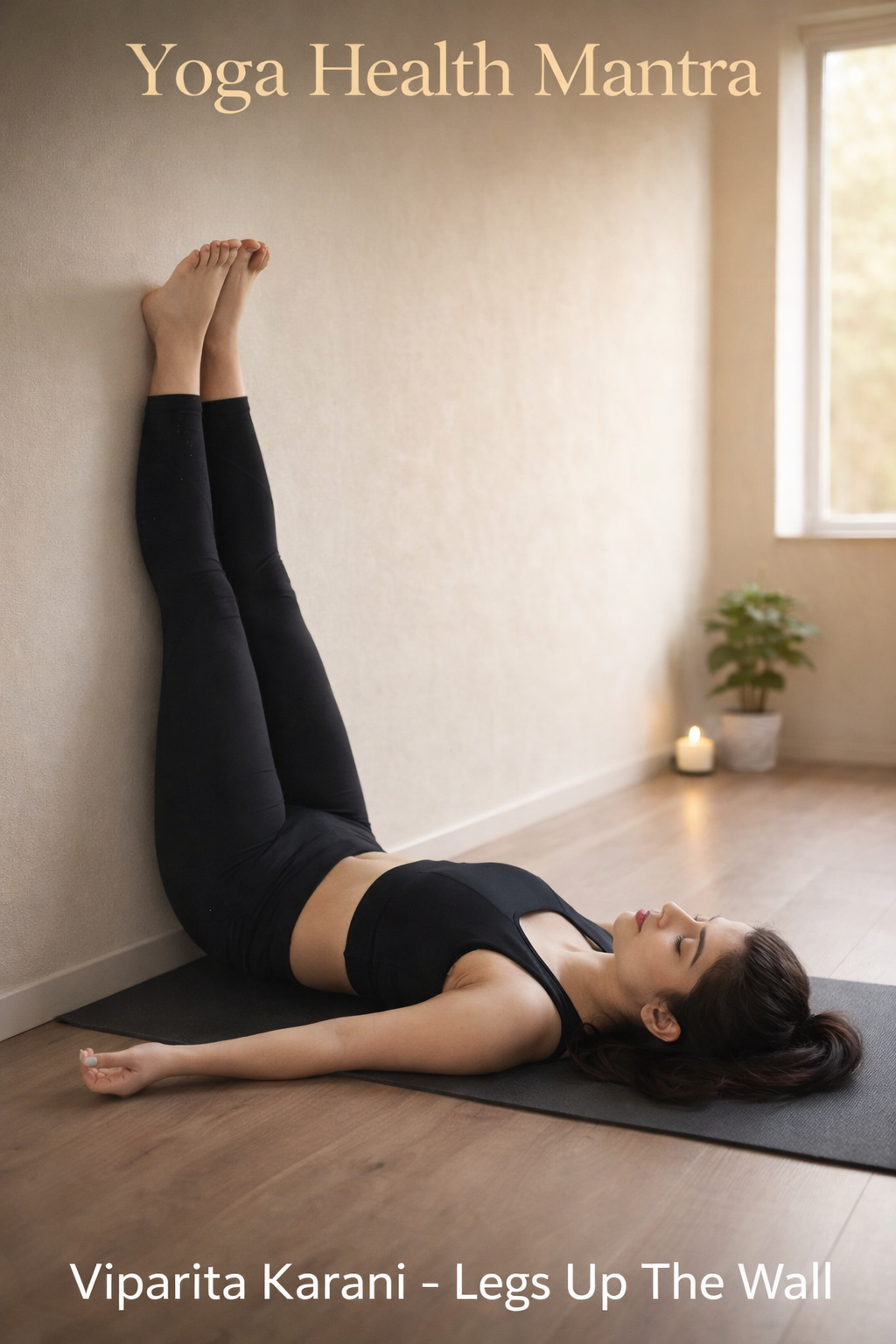
How to do it:
- Sit sideways next to a wall.
- Swing your legs up the wall as you lie back.
- Keep your hips close to the wall.
- Rest your arms by your sides, palms up.
- Breathe for 2–5 minutes.
Why it helps: Improves blood flow and relaxes the mind.
3. Supta Baddha Konasana (Reclining Bound Angle Pose)
A gentle pose that opens the hips and releases emotional tension.
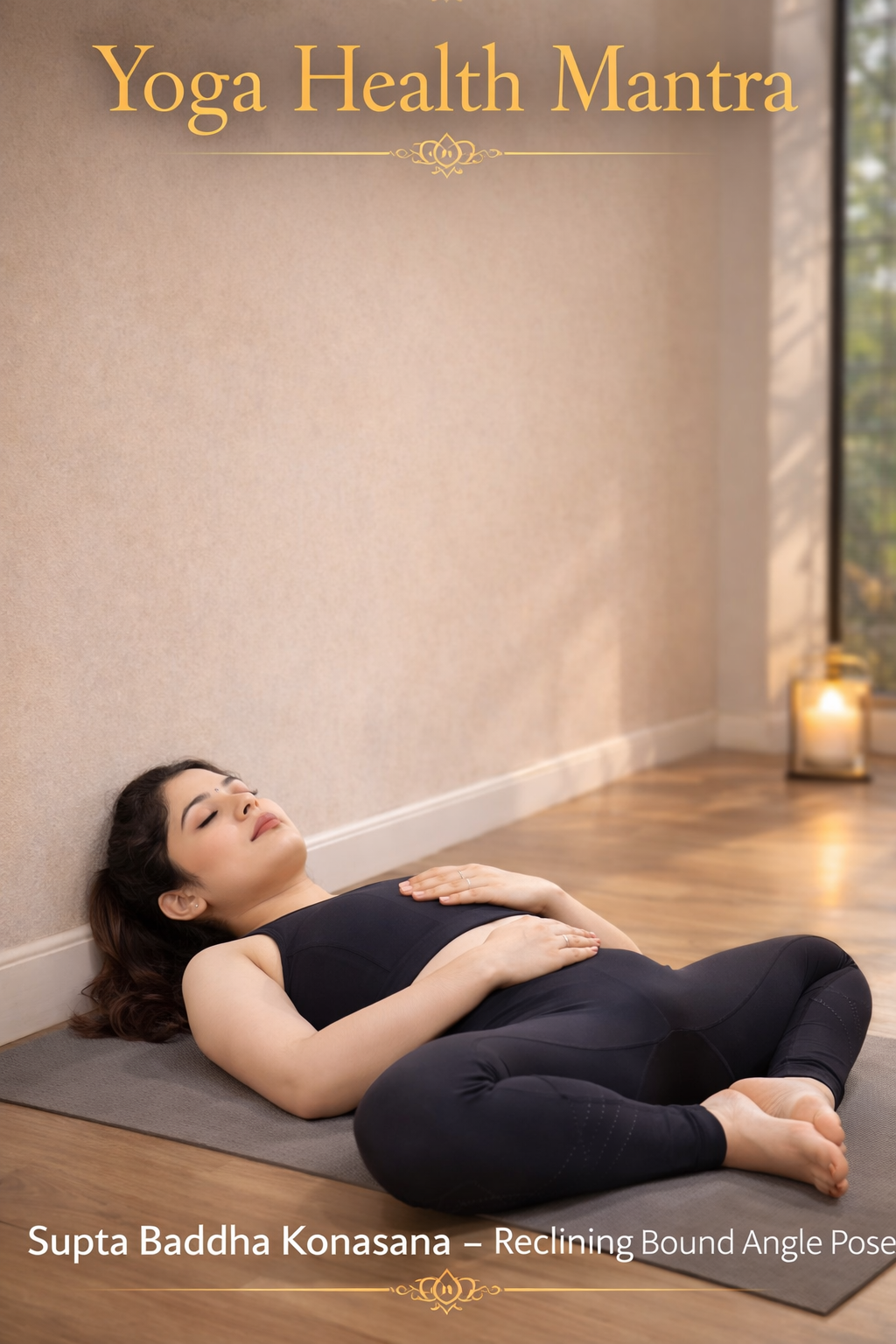
How to do it:
- Lie on your back with knees bent.
- Bring soles of your feet together.
- Let your knees fall open.
- Place one hand on belly, one on chest.
- Stay for 10–15 breaths.
Why it helps: Encourages deep breathing and relaxation.
4. Janu Sirsasana (Head-to-Knee Forward Bend)
A calming forward bend that stretches the spine and relaxes the mind.
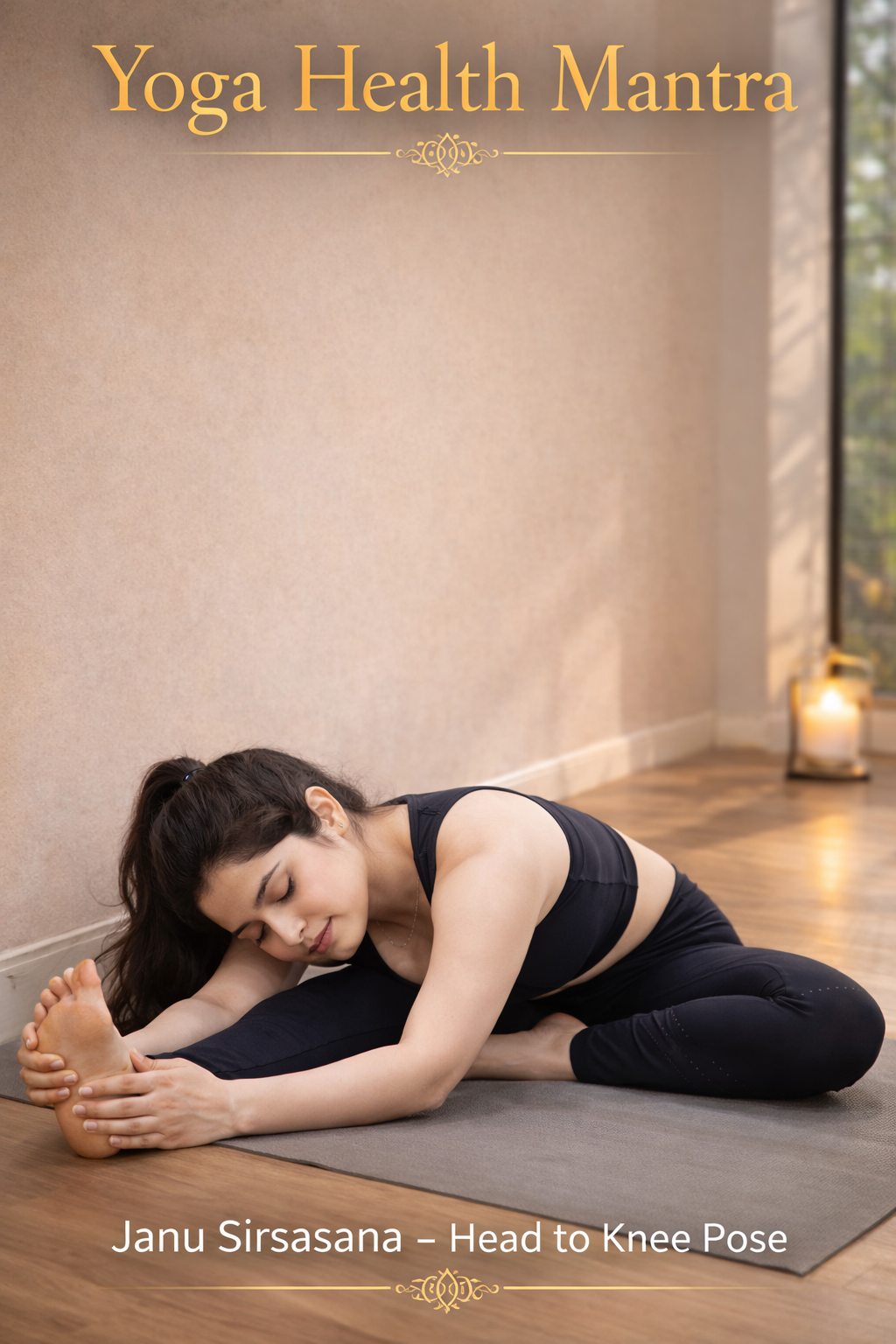
How to do it:
- Sit with legs straight.
- Bend one knee and place foot on thigh.
- Inhale and lengthen spine.
- Exhale and fold forward.
- Switch sides.
Why it helps: Reduces anxiety and fatigue.
5. Setu Bandhasana (Bridge Pose)
A gentle backbend that relaxes the body and prepares it for sleep.
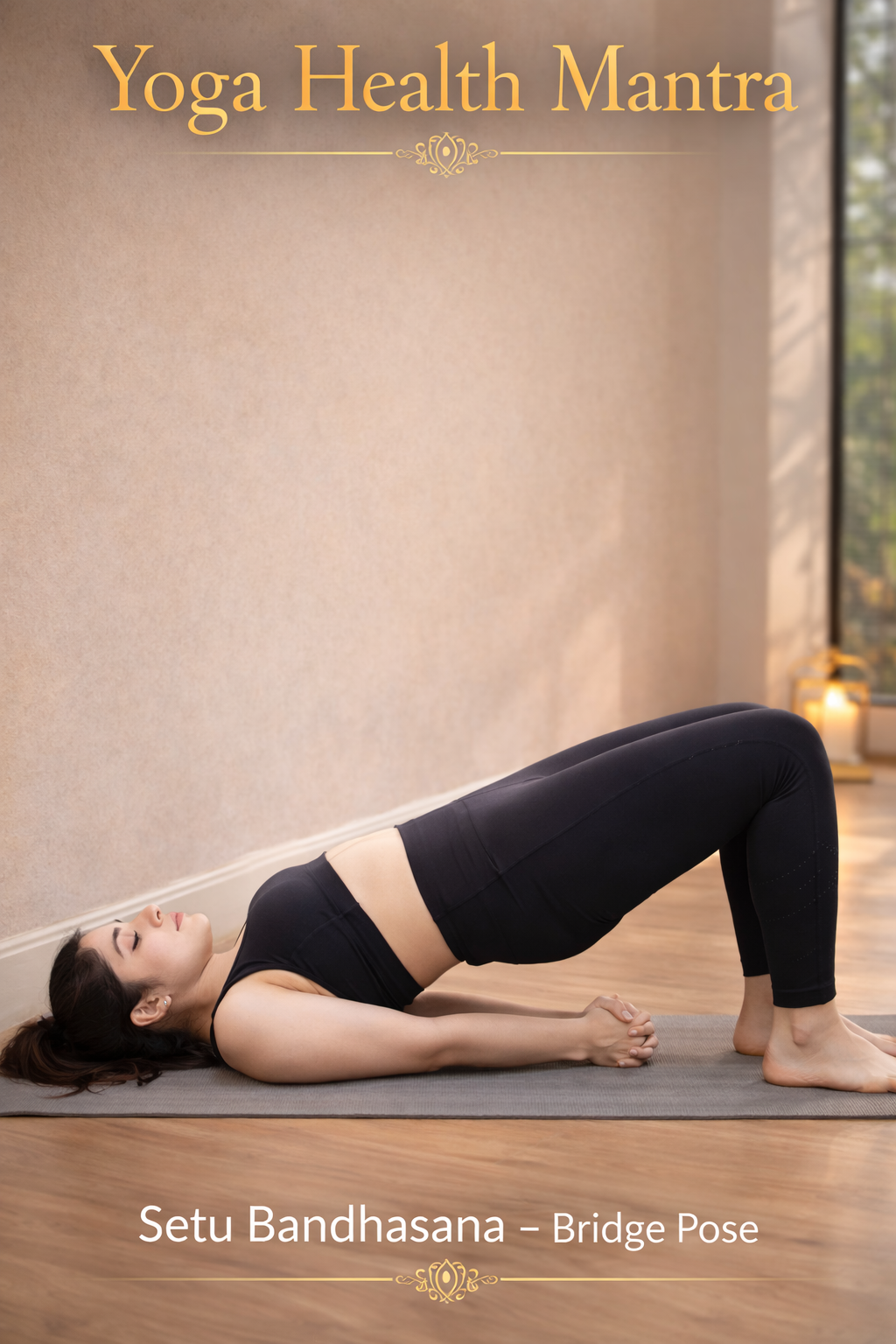
How to do it:
- Lie on your back, knees bent.
- Lift hips upward.
- Clasp hands under back.
- Hold for 5–8 breaths.
Why it helps: Stretches chest and calms the nervous system.
“You can either clasp your hands under your back or keep them relaxed by your sides.”
6. Savasana (Corpse Pose)
The most important relaxation pose for deep rest.
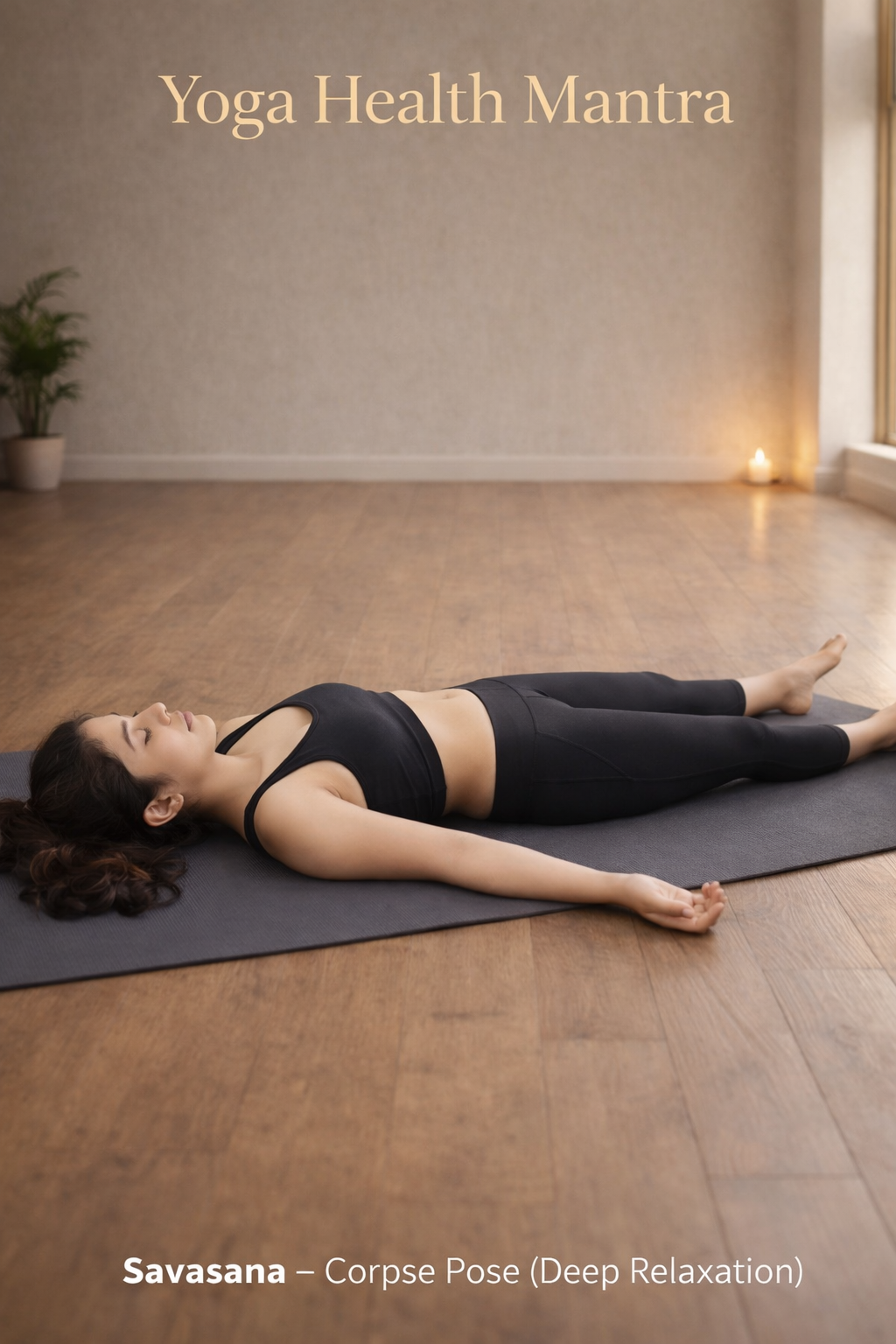
How to do it:
- Lie flat on your back.
- Arms relaxed, palms up.
- Eyes closed.
- Relax your whole body slowly.
- Stay for 5–10 minutes.
Why it helps: Deep relaxation and sleep preparation.
If you are just starting out, check out our easy yoga poses for beginners and follow a simple daily yoga routine.
A Simple 20-Minute Bedtime Yoga Routine
Looking for an easy way to relax before bed? Try this simple 20-minute yoga routine. You do not need any fancy equipment — just a quiet room, a yoga mat, and a few minutes for yourself.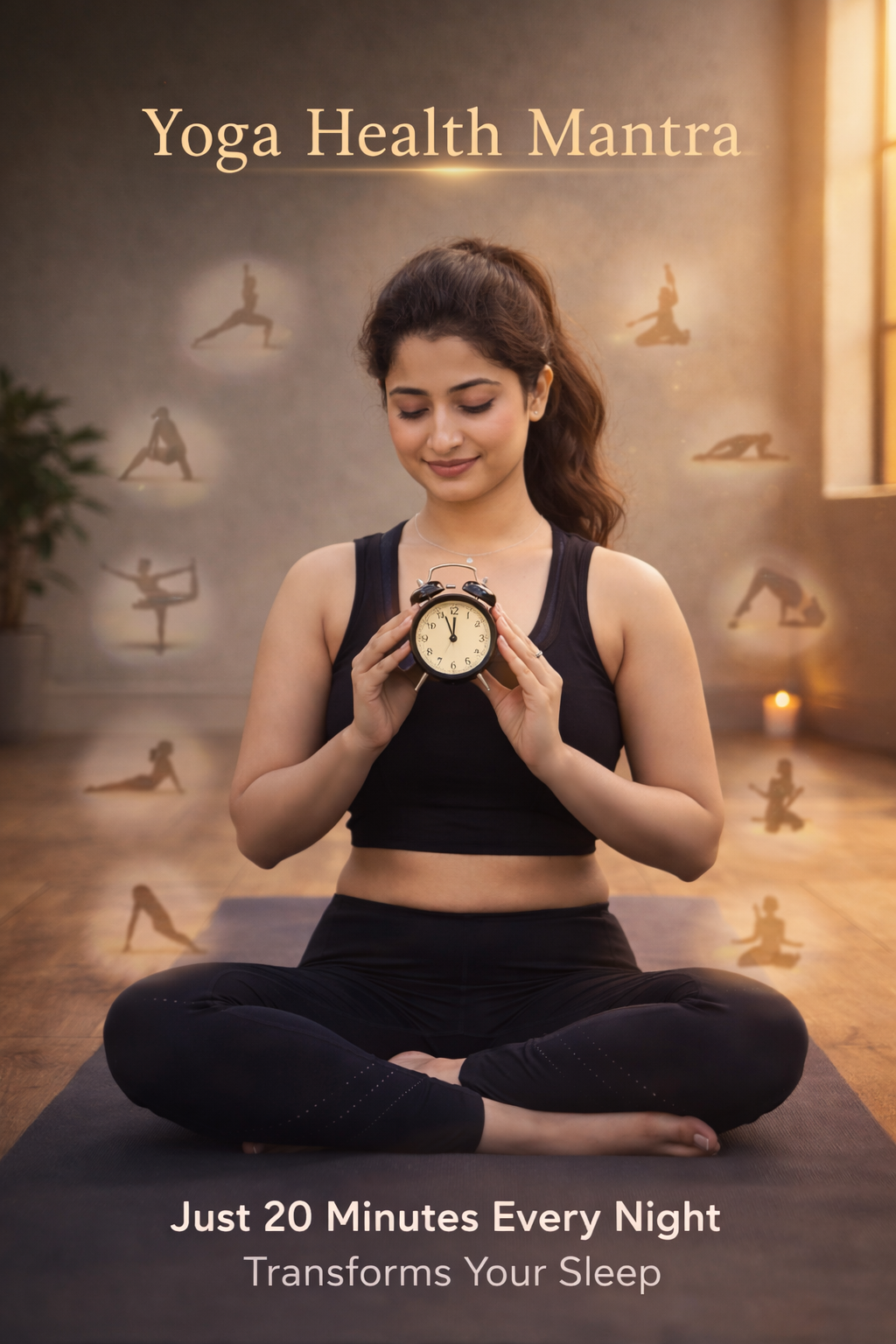
| Pose | Duration |
|---|---|
| Child’s Pose (Balasana) | 2 minutes |
| Legs-Up-The-Wall (Viparita Karani) | 3 minutes |
| Reclining Bound Angle (Supta Baddha Konasana) | 3 minutes |
| Head-to-Knee Forward Bend (Janu Sirsasana) | 2 minutes each side |
| Bridge Pose (Setu Bandhasana) | 2 minutes |
| Corpse Pose (Savasana) | 5–7 minutes |
Move through this routine slowly and gently. Focus on your breathing, relax your body,
and avoid rushing from one pose to the next.
If any pose feels uncomfortable, you can skip it or modify it in a way that feels better for your body.
The goal is not perfect posture — the goal is deep relaxation and better sleep.
You can also follow our dedicated evening yoga routine for better sleep for even better results.
Breathing Techniques (Pranayama) for Deep Sleep
Yoga poses become even more powerful when combined with simple breathing techniques.
These pranayama practices help calm your mind, slow your heart rate, and prepare your body for deep, restful sleep.
You can easily do them while sitting or even lying in bed.
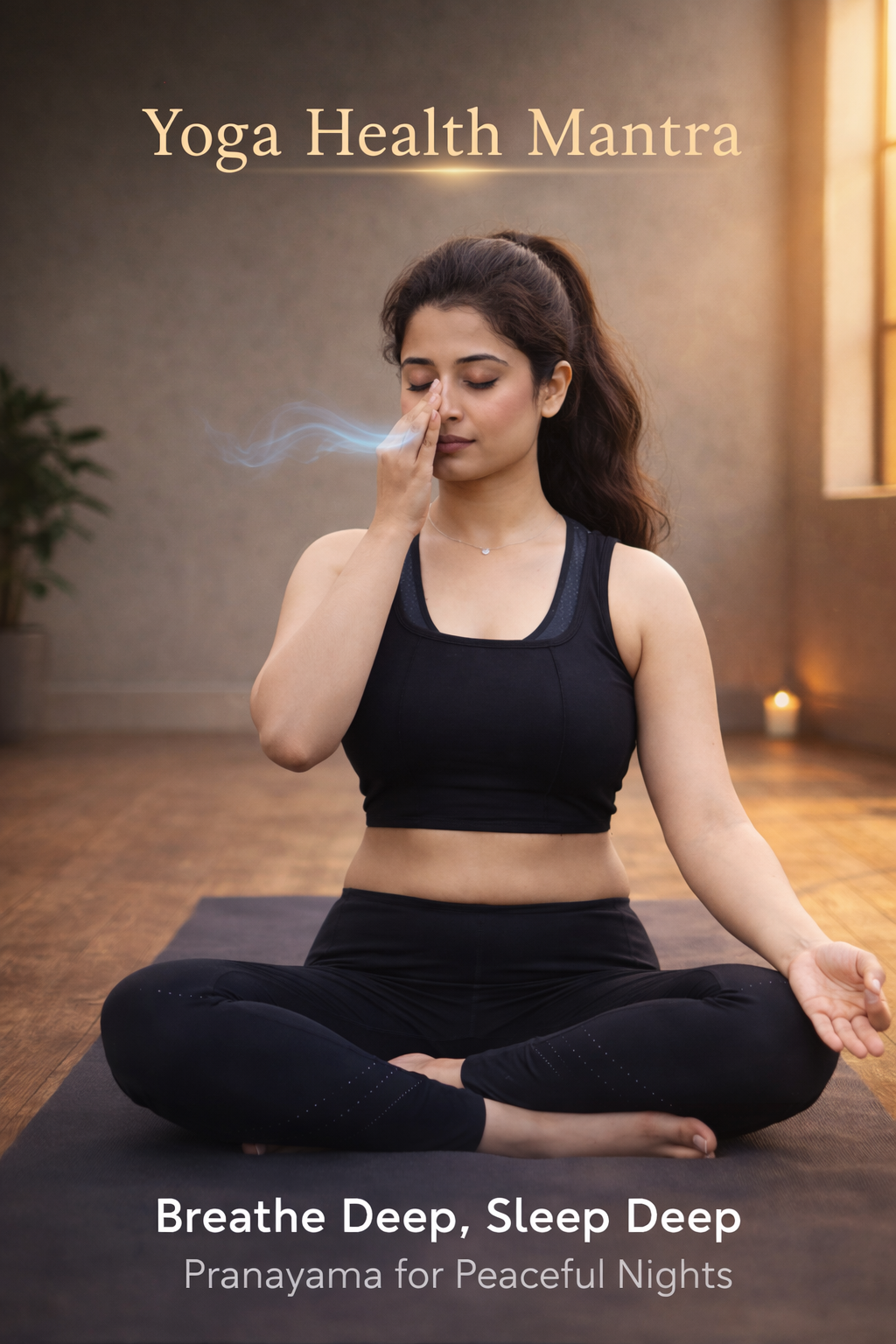
1. 4-7-8 Breathing
This technique works like a natural sleep aid, helping your body relax within minutes.
How to do it:
- Inhale quietly through your nose for 4 seconds.
- Hold your breath for 7 seconds.
- Exhale slowly through your mouth for 8 seconds.
- Repeat this cycle 4–8 times.
Why it works: It slows your heart rate, reduces stress, and activates your body’s relaxation response.
2. Nadi Shodhana (Alternate Nostril Breathing)
A powerful technique that balances your mind and improves mental clarity.
How to do it:
- Sit comfortably with your spine straight.
- Use your right thumb to gently close your right nostril.
- Inhale slowly through your left nostril.
- Close the left nostril with your ring finger.
- Release the right nostril and exhale through it.
- Inhale through the right nostril, then switch and exhale through the left.
- Continue for 5–10 rounds.
Why it works: It reduces anxiety, quiets racing thoughts, and brings mental balance.
3. Bhramari (Humming Bee Breath)
A deeply calming practice that creates soothing vibrations throughout your body.
How to do it:
- Close your eyes and gently block your ears using your thumbs or fingers.
- Take a slow, deep breath in.
- Exhale slowly while making a soft humming sound like a bee.
- Focus on the vibration in your head, throat, and chest.
- Repeat 5–7 times.
Why it works: It instantly calms the mind, reduces stress, and helps lower blood pressure.
Tip: Practice these breathing techniques slowly and without forcing your breath.
The goal is to relax, not to control your breathing perfectly.
For deeper relaxation, you can also explore our yoga for stress relief guide.
👉 You can also explore more relaxation techniques here: Sleep Hygiene Tips – Harvard Health
Yoga Nidra: The Sleep of the Yogis
If you have time for just one practice before bed, make it Yoga Nidra.
Often called yogic sleep, Yoga Nidra is a guided relaxation practice that helps your body rest deeply while your mind slowly settles down.
In this practice, you simply lie down comfortably and listen to gentle instructions that guide you into a state between wakefulness and sleep.
It feels deeply calming, especially on nights when your mind is busy and your body feels tired but restless.
Many people say that Yoga Nidra leaves them feeling refreshed, restored, and mentally lighter.
It can be a wonderful bedtime ritual when you want something easy, soothing, and effective.
The best part is that you do not need any special equipment or experience.
You can find free Yoga Nidra sessions on YouTube or relaxation apps like Insight Timer.
All you need to do is lie down, press play, and follow along.
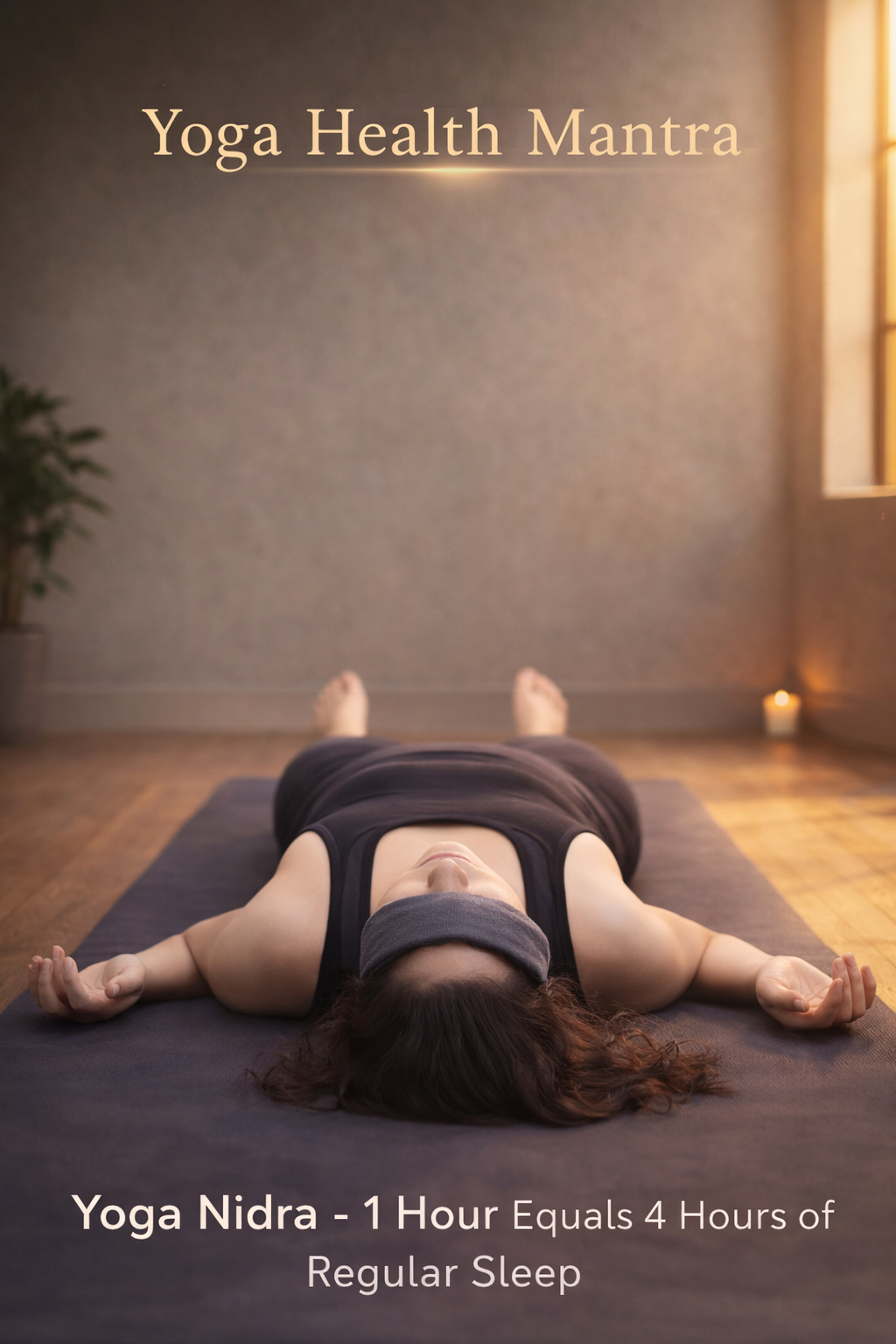
How to Practice Yoga Nidra Before Sleep
Getting started with Yoga Nidra is very simple. You don’t need flexibility, experience, or any special setup —
just a quiet space and a few minutes for yourself.
- Lie down comfortably on your back (Savasana position).
- Keep your legs slightly apart and arms relaxed by your sides.
- Close your eyes and take a few slow, deep breaths.
- Play a guided Yoga Nidra audio (YouTube or app).
- Follow the voice without trying too hard — just relax and listen.
- If you fall asleep, that’s completely okay.
Tip: Use a light blanket and dim the lights to create a calm sleep environment.
Practicing this daily can significantly improve your sleep quality.
Creating a Sleep-Friendly Environment
Yoga can calm your body and mind, but your surroundings play an equally important role.
Even the best bedtime routine may not work if your bedroom feels too bright, noisy, hot, or distracting.
A sleep-friendly environment sends a clear signal to your brain — it’s time to slow down, relax, and rest.
The good news is that you don’t need a perfect setup. A few small changes can make a big difference.
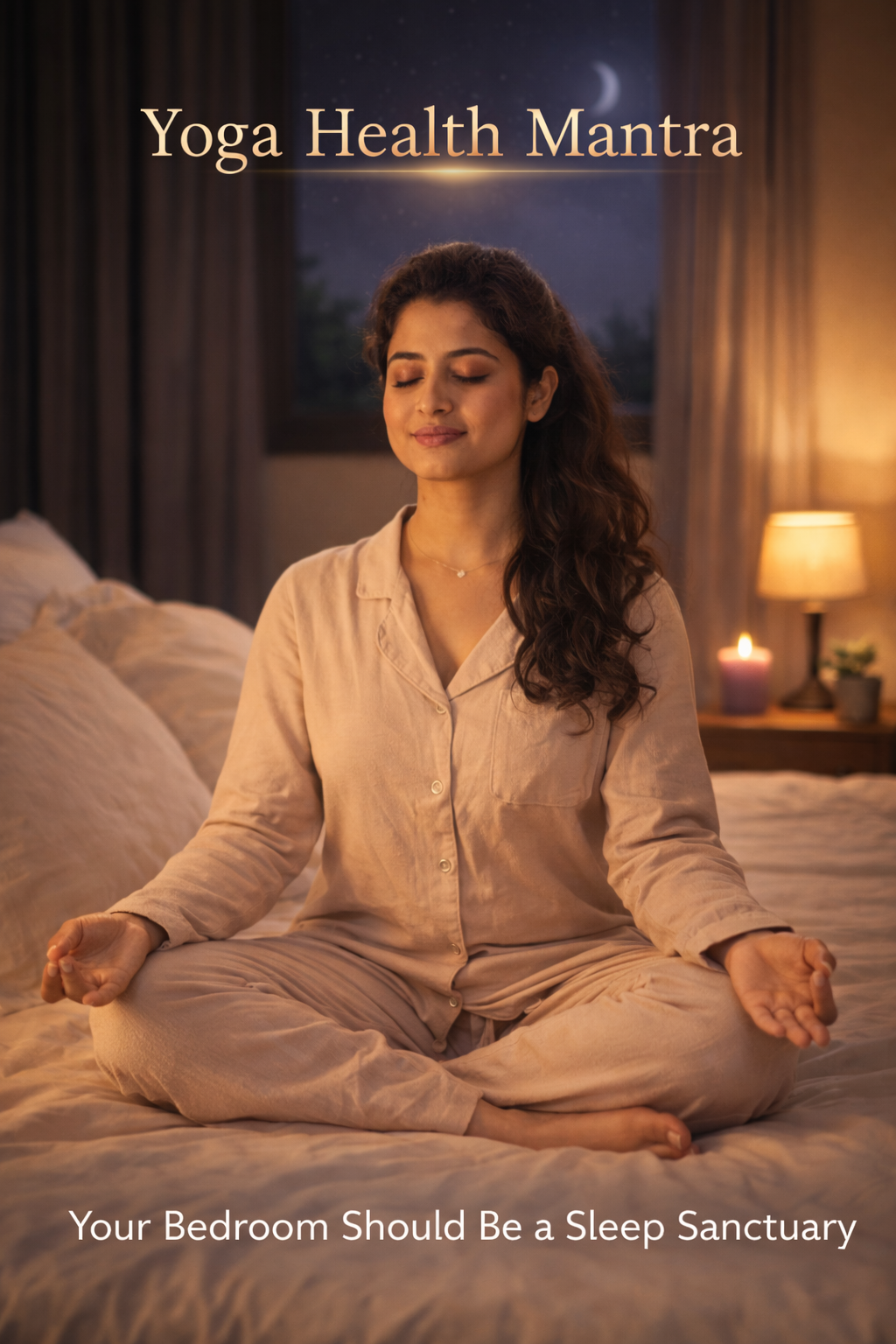
✔ Quick Sleep Environment Checklist
- Dim the lights early: Lower the lights 1–2 hours before bed to help your brain prepare for sleep naturally.
- Avoid screens: Stay away from phones, laptops, and TV for at least 30 minutes before sleeping.
- Keep the room cool: A temperature around 18–22°C (65–72°F) is ideal for better sleep.
- Create complete darkness: Use blackout curtains or an eye mask if light disturbs your sleep.
- Choose your sound: Some people prefer silence, while others relax with soft white noise.
- Make your bed comfortable: A supportive mattress and a good pillow can improve sleep more than most people realize.
- Eat light if needed: If you feel hungry, choose something light like a banana, warm milk, or a few almonds. Avoid heavy or spicy meals late at night.
What to Avoid Before Bed
Even the best yoga routine may not work if certain habits keep your mind and body active at night.
Good sleep is not just about what you do — it’s also about what you avoid before bedtime.
To improve your sleep quality, try to avoid the following habits at least 1–2 hours before going to bed:
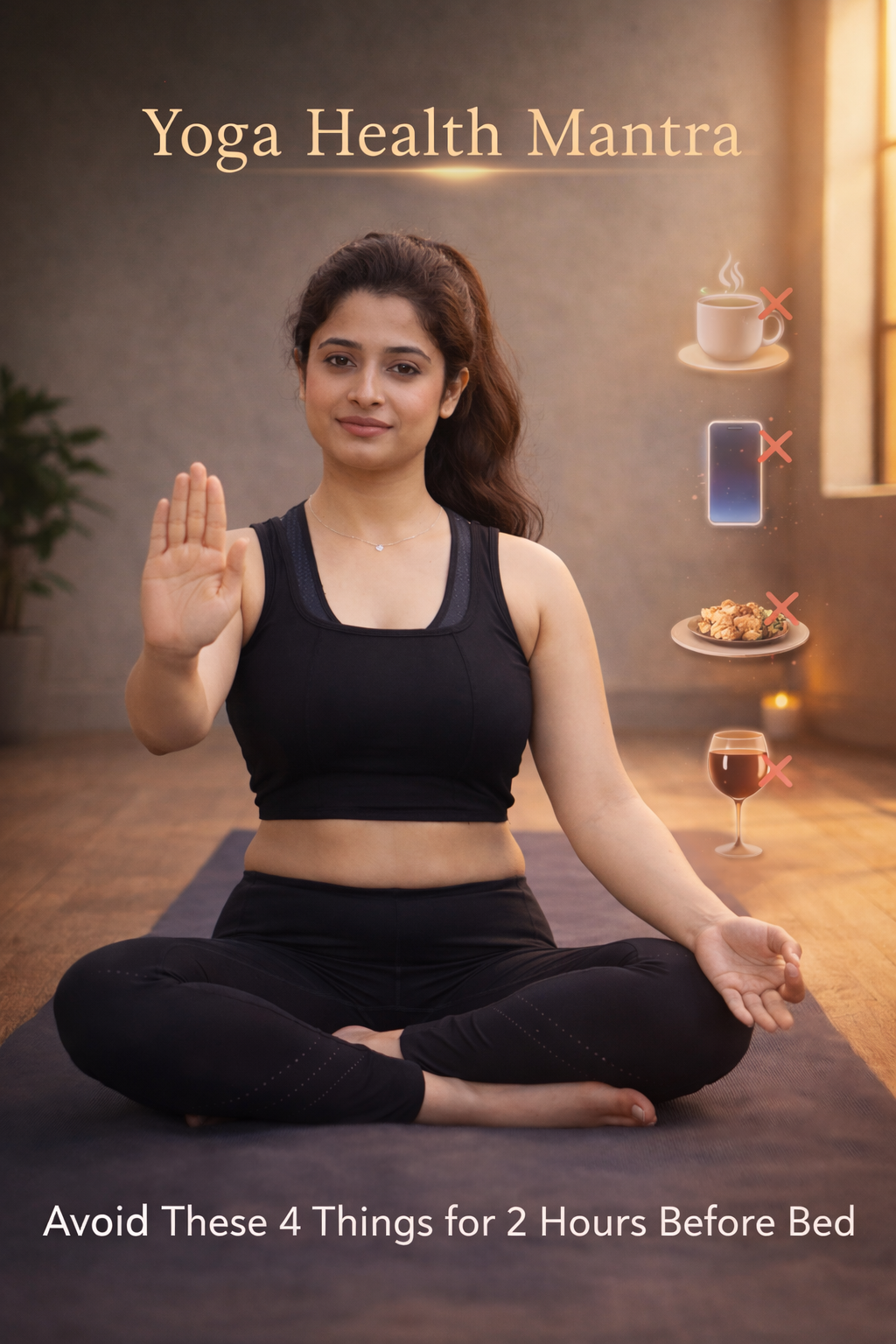
- Caffeine: Coffee, tea, soda, and even chocolate can keep your brain alert for hours and delay sleep.
- Heavy or oily meals: Large or spicy meals force your body to keep working, making it harder to relax.
- Alcohol: It may make you feel sleepy at first, but it disrupts deep sleep and often causes night-time awakenings.
- Intense exercise: High-energy workouts increase your heart rate and make it difficult for your body to calm down. Gentle yoga is fine.
- Blue light from screens: Phones, laptops, and TVs reduce melatonin levels, which can delay your sleep cycle.
- Emotional stress or arguments: Strong emotions keep your mind active and prevent relaxation.
- Work or study: Late-night tasks can overstimulate your brain and make it harder to switch off.
👉 Simple tip: Replace these habits with calming activities like light stretching, reading a book, or practicing breathing exercises.
Sample Daily Schedule for Better Sleep
Creating a simple evening routine can make a big difference in how well you sleep.
You don’t need to follow this schedule perfectly — the goal is to build a consistent habit
that helps your mind and body relax before bedtime.
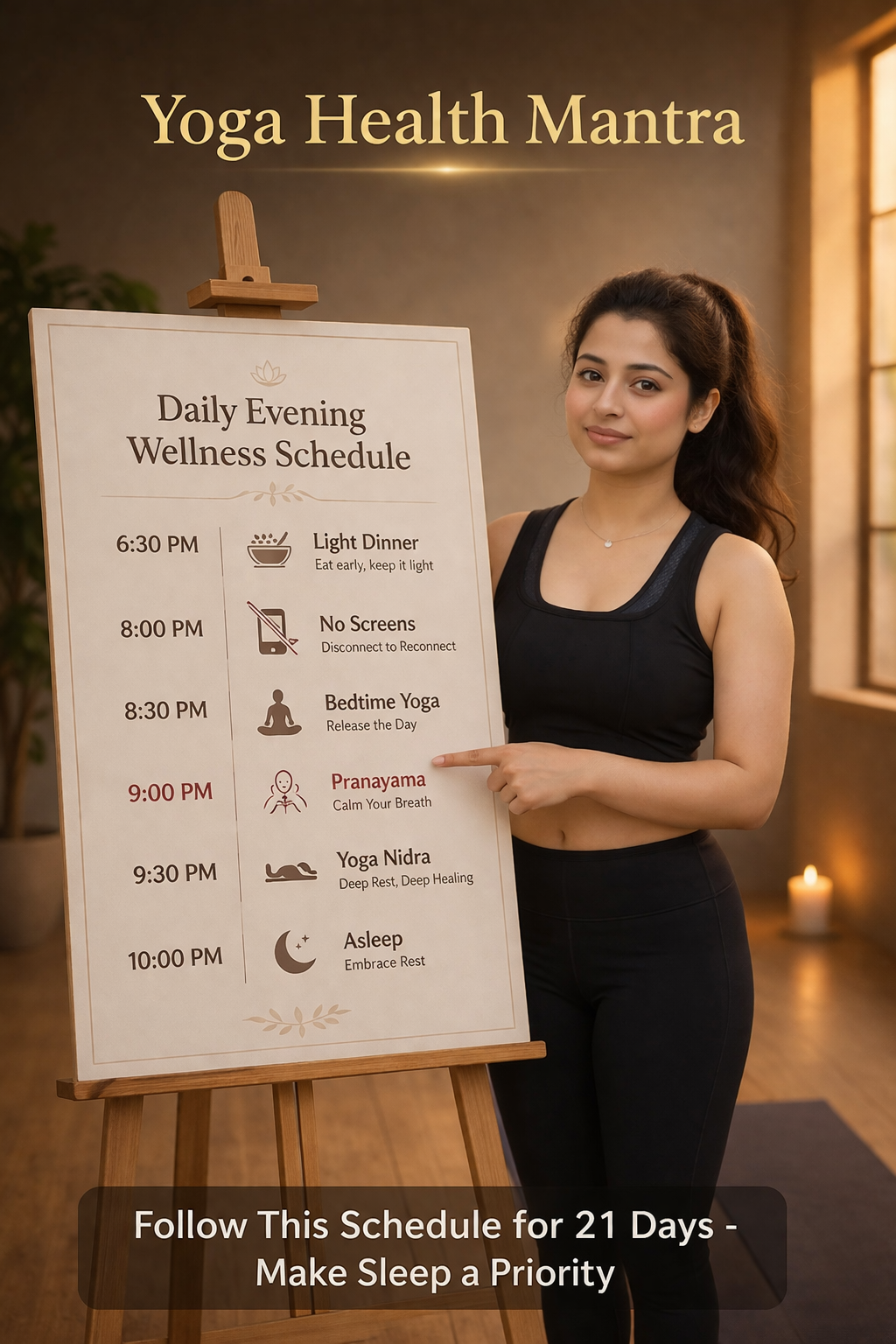
| Time | Activity |
|---|---|
| 6:30 PM | Have a light and early dinner to support better digestion |
| 8:00 PM | Turn off screens and dim the lights to signal your body to wind down |
| 8:30 PM | Practice a 20-minute bedtime yoga routine |
| 8:55 PM | Do 5 minutes of 4-7-8 breathing to calm your nervous system |
| 9:00 PM | Get into bed, switch off lights, and keep your phone away |
| 9:05 PM | Read a physical book or listen to soft, calming music |
| 9:30 PM | Practice Yoga Nidra or a guided sleep meditation |
| 10:00 PM | Drift into sleep naturally |
Remember: You can adjust these timings according to your lifestyle.
What matters most is consistency — going to bed and waking up at similar times every day
helps regulate your body’s natural sleep cycle.
How Long Until You See Results?
One of the most common questions people ask is: “How quickly will this work?”
The answer is simple — it depends on your body, your routine, and your consistency.
Some people notice better sleep from the very first night they try bedtime yoga.
They feel calmer, fall asleep faster, and wake up more refreshed.
For others, it may take a few days or even a couple of weeks to see noticeable changes.
And that’s completely okay. Your body may have been dealing with stress, poor sleep habits,
or an irregular routine for a long time. It needs a little time to reset and relearn how to relax naturally.
The key is consistency. Try to follow your routine every night, even if the results feel slow at first.
Small improvements add up quickly when you stay regular.
A good goal is to commit to your bedtime yoga routine for at least 21 days.
During this time, your brain starts building a strong connection between yoga and sleep.
Gradually, falling asleep will feel easier, more natural, and effortless.
Remember — this is not a quick fix, it’s a healthy habit. Stay patient, trust the process,
and your sleep will improve over time.
Real-Life Success Stories
Sometimes, the best motivation comes from real people who have already been where you are.
Here are two simple stories that show how small changes can lead to better sleep.
(Names have been changed for privacy.)
Riya, 34 – Marketing Professional
“I used to lie awake for hours thinking about work. My mind just wouldn’t stop.
After I started doing the legs-up-the-wall pose and 4-7-8 breathing every night,
everything changed. Now I fall asleep within 15 minutes, and I wake up feeling fresh.
It truly changed my life.”
Amit, 42 – Business Owner
“I used to wake up at 3 AM every single night and couldn’t go back to sleep.
It was frustrating and exhausting. My doctor suggested trying yoga.
Within 10 days of practicing child’s pose and savasana,
I started sleeping through the night. No more 3 AM anxiety.”
These are everyday people, just like you, who replaced sleepless nights and constant stress
with something simple — a yoga mat, a few minutes of practice, and mindful breathing.
If they can do it, so can you. Start small, stay consistent, and give your body the chance to heal naturally.
Frequently Asked Questions ❓
1. Can I do yoga in bed instead of on a mat?
Yes, absolutely. Many poses like child’s pose, legs-up-the-wall, and corpse pose can be done on a bed.
Just make sure your mattress is not too soft, so your body stays properly supported.
2. What if I’m not flexible?
No problem at all. Yoga for sleep is not about flexibility — it’s about relaxation.
Move gently, listen to your body, and modify poses as needed. You can also use pillows or cushions for extra support.
3. Can children or older adults do these poses?
Yes, these poses are generally gentle and safe for most age groups.
However, it’s always best to avoid any movement that causes discomfort or pain.
4. Do I need a yoga teacher?
For basic poses, you don’t need a teacher. You can follow simple instructions at home.
But if you have any injuries, health conditions, or doubts, it’s a good idea to consult a doctor or a qualified instructor.
5. Can yoga cure insomnia?
Yoga can significantly improve sleep quality for many people, especially when combined with healthy sleep habits.
However, if you have chronic or severe insomnia, you may also need professional medical guidance.
Final Thoughts
Sleep is not a waste of time — it is the foundation of your health, mood, energy, and even your success.
When your sleep improves, everything in life starts to feel easier and more balanced.
Yoga gives you a simple, natural, and completely free way to take back control of your nights.
No side effects, no expensive tools — just your body, your breath, and a few gentle movements.
Start small. Tonight, try just two simple poses:
Child’s Pose for 2 minutes, then Legs-Up-The-Wall for another 2 minutes.
After that, lie down in Corpse Pose for 5 minutes and simply relax.
Notice how your body feels. Notice how your mind begins to slow down.
Tomorrow night, add one more pose. The next day, add a breathing exercise.
There’s no rush — just keep going, one small step at a time.
Within a few weeks, you may find yourself actually looking forward to bedtime —
not with stress or worry, but with a calm and quiet sense of relief,
knowing that deep and healing rest is waiting for you.
Remember — consistency is more powerful than perfection. Start small, stay regular, and give your body the time it needs to relax and heal naturally.
Take a deep breath, let go of the day, and allow yourself to rest.
Your journey to better sleep starts tonight. 🧘♀️🌙