
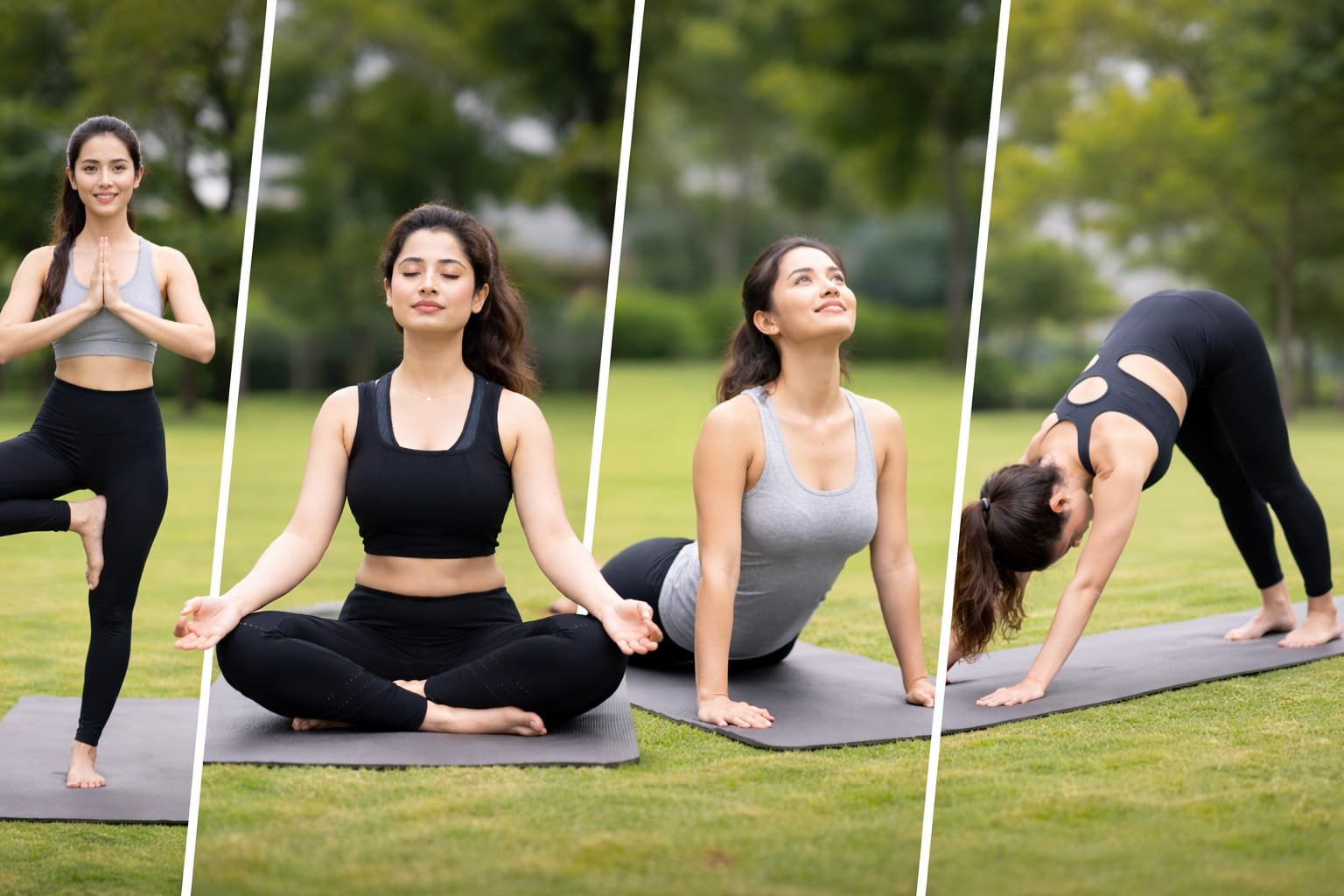
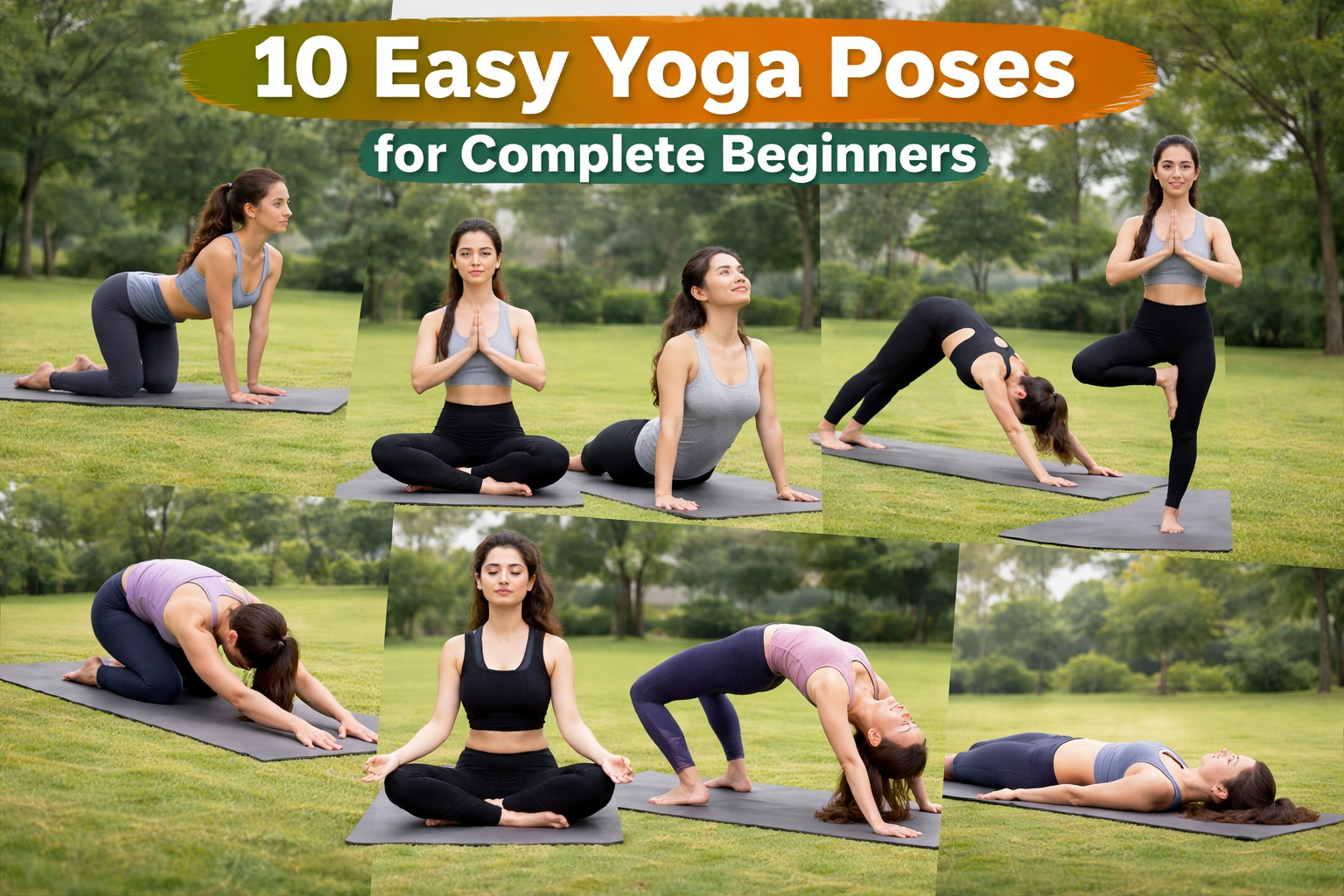
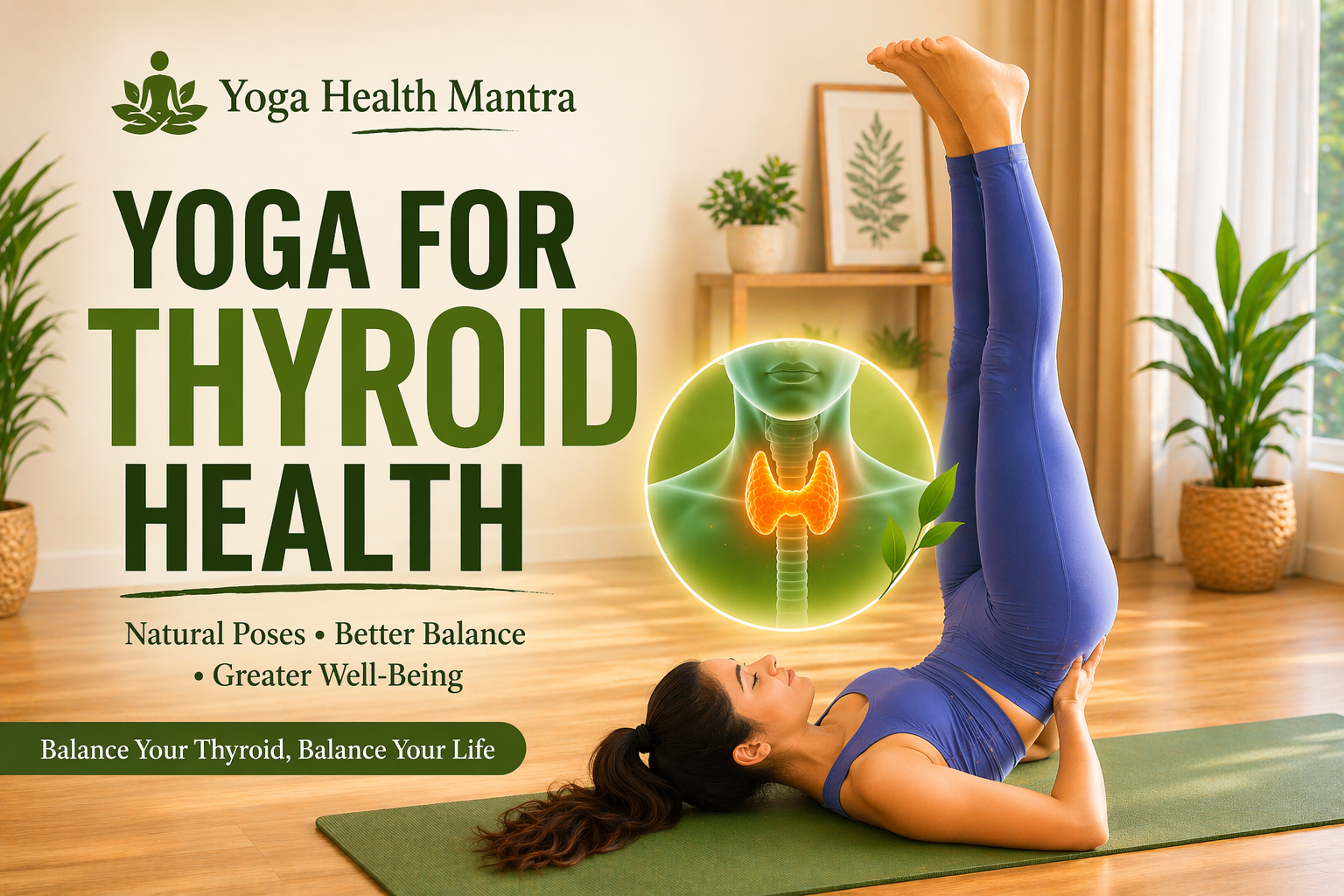
Understanding Thyroid and Why Yoga Matters
In today’s fast-paced lifestyle, thyroid problems are becoming increasingly common among people of all age groups.
From unexplained weight gain and constant fatigue to mood swings and low energy, many people experience symptoms
that often go unnoticed in the early stages.

The thyroid is a small butterfly-shaped gland located in the neck, but its role in the body is extremely important.
It helps regulate metabolism, energy levels, and hormonal balance. When the thyroid does not function properly,
it can impact daily life in several ways, including body weight, digestion, emotional health, and overall well-being.
How Yoga Helps Thyroid Health Naturally
The two most common thyroid conditions are hypothyroidism and hyperthyroidism.
Both conditions can lead to long-term health challenges and usually require proper care, lifestyle support,
and consistency. While medical guidance remains essential, many people also look for safe and natural ways
to support their thyroid health.
This is where yoga can make a meaningful difference. Yoga is not just a physical practice; it is a gentle and
holistic approach that supports both the body and the mind. Certain yoga poses may help improve blood circulation,
reduce stress, and support better hormonal balance. Since stress can directly impact hormonal health,
adding yoga to your daily routine can be a practical and supportive step.
If you are new to yoga, starting with a simple and consistent routine can make your journey easier.
Begin with basic movements and gradually include poses that are more suitable for thyroid support.
Stress management is also a key part of thyroid wellness. A calm mind and balanced lifestyle often help
maintain better hormonal health and improve overall well-being.
To understand the medical aspects of thyroid conditions more clearly, you can explore trusted resources like
MedlinePlus, which provides reliable information about thyroid disorders
and how they affect the body.
What is Thyroid? (Basic Understanding)
The thyroid is a small, butterfly-shaped gland located at the front of your neck, just below the Adam’s apple.
Even though it is small in size, it plays a very important role in maintaining your overall health and body balance.
This gland is part of the endocrine system, which is responsible for producing hormones that control various
functions in the body. The thyroid mainly produces two key hormones — T3 (triiodothyronine)
and T4 (thyroxine). These hormones travel through the bloodstream and affect almost every
organ in the body.

One of the most important functions of the thyroid is to regulate metabolism. Metabolism refers to how your
body uses energy — including how it burns calories, controls body temperature, and manages energy levels
throughout the day.
When the thyroid works properly, your body functions smoothly. However, when it becomes overactive or
underactive, it can lead to various health issues such as weight changes, fatigue, hair loss, and mood imbalance.
Since the thyroid is located in the neck region, certain yoga practices that gently stimulate this area
may help improve blood circulation and support better hormonal balance.
If you are new to yoga, it is helpful to first understand the basics before moving to more targeted practices.
For a deeper understanding of how the thyroid works and why it is important for overall health, you can read this guide from Mayo Clinic.
Understanding how your thyroid works is the first step toward managing it effectively.
In the next section, we will look at the different types of thyroid conditions and how they affect the body.
Types of Thyroid Disorders
Thyroid disorders are mainly divided into two common types — hypothyroidism and
hyperthyroidism. Both conditions affect the body in different ways because they involve
either low or high production of thyroid hormones.
1.Hypothyroidism (Underactive Thyroid)
Hypothyroidism occurs when the thyroid gland does not produce enough hormones.
As a result, the body’s metabolism slows down, affecting energy levels and overall body functions.
- Unexplained weight gain
- Constant fatigue and low energy
- Dry skin and hair fall
- Feeling cold more often
- Slow heart rate
This condition often develops gradually and may go unnoticed in the early stages.
With proper care, a balanced lifestyle, and regular yoga practice, it can be managed effectively over time.
2.Hyperthyroidism (Overactive Thyroid)
Hyperthyroidism occurs when the thyroid gland produces more hormones than the body needs.
This speeds up the body’s metabolism, making various functions work faster than normal.
- Unintentional weight loss
- Increased heart rate or palpitations
- Anxiety and nervousness
- Excess sweating
- Difficulty sleeping
People with hyperthyroidism may feel restless, overactive, and mentally overwhelmed.
Managing stress and maintaining a calm, balanced routine can help support overall well-being.
3.Goiter (Enlarged Thyroid)
Goiter refers to the abnormal enlargement of the thyroid gland, which can cause visible swelling
in the front of the neck. It may occur even when hormone levels are normal, low, or high.
- Swelling or lump in the neck area
- Tightness or pressure in the throat
- Difficulty swallowing in some cases
- Occasional discomfort while breathing
Goiter can develop due to iodine deficiency or other thyroid-related conditions.
Early attention and proper lifestyle habits can help manage symptoms effectively.
4.Thyroid Nodules
Thyroid nodules are small lumps or growths that develop within the thyroid gland.
Most nodules are harmless and do not cause serious problems, but some may need medical evaluation.
- Small lump or swelling in the neck
- No pain in most cases
- Difficulty swallowing in some situations
- Rarely, changes in voice
Many people may not notice thyroid nodules until they grow larger or are detected during a medical check-up.
Regular monitoring and proper medical guidance are important to ensure safety.
5.Thyroiditis (Inflammation of Thyroid)
Thyroiditis refers to the inflammation of the thyroid gland. This condition can affect how the gland
produces hormones and may lead to temporary changes in thyroid function.
- Pain or tenderness in the neck area
- Swelling in the thyroid region
- Fatigue and low energy
- Mood changes or discomfort
In some cases, thyroiditis may cause symptoms similar to both underactive and overactive thyroid conditions.
With proper care and monitoring, this condition often improves over time.
For a deeper medical understanding of thyroid inflammation, you can refer to trusted sources like
Cleveland Clinic – Thyroiditis Guide
.
6.Thyroid Cancer (Rare Condition)
Thyroid cancer is a rare condition in which abnormal cells develop in the thyroid gland.
Although it is not very common, early detection and treatment can lead to positive outcomes.
- Lump or swelling in the neck
- Changes in voice or hoarseness
- Difficulty swallowing
- Persistent throat discomfort
Most thyroid cancers grow slowly and can be treated successfully when diagnosed early.
Regular check-ups and awareness of symptoms are important for timely care.
Symptoms of Thyroid Problems
Thyroid disorders can affect the body in different ways depending on whether the gland is underactive or overactive.
Many symptoms develop slowly and are often ignored in the early stages. Recognizing these signs early can help
with better management and lifestyle improvement.

- Unexplained weight changes: Sudden weight gain or loss without major changes in diet or activity level.
- Hair fall and dry skin: Increased hair thinning, brittle hair, and rough or dry skin texture.
- Constant fatigue: Feeling tired or low on energy even after proper rest or sleep.
- Mood changes: Anxiety, irritability, low mood, or difficulty concentrating.
- Irregular menstrual cycles: Changes in cycle timing, heavy bleeding, or missed periods in women.
These symptoms may vary from person to person, but ignoring them for a long time can lead to more serious health issues.
Maintaining a balanced routine that includes proper nutrition, stress management, and regular physical activity
can help support overall well-being.
If you are experiencing multiple symptoms, it is important to seek medical advice and consider supportive practices
like gentle yoga and relaxation techniques to improve daily energy and balance.
Why Yoga is Effective for Thyroid
Yoga is considered one of the most natural and supportive practices for managing thyroid-related issues.
While it does not replace medical treatment, it helps the body function more efficiently by improving
internal balance and reducing stress — two key factors closely linked to thyroid health.
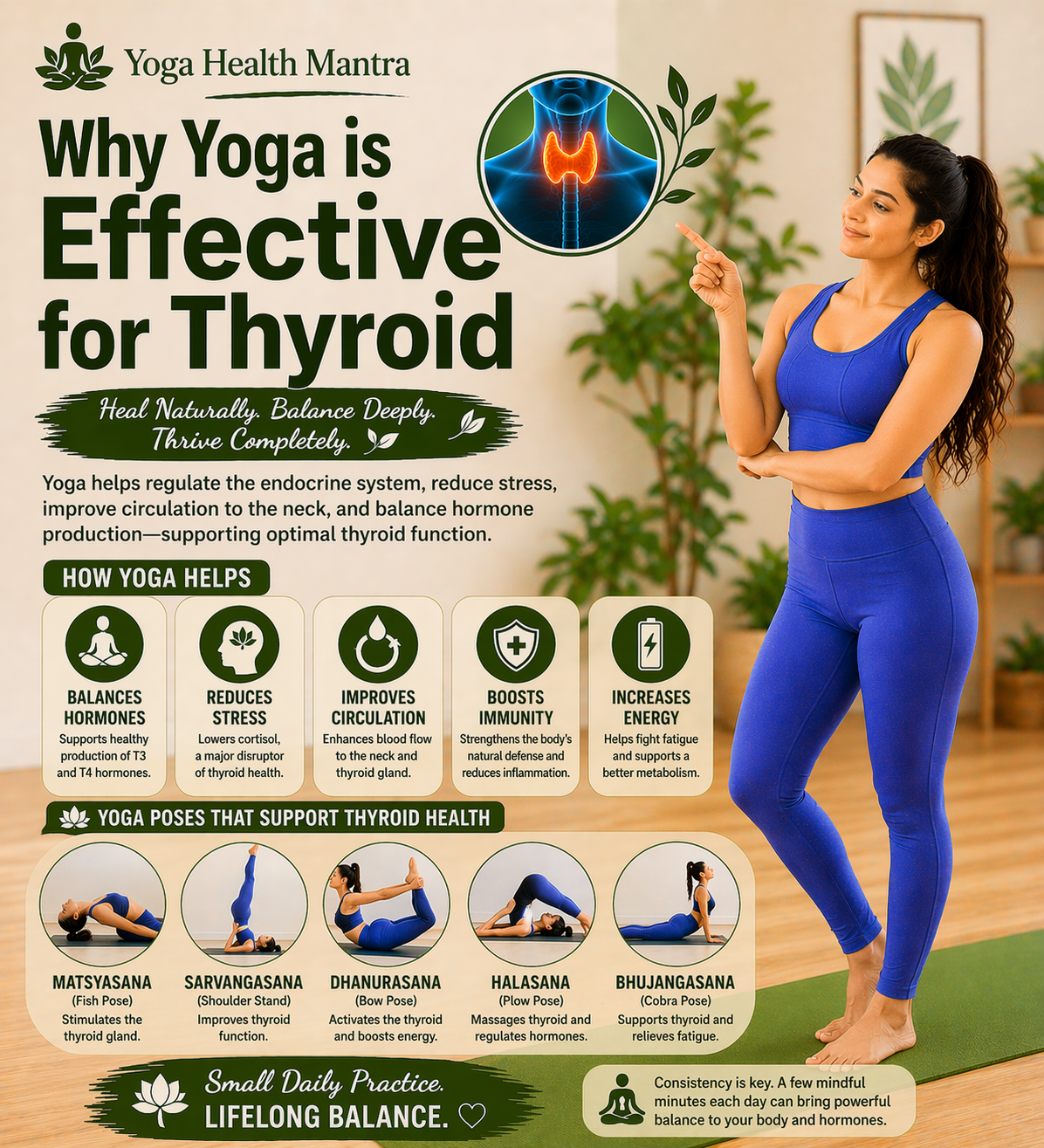
One of the main reasons yoga is effective is its ability to gently stimulate the neck region, where the
thyroid gland is located. Certain poses involve stretching and compressing this area, which may help
improve blood flow and support better gland function over time.
- Improves blood circulation: Gentle inversions and stretches can enhance blood flow around the thyroid gland, supporting its natural function.
- Supports hormonal balance: Regular yoga practice helps regulate the endocrine system, which controls hormone production and overall body balance.
- Reduces stress and anxiety: Yoga and breathing techniques calm the nervous system and help lower stress levels, which is important for hormonal stability.
In addition to physical poses, mindful breathing and relaxation techniques play an important role in
improving overall well-being. A calm and balanced mind can positively influence how the body responds
to stress and hormonal changes.
Combining yoga with a consistent routine can further enhance its benefits. Regular practice helps the
body stay active, relaxed, and better aligned over time.
Overall, yoga works at both physical and mental levels, making it a powerful and supportive approach
for managing thyroid conditions in a natural and sustainable way.
Best Yoga Poses for Thyroid Patients
Practicing the right yoga poses regularly can support thyroid function by improving blood circulation,
stimulating the neck area, and promoting hormonal balance. Below are some effective yoga poses that are
commonly recommended for thyroid health.
Sarvangasana (Shoulder Stand Pose) – Detailed Guide
Sarvangasana, also known as the Shoulder Stand Pose, is one of the most effective yoga poses
for supporting thyroid health. This inversion pose increases blood flow toward the neck area, where the
thyroid gland is located, and helps stimulate hormonal balance naturally.
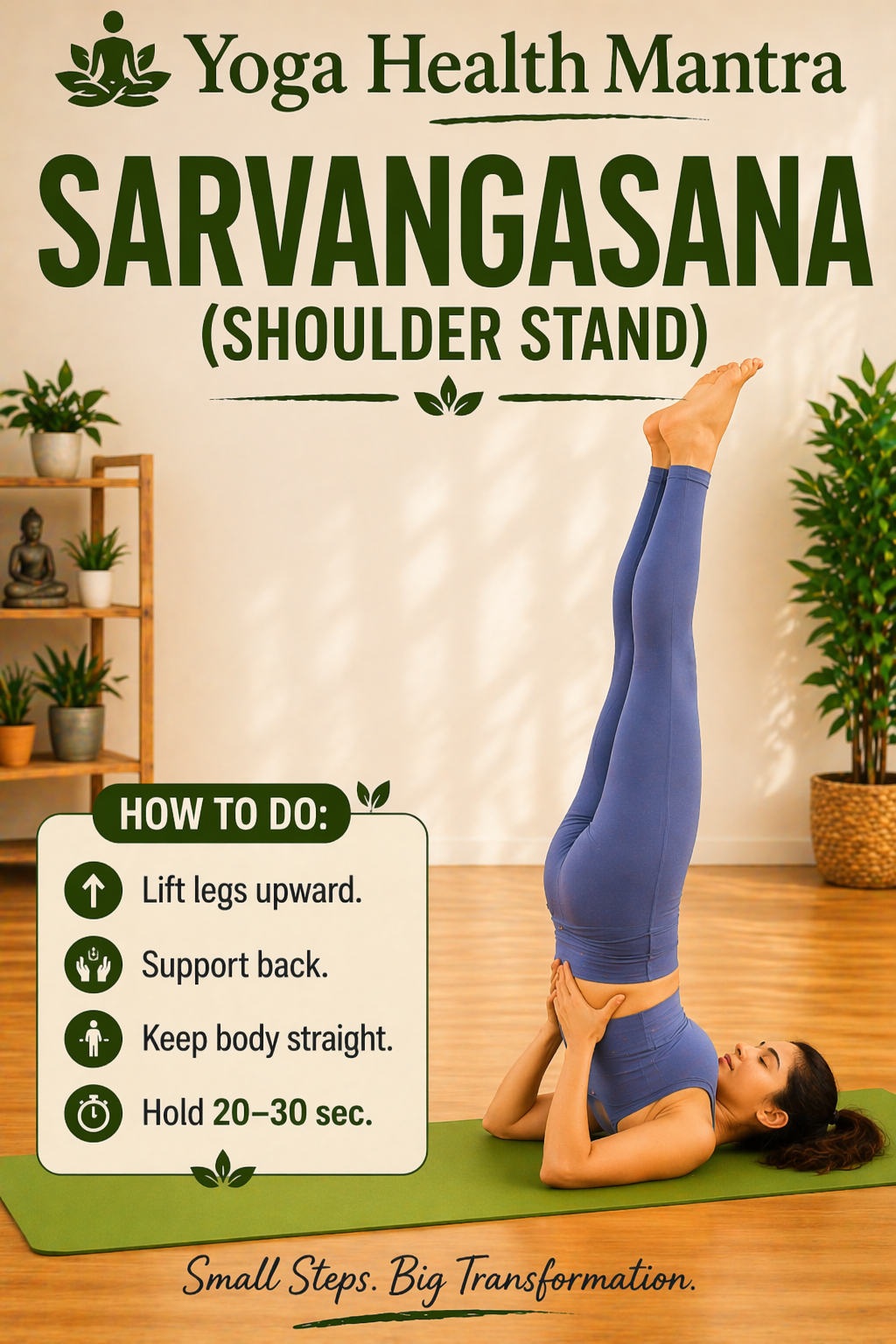
How to Do Sarvangasana (Step-by-Step)
- Lie flat on your back on a yoga mat with your arms placed beside your body.
- Keep your legs together and slowly lift them upward to a 90-degree angle.
- Gently lift your hips off the floor, supporting your lower back with your hands.
- Raise your legs straight upward, keeping your body aligned in a vertical position.
- Keep your elbows on the floor for support and your neck relaxed.
- Maintain steady breathing and avoid turning your head while in this position.
Duration
Hold the pose for 20–40 seconds initially. Beginners can start with 10–15 seconds
and gradually increase the duration as they become more comfortable and stable.
Benefits of Sarvangasana
- Stimulates the thyroid and parathyroid glands
- Improves blood circulation in the neck and upper body
- Supports hormonal balance and metabolism
- Helps reduce stress and calm the mind
- Improves digestion and overall energy levels
Beginner Tips
- Use wall support to maintain balance if needed
- Keep your movements slow and controlled
- Do not put pressure on your neck — support your back properly
- Practice on a soft mat or folded blanket for comfort
Precautions
- Avoid this pose if you have neck pain, cervical issues, or recent injuries
- People with high blood pressure or heart conditions should consult a doctor first
- Pregnant women should avoid this pose unless guided by a professional
Practicing Sarvangasana regularly, with proper guidance and consistency, can be a powerful addition to your
daily routine for supporting thyroid health naturally.
Halasana (Plow Pose) – Detailed Guide
Halasana, also known as the Plow Pose, is a powerful yoga posture that works deeply on the
neck, spine, and abdominal area. It is especially beneficial for thyroid health because it gently compresses
and stimulates the thyroid gland, helping improve blood circulation and hormonal balance.
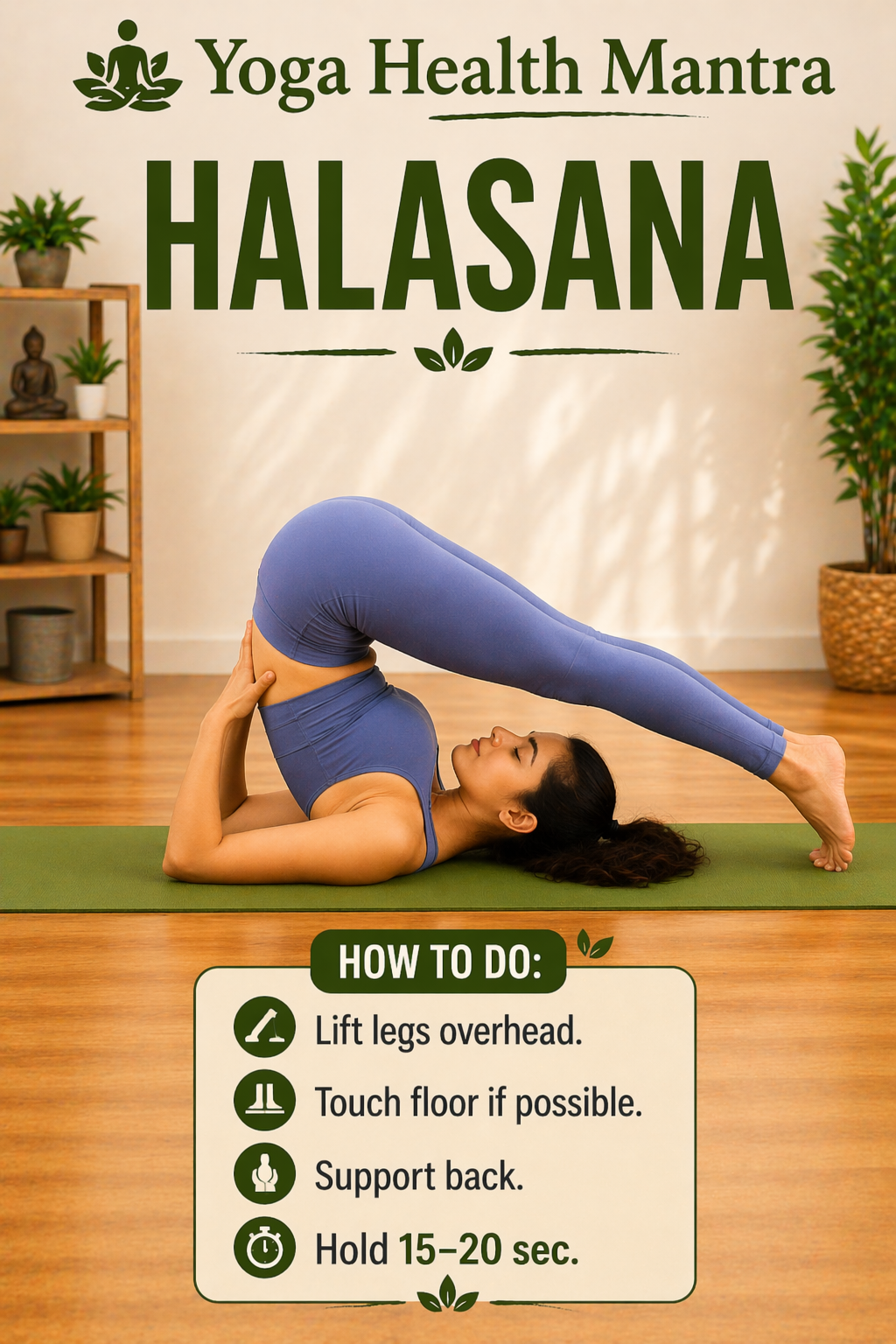
How to Do Halasana (Step-by-Step)
- Lie flat on your back on a yoga mat with your arms placed beside your body.
- Keep your legs together and slowly lift them upward to a 90-degree angle.
- Lift your hips and bring your legs over your head in a controlled movement.
- Try to touch your toes to the floor behind your head without forcing.
- Keep your hands flat on the floor or support your lower back if needed.
- Keep your neck relaxed and avoid turning your head during the pose.
Duration
Hold the pose for 15–30 seconds. Beginners can start with 10–15 seconds
and gradually increase the duration as flexibility improves.
Benefits of Halasana
- Stimulates the thyroid and parathyroid glands
- Improves blood circulation to the neck and brain
- Supports digestion and may help relieve constipation
- Reduces stress and calms the nervous system
- Improves flexibility of the spine and shoulders
Beginner Tips
- Do not force your toes to touch the floor — go as far as comfortable
- Use a cushion or folded blanket under your shoulders for support
- Keep your movements slow and controlled
- If needed, keep your hands on your lower back for balance
Precautions
- Avoid if you have neck pain, spine issues, or recent injuries
- People with high blood pressure or heart conditions should consult a doctor
- Do not practice during pregnancy without professional guidance
Halasana is often practiced along with Sarvangasana for better results, as both poses help support
circulation and balance in the body.
With regular practice and proper form, Halasana can be a highly effective pose for supporting thyroid health
and improving overall body function.
Matsyasana (Fish Pose) – Detailed Guide
Matsyasana, or the Fish Pose, is a gentle backbend that opens the chest and stretches the
neck and throat area. It is especially beneficial for thyroid health because it provides a deep stretch to
the front of the neck, helping stimulate the thyroid gland and improve blood circulation.
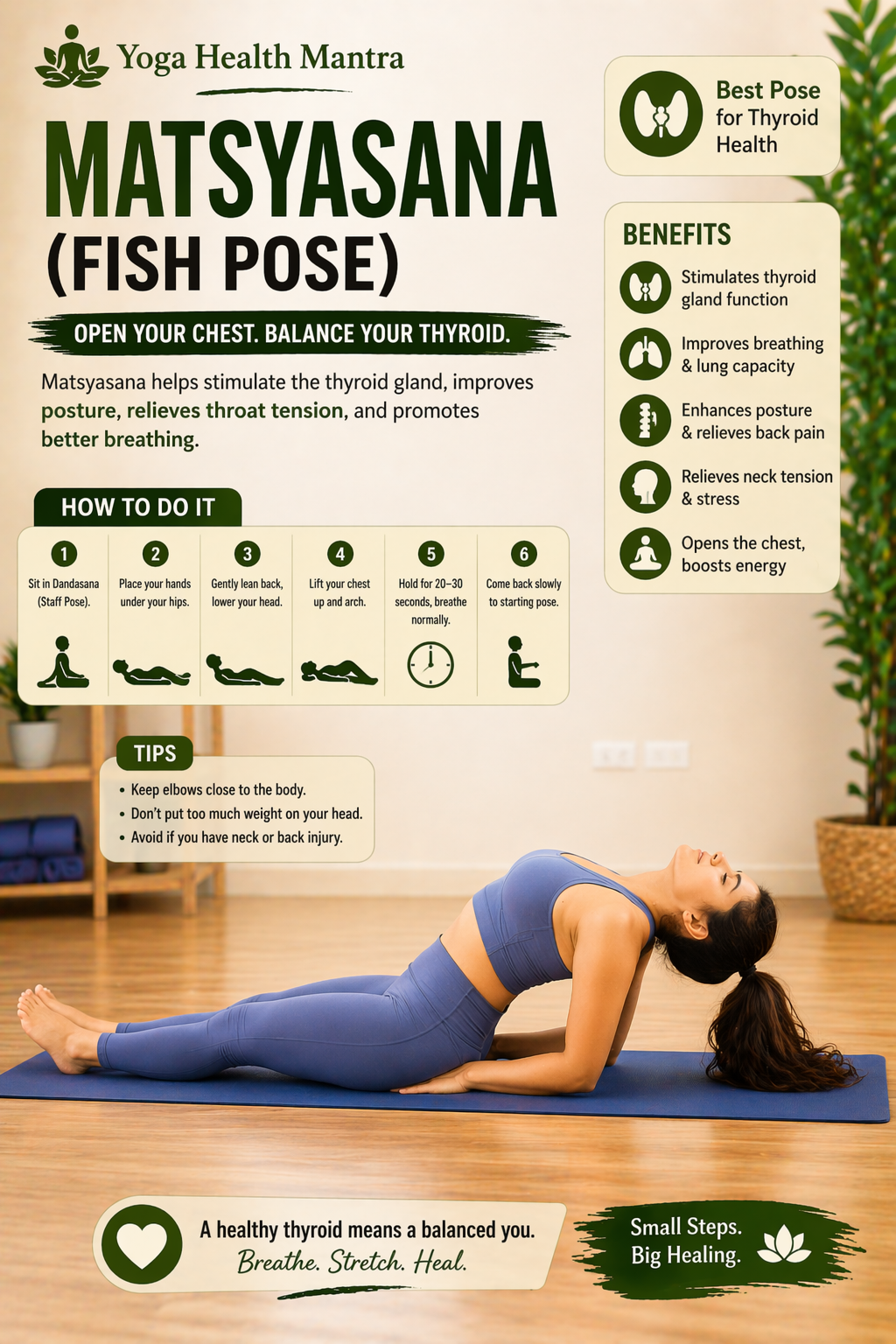
How to Do Matsyasana (Step-by-Step)
- Lie flat on your back on a yoga mat with your legs extended.
- Place your hands under your hips, palms facing down.
- Press your elbows into the floor and lift your chest upward.
- Gently tilt your head back and place the crown of your head lightly on the floor.
- Keep your chest lifted and breathe slowly and deeply.
Duration
Hold the pose for 20–30 seconds. Beginners can start with 10–15 seconds
and gradually increase the duration with practice.
Benefits of Matsyasana
- Stretches and stimulates the thyroid gland
- Improves blood circulation in the neck and chest
- Opens the lungs and improves breathing capacity
- Relieves fatigue and mild anxiety
- Improves posture and flexibility
Beginner Tips
- Do not put full weight on your head — support your body with elbows
- Keep movements slow and controlled
- If needed, place a cushion under your upper back for support
Precautions
- Avoid if you have serious neck or spine issues
- Do not overstretch your neck
- Consult a doctor if you have chronic medical conditions
Matsyasana is often practiced after inversion poses like Sarvangasana or Halasana to balance the stretch
in the neck and support overall flexibility.
With regular and mindful practice, Matsyasana can support thyroid health, improve posture, and enhance
overall well-being naturally.
Bhujangasana (Cobra Pose) – Detailed Guide
Bhujangasana, commonly known as the Cobra Pose, is a gentle backbend that strengthens the spine
and opens the chest. While it is not a direct inversion like some other poses, it plays an important role in
supporting thyroid health by improving blood circulation, reducing stress, and stimulating the endocrine system.
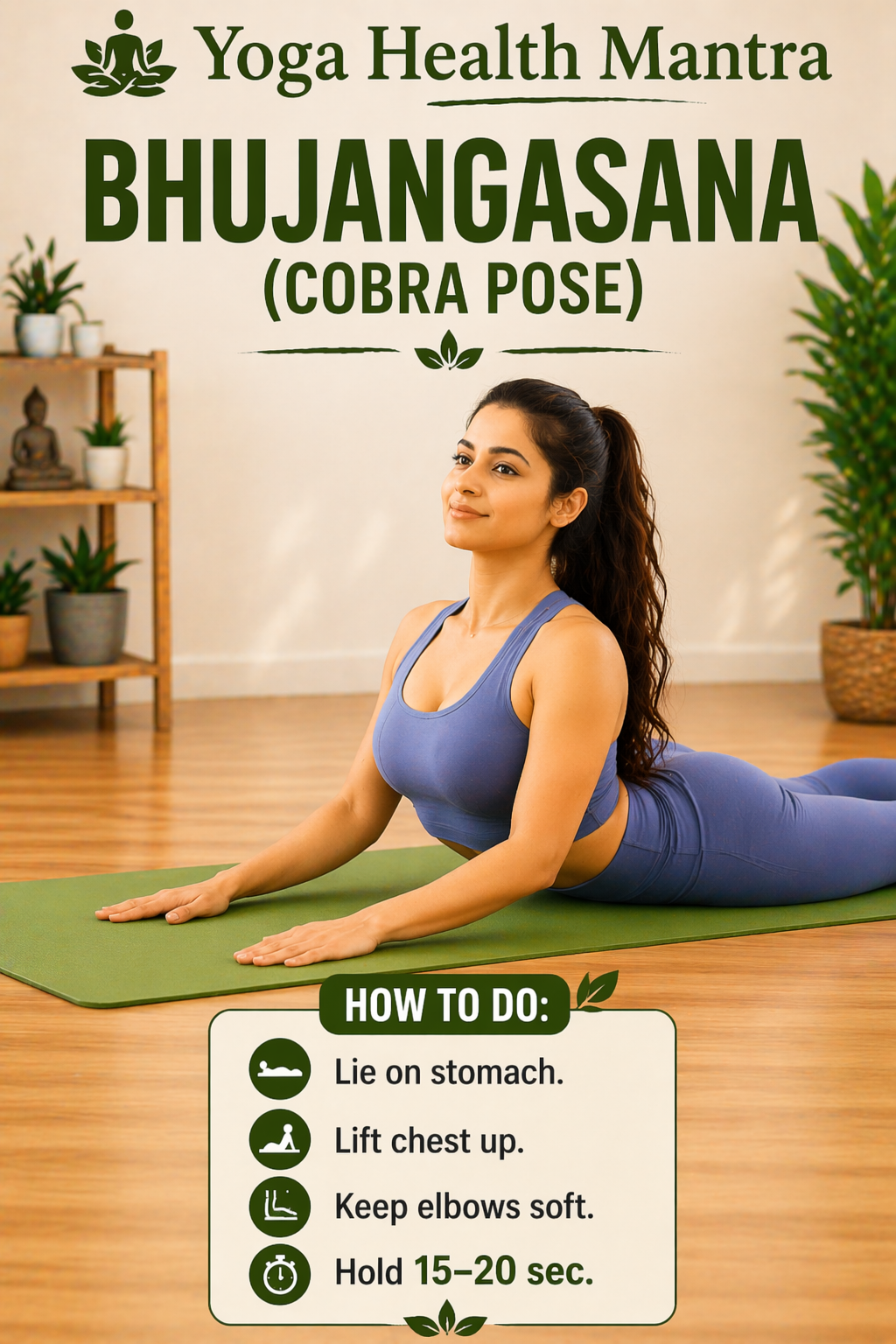
How to Do Bhujangasana (Step-by-Step)
- Lie flat on your stomach on a yoga mat with your legs extended and feet together.
- Place your palms under your shoulders, keeping your elbows close to your body.
- Inhale slowly and lift your chest upward using your back muscles.
- Keep your elbows slightly bent and shoulders relaxed.
- Look forward or slightly upward without straining your neck.
Duration
Hold the pose for 20–30 seconds. Beginners can start with 10–15 seconds
and gradually increase the duration with practice.
Benefits of Bhujangasana
- Improves blood circulation and supports hormonal balance
- Strengthens the spine and improves posture
- Reduces stress and helps calm the mind
- Opens the chest and improves breathing
- Supports overall endocrine system function
Beginner Tips
- Do not put too much pressure on your hands — use your back strength
- Avoid overextending your lower back
- Keep your shoulders relaxed and away from your ears
Precautions
- Avoid if you have severe back pain or spinal injuries
- Pregnant women should avoid this pose
- Consult a doctor if you have any chronic medical condition
Bhujangasana is a beginner-friendly pose that can be easily included in a regular yoga routine.
Practicing it with proper form and consistency helps improve flexibility, reduce stress,
and support overall body balance.
With regular practice, Bhujangasana can be a valuable addition to a thyroid-supportive yoga routine.
Ustrasana (Camel Pose) – Detailed Guide
Ustrasana, or the Camel Pose, is a deep backbend that stretches the entire front of the body,
especially the chest, abdomen, and neck area. This pose is highly beneficial for thyroid health because it
opens and stretches the throat region, helping stimulate the thyroid gland and improve hormonal balance.
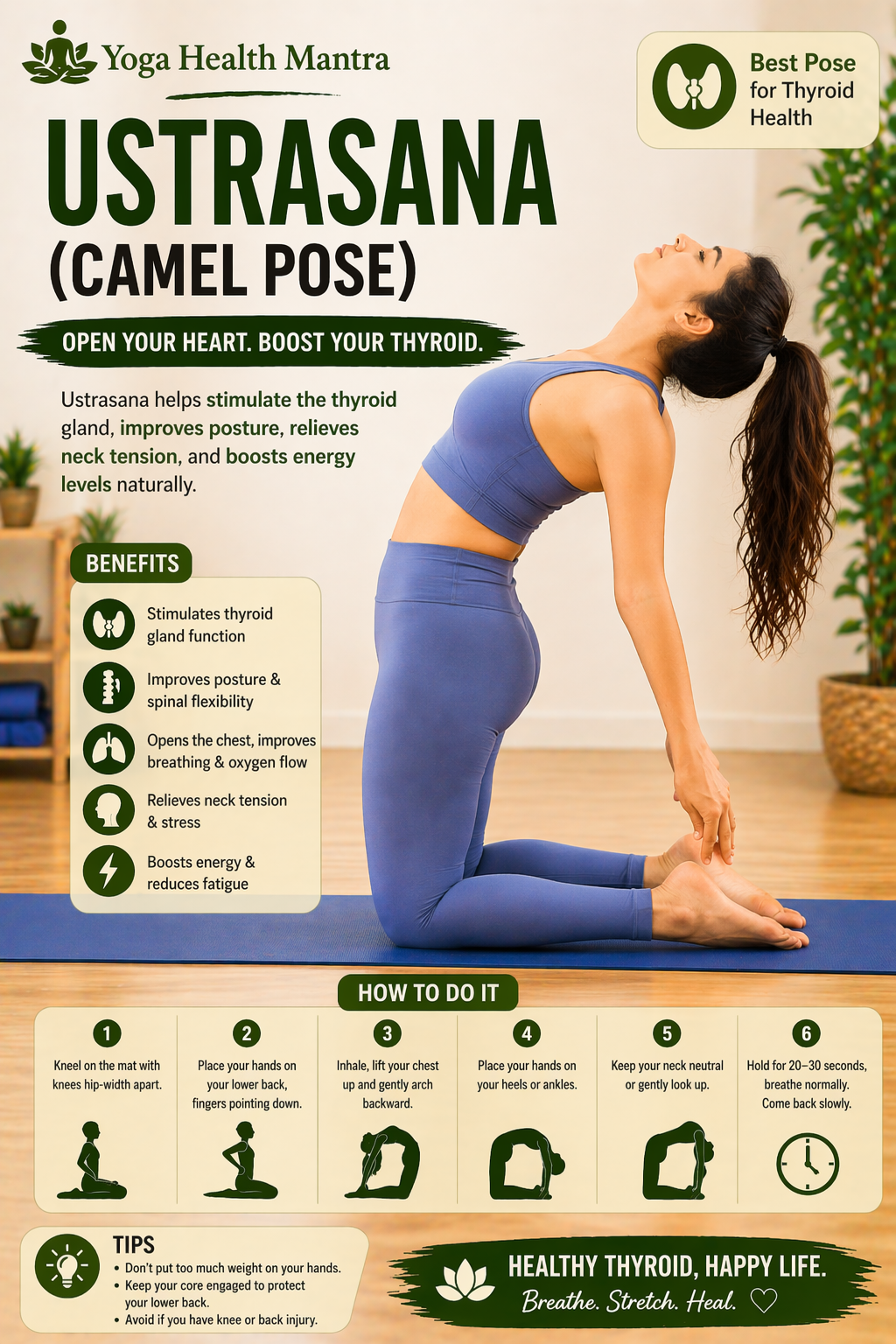
How to Do Ustrasana (Step-by-Step)
- Kneel on the floor with your knees hip-width apart.
- Place your hands on your lower back for support.
- Slowly push your hips forward while lifting your chest upward.
- Gently bend backward and try to reach your heels with your hands.
- Let your head drop back naturally without straining your neck.
Duration
Hold the pose for 15–25 seconds. Beginners can start with 10–15 seconds
and gradually increase the duration with regular practice.
Benefits of Ustrasana
- Stretches and stimulates the thyroid gland
- Improves blood circulation in the neck and chest
- Enhances lung capacity and breathing
- Boosts energy and reduces fatigue
- Improves posture and spinal flexibility
Beginner Tips
- If you cannot reach your heels, keep your hands on your lower back
- Keep your movements slow and controlled
- Engage your core to support your lower back
Precautions
- Avoid if you have severe back pain or spine issues
- Do not strain your neck while bending backward
- People with high or low blood pressure should practice with guidance
Ustrasana is a powerful backbend and should be practiced mindfully, especially by beginners.
Proper alignment and controlled breathing are important for safe practice.
With consistent and careful practice, Ustrasana can support thyroid health and improve overall
body flexibility, posture, and energy levels.
Setu Bandhasana (Bridge Pose) – Detailed Guide
Setu Bandhasana, commonly known as the Bridge Pose, is a gentle backbend that lifts the chest
and opens the neck and throat area. It is especially helpful for thyroid support because it increases blood
circulation to the neck region and stimulates the endocrine system in a safe and controlled way.
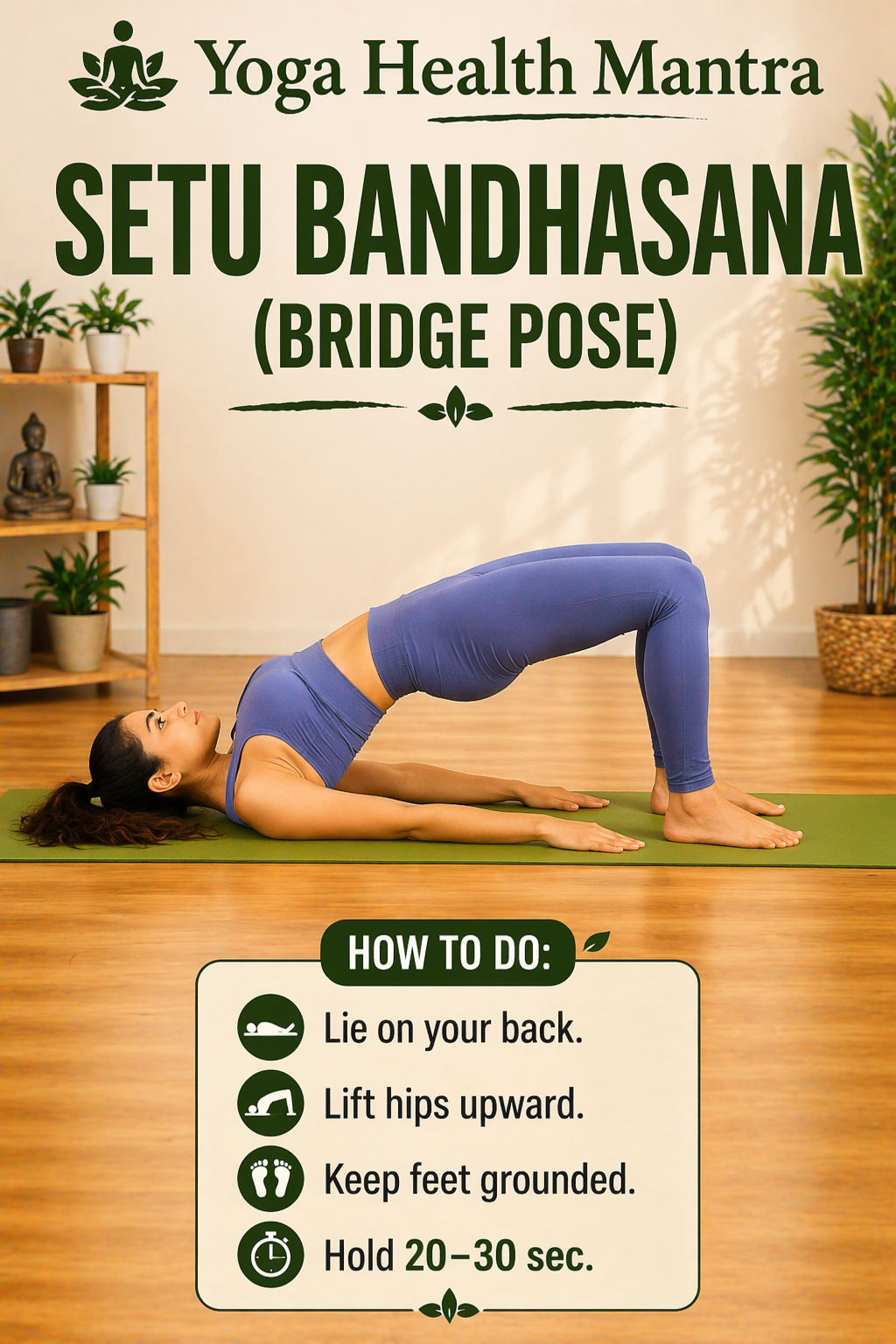
How to Do Setu Bandhasana (Step-by-Step)
- Lie flat on your back on a yoga mat with your knees bent and feet placed hip-width apart.
- Keep your arms beside your body with palms facing down.
- Slowly press your feet into the ground and lift your hips upward.
- Keep your shoulders and arms grounded while lifting your chest toward your chin.
- Hold the position with steady and relaxed breathing.
Duration
Hold the pose for 20–30 seconds. Beginners can start with 10–15 seconds
and gradually increase the duration with practice.
Benefits of Setu Bandhasana
- Stimulates the thyroid gland and supports hormonal balance
- Improves blood circulation in the neck and upper body
- Helps reduce stress and calm the nervous system
- Strengthens the back, hips, and legs
- Improves posture and overall flexibility
Beginner Tips
- Keep your feet firmly grounded and aligned with your knees
- Avoid over-arching your lower back
- Use a yoga block or cushion under your hips for support if needed
Precautions
- Avoid if you have serious neck or back injuries
- Keep your neck relaxed and do not turn your head during the pose
- Consult a doctor if you have any chronic health condition
Setu Bandhasana is a beginner-friendly pose that can be easily included in a regular yoga routine.
It helps build strength, improve flexibility, and support overall body balance.
With regular and mindful practice, Setu Bandhasana can support thyroid health, reduce stress,
and improve overall physical well-being.
Ardha Matsyendrasana (Spinal Twist Pose) – Detailed Guide
Ardha Matsyendrasana, also known as the Half Spinal Twist Pose, is a seated twisting posture
that helps improve digestion, stimulate internal organs, and support overall metabolic function. While it
does not directly compress the thyroid gland like inversion poses, it plays an important role in improving
body balance, reducing stress, and supporting hormonal health indirectly.
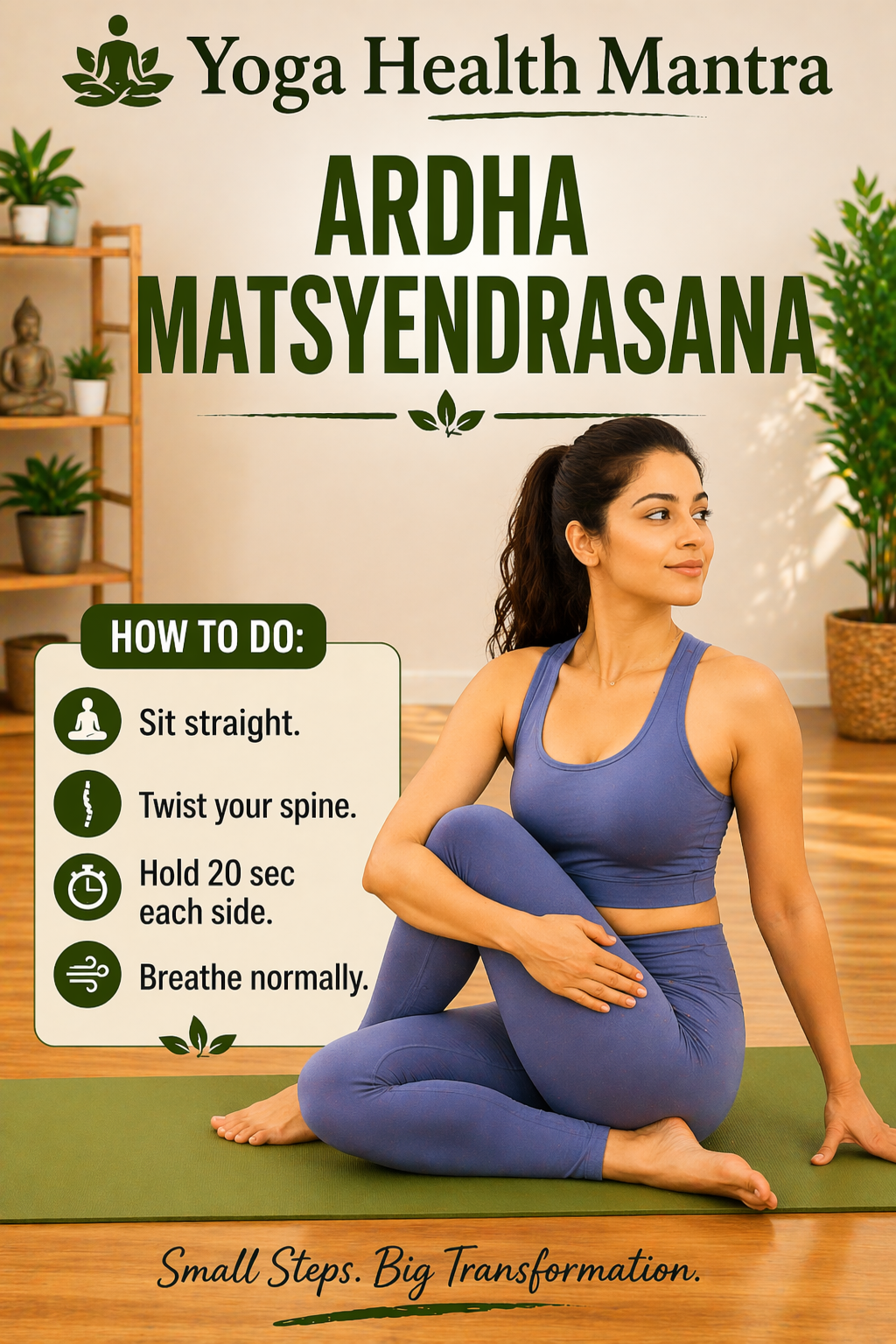
How to Do Ardha Matsyendrasana (Step-by-Step)
- Sit on the floor with your legs extended straight in front of you.
- Bend your right knee and place your right foot outside your left thigh.
- Bend your left leg and place your left foot near your right hip (optional for beginners).
- Place your right hand behind your back for support.
- Twist your upper body to the right and place your left elbow outside your right knee.
- Look over your right shoulder while keeping your spine straight.
Duration
Hold the pose for 20–30 seconds on each side. Beginners can start with 10–15 seconds
and gradually increase the duration with practice.
Benefits of Ardha Matsyendrasana
- Improves digestion and supports metabolism
- Stimulates internal organs and supports natural detox processes
- Helps reduce stress and improve mental clarity
- Enhances spinal flexibility and posture
- Supports overall hormonal balance
Beginner Tips
- Keep your spine straight while twisting
- Do not force the twist — go as far as comfortable
- If sitting fully is difficult, keep the bottom leg straight
Precautions
- Avoid if you have severe spinal or back injuries
- Do not twist forcefully
- Pregnant women should avoid deep twists
Ardha Matsyendrasana is a beneficial pose that helps improve overall body function,
especially digestion and flexibility when practiced regularly.
With consistent and mindful practice, this pose can support overall well-being and
work effectively along with other thyroid-supportive yoga practices.
Marjariasana–Bitilasana (Cat–Cow Pose) – Detailed Guide
Marjariasana–Bitilasana, commonly known as the Cat–Cow Pose, is a gentle and rhythmic yoga
movement that combines two poses. It is especially beneficial for beginners and plays an important role in
improving spinal flexibility, reducing stress, and gently stimulating the neck and throat area, which can
support thyroid function indirectly.
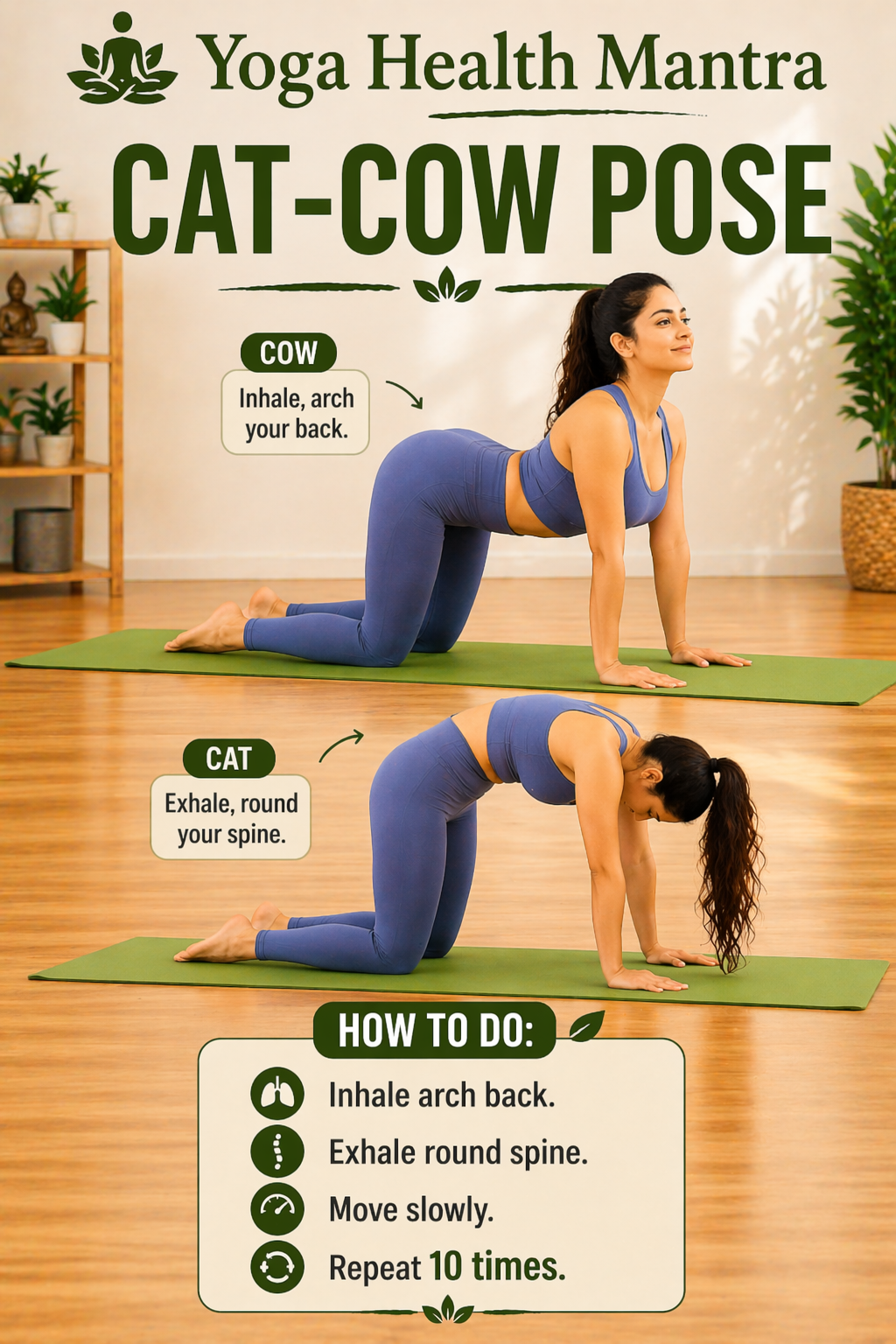
How to Do Cat–Cow Pose (Step-by-Step)
- Start on your hands and knees in a tabletop position.
- Keep your wrists directly under your shoulders and knees under your hips.
- Inhale and drop your belly down, lifting your chest and head upward (Cow Pose).
- Exhale and round your spine upward, tucking your chin toward your chest (Cat Pose).
- Continue this movement slowly, coordinating it with your breath.
Duration
Practice for 30–60 seconds or 8–10 slow repetitions. Beginners can start with 5–6 rounds
and gradually increase as they become more comfortable.
Benefits of Cat–Cow Pose
- Improves flexibility of the spine and neck
- Enhances blood circulation in the upper body
- Gently stimulates the thyroid region
- Helps reduce stress and promote relaxation
- Improves posture and body awareness
Beginner Tips
- Move slowly and coordinate your breath with each movement
- Do not rush — focus on smooth and controlled transitions
- Keep your movements gentle and comfortable
Precautions
- Avoid excessive movement if you have wrist or knee pain
- Use a soft mat or cushion for comfort
- Consult a doctor if you have serious spine issues
Cat–Cow Pose is an excellent warm-up exercise that prepares the body for more advanced yoga practices.
It helps loosen the spine and improve overall mobility.
With regular practice, this simple yet effective movement can improve flexibility, reduce stiffness,
and support overall well-being naturally.
Pranayama for Thyroid Health
Pranayama, or yogic breathing, is a powerful practice that supports the endocrine system and helps
regulate stress — a key factor that can influence thyroid function. Regular breathing exercises improve
oxygen flow, calm the nervous system, and create a balanced internal environment for better hormonal health.
Below are three effective pranayama techniques that can support thyroid wellness when practiced consistently
and mindfully.
1. Anulom Vilom (Alternate Nostril Breathing)

How to do:
- Sit comfortably in a cross-legged position with your spine straight and shoulders relaxed.
- Close your right nostril with your thumb and inhale slowly through the left nostril.
- Now close the left nostril with your ring finger and exhale through the right nostril.
- Inhale through the right nostril, then switch and exhale through the left.
- Continue this cycle in a slow, steady, and controlled manner.
Duration:
Practice for 5–10 minutes daily for best results.
Benefits:
- Helps balance the nervous system and reduce stress
- Improves oxygen supply and breathing efficiency
- Supports overall hormonal balance and mental calmness
Beginner Tips:
- Keep your breathing slow, natural, and relaxed
- Avoid forcing inhalation or exhalation
- Practice in a calm and distraction-free environment
Anulom Vilom is a simple yet powerful breathing technique that helps create balance in both the body
and mind when practiced regularly.
2. Bhramari Pranayama (Humming Bee Breathing)

How to do:
- Sit comfortably with your spine straight and eyes closed.
- Place your fingers gently on your ears or lightly close the ear flaps.
- Inhale deeply through your nose.
- Exhale slowly while making a soft humming sound like a bee.
- Focus on the vibration in your head and throat.
Duration:
Practice for 5–7 rounds with slow and controlled breathing.
Benefits:
- Helps reduce anxiety and mental stress
- Calms the mind and improves focus
- Supports relaxation and overall hormonal balance
Beginner Tips:
- Keep the humming sound gentle and steady
- Practice in a quiet and comfortable environment
- Avoid forcing your breath — keep it natural and relaxed
Bhramari Pranayama is a simple yet effective breathing technique that promotes mental calmness
and helps create a balanced internal state.
3. Ujjayi Breathing (Victorious Breath)
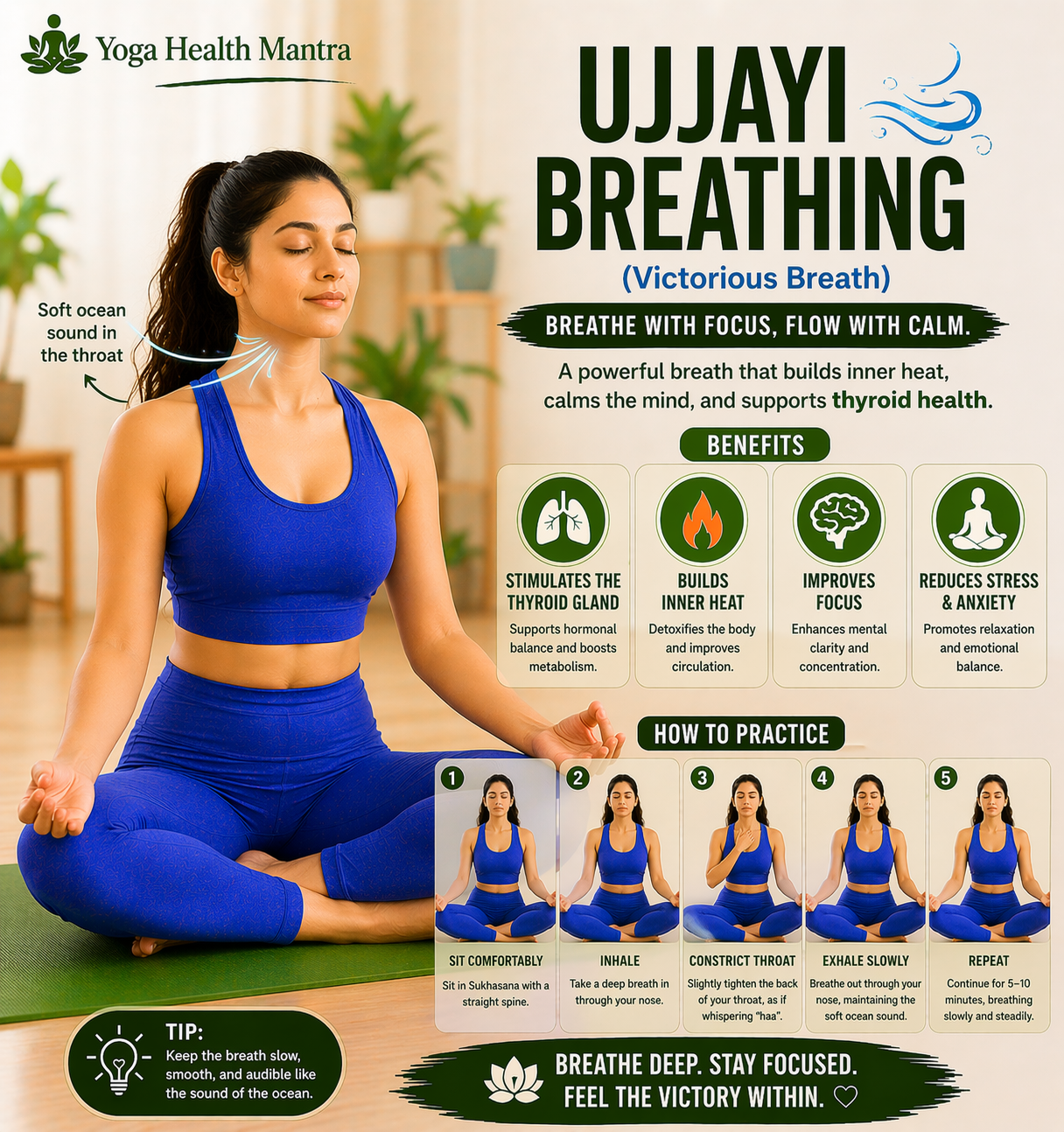
How to do:
- Sit comfortably with your spine straight and shoulders relaxed.
- Inhale slowly through your nose while gently constricting your throat.
- Exhale slowly through your nose, maintaining the same throat contraction.
- Allow a soft ocean-like sound to form with each breath.
Duration:
Practice for 3–5 minutes with slow and steady breathing.
Benefits:
- Improves focus and mental clarity
- Gently stimulates the throat region, supporting thyroid health
- Enhances breathing control and relaxation
Beginner Tips:
- Avoid straining your throat while breathing
- Keep your breath smooth, slow, and controlled
- Practice in a calm and quiet environment
Practicing pranayama regularly along with yoga poses can support overall well-being
and help maintain balance in both body and mind.
With consistent practice, Ujjayi breathing can promote relaxation, improve focus,
and create a supportive environment for maintaining healthy thyroid function naturally.
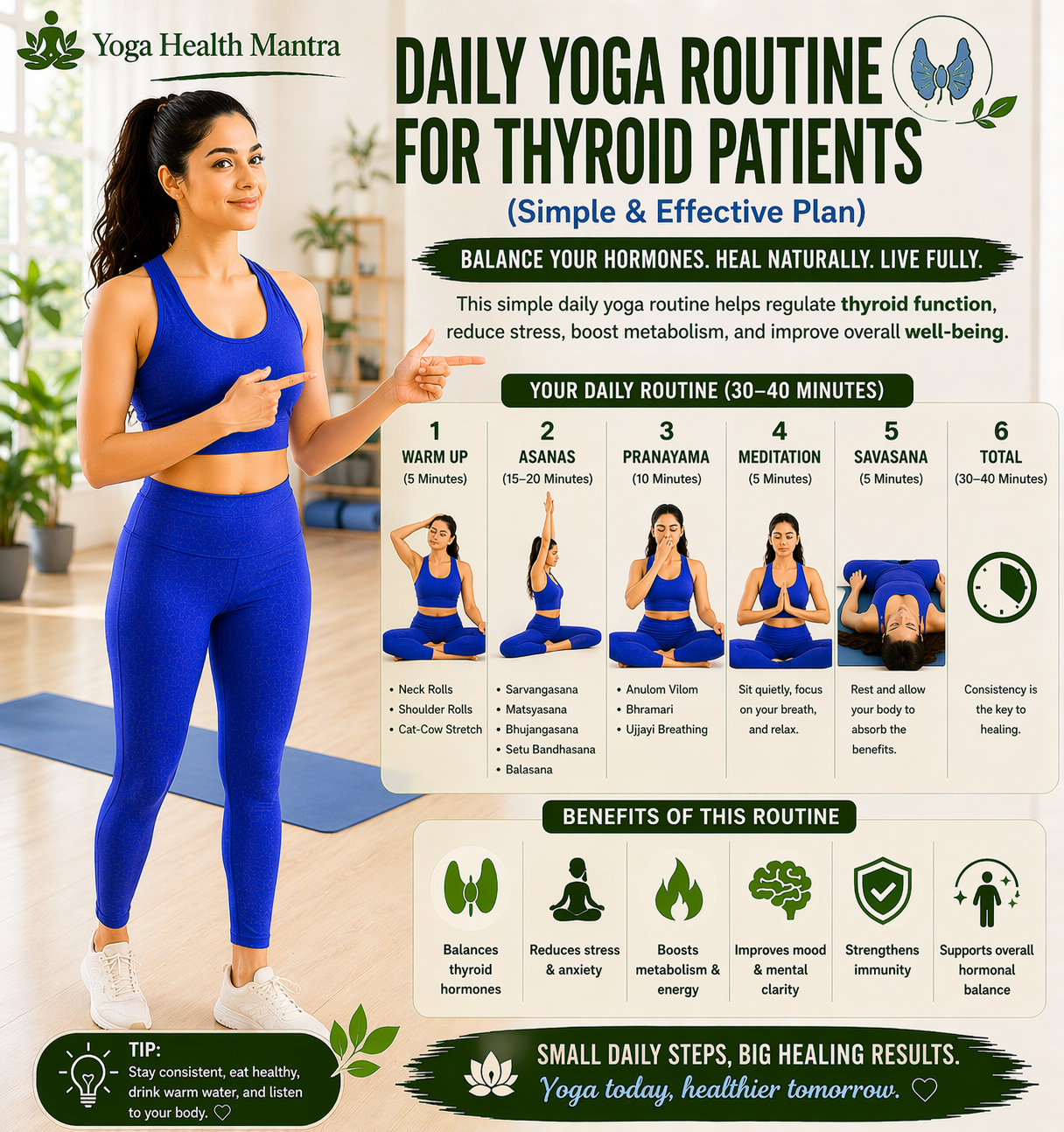
Daily Yoga Routine for Thyroid Patients (Simple & Effective Plan)
Following a simple daily routine can help you stay consistent and achieve better results in managing thyroid health.
This structured plan combines movement, breathing, and relaxation to support hormonal balance and reduce stress.
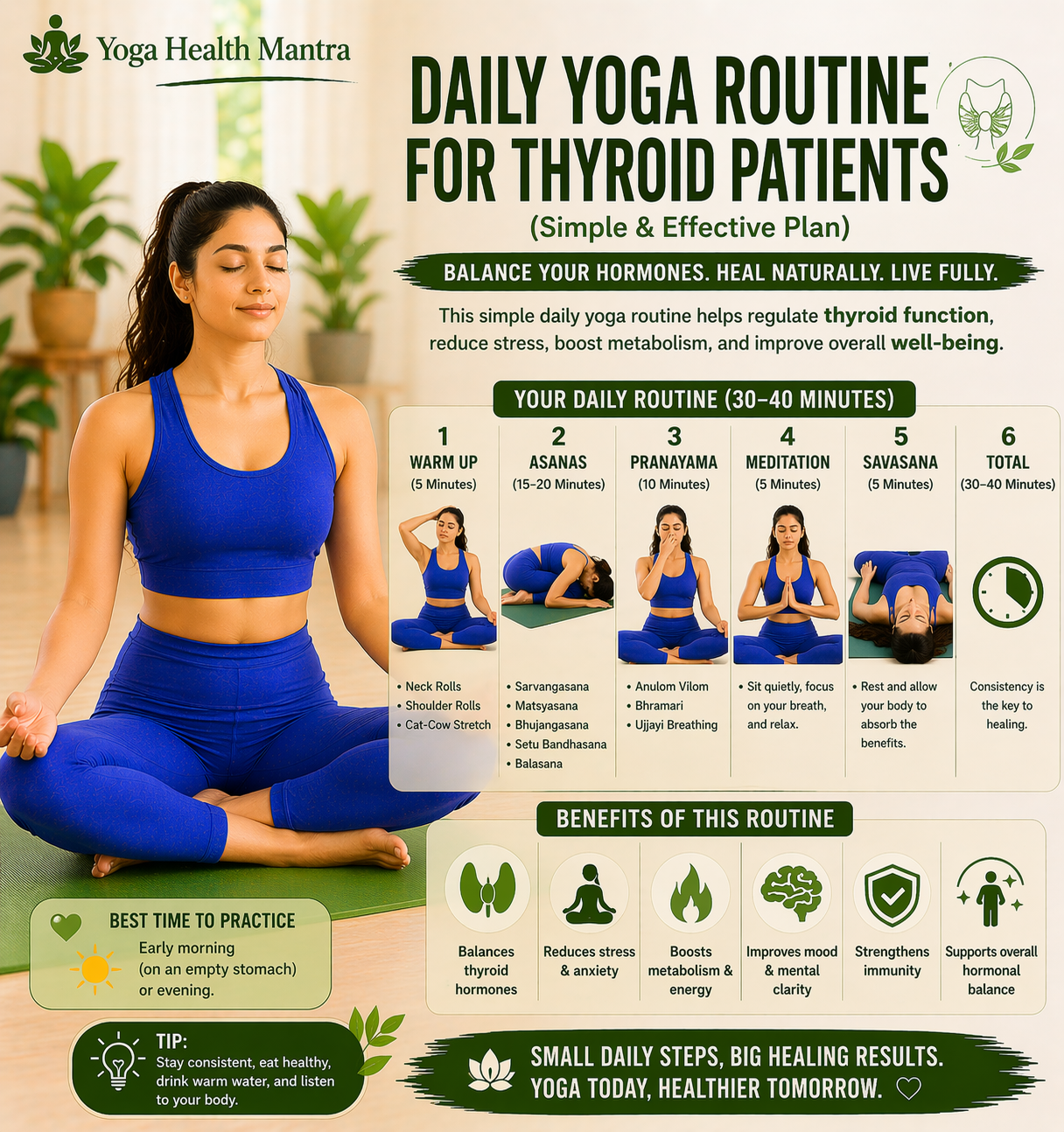
1. Warm-Up (5 Minutes)
Begin with light movements to prepare your body and prevent injury.
- Neck rotations (slow clockwise & anticlockwise)
- Shoulder rolls
- Arm stretching
- Light Cat–Cow movement
2. Yoga Poses (15–20 Minutes)
Practice thyroid-supporting yoga poses with slow and controlled breathing.
- Sarvangasana (20–30 seconds)
- Halasana (15–20 seconds)
- Matsyasana (20–30 seconds)
- Bhujangasana (20–30 seconds)
- Ustrasana (15–20 seconds)
- Setu Bandhasana (20–30 seconds)
3. Pranayama (10 Minutes)
- Anulom Vilom (5 minutes)
- Bhramari (4–5 rounds)
- Ujjayi Breathing (2–3 minutes)
4. Relaxation (5 Minutes)
- Lie down in Savasana
- Close your eyes and relax your body
- Focus on slow, natural breathing
Practicing this routine daily can help improve energy levels, reduce stress, and support thyroid health naturally.
Consistency is key — even a short routine followed regularly can bring noticeable improvements over time.
For better results, you can also follow a balanced diet plan along with yoga. Check out this
yoga diet plan for beginners
to support your overall health and metabolism.
Important Tips for Practicing Yoga with Thyroid
To get the best results from yoga and ensure safety, it is important to follow a few basic guidelines.
These tips help you practice correctly, avoid injuries, and build trust in your routine.
- Practice on an empty stomach – Always do yoga at least 3–4 hours after a meal.
Practicing on an empty stomach helps your body move comfortably and improves effectiveness. - Consult a doctor before starting – If you have a thyroid condition or any other
medical issue, it is important to take professional advice before beginning a new routine. - Avoid over-practice – Do not push your body too hard. Start slowly and increase
duration gradually. Overdoing yoga can lead to fatigue or injury instead of benefits. - Be careful during pregnancy – Some poses, especially inversion and deep backbends,
should be avoided during pregnancy unless practiced under expert supervision. - Maintain consistency – Regular practice is more effective than intense but irregular sessions.
- Listen to your body – If you feel pain, discomfort, or dizziness, stop immediately
and rest. Yoga should feel comfortable and controlled, not forced.
Following these simple tips will help you practice yoga safely and effectively while supporting your
thyroid health in a natural way.
Common Mistakes to Avoid in Thyroid Yoga Practice
While yoga is a safe and natural way to support thyroid health, certain common mistakes can reduce its effectiveness or even lead to discomfort. Being aware of these mistakes helps you practice more mindfully and achieve better results.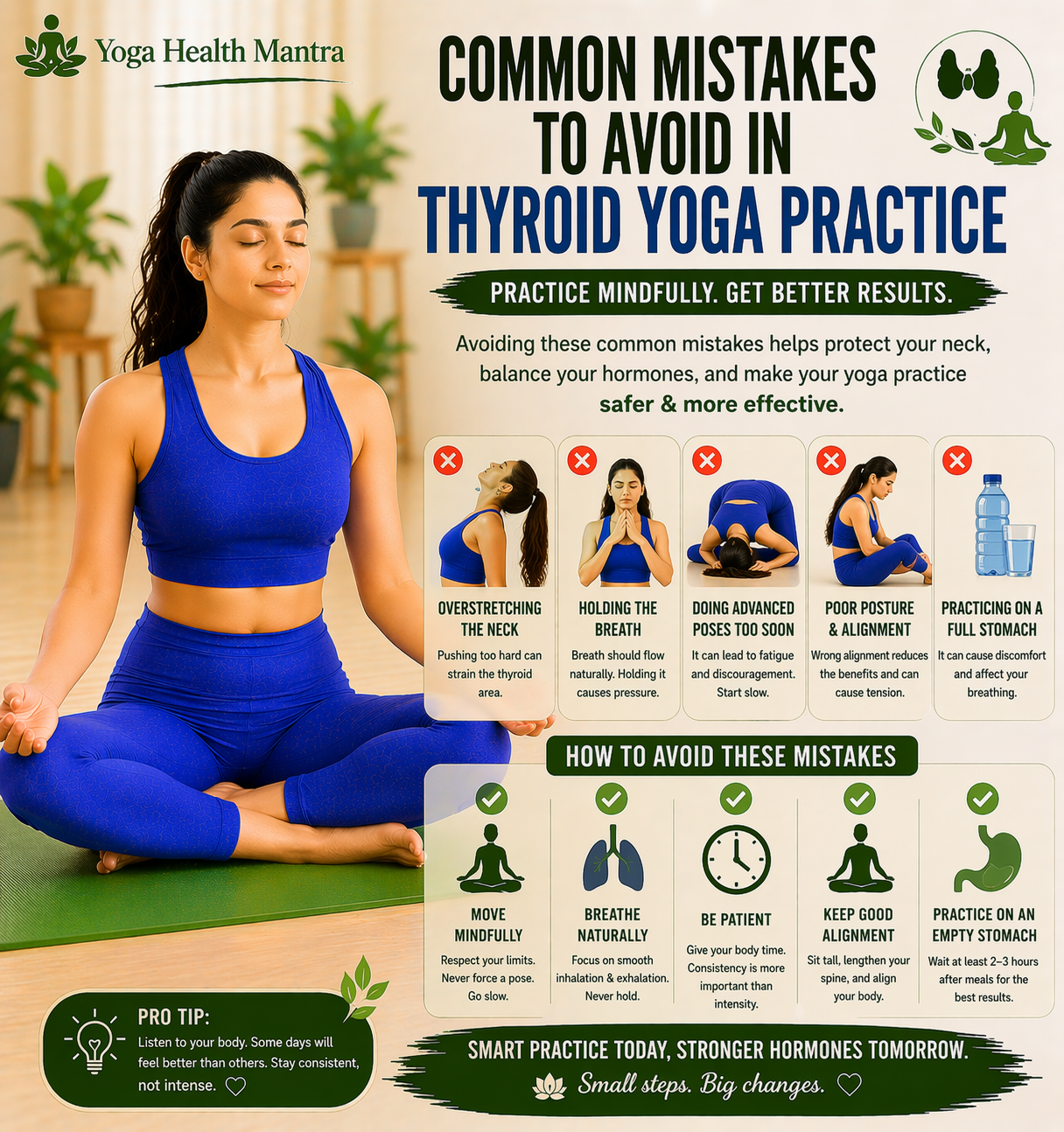
- Incorrect posture and alignment – Performing yoga poses with wrong form can reduce their benefits and increase the risk of injury. Always focus on proper alignment and controlled movement.
- Expecting quick results – Yoga works gradually. Many people expect instant changes, but thyroid balance takes time. Patience and regular practice are key.
- Lack of consistency – Practicing occasionally will not give effective results. Consistency is essential for improving hormonal balance and overall health. Following a daily yoga routine can help you stay on track.
- Skipping warm-up and relaxation – Jumping directly into advanced poses without warming up can strain your muscles. Similarly, skipping relaxation reduces the overall benefit of practice.
- Overstretching or forcing poses – Trying to push beyond your limit can lead to injuries. Always practice within your comfort zone and progress gradually.
Diet Tips for Thyroid Health
Along with yoga, maintaining a healthy and balanced diet is essential for supporting thyroid function.
What you eat directly affects your metabolism, energy levels, and hormonal balance. Simple dietary
changes can help improve overall well-being and support better thyroid management.

- Include iodine-rich foods – Iodine is important for thyroid hormone production.
Include foods like iodized salt, dairy products, eggs, and seafood (if suitable for your diet). - Avoid junk and processed food – Foods high in sugar, unhealthy fats, and preservatives
can negatively affect metabolism and overall health. Limiting junk food helps maintain better balance. - Follow a balanced diet – Include a mix of vegetables, fruits, whole grains, protein,
and healthy fats in your daily meals. A balanced diet supports overall hormonal stability. - Stay hydrated – Drinking enough water helps maintain proper body function and supports
metabolism. - Eat at regular intervals – Avoid skipping meals. Regular eating patterns help maintain
steady energy levels and metabolism.
Combining a healthy diet with regular yoga practice can improve your results significantly.
Making small but consistent changes in your diet can help support thyroid health naturally and improve your overall lifestyle.
Related Yoga Guides You May Find Helpful
To get the best results, it is important to follow a complete and balanced approach.
You can explore the following helpful guides to improve your routine and stay consistent:
- 7-Day Yoga Plan for Weight Loss
- Yoga Diet Plan for Beginners
- Yoga for Stress Relief
- Morning Yoga Routine for Better Energy
Trusted Medical References
For a better understanding of thyroid health from a medical perspective, you can refer to trusted sources like:
Conclusion
Managing thyroid health is not about quick fixes — it is about building a balanced and consistent lifestyle.
Yoga provides a natural and supportive way to improve blood circulation, reduce stress, and help maintain
hormonal balance over time.
By regularly practicing the right yoga poses, including simple breathing techniques, and following a healthy
routine, you can support your thyroid function in a safe and effective way. The key is to stay patient and
consistent rather than expecting immediate results.
Start with a simple routine, listen to your body, and gradually improve your practice. Even small daily efforts
can lead to noticeable improvements in energy, mood, and overall well-being.
If you stay committed to your routine, yoga can become a powerful natural tool to help manage thyroid conditions
and improve your quality of life in the long run.