1. Introduction
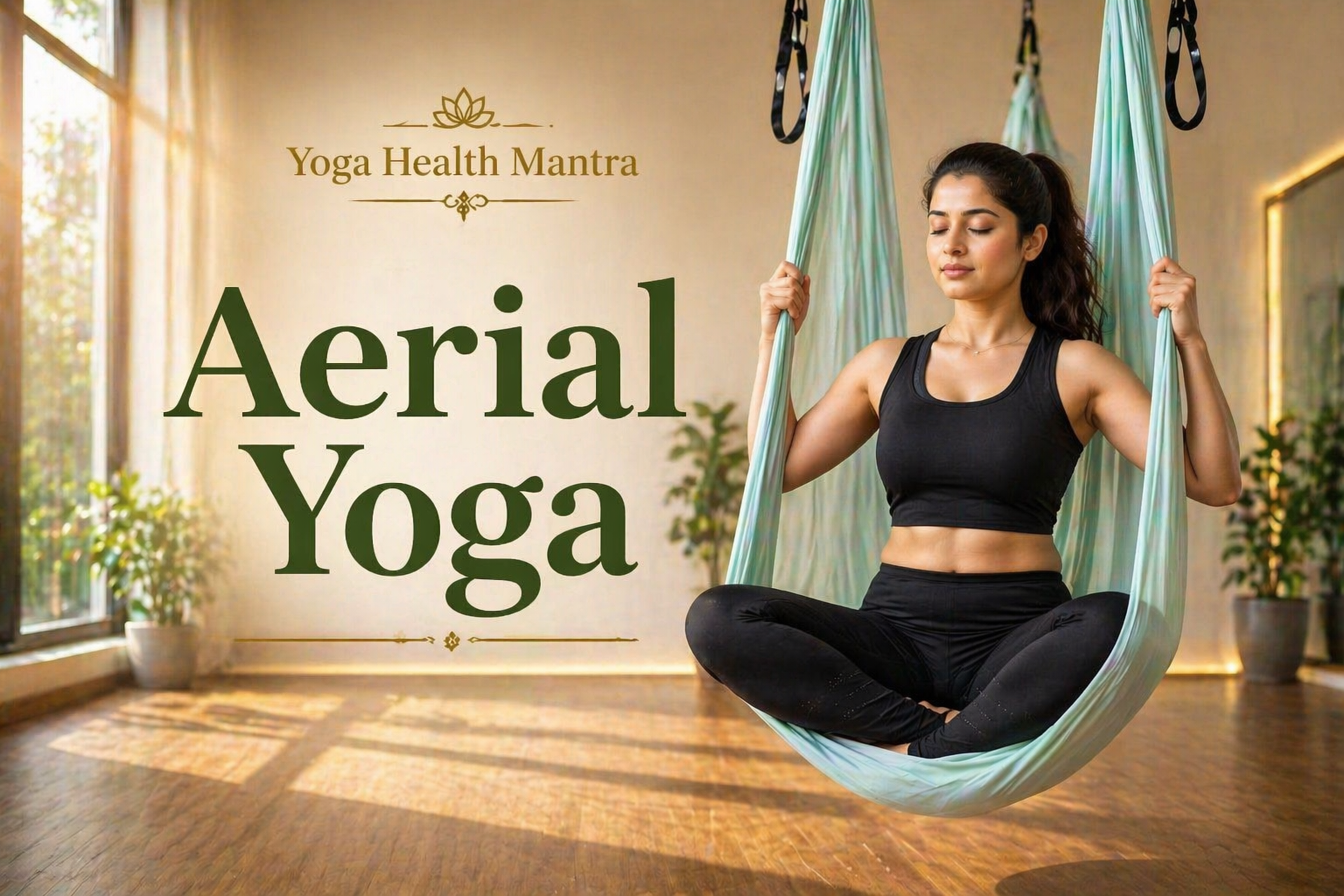
In recent years, aerial yoga has gained significant popularity as a modern and creative way to practice traditional yoga. Unlike regular yoga, this practice uses a soft fabric hammock suspended from the ceiling, allowing the body to move more freely and experience a sense of lightness during poses. For many beginners, aerial yoga feels less intimidating because the hammock provides support, making certain movements easier to perform.
One of the main reasons people are attracted to aerial yoga is its ability to combine flexibility, strength, and relaxation in a single practice. It helps reduce pressure on joints, improves body alignment, and allows deeper stretching without excessive strain. This makes it especially useful for individuals who want a low-impact yet effective workout.
Aerial yoga is not just about physical movement—it also supports mental well-being. Being suspended in the air can create a calming and almost meditative experience, helping to reduce stress and improve focus. Many practitioners find that combining aerial yoga with traditional practices like pranayama breathing techniques can further enhance relaxation and overall balance.
In this guide, you will learn what aerial yoga is, how it works, its key benefits, important safety tips, and simple ways beginners can start practicing it with confidence.
2. What Is Aerial Yoga?
Aerial yoga is a modern variation of traditional yoga that combines classic yoga poses with the support of a suspended fabric hammock. This soft sling is attached securely to the ceiling and is designed to hold the body’s weight, allowing practitioners to perform movements both on the ground and in the air.
Unlike regular yoga, where most poses are performed on a mat, aerial yoga introduces an element of suspension. This support reduces pressure on joints and the spine, making it easier to stretch deeply and maintain proper alignment. For beginners, the hammock acts as a safety support, helping them feel more confident while trying new poses.
Another unique aspect of aerial yoga is the ability to perform inverted poses more safely. Inversions, where the body is positioned upside down, are often challenging in traditional yoga. However, with the hammock providing support, these movements become more accessible and less stressful on the body.
If you are already familiar with basic yoga concepts, understanding aerial yoga becomes even easier. You can explore foundational movements and posture basics in our beginner-friendly yoga poses guide, which helps build a strong base before trying advanced variations.
In simple terms, aerial yoga blends movement, support, and balance into a single practice, making it both engaging and effective for people of different fitness levels.
3. Aerial Yoga vs Traditional Yoga
While both aerial yoga and traditional yoga share the same goal of improving physical and mental well-being, the way they are practiced is quite different. Understanding these differences can help you decide which approach suits your body and comfort level better.
In traditional yoga, all poses are performed on a mat using your own body strength and balance. This helps build stability, control, and body awareness over time. In contrast, aerial yoga uses a suspended hammock to support the body, which reduces strain on joints and allows deeper stretching with less pressure.
One of the key differences lies in spinal support. Aerial yoga allows the body to hang freely, which can help reduce tension and improve posture. Traditional yoga, on the other hand, focuses more on controlled movements and alignment to achieve similar results.
Another important factor is difficulty level. Traditional yoga can sometimes feel challenging for beginners, especially when flexibility is limited. Aerial yoga may feel easier in certain poses because the hammock provides support. However, it also introduces a new level of balance and coordination that requires practice.
If you want to understand how traditional yoga builds a strong foundation, you can explore our detailed guide on what yoga is and how it works, which explains the core principles in a simple and beginner-friendly way.
In the end, both aerial and traditional yoga have their own advantages. Choosing between them depends on your comfort level, goals, and how your body responds to different types of movement.
4. Benefits of Aerial Yoga
Aerial yoga offers a unique combination of strength, flexibility, and relaxation, making it more than just a fitness trend. By using a suspended hammock, this practice allows the body to move in ways that are not always possible in traditional yoga, leading to a wide range of physical and mental benefits.
One of the most noticeable benefits is improved flexibility. The hammock supports the body’s weight, allowing deeper stretches without putting excessive strain on muscles or joints. Over time, this can help increase mobility and reduce stiffness, especially for beginners who may find traditional stretching difficult.
Aerial yoga also helps strengthen core muscles. Many poses require balance and control while suspended in the air, which naturally engages the core, back, and stabilizing muscles. This can improve posture and overall body strength with regular practice.
Another important benefit is spinal decompression. Hanging in the hammock allows the spine to gently stretch, which may help relieve tension caused by long hours of sitting or poor posture. If you are already working on posture improvement, combining this practice with a back pain relief yoga routine can further support better alignment and comfort.
In addition to physical benefits, aerial yoga plays a strong role in stress reduction. The gentle swinging motion and feeling of being supported can calm the nervous system and create a sense of relaxation. This makes it helpful for managing daily stress and improving overall mental well-being.
Overall, aerial yoga provides a balanced approach to fitness by combining movement, support, and relaxation, making it suitable for a wide range of individuals looking to improve both physical and mental health.
5. Safety Tips for Aerial Yoga (Who Should Be Careful)
While aerial yoga can be a safe and enjoyable practice, it is important to approach it with proper awareness and caution, especially if you are a beginner. Since the body is supported by a suspended hammock, maintaining balance and control becomes essential to avoid unnecessary strain or discomfort.
One of the first things to ensure is proper setup. The hammock must be securely attached to a strong ceiling support or professional rigging system. Practicing in a certified studio or under the guidance of a trained instructor can significantly reduce the risk of injury, particularly when you are learning the basics.
Beginners should always start with simple poses and avoid complex inversions in the beginning. Moving slowly and listening to your body is key. If you feel dizziness, discomfort, or strain, it is important to stop immediately and rest.
Certain individuals may need to be more cautious with aerial yoga. People with conditions such as high blood pressure, recent injuries, glaucoma, or severe back issues should consult a healthcare professional before trying inverted poses. In such cases, starting with gentle and grounded practices like a basic morning yoga routine can be a safer way to build strength and flexibility gradually.
Using appropriate clothing is also important. Wearing fitted, comfortable clothes helps prevent slipping and allows better grip on the hammock. Avoid loose or overly slippery fabrics that may affect stability during movement.
From a general safety perspective, proper guidance and gradual progression are essential in any form of physical activity. Practicing with correct technique, starting slowly, and understanding personal limitations can help prevent injuries and ensure a safer experience.
By following these safety tips, aerial yoga can be practiced in a controlled and supportive way, allowing you to enjoy its benefits while minimizing risks.
6. How to Start Aerial Yoga (Beginner Guide)
Starting aerial yoga may feel challenging at first, but with the right approach, it becomes an enjoyable and rewarding experience. The key is to begin slowly, focus on basic movements, and build confidence step by step rather than trying advanced poses immediately.
The first step is choosing the right environment. If possible, start in a professional yoga studio where trained instructors can guide you through proper techniques and safety practices. This helps you understand how to use the hammock correctly and avoid common beginner mistakes.
Before moving into aerial poses, it is helpful to build a basic understanding of body movement and flexibility. Practicing simple yoga routines on the mat can prepare your body for aerial movements. You can explore our daily yoga routine for beginners to create a strong foundation before transitioning into aerial yoga.
When starting, focus on beginner-friendly poses such as supported sitting, gentle stretches, and light inversions. These movements help you get comfortable with the hammock and improve balance without putting too much pressure on your body.
It is also important to pay attention to breathing. Controlled and steady breathing helps maintain balance and reduces fear while performing suspended movements. Staying calm and relaxed allows your body to adapt more naturally to the practice.
If you plan to practice at home, ensure that the hammock is installed properly using safe and durable equipment. Learning correct setup and posture is essential to prevent injuries. Beginners should always focus on proper form, controlled movement, and gradual progression to avoid unnecessary strain.
With patience and consistency, aerial yoga can become a safe and effective part of your routine. Starting with the basics and progressing slowly will help you build strength, confidence, and flexibility over time.
7. Best Aerial Yoga Poses for Beginners
When starting aerial yoga, choosing the right poses is important to build confidence and avoid unnecessary strain. Beginner-friendly poses focus on balance, gentle stretching, and controlled movement rather than complex inversions.
Here are some simple aerial yoga poses that beginners can practice safely:
1. Aerial Seated Pose
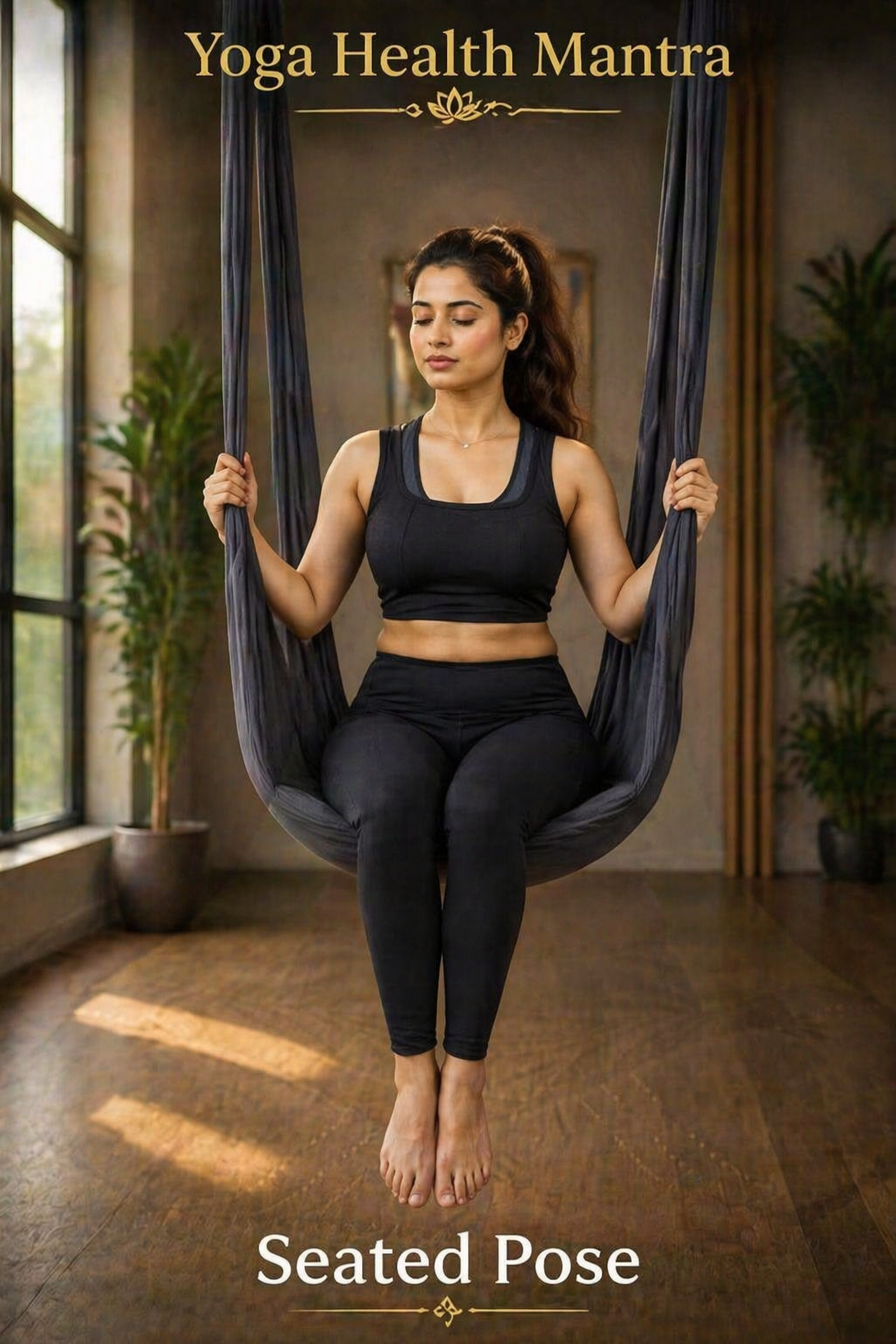
- Sit comfortably in the hammock with support under your hips
- Keep your spine straight and shoulders relaxed
- Hold the fabric lightly for balance
- Breathe slowly and stay stable
2. Supported Forward Fold
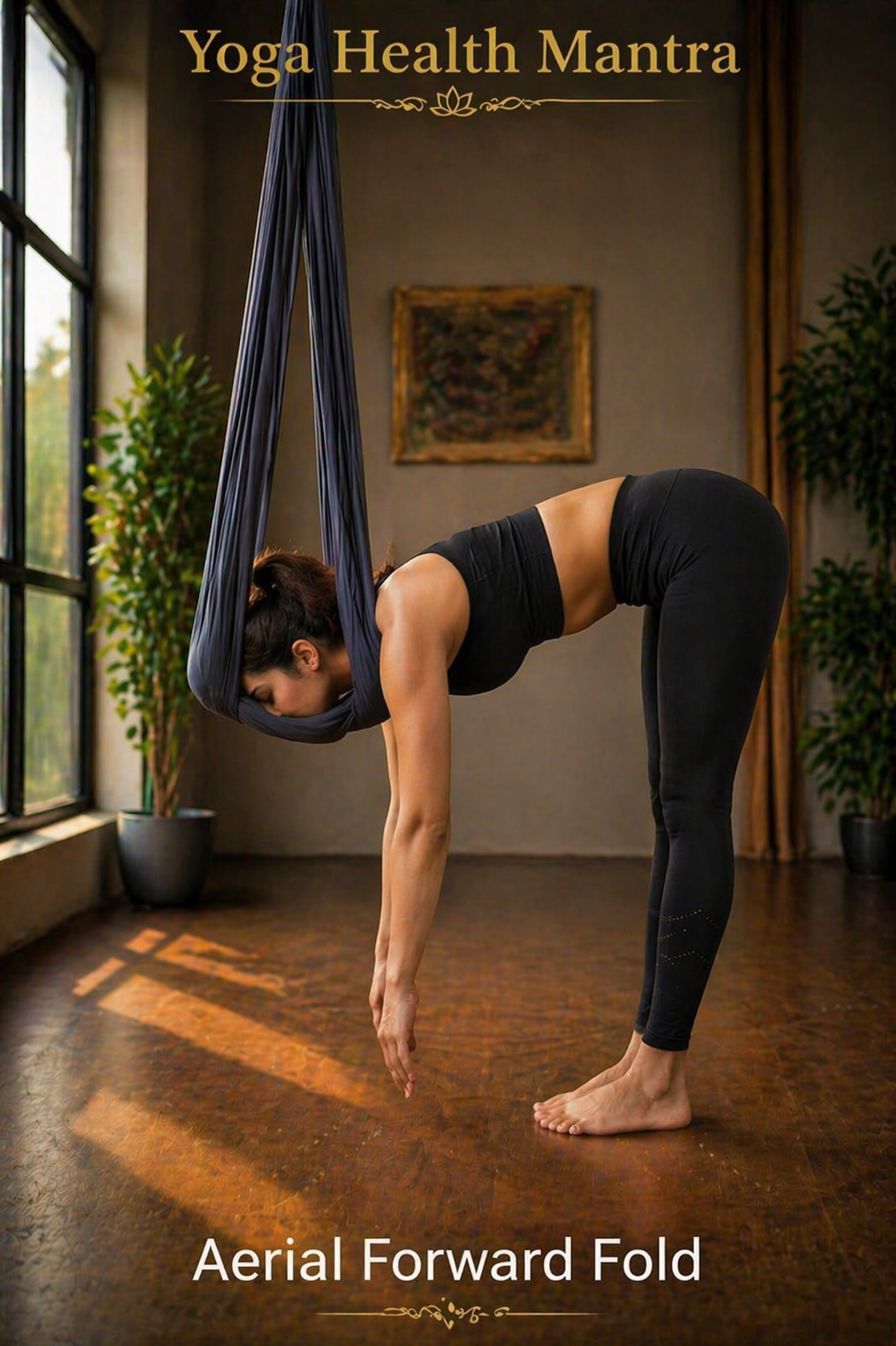
- Stand in front of the hammock and lean forward
- Let the hammock support your upper body
- Allow your back and shoulders to relax
- Hold the position for a few breaths
3. Aerial Plank (Supported)
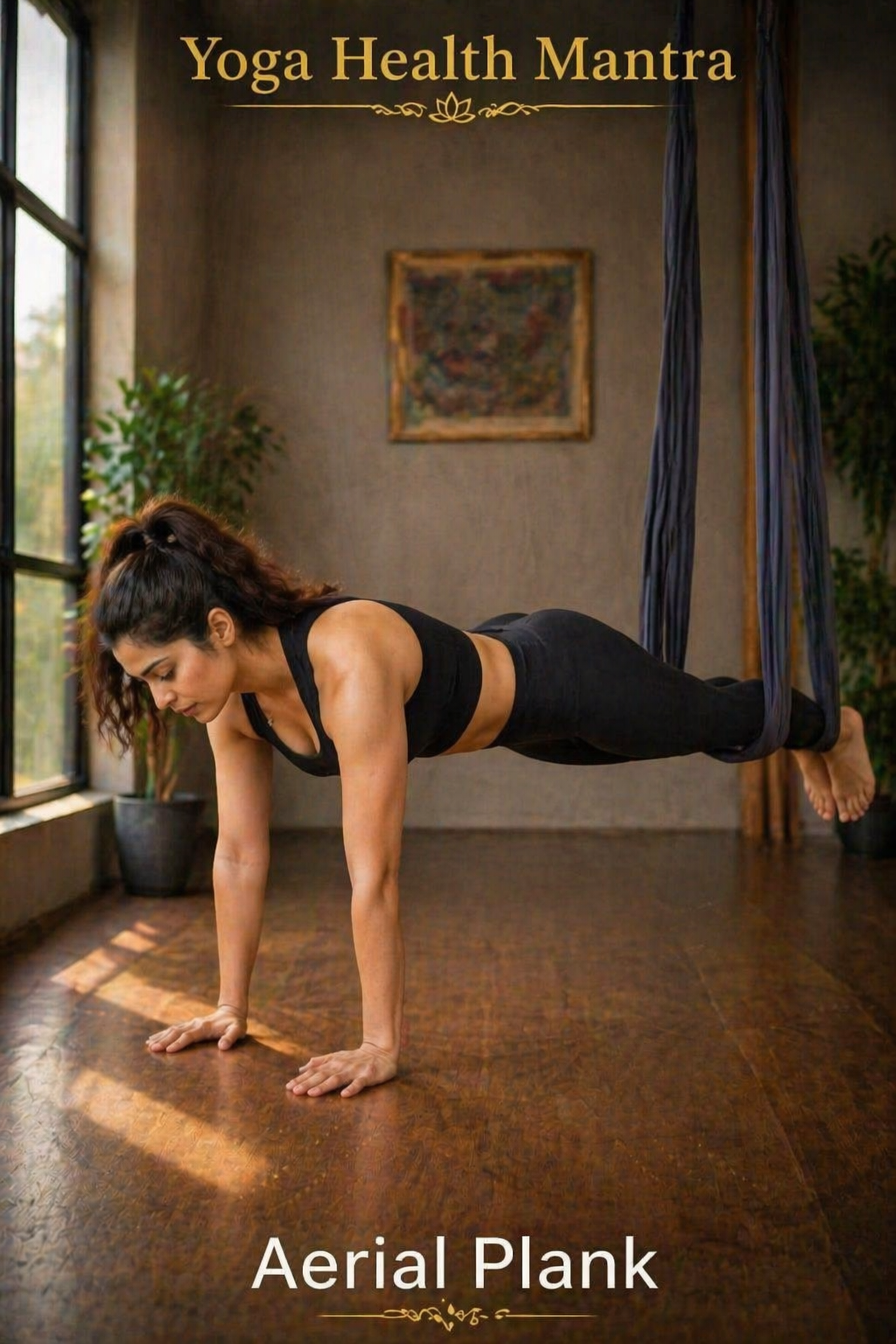
- Place your feet in the hammock
- Keep your hands on the floor
- Maintain a straight body line
- Engage your core muscles
4. Gentle Inversion (Beginner)
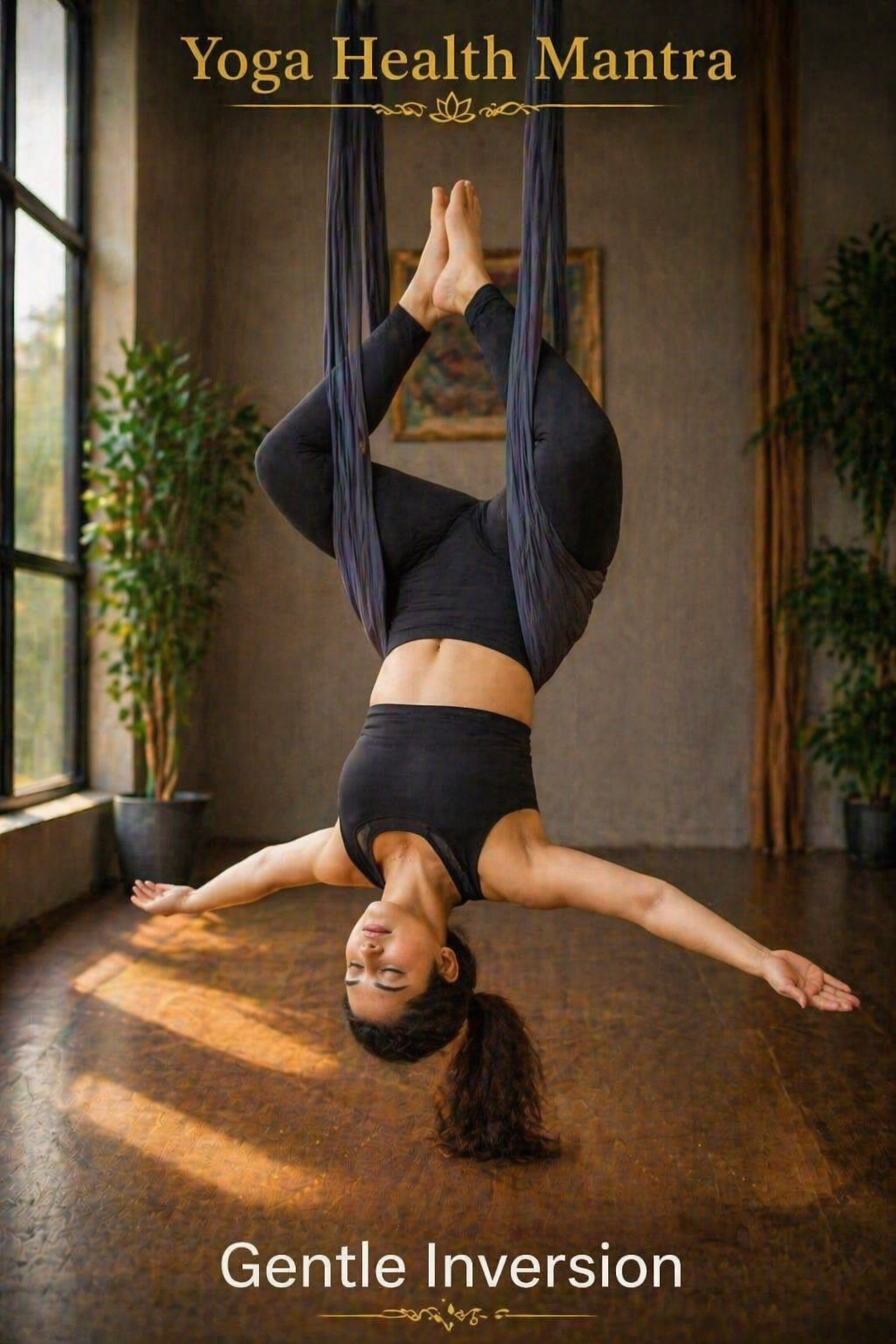
- Sit in the hammock and slowly lean back
- Allow your legs to lift slightly
- Keep movements slow and controlled
- Avoid forcing the position
5. Aerial Relaxation Pose (Savasana in Hammock)
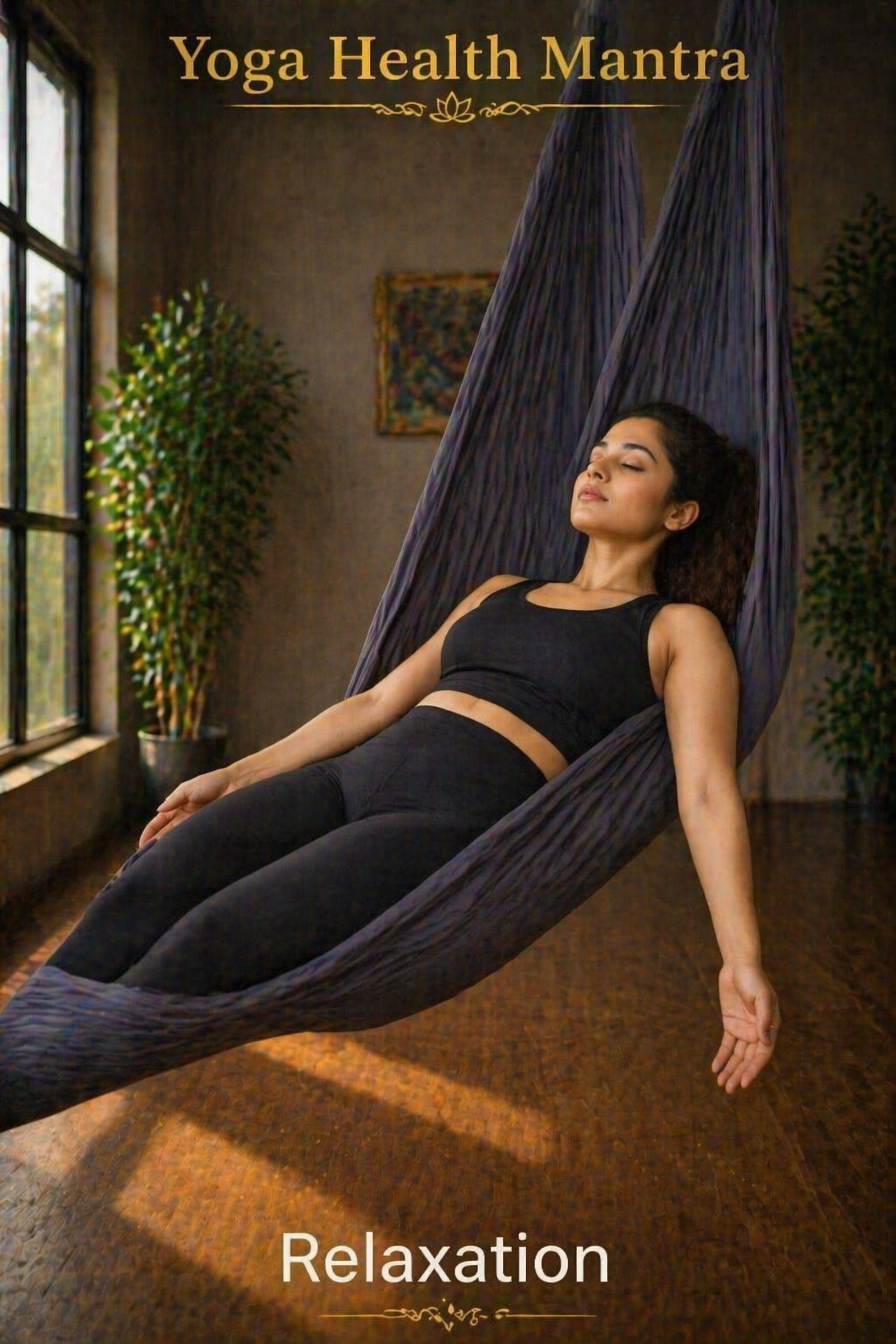
- Lie comfortably inside the hammock with full body support
- Keep your arms relaxed by your sides
- Close your eyes and focus on your breathing
- Allow your body to completely relax
The aerial relaxation pose is one of the most calming and essential parts of the practice. The gentle support of the hammock allows your body to release tension naturally, while the slight swinging motion helps calm the mind and promote deep relaxation.
This pose is especially beneficial after performing active movements, as it helps relax muscles, reduce fatigue, and improve mental clarity. With regular practice, it can also support better sleep and overall stress management.
For beginners, combining aerial yoga with simple mat-based exercises can make the transition smoother and more comfortable. You can explore our yoga techniques for stress relief to enhance relaxation and breathing awareness alongside aerial practice.
It is important to focus on proper form rather than trying to perform advanced poses too quickly. Starting with simple movements and progressing gradually allows your body to adapt safely and reduces the risk of strain or injury.
With consistent practice, these beginner-friendly poses can help you build confidence and prepare your body for more advanced aerial yoga movements while keeping the experience safe and enjoyable.
8. Aerial Yoga Equipment & Home Setup
To practice aerial yoga safely and effectively, having the right equipment is essential. The most important element is the aerial hammock, which is a strong, stretch-resistant fabric designed to support your body weight during different poses and movements.
A good-quality hammock should be made from durable material such as nylon or silk blend fabric, with secure attachments like carabiners and ceiling mounts. The setup must be strong enough to hold your weight comfortably without any risk of slipping or imbalance.
If you are planning to practice at home, proper installation is the most critical factor. The hammock should be fixed to a solid ceiling beam or a professional rigging point. Avoid attaching it to weak structures, as this can lead to serious safety risks. Beginners are always advised to learn basic techniques in a studio before setting up at home.
In addition to the hammock, wearing the right clothing can improve safety and comfort. Fitted clothes that cover the legs and arms help prevent skin irritation and provide better grip during movements.
Before setting up your own practice space, it is helpful to have a basic understanding of body alignment and movement control. This helps you maintain stability, improve posture, and reduce the chances of making common beginner mistakes during practice.
From a safety standpoint, using proper equipment and correct installation methods is essential. Ensuring strong support, proper setup, and careful usage can help prevent accidents and create a safe environment for practice.
By investing in the right equipment and following safe setup practices, aerial yoga can be performed comfortably at home while maintaining both safety and effectiveness.
9. Can You Do Aerial Yoga at Home?
Aerial yoga can be practiced at home, but it requires proper preparation, awareness, and a strong focus on safety. Unlike traditional yoga, where most poses are performed on a mat, aerial yoga involves suspension. This makes correct setup and body control essential before starting a home practice.
For beginners, it is always recommended to start in a professional studio. Learning under the guidance of an instructor helps you understand how to use the hammock correctly, maintain balance, and perform movements safely. Once you gain basic confidence and familiarity, transitioning to home practice becomes much easier.
If you plan to practice at home, the first priority should be proper installation. The hammock must be securely attached to a strong ceiling beam or a reliable mounting system. Using weak structures or improper installation can increase the risk of injury, especially during inverted movements.
Creating a safe practice space is equally important. Make sure there is enough open space around the hammock so you can move freely without hitting walls or objects. A clean and uncluttered environment helps improve focus and reduces distractions during practice.
Before starting aerial yoga at home, it is helpful to build basic strength, flexibility, and body awareness. You can explore our daily yoga routine for beginners to develop a strong foundation and improve control before moving into suspended poses.
It is also important to practice gradually. Start with simple poses and avoid advanced movements until you feel fully comfortable. Listening to your body and maintaining proper form will help you stay safe while progressing at your own pace.
In summary, aerial yoga at home is possible, but it should be approached with care, preparation, and consistency. With the right setup and a gradual learning approach, you can create a safe and effective home practice environment.
10. Conclusion
Aerial yoga is more than just a modern fitness trend—it is a unique practice that combines movement, balance, and relaxation in a way that feels both effective and enjoyable. By using a supportive hammock, it allows the body to move freely, reduce strain on joints, and explore new ranges of motion that may not always be possible in traditional yoga.
For beginners, the key is to start slowly and focus on building a strong foundation. Learning basic poses, understanding body alignment, and practicing under guidance can make the experience safer and more comfortable. Over time, this gradual approach helps improve flexibility, strength, and overall body awareness.
Consistency plays an important role in seeing results. Even practicing for a short duration regularly can create noticeable improvements in balance, posture, and mental relaxation. To build a consistent and sustainable habit, you can explore our daily yoga routine for beginners, which helps create a structured and easy-to-follow practice.
In the end, aerial yoga offers a balanced approach to fitness that supports both the body and the mind. With the right guidance, proper setup, and consistent practice, it can become a valuable part of a healthy and active lifestyle.
11. Frequently Asked Questions (FAQs)
1. Is aerial yoga safe for beginners?
Yes, aerial yoga can be safe for beginners when practiced under proper guidance. Starting with simple poses and learning from a trained instructor helps reduce the risk of injury.
2. Do I need flexibility to start aerial yoga?
No, you do not need advanced flexibility to begin. The hammock provides support, making it easier to perform stretches and gradually improve flexibility over time.
3. Can I do aerial yoga at home?
Yes, aerial yoga can be practiced at home, but only with proper setup and safety measures. Beginners are advised to first learn in a professional studio before starting home practice.
4. What are the main benefits of aerial yoga?
Aerial yoga helps improve flexibility, strengthen core muscles, relieve spinal tension, and reduce stress, making it a balanced practice for both body and mind.
5. How often should I practice aerial yoga?
Beginners can start with 2–3 sessions per week. Consistent practice helps improve strength, balance, and overall body control gradually.