


1. Introduction
PCOS (Polycystic Ovary Syndrome) and PCOD have become increasingly common among women today, especially due to rising stress levels, unhealthy food habits, poor sleep, and a lack of regular physical activity. Many women struggle with irregular periods, weight gain, acne, mood changes, or low energy without realizing that these symptoms may be connected to a deeper hormonal imbalance.
While medical care remains important, many women also look for supportive lifestyle practices that can help them manage their symptoms more naturally. Yoga is often considered one of the most helpful approaches because it does not focus only on physical movement. It also supports stress reduction, breathing control, and overall balance in the body, which can be especially valuable when hormonal health is affected. Since stress is one of the common factors that may worsen hormonal imbalance, practices that calm the nervous system can play an important role, as also discussed in our guide on yoga for stress relief and emotional balance.
This is also why lifestyle support is often mentioned in trusted medical guidance for PCOS. According to the NHS guidance on PCOS, symptom management often includes healthy lifestyle changes such as regular physical activity and weight management, both of which can make a meaningful difference over time.
In this article, we will explore how yoga may support women dealing with PCOS/PCOD through gentle movement, mindful breathing, and sustainable daily habits. We will also look at practical yoga poses, simple lifestyle tips, and a beginner-friendly approach that can be followed at home.
2. What Is PCOS/PCOD?
PCOS (Polycystic Ovary Syndrome) and PCOD (Polycystic Ovarian Disease) are common hormonal conditions that affect women of reproductive age. These conditions occur when there is an imbalance in the body’s hormones, which can impact the ovaries and overall metabolic health. As a result, the ovaries may not function normally, leading to irregular or missed periods, difficulty in ovulation, and other noticeable changes in the body.
Although the terms PCOS and PCOD are often used interchangeably, there is a slight difference. PCOD is generally considered a condition where the ovaries release immature or partially mature eggs, while PCOS is a more complex hormonal disorder that may also involve higher levels of androgens (male hormones) in women. However, in everyday understanding, both conditions are associated with similar symptoms and lifestyle challenges.
Some of the most common symptoms include irregular menstrual cycles, unexplained weight gain, acne, hair thinning, and increased facial hair. These symptoms are often linked to deeper issues such as insulin resistance and hormonal imbalance, which can also affect energy levels and emotional well-being. Managing these symptoms through consistent lifestyle habits becomes important, especially when supported by simple and sustainable practices like easy yoga poses for beginners that gently introduce movement into the daily routine.
From a medical perspective, PCOS is recognized as a long-term condition that requires proper awareness and management rather than quick fixes. According to the Mayo Clinic overview of PCOS symptoms and causes, factors such as insulin resistance, inflammation, and hormonal imbalance play a significant role in its development, which is why a balanced lifestyle approach is often recommended.
Understanding PCOS/PCOD clearly is the first step toward managing it effectively. Once you recognize how it affects your body, it becomes easier to choose the right combination of yoga, breathing practices, and daily habits that can support long-term well-being.
3. What Causes PCOS/PCOD? Understanding the Root Factors
PCOS/PCOD does not develop because of a single reason. Instead, it is usually the result of multiple internal and lifestyle-related factors working together over time. Understanding these root causes is important because it helps you focus on long-term management rather than looking for quick solutions.
One of the most common underlying factors is hormonal imbalance. In many cases, women with PCOS have higher levels of androgens (male hormones), which can interfere with the normal functioning of the ovaries. This imbalance may lead to irregular ovulation, missed periods, and symptoms like acne or unwanted hair growth.
Another major contributor is insulin resistance. This happens when the body’s cells do not respond properly to insulin, causing the body to produce more of it. Higher insulin levels can increase androgen production, which further worsens hormonal imbalance. Over time, this can also make weight management more difficult, which is why many women with PCOS experience gradual weight gain. Following a balanced lifestyle that includes mindful movement and nutrition, such as the approach explained in our yoga-based diet and lifestyle guide, can help support better metabolic health.
Stress is another important factor that is often overlooked. When the body is under constant stress, it produces higher levels of cortisol, a hormone that can disrupt overall hormonal balance. This can indirectly affect menstrual cycles, sleep patterns, and energy levels. Managing stress through relaxation techniques, breathing practices, and gentle yoga can play a supportive role in maintaining internal balance.
In addition to these factors, genetics and low-grade inflammation may also contribute to the development of PCOS. According to the NCBI overview on PCOS pathophysiology, insulin resistance, hormonal changes, and inflammatory responses are closely interconnected, which is why a holistic lifestyle approach is often recommended for better long-term management.
By understanding these root causes, it becomes easier to see why a combination of yoga, proper diet, and stress management can be more effective than focusing on just one aspect alone.
4. How Yoga Helps in PCOS/PCOD: A Natural Support System
Yoga is not just a physical practice—it works on the deeper connection between the body, mind, and hormones. For women dealing with PCOS/PCOD, this holistic approach can be especially helpful because the condition itself is influenced by multiple factors such as stress, metabolism, and hormonal imbalance. Instead of targeting only one symptom, yoga supports the body in a more balanced and sustainable way.
One of the most important benefits of yoga is its ability to reduce stress levels. When the body is under constant stress, cortisol levels increase, which can disrupt hormonal balance and worsen PCOS symptoms. Gentle yoga practices, along with breathing techniques and relaxation, help calm the nervous system and bring the body into a more balanced state. This is why many women also find improvement when combining yoga with structured relaxation practices like an evening yoga routine for relaxation and better sleep.
Yoga also supports better metabolism and insulin sensitivity. Regular movement helps the body use glucose more effectively, which can be beneficial for women experiencing insulin resistance. Over time, this may contribute to improved energy levels, better weight management, and overall metabolic health.
Another key benefit is improved blood circulation and hormonal regulation. Certain yoga poses gently stimulate the abdominal and pelvic region, which may support better functioning of the reproductive organs. While yoga is not a medical treatment, it can act as a supportive practice that works alongside a healthy lifestyle.
Scientific studies have also explored the role of yoga in managing PCOS symptoms. Research published in the Journal of Clinical and Diagnostic Research suggests that regular yoga practice may help improve hormonal balance, reduce stress, and support metabolic function in women with PCOS when practiced consistently.
Overall, yoga offers a gentle yet effective way to support the body naturally. When practiced regularly with patience and consistency, it can become a valuable part of a long-term lifestyle approach for managing PCOS/PCOD.
5. Best Yoga Poses for PCOS/PCOD (Step-by-Step Guide)
Practicing the right yoga poses regularly can help support hormonal balance, improve blood circulation, and reduce stress—all of which are important for managing PCOS/PCOD. The key is to focus on gentle, consistent practice rather than intense or forced movements. Below are some beginner-friendly and effective yoga poses that can be included in your daily routine.
1. Baddha Konasana (Butterfly Pose)
This pose gently opens the pelvic region and may help improve blood flow to the reproductive organs. It is also known for its calming effect on the body.
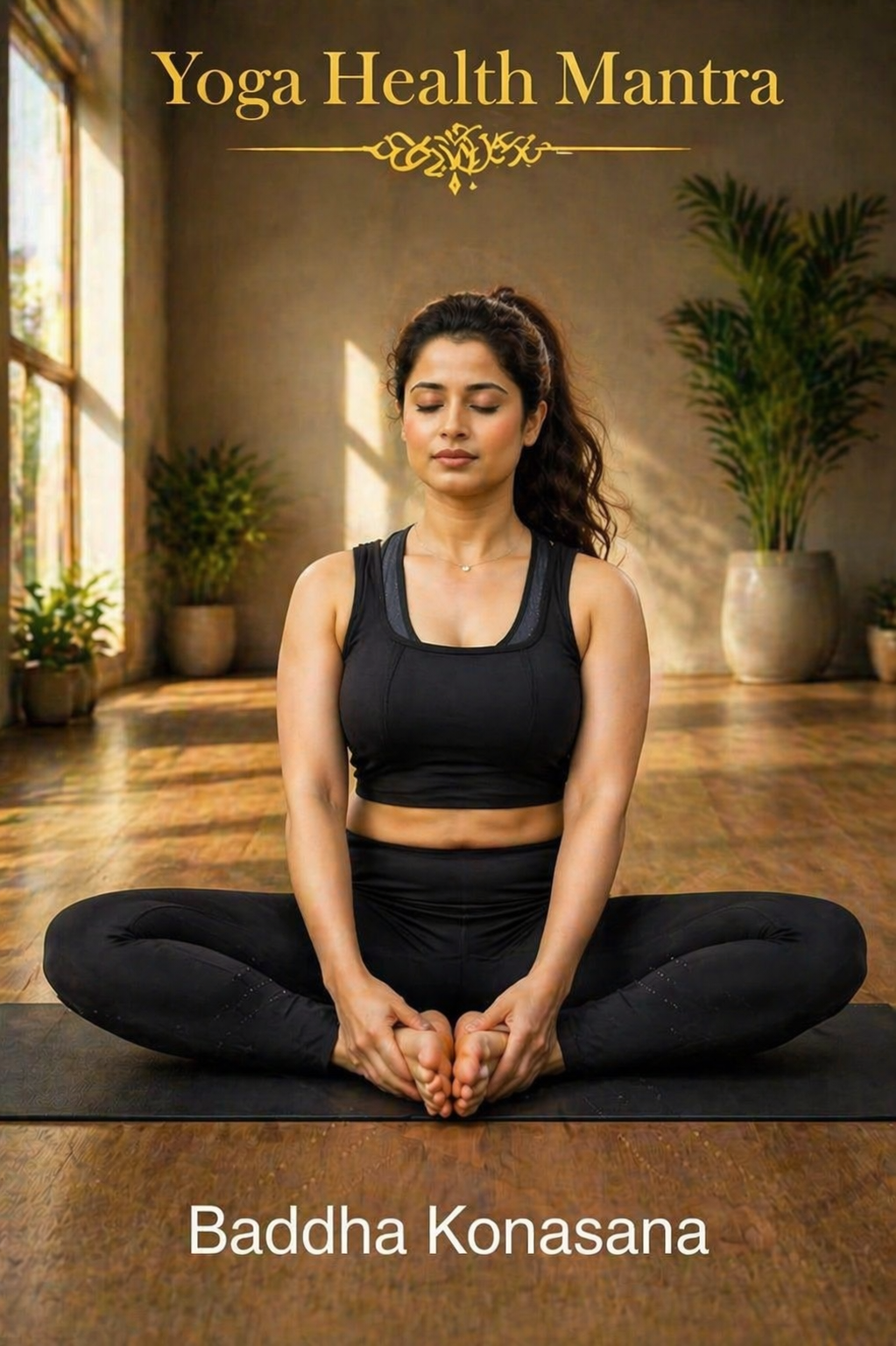
- Sit with your spine straight
- Bring the soles of your feet together
- Hold your feet and gently move your knees up and down
- Breathe slowly and stay relaxed
2. Bhujangasana (Cobra Pose)
Bhujangasana helps stretch the abdominal area and may support better functioning of internal organs. It can also help reduce fatigue and improve posture.
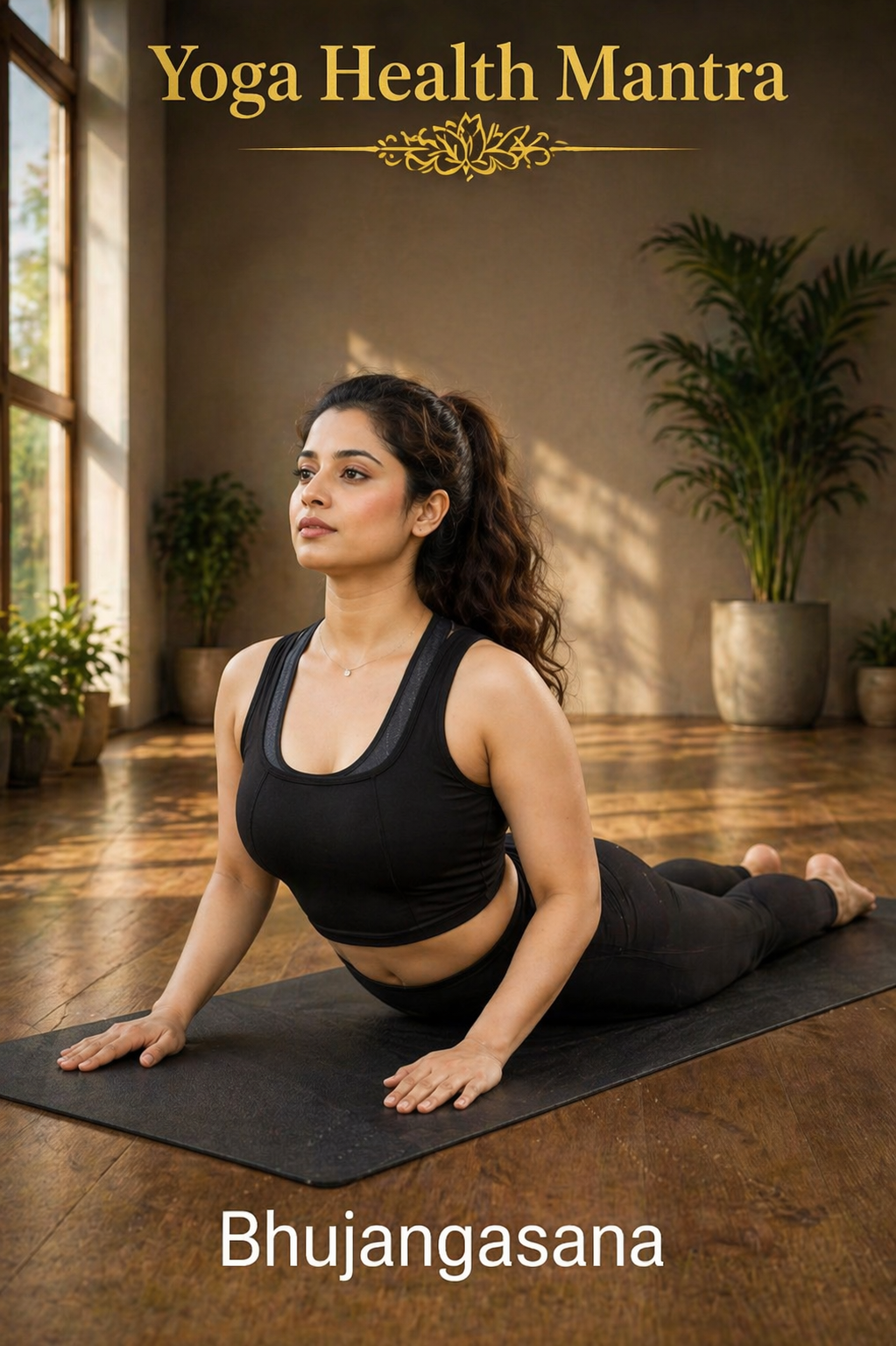
- Lie on your stomach with legs extended
- Place your palms under your shoulders
- Slowly lift your chest upward
- Keep your shoulders relaxed and gaze forward
3. Setu Bandhasana (Bridge Pose)
This pose activates the pelvic and abdominal muscles while also supporting blood circulation. It is often included in routines that focus on hormonal balance.
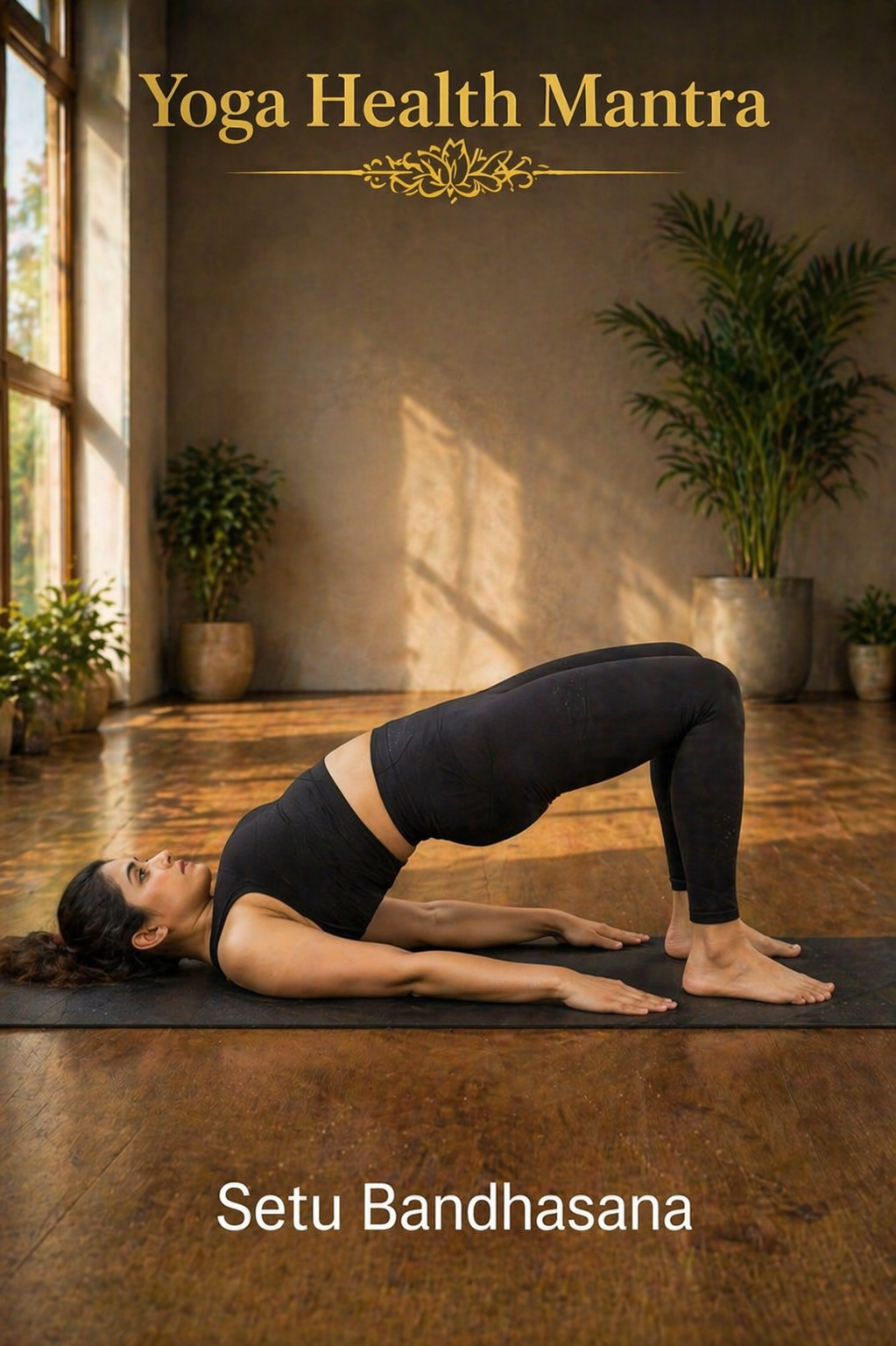
- Lie on your back with knees bent
- Keep feet hip-width apart
- Lift your hips upward slowly
- Hold for a few breaths and release gently
4. Malasana (Garland Pose)
Malasana helps open the hips and may support better digestion and circulation in the lower body. It is also useful for improving flexibility over time.
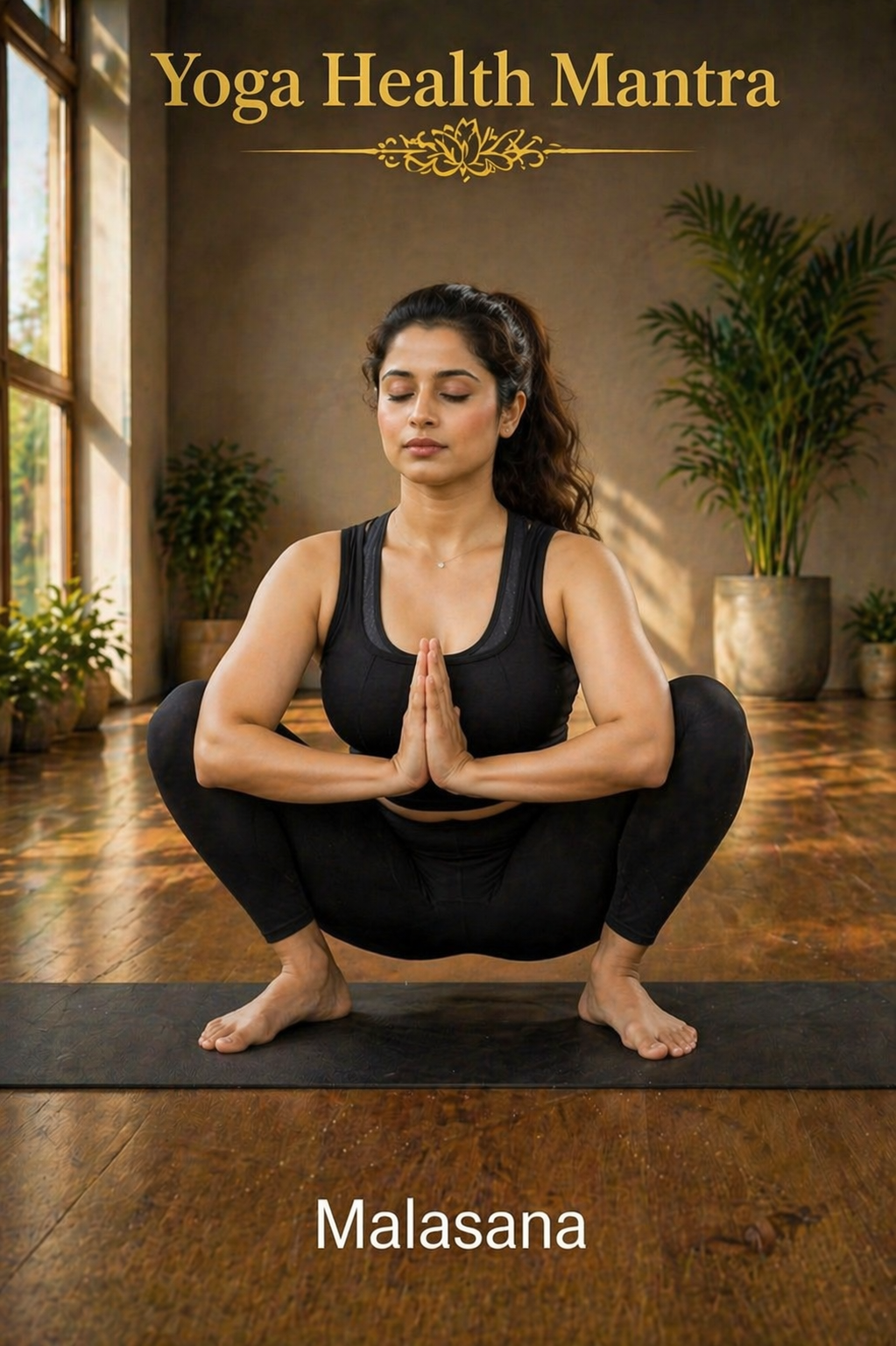
- Stand with feet slightly wider than hips
- Lower into a squat position
- Keep your spine straight
- Bring your palms together in front of your chest
5. Surya Namaskar (Sun Salutation)
Surya Namaskar is a complete body sequence that combines movement and breathing. It helps improve metabolism, supports weight management, and increases overall energy levels when practiced regularly. You can learn the complete step-by-step sequence in our detailed guide on Surya Namaskar and its benefits.

When practiced consistently, these yoga poses can help create a balanced routine that supports both physical and hormonal health. At the same time, it is essential to listen to your body and avoid overexertion, particularly if you are a beginner.
Many health conditions are often influenced by myths and misconceptions, which can make it difficult to follow the right path. PCOS is also commonly affected by confusion surrounding exercise and lifestyle habits. Rather than relying on assumptions, the focus should be on maintaining a balanced, consistent, and realistic routine. With the right approach, yoga and healthy daily habits can become a valuable part of supporting hormonal balance and overall well-being.
6. Best Pranayama for PCOS/PCOD (Breathing Techniques)
Along with yoga poses, pranayama (breathing techniques) plays a powerful role in supporting hormonal balance and reducing stress in the body. Since PCOS/PCOD is often influenced by stress, metabolism, and internal imbalance, practicing controlled breathing can help calm the nervous system and improve overall well-being.
1. Anulom Vilom (Alternate Nostril Breathing)
This is one of the most effective breathing techniques for balancing the body and mind. It helps regulate the flow of energy, supports better oxygen supply, and promotes a calm mental state.
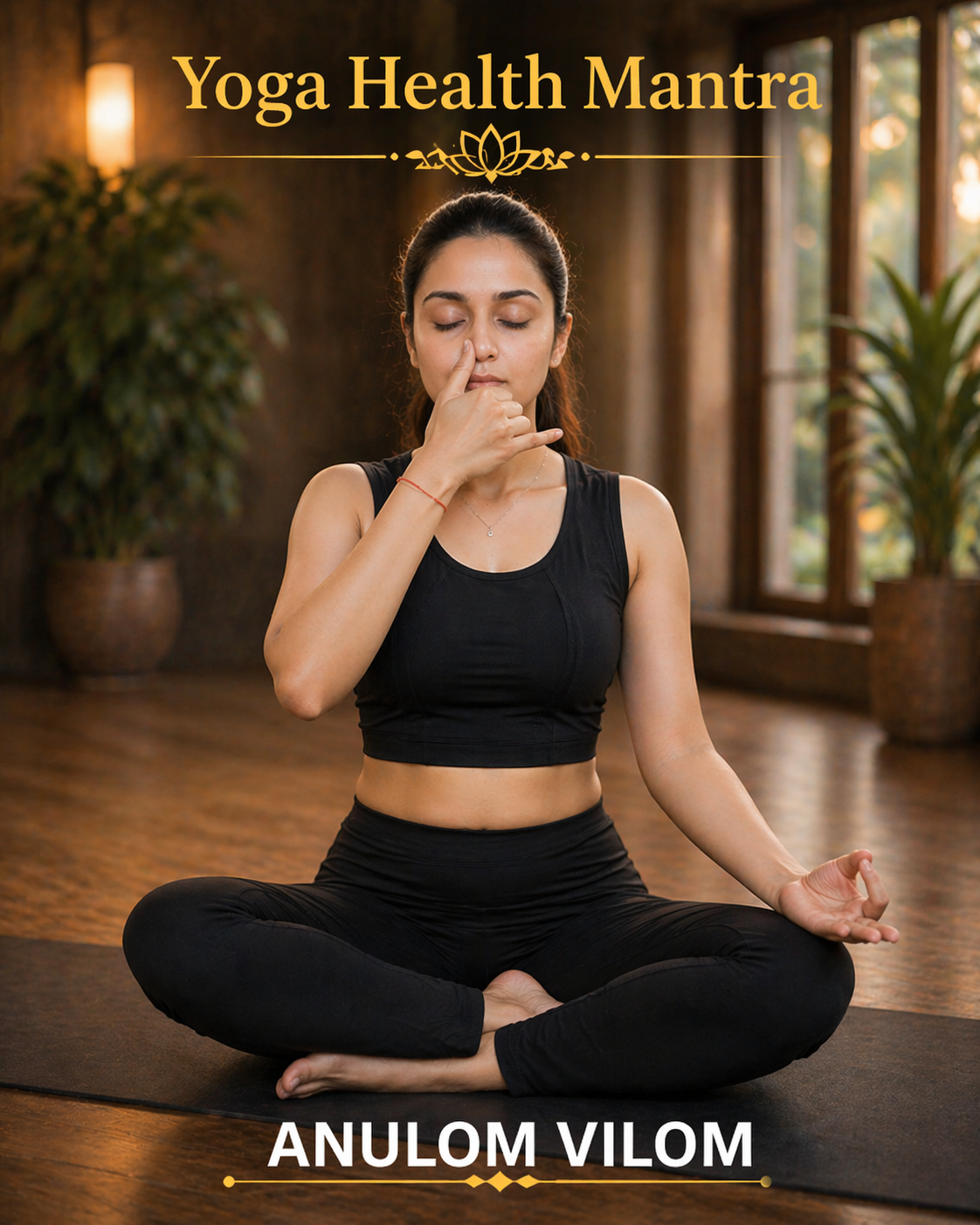
- Sit comfortably with a straight spine
- Close your right nostril with your thumb
- Inhale slowly through the left nostril
- Switch sides and exhale through the right nostril
- Continue in a slow and controlled rhythm
2. Bhramari Pranayama (Bee Breathing)
Bhramari is known for its calming effect on the mind. It helps reduce anxiety, relax the nervous system, and may support better hormonal balance by lowering stress levels.
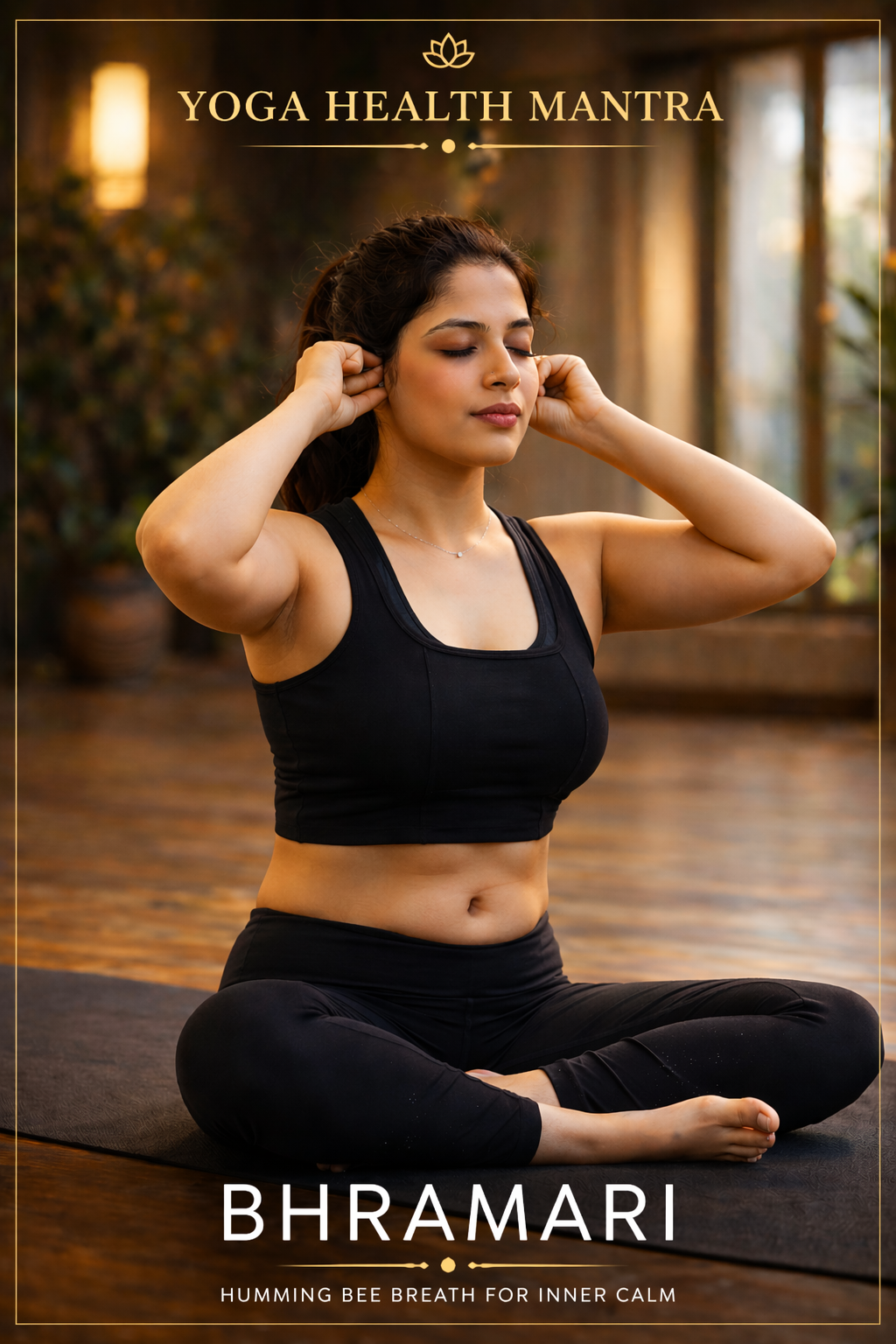
- Sit in a comfortable position
- Close your eyes and relax your body
- Inhale deeply through your nose
- Exhale slowly while making a soft humming sound
- Repeat for a few rounds
3. Kapalbhati (Skull Shining Breathing)
Kapalbhati is a more active breathing technique that focuses on quick exhalations. It may help improve metabolism and support digestive function, which can be beneficial in managing weight-related aspects of PCOS. Beginners should practice it slowly and avoid overexertion.

- Sit with your spine straight
- Take a deep inhale
- Exhale forcefully while pulling the abdomen inward
- Keep the inhalation passive
- Practice in short, controlled rounds
For a deeper understanding of how different breathing techniques work and how to practice them correctly, you can explore our detailed guide on pranayama benefits and techniques.
Research has shown that controlled breathing practices can have a positive effect on stress levels and the autonomic nervous system. A study available through the National Institutes of Health (NIH) highlights how regular pranayama practice may help reduce stress and improve overall physiological balance.
Including pranayama in your daily routine, even for a few minutes, can complement your yoga practice and support a more balanced and relaxed internal state over time.
Relaxation: Savasana (Final Step for Complete Recovery)
After completing yoga poses and breathing techniques, giving your body time to relax is just as important as the practice itself. Savasana, also known as the relaxation pose, allows the body to absorb the benefits of yoga while calming the mind and nervous system.
In conditions like PCOS/PCOD, stress can play a major role in hormonal imbalance. Practicing Savasana at the end of your routine helps reduce stress levels, relax the body, and create a sense of internal balance. This simple step can support overall well-being when practiced regularly.
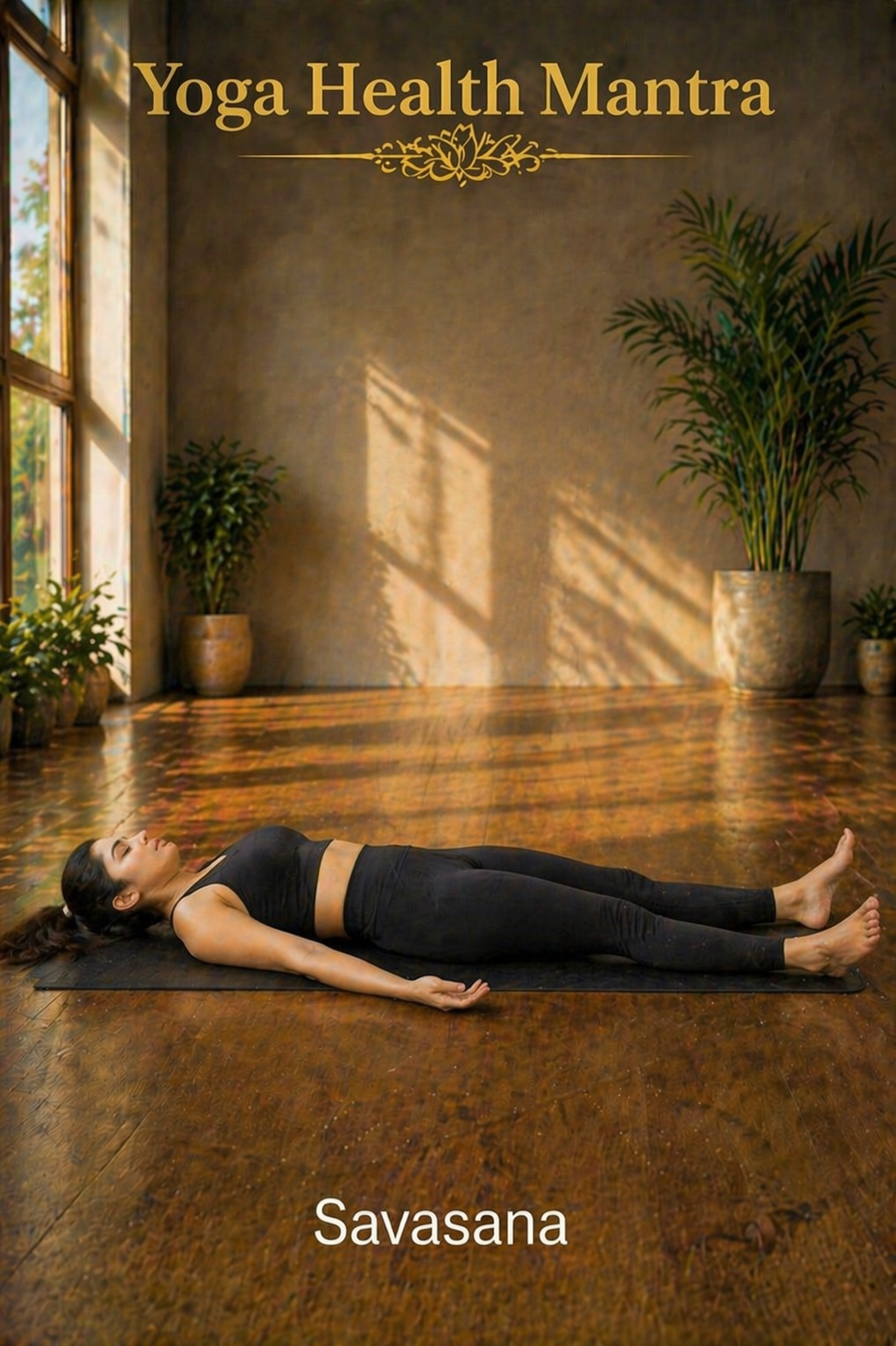
- Lie flat on your back on a comfortable surface
- Keep your legs slightly apart and arms relaxed beside your body
- Turn your palms upward and close your eyes
- Relax your entire body from head to toe
- Focus on slow and natural breathing
- Stay in this position for 5–10 minutes
Including Savasana as the final step in your routine ensures that your body not only stays active but also recovers properly. Over time, this balance between movement, breathing, and relaxation can support better hormonal health and reduce the impact of stress in PCOS/PCOD.
7. Diet Tips for PCOS/PCOD (Simple & Practical Guide)
Diet plays a crucial role in managing PCOS/PCOD because it directly affects hormones, metabolism, and insulin levels. While yoga helps bring internal balance, what you eat daily can either support or disrupt that balance. The goal is not strict dieting, but creating a sustainable and nourishing eating pattern.
One of the most important aspects of a PCOS-friendly diet is managing blood sugar levels. Since insulin resistance is common in PCOS, choosing foods that release energy slowly can help the body respond better. Whole grains, vegetables, fruits, and fiber-rich foods are generally better choices compared to highly processed or sugary items.
Including protein-rich foods such as lentils, beans, paneer, eggs, or nuts can help maintain steady energy levels and reduce unnecessary cravings. Healthy fats like seeds, nuts, and natural oils also play a role in supporting hormonal health when consumed in moderation.
It is equally important to reduce refined sugar and processed foods. Frequent consumption of sugary snacks, soft drinks, and fast food can increase insulin spikes, which may worsen hormonal imbalance over time. Instead, focusing on simple home-cooked meals can make a noticeable difference.
Hydration and meal timing also matter. Drinking enough water and maintaining consistent meal timings can help the body function more efficiently. Combining these habits with a structured lifestyle, such as the routine explained in our morning yoga routine for a healthy start, can further support better digestion and energy balance throughout the day.
Managing PCOS/PCOD through diet is not about strict restrictions but about creating a balanced and sustainable routine. As also explained in this overview on PCOD and lifestyle management, a combination of proper nutrition, regular activity, and mindful habits plays an important role in supporting long-term health.
Overall, the focus should be on balance, consistency, and making small improvements rather than following extreme diets. When combined with yoga and proper rest, a healthy diet can become a strong foundation for managing PCOS/PCOD naturally.
8. 7-Day Yoga Plan for PCOS/PCOD (Beginner-Friendly Routine)
Consistency matters more than intensity when it comes to managing PCOS/PCOD through yoga. Instead of doing too much in one day, following a simple and structured weekly routine can help you stay regular and build long-term results. This 7-day plan is designed for beginners and focuses on gentle movement, breathing, and relaxation.
Day 1: Gentle Start
- Baddha Konasana – 5 minutes
- Anulom Vilom – 5 minutes
- Light stretching
Day 2: Activate the Body
- Bhujangasana – 5 rounds
- Setu Bandhasana – 5 rounds
- Bhramari – 5 minutes
Day 3: Improve Flexibility
- Malasana – 5 minutes
- Light hip-opening stretches
- Deep breathing
Day 4: Full Body Movement
- Surya Namaskar – 4 to 6 rounds
- Relaxation breathing
Day 5: Focus on Relaxation
- Gentle stretching
- Bhramari – 7 minutes
- Short meditation
Day 6: Strength + Balance
- Setu Bandhasana – 5 rounds
- Bhujangasana – 5 rounds
- Anulom Vilom – 5 minutes
Day 7: Recovery & Reset
- Light stretching
- Deep breathing
- Relaxation (Savasana)
If you want a more detailed and structured weekly routine, you can explore our step-by-step 7-day yoga plan for beginners, which can be easily adapted for PCOS by focusing on consistency and gentle practice.
Maintaining a regular routine becomes even more important when considering the metabolic aspects of PCOS. According to the CDC overview on PCOS and diabetes risk factors, many women with PCOS may experience insulin resistance, which can increase the risk of long-term health issues such as type 2 diabetes. This highlights the importance of consistent physical activity and balanced lifestyle habits.
Remember, the goal is not perfection but consistency. Even practicing for 20–30 minutes daily can create a positive impact over time when combined with proper diet and rest.
9. Common Mistakes to Avoid While Managing PCOS/PCOD
While yoga and lifestyle changes can be helpful in managing PCOS/PCOD, many people do not see the expected results because of common mistakes in their routine. Avoiding these mistakes can make your efforts more effective and sustainable over time.
1. Expecting Quick Results
One of the biggest mistakes is expecting fast results. Hormonal balance takes time, and PCOS/PCOD is a long-term condition. Consistency is more important than intensity. Regular practice of yoga, along with proper diet and rest, gradually supports improvement.
2. Ignoring Diet and Lifestyle
Yoga alone is not enough if your daily habits are not supportive. Unhealthy eating patterns, lack of sleep, and high stress levels can slow down your progress. A balanced routine that includes movement, proper nutrition, and rest is essential for better results.
3. Doing Excessive or Incorrect Exercise
Over-exercising or practicing yoga with incorrect posture can create unnecessary strain on the body. Instead of pushing too hard, focus on gentle and correct movements. If you are unsure about proper form, starting with simple guidance such as common yoga mistakes beginners should avoid can help you build a safe and effective routine.
4. Skipping Relaxation and Breathing Practices
Many people focus only on physical poses and ignore relaxation or breathing techniques. However, stress management is a key factor in PCOS. Without calming the nervous system, it becomes harder to support hormonal balance.
5. Lack of Consistency
Practicing yoga occasionally and then stopping for long periods will not give lasting results. Even short daily sessions are more effective than irregular intense workouts. Building a routine that fits your lifestyle is the key to long-term success.
Health experts also emphasize the importance of a balanced and sustainable approach. The Office on Women’s Health (U.S.) highlights that managing PCOS involves long-term lifestyle changes rather than quick fixes, including regular activity, healthy eating, and stress management.
By avoiding these common mistakes and focusing on consistency, balance, and patience, you can create a routine that supports your body more effectively over time.
10. Frequently Asked Questions (FAQ) & Conclusion
Can yoga cure PCOS completely?
Yoga is not a medical cure for PCOS/PCOD, but it can be a powerful supportive practice. It helps manage symptoms by improving stress levels, metabolism, and overall hormonal balance when practiced regularly along with a healthy lifestyle.
How long does it take to see results with yoga?
The results vary from person to person. Some may notice improvements in energy levels and stress within a few weeks, while hormonal balance and cycle regulation may take a few months of consistent practice.
What is the best time to do yoga for PCOS?
Morning is generally considered the best time because the body is fresh and the mind is calm. However, the most important factor is consistency. Choose a time that fits your routine so you can practice daily without interruption.
Can beginners start yoga for PCOS at home?
Yes, beginners can easily start at home with simple poses and breathing techniques. Following a structured approach, such as the one explained in our complete beginner’s guide to yoga, can help you understand the basics and build a safe foundation.
Is diet important along with yoga?
Yes, diet plays a very important role. Yoga and diet work together. Without proper nutrition, it becomes difficult to manage insulin levels and hormonal balance effectively.
Conclusion
Managing PCOS/PCOD naturally is not about quick fixes—it is about building a balanced and sustainable lifestyle. Yoga can support this process by helping reduce stress, improve metabolism, and create a stronger mind-body connection. When combined with proper diet, regular routine, and adequate rest, it can make a meaningful difference over time.
It is also important to stay informed and seek professional guidance when needed. According to the World Health Organization (WHO), maintaining a healthy lifestyle through regular physical activity and balanced nutrition plays a key role in managing many lifestyle-related conditions, including those linked with hormonal imbalance.
Start with small steps, stay consistent, and give your body the time it needs. With patience and the right approach, you can create a routine that supports your long-term health and well-being.