
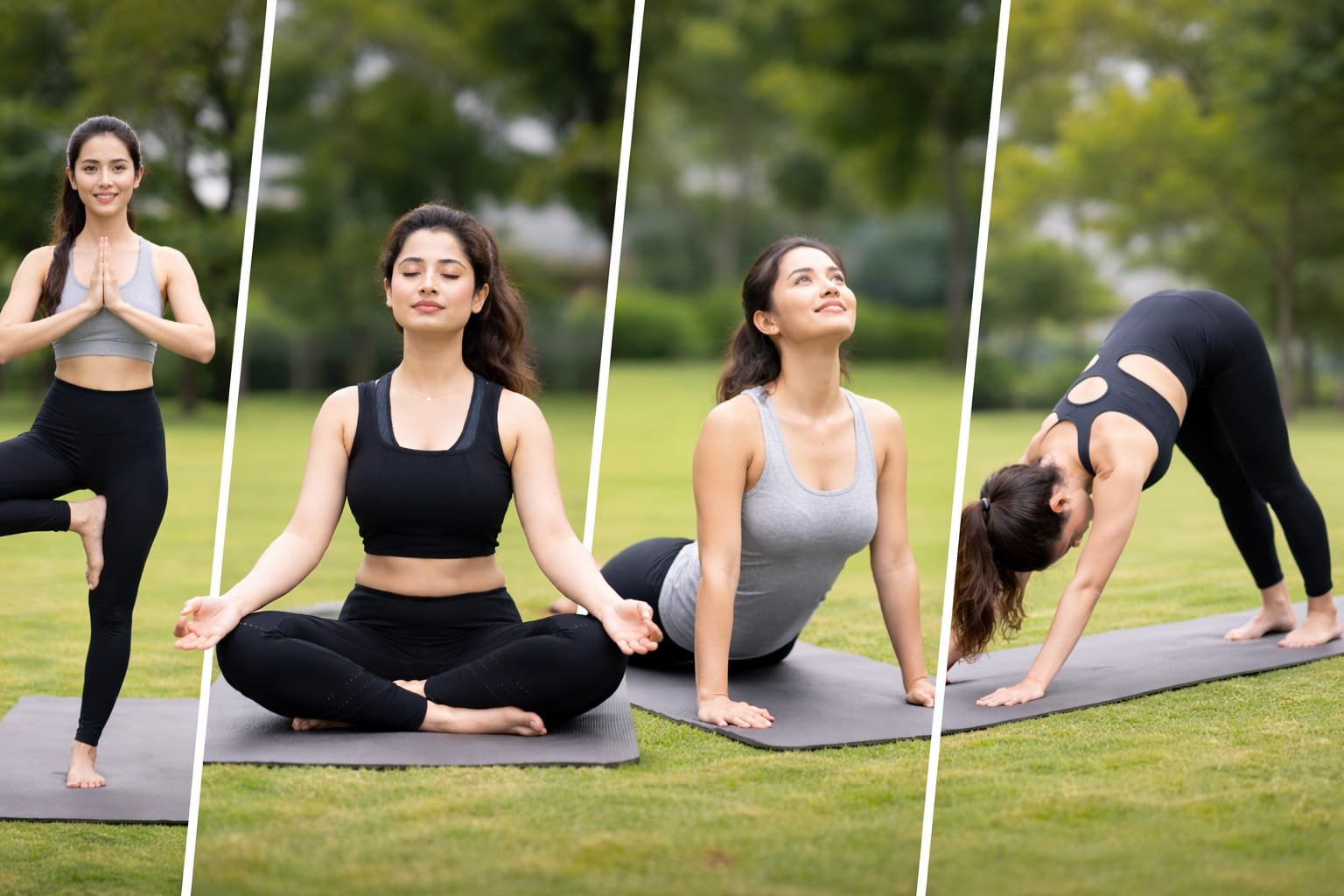
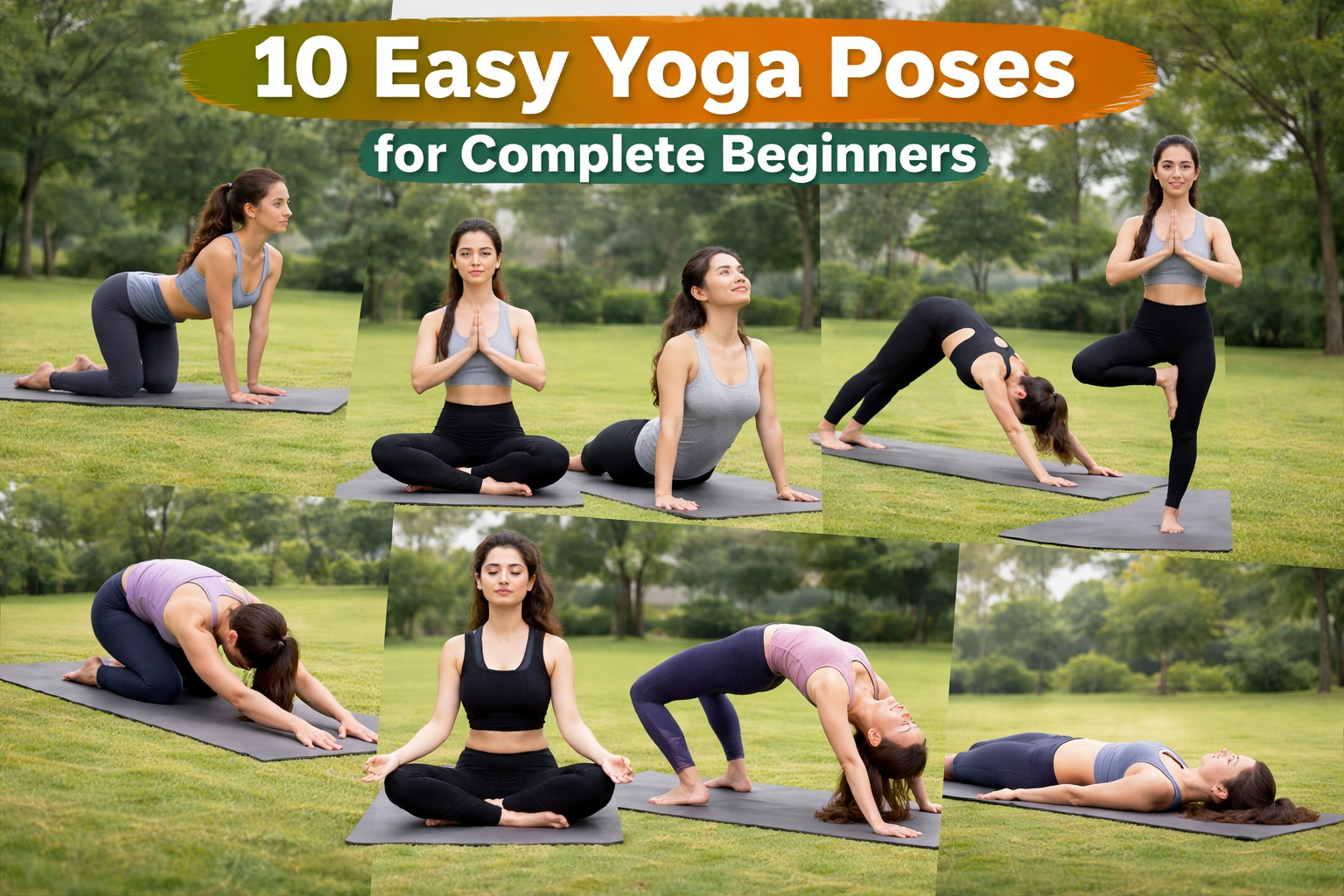
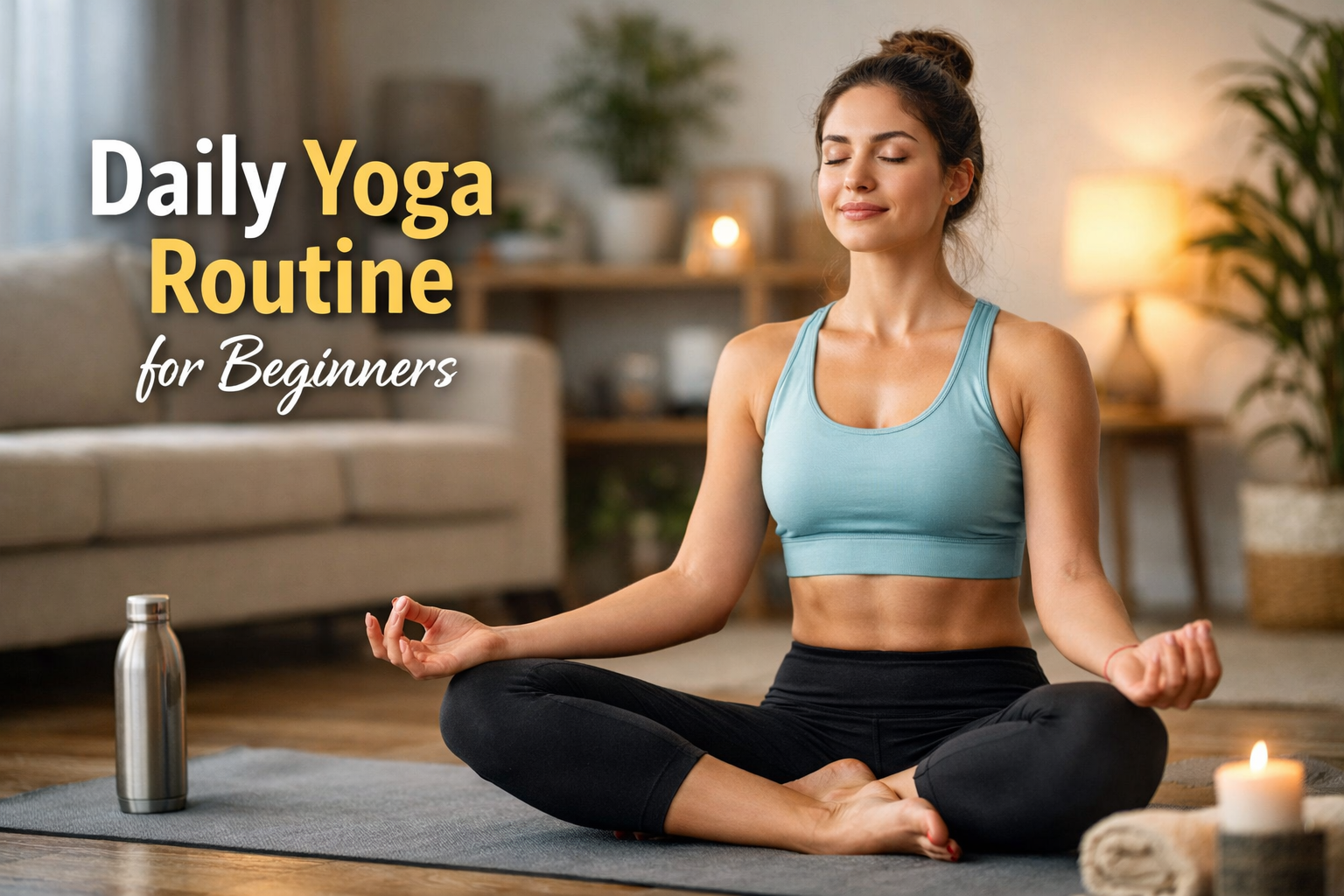
Starting yoga for the first time can feel exciting, but also a little confusing. Many beginners often wonder how to begin, how long to practice, and which poses are best to start with. These questions are completely normal, especially when you are new to yoga and still trying to understand how everything works.
The good news is that yoga does not require expensive equipment or a professional studio. You don’t need anything more than a small space, a comfortable mat, and a willingness to start. With a simple and consistent routine, you can begin your yoga journey right at home and gradually build confidence in your practice.
This beginner-friendly daily yoga routine is designed to help you improve flexibility, build strength, and develop better focus. Instead of rushing into complex poses, it encourages slow, mindful movements that are easy to follow and safe for beginners.
Practicing yoga daily can support your overall well-being in many ways. It helps improve posture, reduces stress, boosts energy levels, and promotes better physical and mental balance. Over time, even a short daily session can make a noticeable difference in how your body feels and how your mind responds to daily challenges.
According to World Health Organization (WHO), regular physical activity, including practices like yoga, plays an important role in maintaining long-term health and overall well-being.
Why Beginners Should Follow a Daily Yoga Routine
Yoga is more than just physical exercise. It is a complete practice that combines breathing techniques, body movements, and mindfulness to support both physical and mental well-being. For beginners, following a daily routine can make a big difference in building consistency, discipline, and confidence over time.
Instead of practicing occasionally, a regular yoga routine helps your body adapt gradually and improves your overall comfort with each session. It also allows you to understand your body better and develop a deeper connection with your breath and movement. To understand the basics more clearly, you can explore this beginner-friendly yoga guide.
Benefits of Daily Yoga Practice
Practicing yoga daily can offer several long-term benefits that support a healthy and balanced lifestyle:
- Improves body flexibility and posture over time
- Strengthens muscles and supports joint health
- Helps reduce stress and anxiety levels
- Enhances focus and mental clarity
- Boosts energy levels throughout the day
- Improves sleep quality and relaxation
- Supports healthy weight management
When practiced regularly, yoga creates a positive impact on both the body and mind. Even a short daily session of 15–20 minutes can help you feel more active, relaxed, and mentally focused throughout the day. You can also explore this yoga for better sleep guide to understand how yoga supports relaxation and recovery.
Studies suggest that regular yoga practice can improve flexibility, reduce stress, and support overall well-being, as explained in this research article on yoga and mental health.
Best Time to Practice Yoga for Beginners
The best time to practice yoga depends on your daily schedule and personal comfort. However, early morning is often considered the most beneficial time because the body feels fresh, the mind is calm, and there are fewer distractions.
Starting your day with yoga can help you feel more active, focused, and balanced throughout the day. You can follow this morning yoga routine to build a consistent habit. At the same time, evening yoga can also be a great option if you want to relax and release stress after a long day. You may also explore this evening yoga routine for better relaxation.
Morning Yoga Benefits
- Boosts metabolism and energy levels
- Improves mental clarity and focus
- Creates a positive and fresh mindset for the day
- Helps build a consistent daily habit
Evening Yoga Benefits
- Helps relieve stress and mental fatigue after work
- Relaxes muscles and reduces body tension
- Supports better sleep quality and relaxation
You can choose morning or evening depending on your lifestyle and routine. The most important thing is to stay consistent and practice regularly. You can also check this stress relief yoga guide to enhance your practice.
Essential Tips Before Starting Yoga
Before beginning your daily yoga routine, it’s important to follow a few simple guidelines. These tips can help you avoid injury and make your practice more effective and comfortable.
- Wear comfortable and breathable clothing
- Practice on an empty stomach or after a light meal
- Use a yoga mat for better balance and grip
- Start slowly and avoid forcing any movement
- Focus on your breathing during each pose
- Drink water after completing your practice
To improve your breathing techniques, you can also learn from this pranayama guide, which explains proper techniques and helpful tips.
Daily Yoga Routine for Beginners (Step-by-Step)
This simple daily yoga routine takes around 15–20 minutes and includes basic poses that are easy to follow for beginners. It is designed to gently activate your body, improve flexibility, and help you feel more relaxed and focused.
As you go through each step, try to move slowly and stay aware of your breathing. There is no need to rush or push your body too much. The goal is to practice with comfort and build consistency over time.
Make sure you are in a quiet and comfortable space where you can focus without distractions. Even a short daily practice like this can make a noticeable difference in your energy levels and overall well-being.
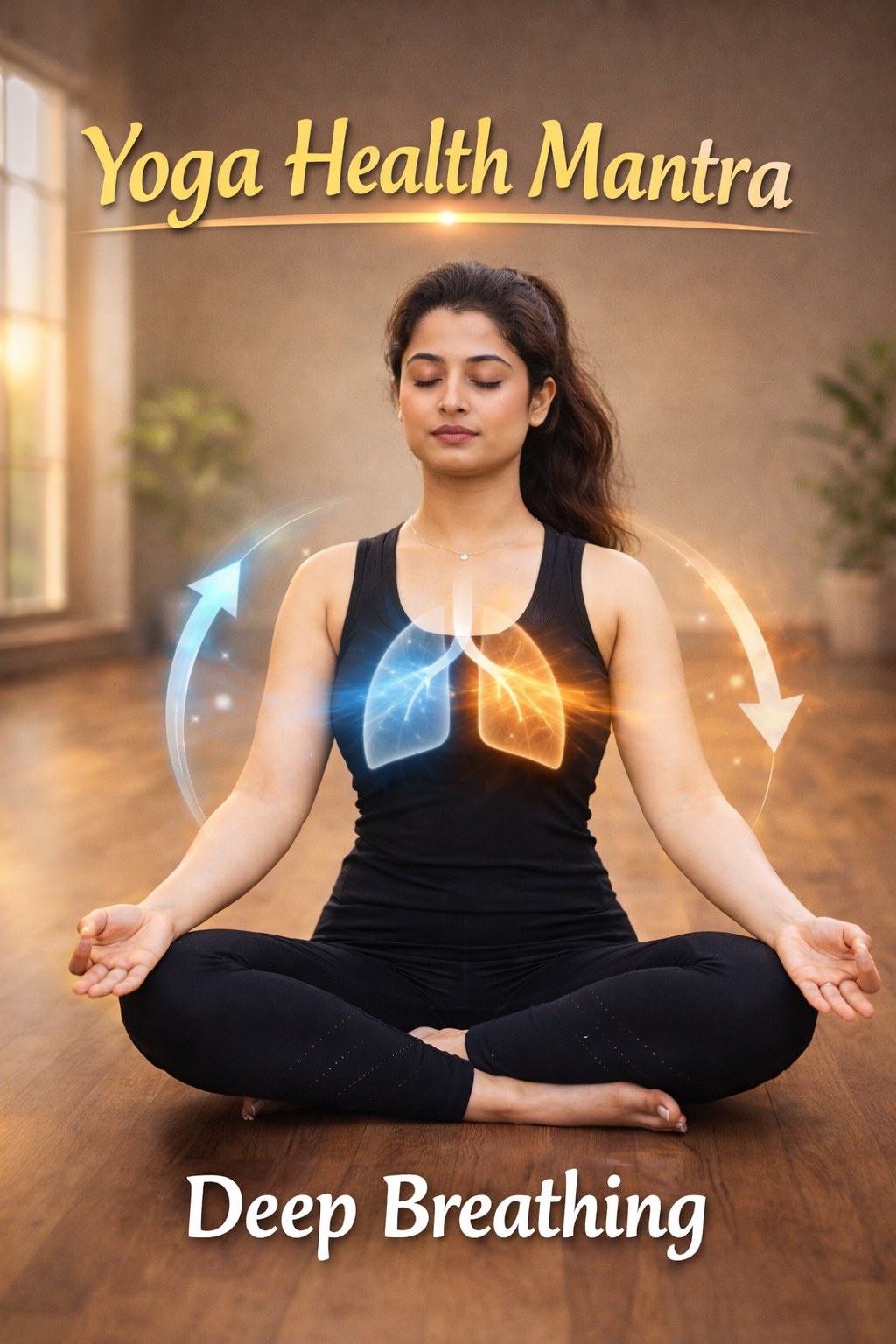
1. Deep Breathing (2 Minutes)
Begin your yoga session with deep breathing to relax your body and calm your mind. Sit comfortably in a cross-legged position with your spine straight, and gently close your eyes to bring your focus inward.
How to Practice:
- Inhale slowly and deeply through your nose
- Hold your breath gently for about 2 seconds
- Exhale slowly through your mouth, releasing any tension
- Continue this steady breathing pattern for 2 minutes
This simple breathing practice helps prepare your body for yoga, improves focus, and creates a calm and relaxed state before moving into physical poses.
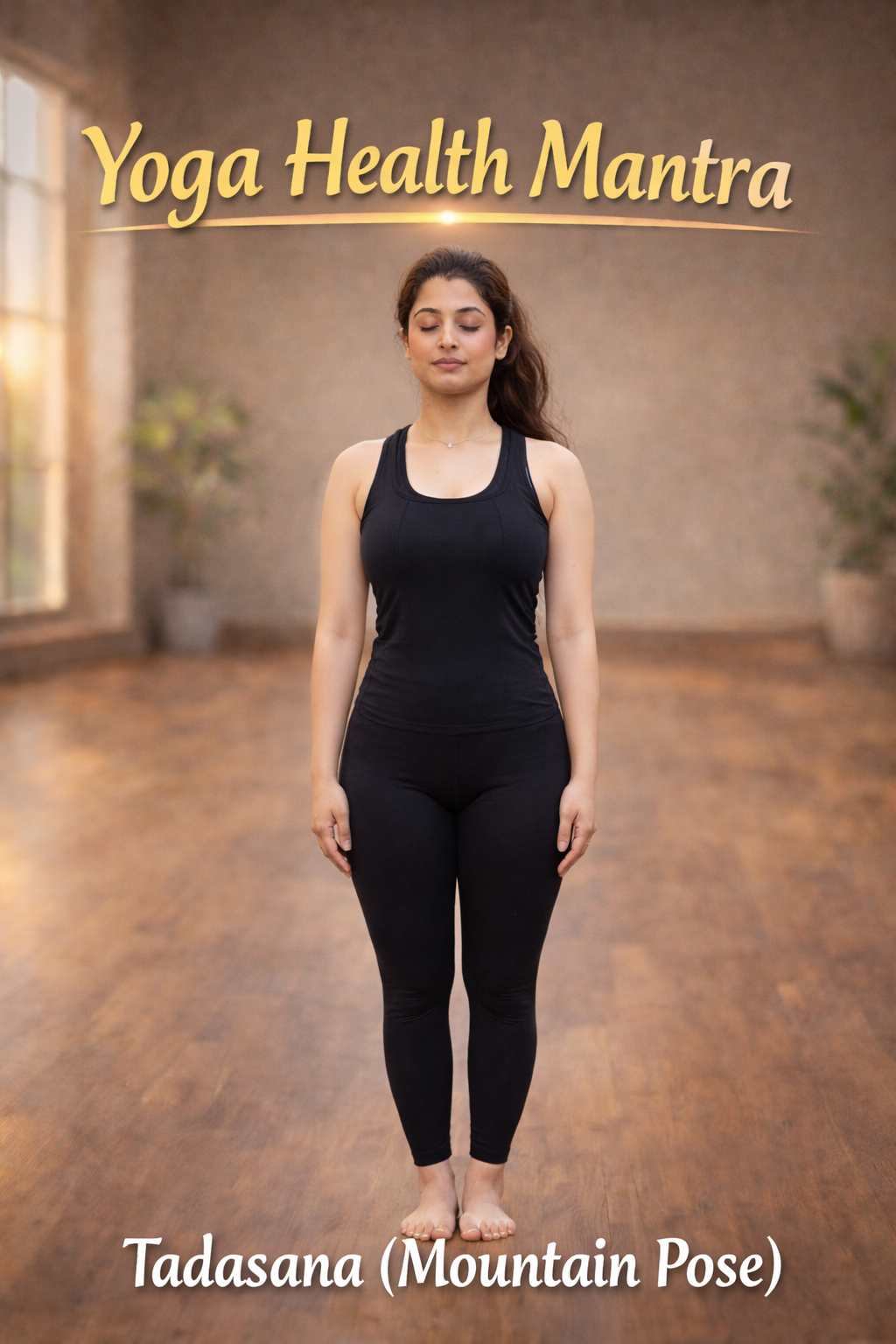
2. Tadasana (Mountain Pose) – 2 Minutes
Tadasana, also known as Mountain Pose, is one of the simplest and most effective yoga poses for beginners. It helps improve posture, balance, and body awareness while preparing you for other standing poses.
How to Practice:
- Stand straight with your feet together and weight evenly distributed
- Keep your arms relaxed by your sides
- Slowly raise your arms above your head
- Stretch your body upward while keeping your spine straight
- Hold the position for 15–20 seconds while breathing normally
- Repeat this pose 3–4 times
This pose helps align your body, improve stability, and gently activate your muscles, making it a great starting point for beginners.
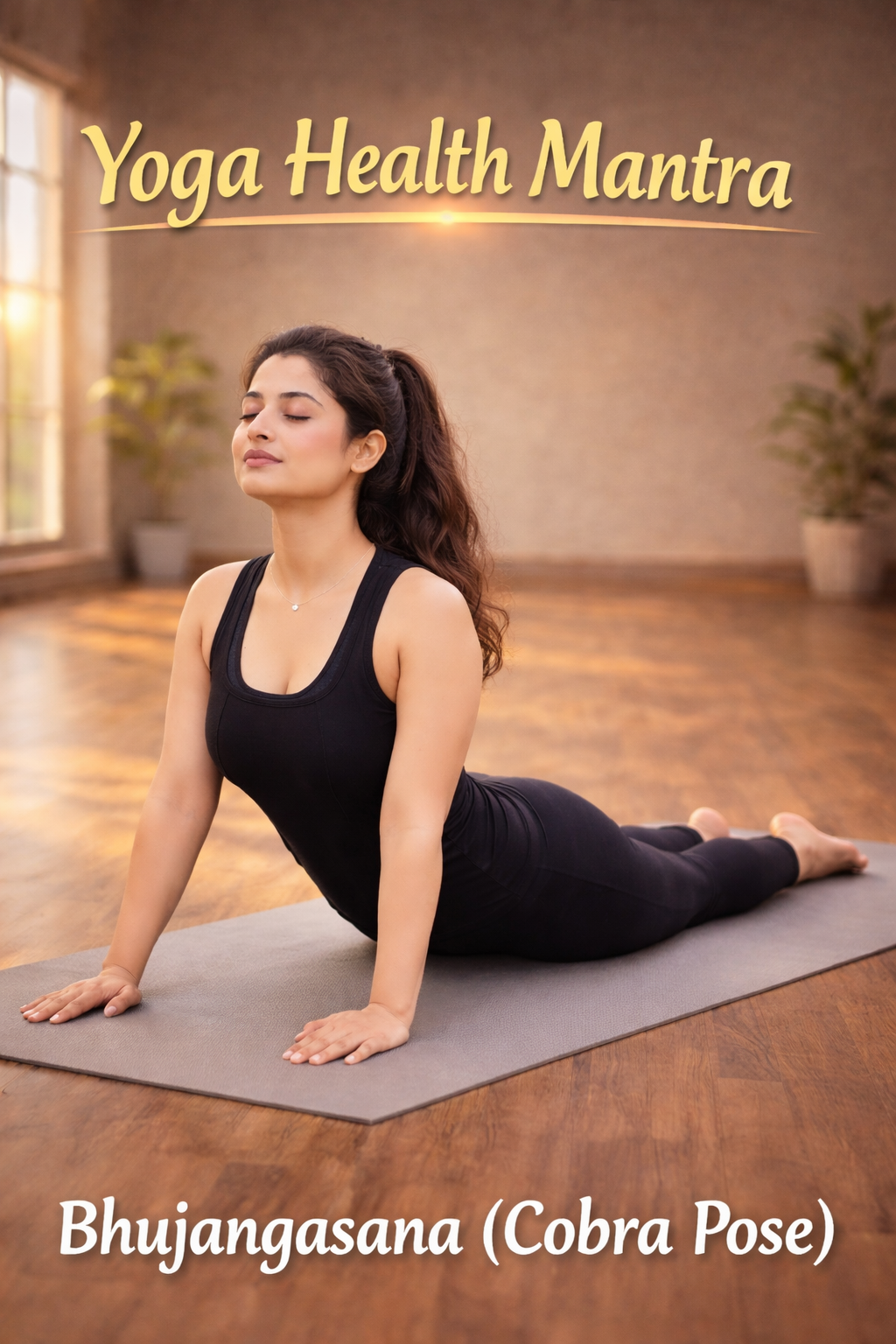
3. Bhujangasana (Cobra Pose) – 2 Minutes
Bhujangasana, also known as Cobra Pose, is a beginner-friendly backbend that helps strengthen the back muscles and improve spinal flexibility. It also helps open the chest and promotes better posture.
How to Practice:
- Lie flat on your stomach with your legs extended and feet together
- Place your palms on the floor near your shoulders
- Slowly lift your upper body while pressing gently into your hands
- Keep your elbows slightly bent and shoulders relaxed
- Hold the position for 15–20 seconds while breathing normally
- Repeat this pose 3 times
This pose helps improve spine mobility, strengthen the lower back, and gently stretch the chest and abdominal muscles.
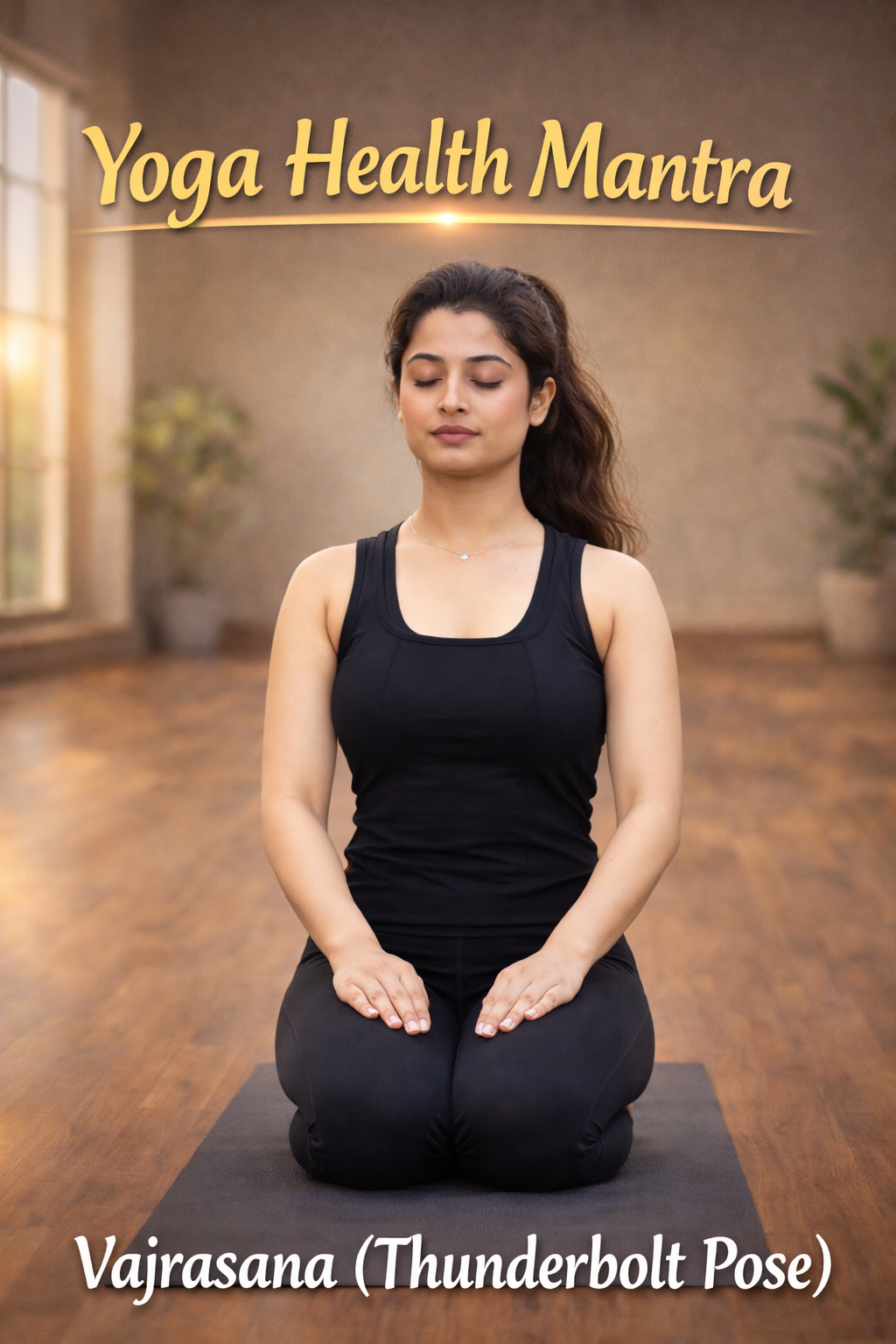
4. Vajrasana (Thunderbolt Pose) – 2 Minutes
Vajrasana, also known as Thunderbolt Pose, is a simple seated posture that helps improve digestion and maintain proper body alignment. It is especially beneficial for beginners as it promotes a calm and stable sitting position.
How to Practice:
- Kneel down on the floor with your knees together
- Sit back comfortably on your heels
- Keep your back straight and shoulders relaxed
- Place your hands gently on your thighs
- Breathe slowly and naturally while maintaining the posture
This pose can also be practiced after meals to support healthy digestion. Regular practice helps calm the mind, improve posture, and create a sense of balance in the body.
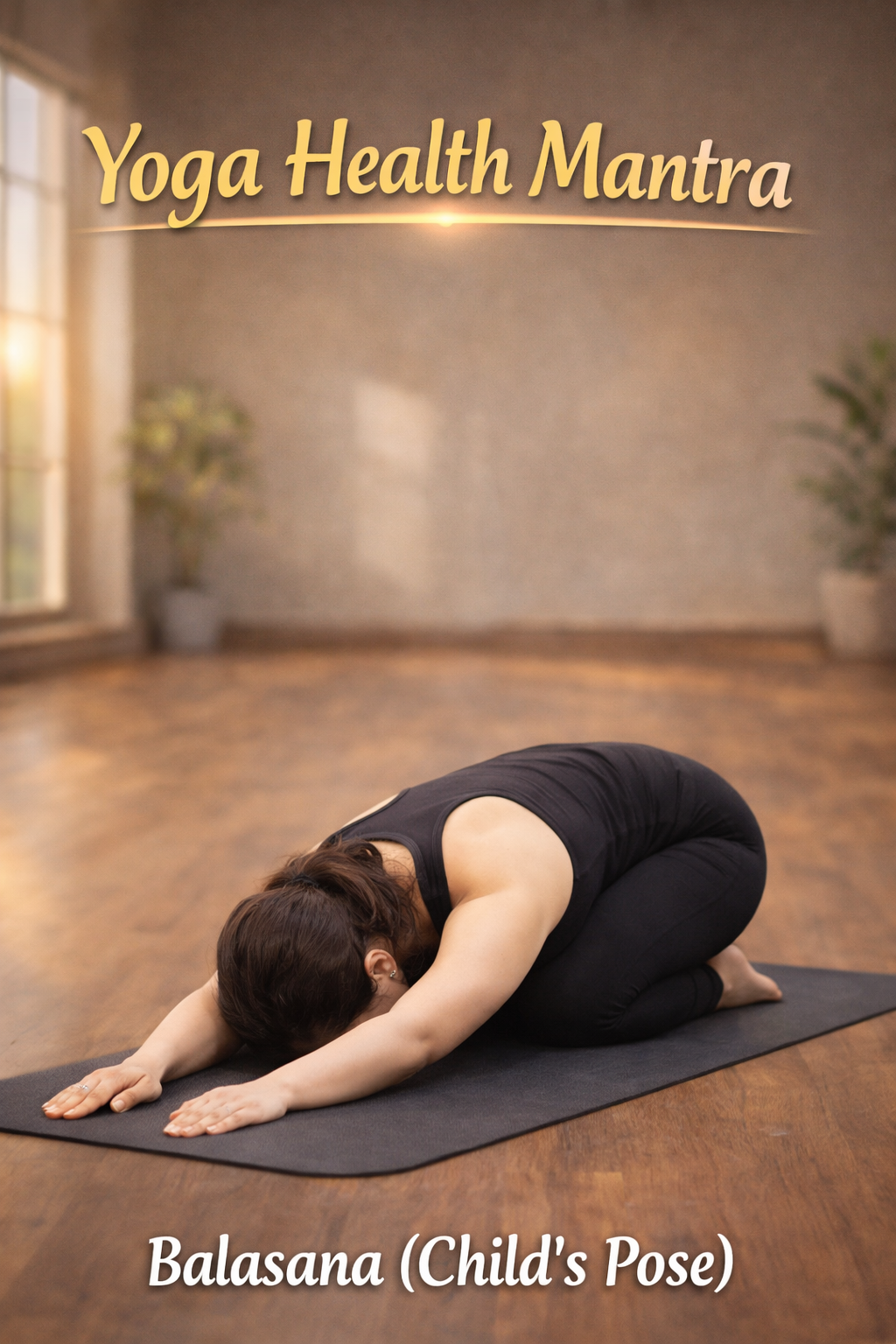
5. Balasana (Child’s Pose) – 2 Minutes
Balasana, also known as Child’s Pose, is a gentle resting posture that helps relax the entire body and reduce stress. It is especially useful for calming the mind and releasing tension from the back and shoulders.
How to Practice:
- Sit comfortably on your heels with your knees slightly apart
- Slowly bend forward and bring your torso toward the mat
- Stretch your arms forward in front of you
- Rest your forehead gently on the mat
- Hold the position for 20–30 seconds while breathing slowly
This pose helps promote deep relaxation, ease mental tension, and restore a sense of calm in the body.
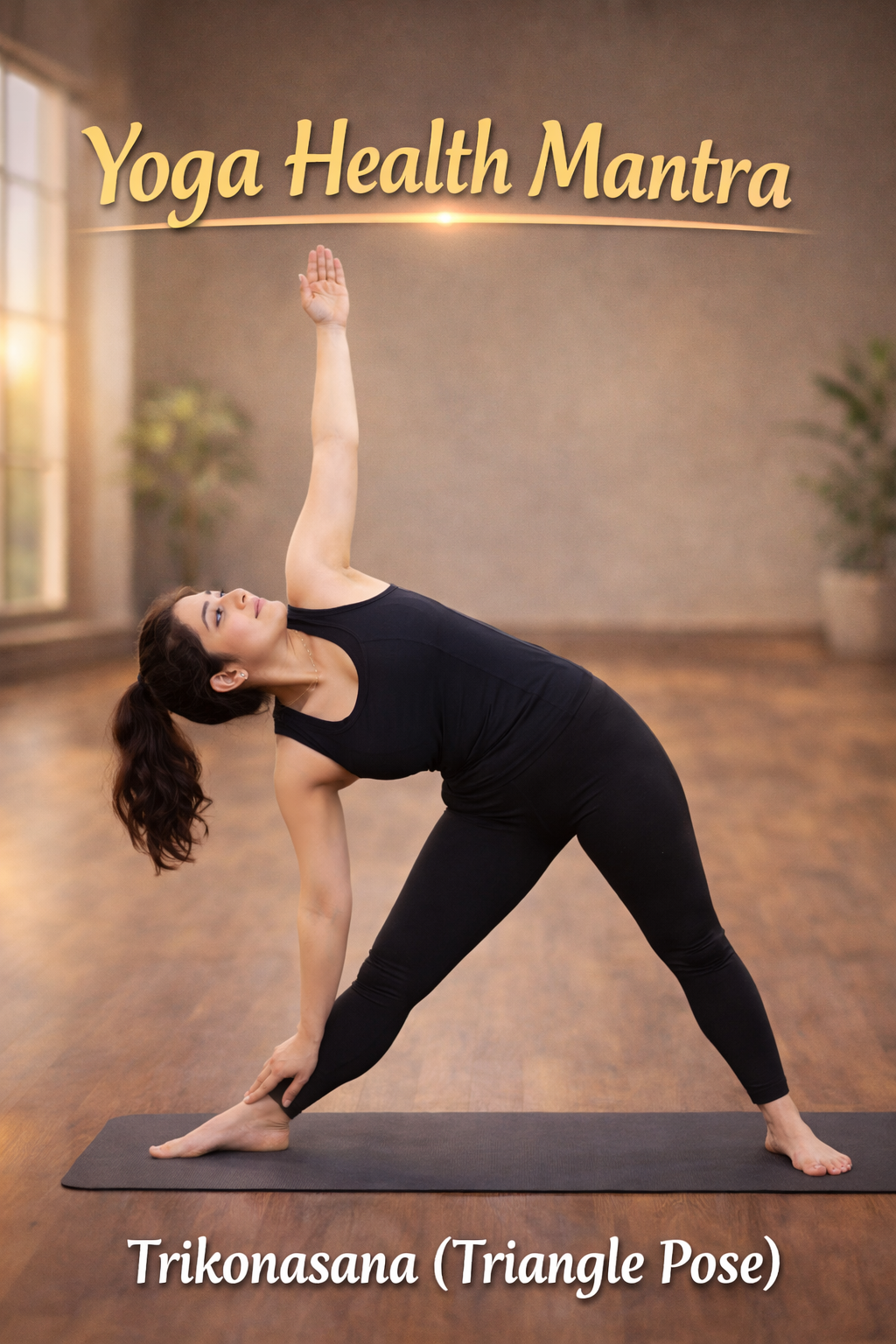
6. Trikonasana (Triangle Pose) – 2 Minutes
Trikonasana, also known as Triangle Pose, is a simple standing posture that helps stretch the legs and improve overall flexibility. It also supports better balance and body coordination, making it suitable for beginners.
How to Practice:
- Stand upright with your feet placed wide apart
- Stretch your arms sideways at shoulder level
- Slowly bend your body to one side
- Try to touch your foot or ankle without straining
- Keep your chest open and maintain balance
- Repeat the same movement on the other side
This pose helps improve flexibility in the legs and spine, enhances balance, and gently activates the entire body.
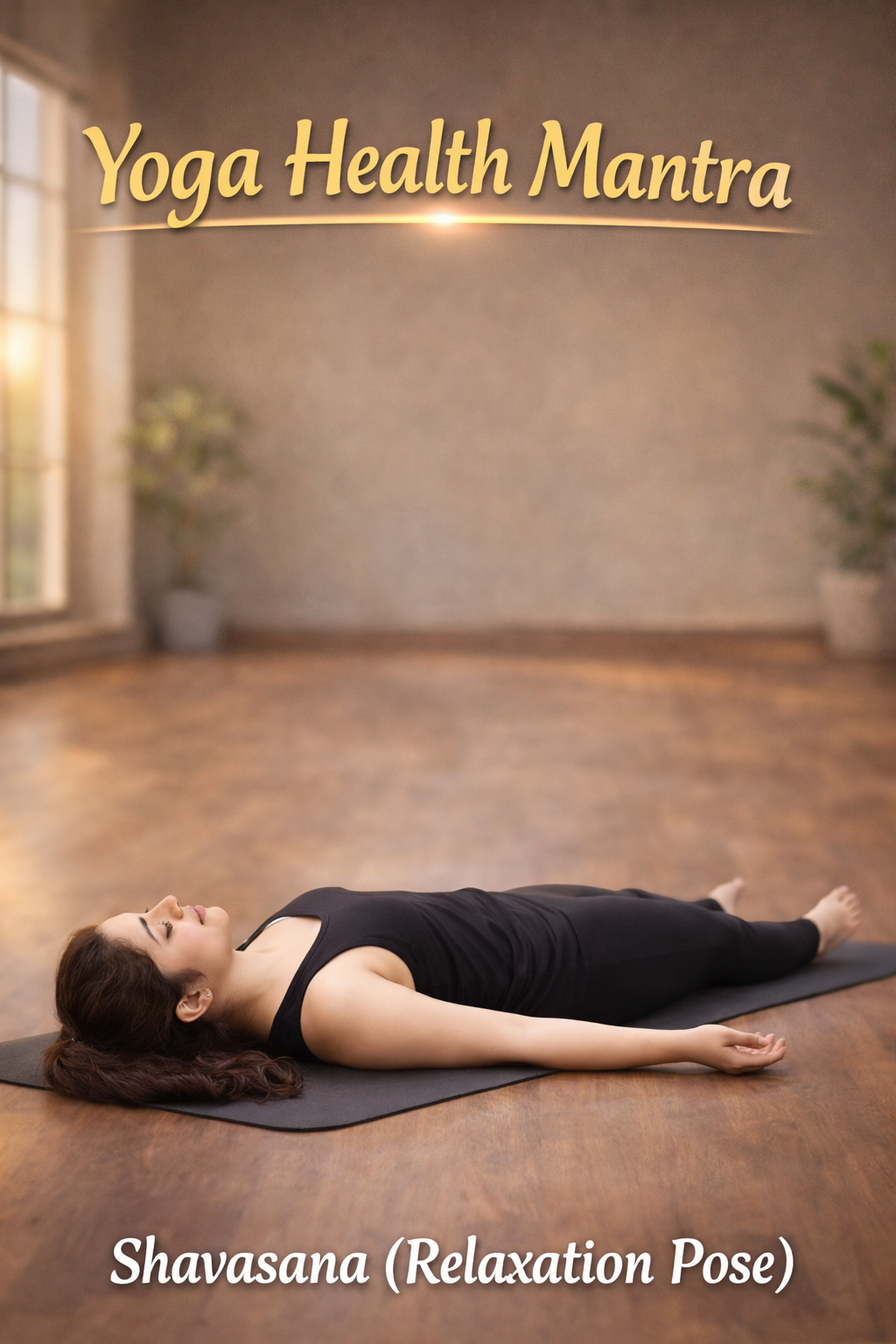
7. Shavasana (Relaxation Pose) – 5 Minutes
Shavasana, also known as the Relaxation Pose, is the final and most important step in any yoga routine. It allows the body to completely relax and helps the mind settle into a calm and peaceful state.
How to Practice:
- Lie flat on your back with your legs slightly apart
- Keep your arms relaxed by your sides, palms facing upward
- Close your eyes and let your body become still
- Focus on slow, natural breathing
- Allow your entire body to relax without any tension
This pose gives your body time to recover and helps absorb the benefits of your yoga practice. It promotes deep relaxation, reduces stress, and leaves you feeling refreshed and balanced.
How Long Should Beginners Practice Yoga Daily?
Many beginners often wonder how much time they should spend on yoga each day. The truth is, consistency matters more than duration. Even a short daily practice can bring noticeable improvements over time if done regularly.
Instead of focusing on long sessions, it’s better to start small and gradually build your routine as your body becomes more comfortable with the movements and breathing techniques.
- Start with 15–20 minutes of daily practice
- Gradually increase your session to 25–30 minutes
- Practice at least 5 days per week for better results
Even short sessions can provide long-term benefits when practiced consistently. Over time, regular yoga practice can help improve flexibility, reduce stress, and enhance overall physical and mental well-being.
Common Mistakes Beginners Should Avoid
When starting yoga, beginners often make small mistakes that can reduce the effectiveness of their practice or even lead to discomfort. Being aware of these common issues can help you practice more safely and get better results over time. You can also explore this detailed guide on common yoga mistakes to understand them better.
Here are some common mistakes beginners should avoid:
- Skipping warm-up or ignoring basic breathing exercises
- Holding your breath instead of maintaining a steady breathing pattern
- Overstretching muscles and pushing the body beyond its limits
- Practicing irregularly without maintaining consistency
- Ignoring body signals such as pain, discomfort, or fatigue
Always listen to your body and practice slowly. Yoga is not about perfection, but about awareness and balance. Moving gently and mindfully will help prevent injuries and make your practice more effective in the long run. If you want to build a safe routine, you may also refer to this beginner-friendly daily yoga routine.
How to Stay Consistent With Daily Yoga
Consistency is the key to success in yoga practice. Many beginners start with enthusiasm but find it difficult to continue regularly. Building a daily habit may take time, but with small and practical steps, it becomes much easier to stay on track.
Here are some simple and effective ways to build a consistent daily yoga routine:
- Set a fixed time each day to create a regular habit
- Create a शांत and comfortable yoga space at home
- Start with short sessions and gradually increase duration
- Track your progress weekly to stay motivated
- Set small and achievable goals to maintain consistency
Making yoga a part of your daily routine not only improves discipline but also supports better physical and mental well-being. With regular practice, you will begin to notice positive changes in your energy, focus, and overall lifestyle.
Who Should Practice Beginner Yoga Routine?
This daily yoga routine is suitable for almost everyone, especially those who are new to yoga or looking for a simple way to stay active and relaxed. It is designed to be gentle, easy to follow, and adaptable to different lifestyles.
People who can benefit from this beginner-friendly routine include:
- Students who want to improve focus and reduce stress
- Office workers dealing with long hours of sitting and mental fatigue
- Homemakers looking for a simple way to stay active at home
- Seniors (with medical advice) who want to maintain flexibility and mobility
- People starting their fitness journey and building healthy habits
However, individuals with serious medical conditions or injuries should consult a healthcare professional before starting yoga. This ensures that the practice remains safe and suitable for their specific health needs.
Final Thoughts: Start Your Yoga Journey Today
Starting a daily yoga routine as a beginner does not require perfection. What matters most is your willingness to begin and stay consistent. Even small efforts can lead to meaningful results when practiced regularly.
With just 15–20 minutes of daily practice, you can gradually improve flexibility, reduce stress, and support your overall physical and mental health. Over time, your body becomes more comfortable, and your mind feels calmer and more focused.
Yoga is a lifelong journey that brings balance, awareness, and stability to both the body and mind. By following this beginner-friendly daily yoga routine, you can build a strong foundation and slowly explore more advanced practices as your confidence grows.
For additional beginner-friendly guidance, you can also explore this yoga learning resource, which provides helpful insights into starting and maintaining a yoga practice.