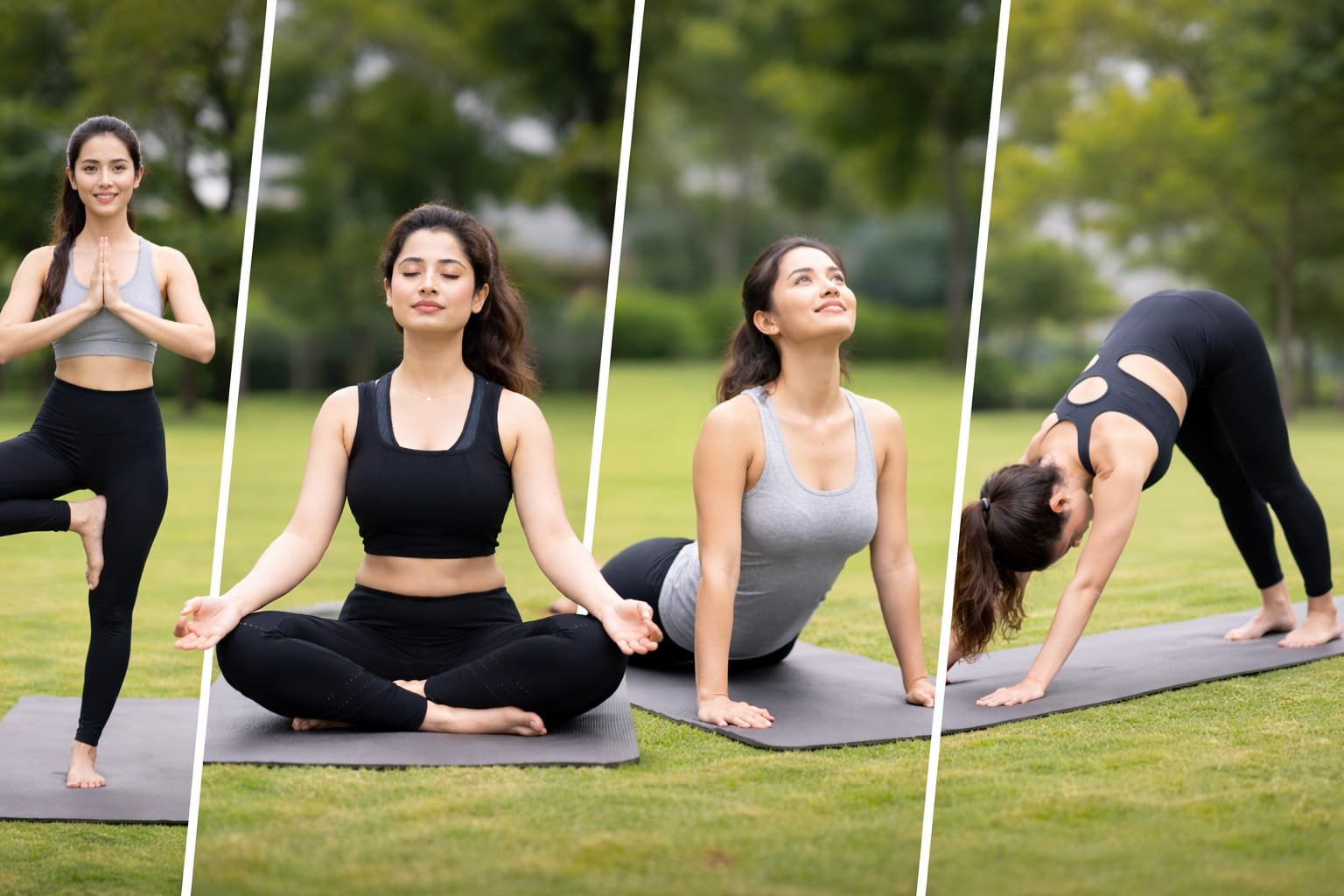
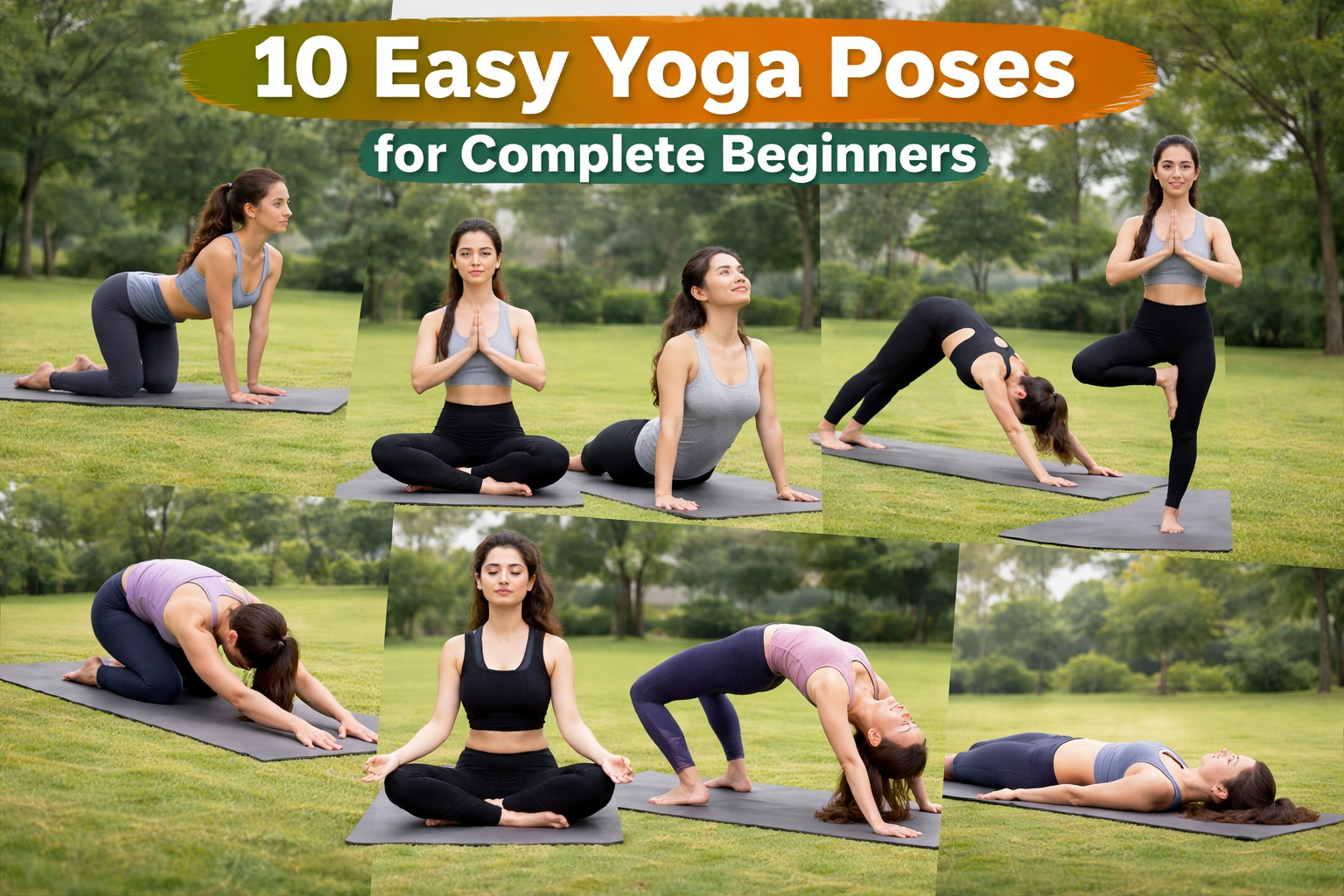
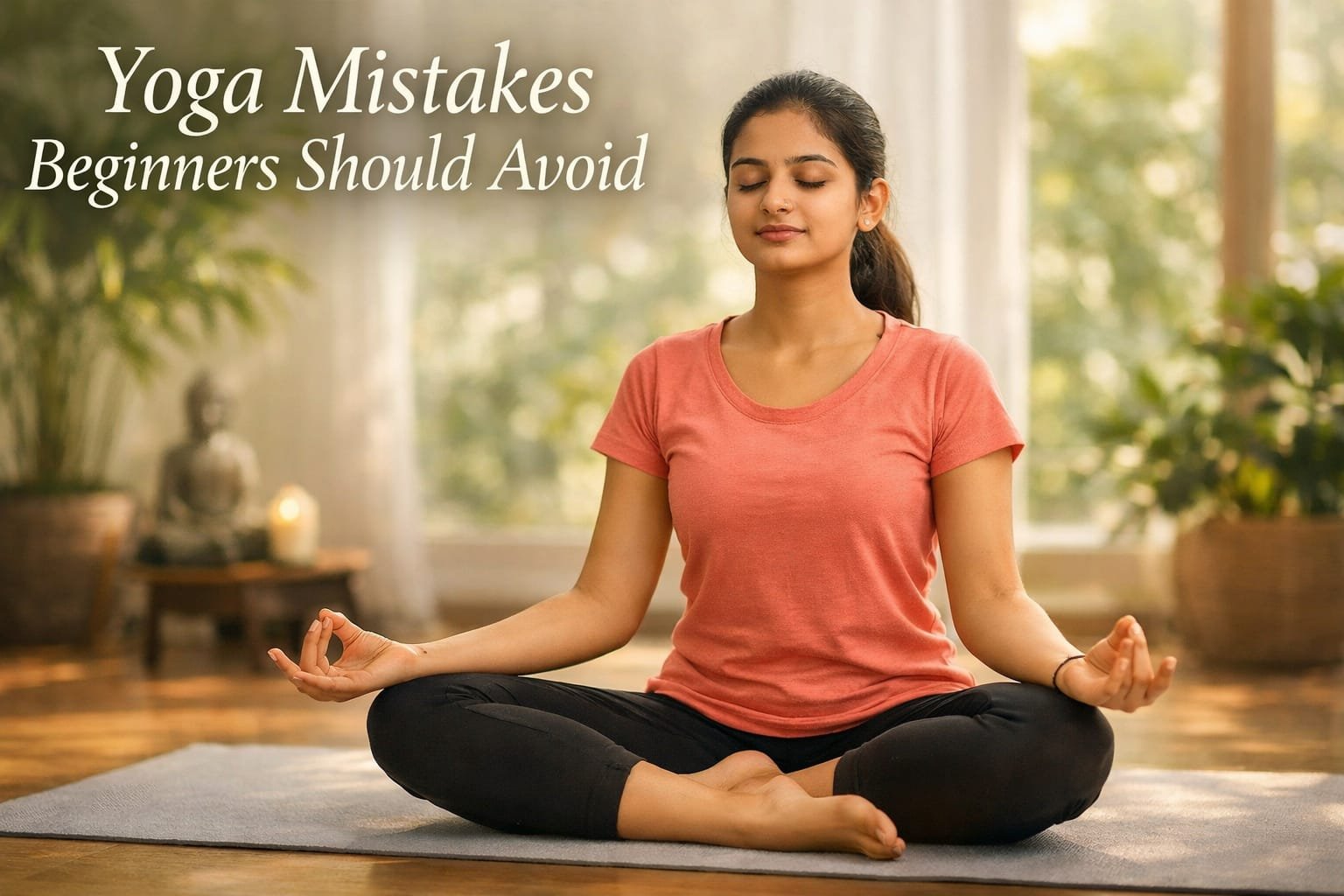
Yoga is more than just stretching; it’s a holistic approach to physical, mental, and emotional well-being. Beginners often make mistakes that can slow progress, cause discomfort, or even lead to injury. In this comprehensive guide, we will explore the **most common yoga mistakes beginners make** and provide practical solutions, pose variations, breathing techniques, and routines to help you practice safely and effectively.
1. Skipping Proper Warm-Up
Starting yoga without warming up is one of the biggest mistakes beginners make. Warming up increases blood flow, loosens tight muscles, and prepares the body for deeper stretches.
Warm-Up Poses and Techniques
- Cat-Cow Pose (Marjaryasana-Bitilasana): Improves spinal flexibility and activates the back muscles.
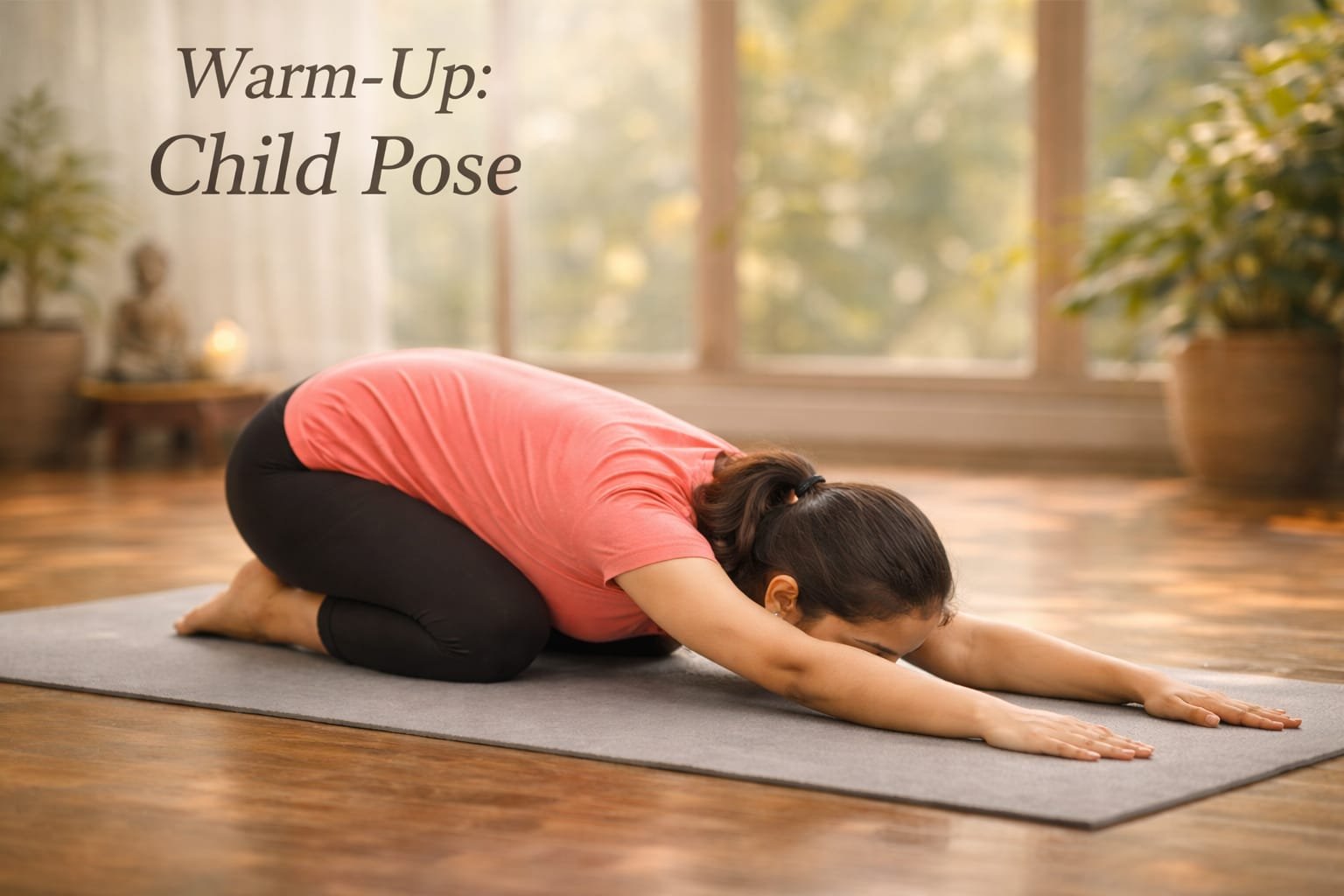
- Child’s Pose (Balasana): Relieves tension in the back and shoulders while gently stretching the hips.
- Seated Forward Bend (Paschimottanasana – Gentle): Stretches hamstrings and lower back gradually, reducing risk of injury.
- Neck and Shoulder Rolls: Release tension in the upper body and increase mobility.
- Gentle Hip Circles: Open the hips and prepare for standing poses.
Follow Daily Yoga Routine for Beginners for a complete structured warm-up.
Pro Tip: Spend 5–10 minutes warming up before each session, especially in the morning or after sitting for long hours.
2. Ignoring Proper Breathing
Many beginners focus solely on poses and forget to breathe correctly. Breath is a bridge between body and mind. Improper breathing reduces oxygen supply, causes fatigue, and may increase tension in muscles.
Benefits of Proper Breathing
- Enhances focus and mindfulness
- Increases oxygen supply to muscles and brain
- Improves posture and balance
- Reduces stress, anxiety, and mental fatigue
Breathing Techniques for Beginners
- Ujjayi Breath: Slow, controlled breathing for dynamic flows and holding postures.
- Diaphragmatic Breathing: Deep belly breathing reduces stress and strengthens core muscles.
- Alternate Nostril Breathing (Nadi Shodhana): Balances energy and calms the nervous system.
For detailed exercises, see Yoga for Stress Relief.
Tip: Synchronize movement with breath—inhale to expand, exhale to deepen stretches.
3. Overstretching or Pushing Too Hard
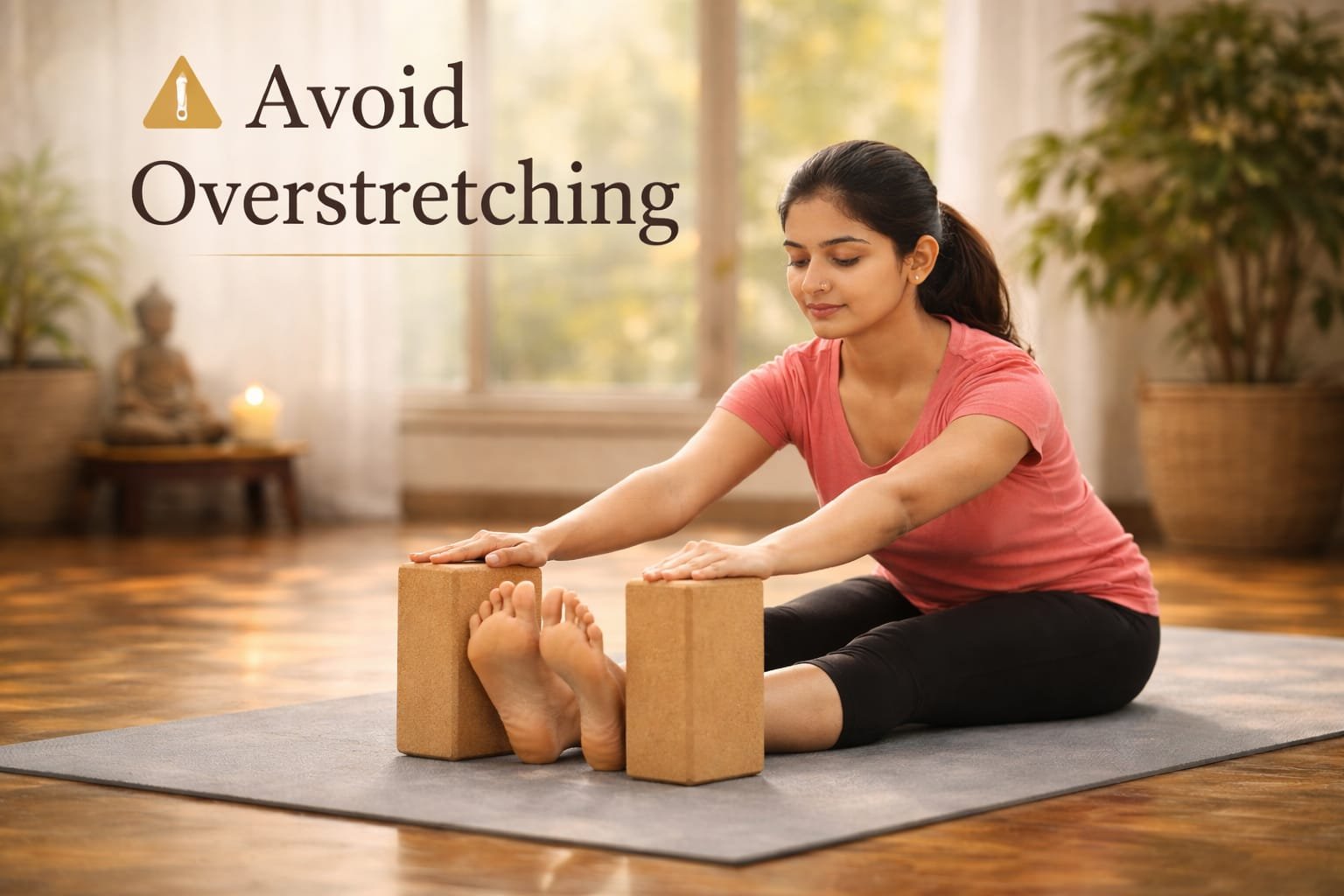
Beginners often try to copy advanced yogis, leading to overstretching, pulled muscles, or joint strain. Yoga is about **alignment and control**, not how deep you can go.
Tips to Avoid Overstretching
- Prioritize alignment over flexibility.
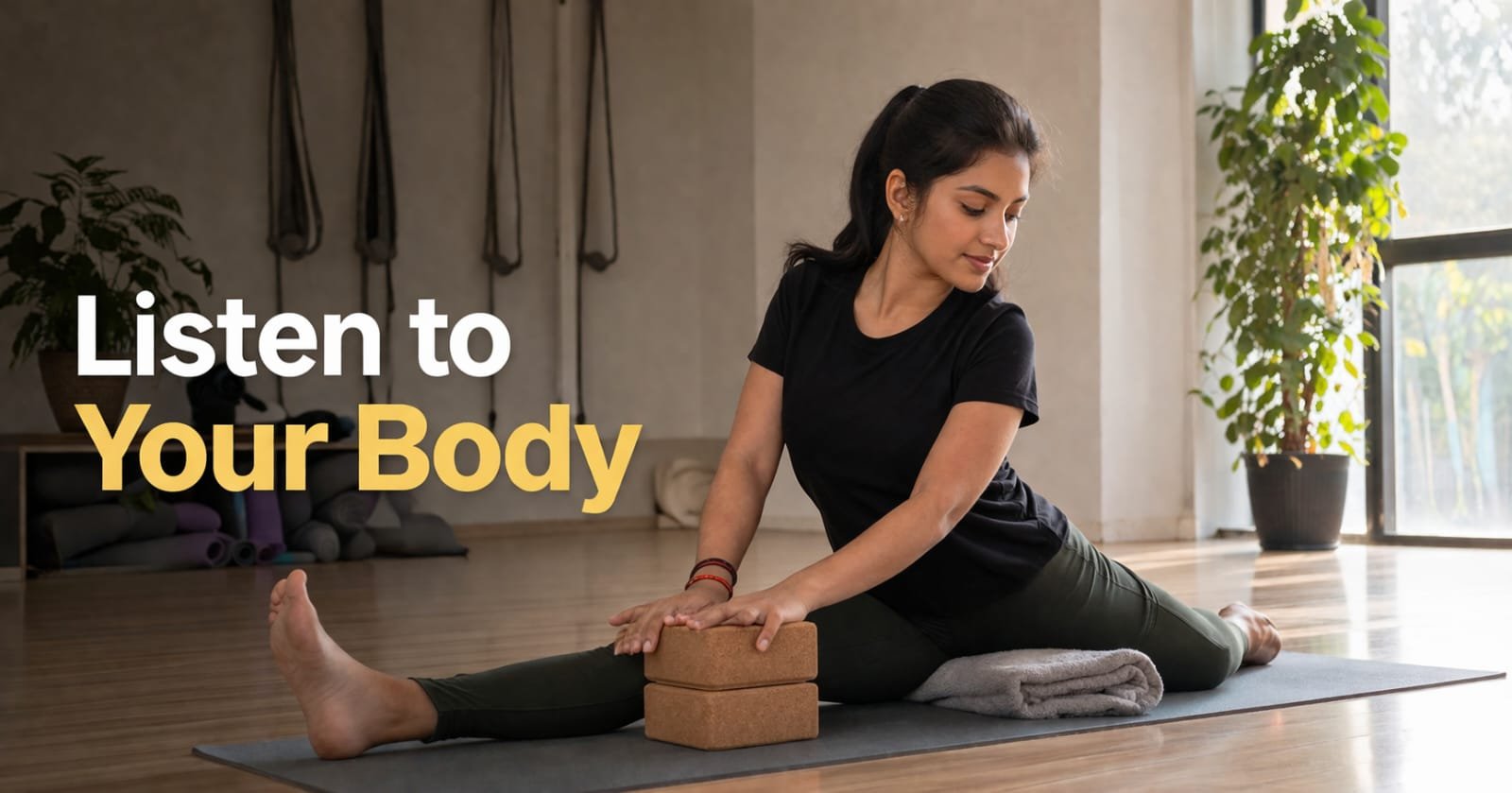
- Use props like blocks, straps, and cushions for support.
- Gradually increase depth over weeks, not days.
- Listen to your body: mild tension is okay, pain is not.
Common Overstretching Mistakes
- Forcing the forward bend beyond comfort level
- Collapsing shoulders in poses like Downward Dog
- Hyperextending knees or elbows in standing poses
See 10 Easy Yoga Poses for Complete Beginners for safe variations.
4. Neglecting Proper Alignment
Incorrect alignment is a common cause of injuries in beginners. Weight-bearing poses like Downward Dog or Warrior II require proper positioning to prevent strain.
Alignment Guidelines
- Keep knees over ankles to protect joints
- Engage core muscles to support the spine
- Distribute weight evenly on hands and feet
- Relax shoulders and open chest
- Maintain neutral neck alignment
Learn more about proper alignment in Complete Beginners Guide to Yoga.
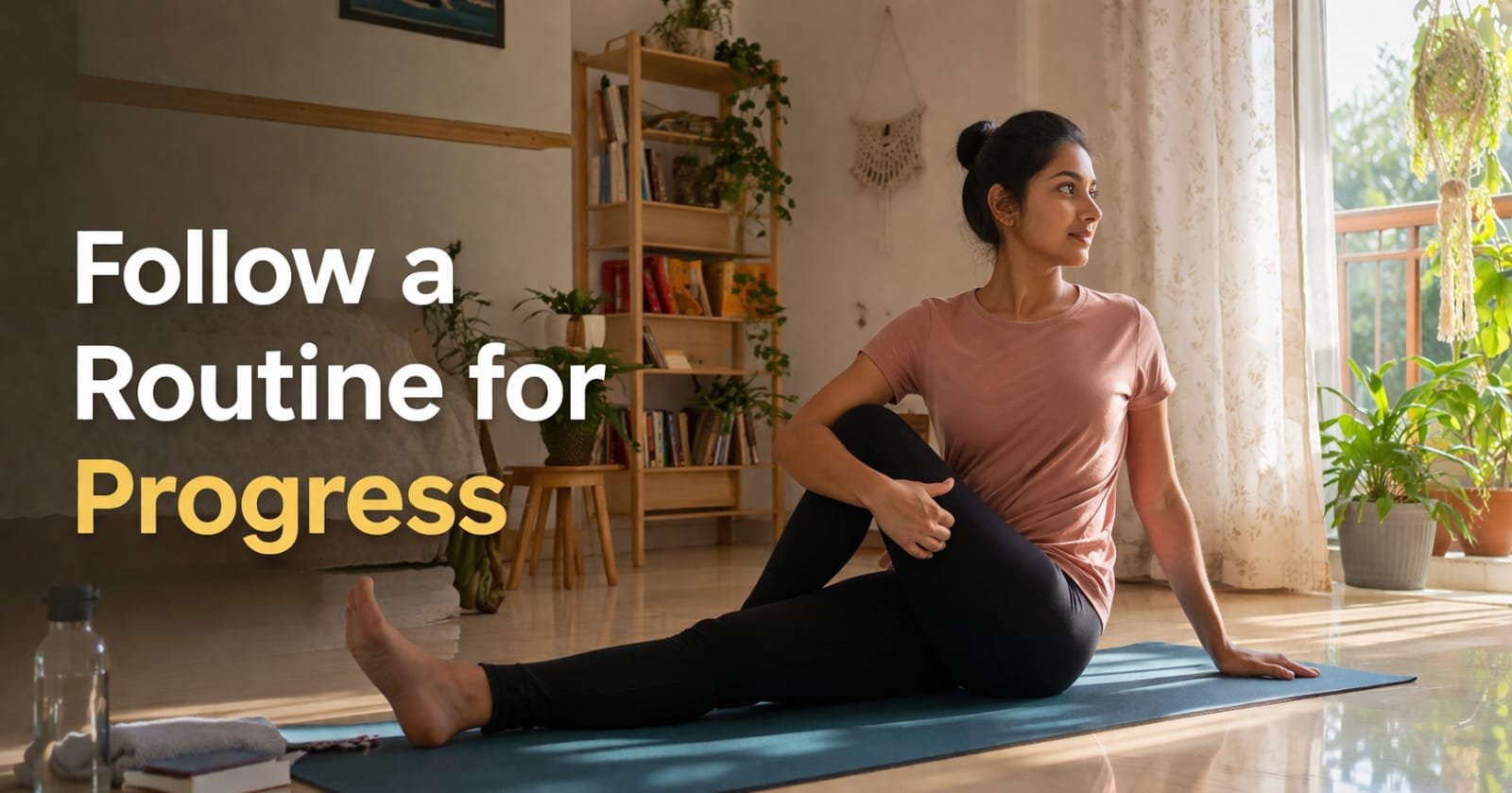
5. Practicing Without a Routine
Lack of structure in yoga practice slows progress. Consistency improves flexibility, strength, and mental clarity.
Suggested Routine for Beginners
- 5–10 minutes – Warm-up
- 15–25 minutes – Main yoga poses
- 5–10 minutes – Breathing exercises
- 5 minutes – Relaxation (Savasana)
Following a routine ensures you build discipline and see results faster. Check this routine for guidance.
6. Ignoring Pain or Discomfort
Pain is your body’s warning. Beginners often push through it, causing injuries. Distinguish between mild stretching and sharp pain.
Handling Discomfort
- Stop immediately if pain occurs
- Modify poses using props or wall support
- Gradually increase flexibility over time
- Consult a yoga instructor if unsure
Read more: Healthline: Yoga Mistakes Beginners Make
7. Skipping Relaxation and Meditation
Savasana and meditation are vital for recovery and mental clarity. Beginners often skip them, missing stress-relieving benefits.
Relaxation Techniques
- 5–10 minutes Savasana at the end of session
- Focus on slow breathing and body awareness
- Optional guided meditation or calming music
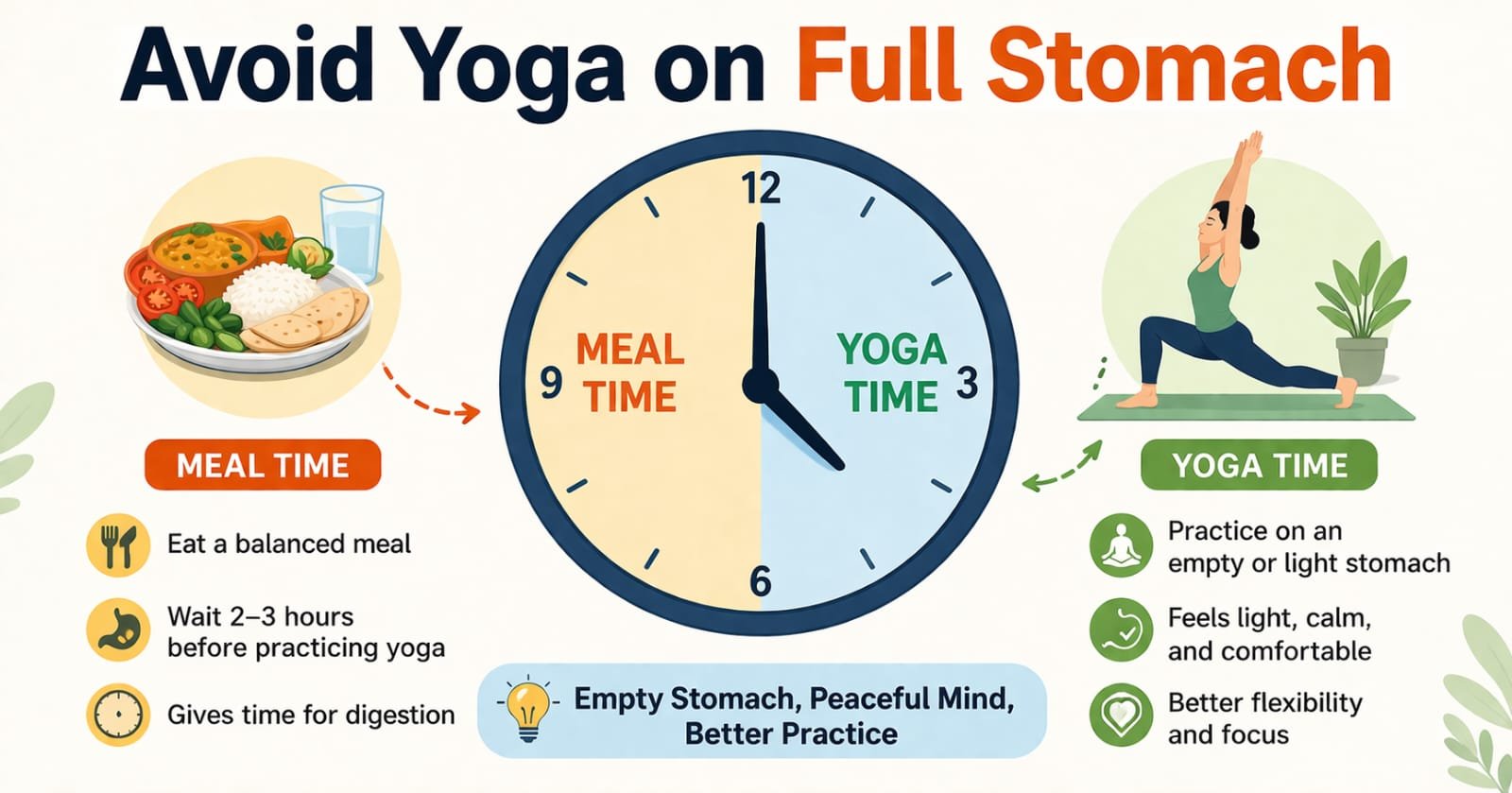
8. Practicing on a Full Stomach
Doing yoga after a heavy meal can cause discomfort or nausea. Wait at least 2–3 hours post-meal. Light snacks like fruits are fine 30–45 minutes before practice.
9. Not Staying Hydrated
Hydration is key for longer or hot yoga sessions. Drink water before and after practice, but avoid overhydration during poses.
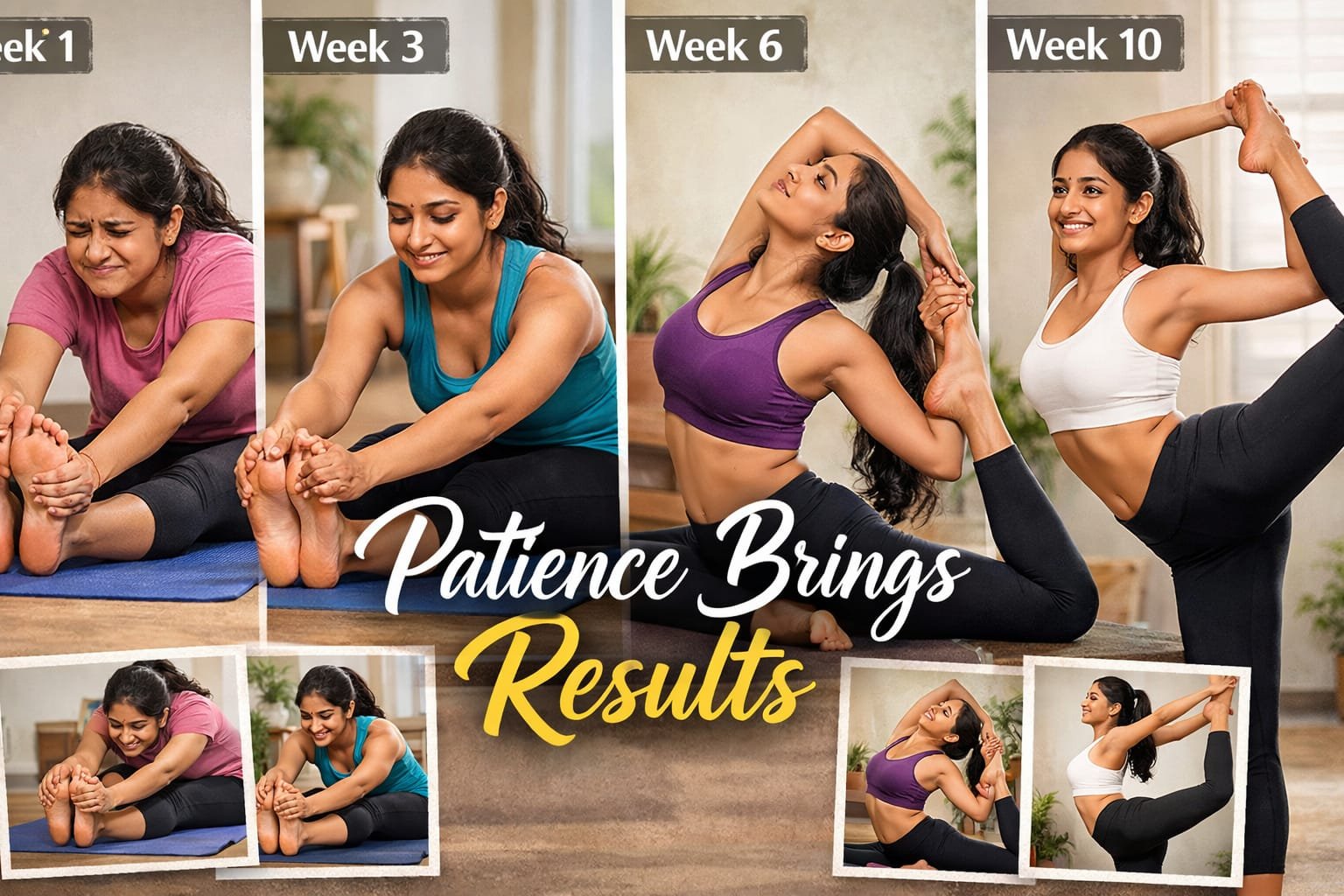
10. Expecting Quick Results
Yoga is a long-term lifestyle practice. Beginners often expect instant flexibility, stress relief, or weight loss. Patience, consistency, and mindful practice are essential.
Tips for Progress
- Track progress in a yoga journal
- Celebrate small milestones
- Combine yoga with healthy diet and adequate sleep
- Gradually challenge yourself with new poses
11. Additional Beginner Tips
- Practice in a quiet and ventilated space
- Wear flexible and comfortable clothing
- Use props for safe alignment
- Follow trusted instructors online or offline
- Maintain a regular practice schedule
- Listen to your body; never push through pain