
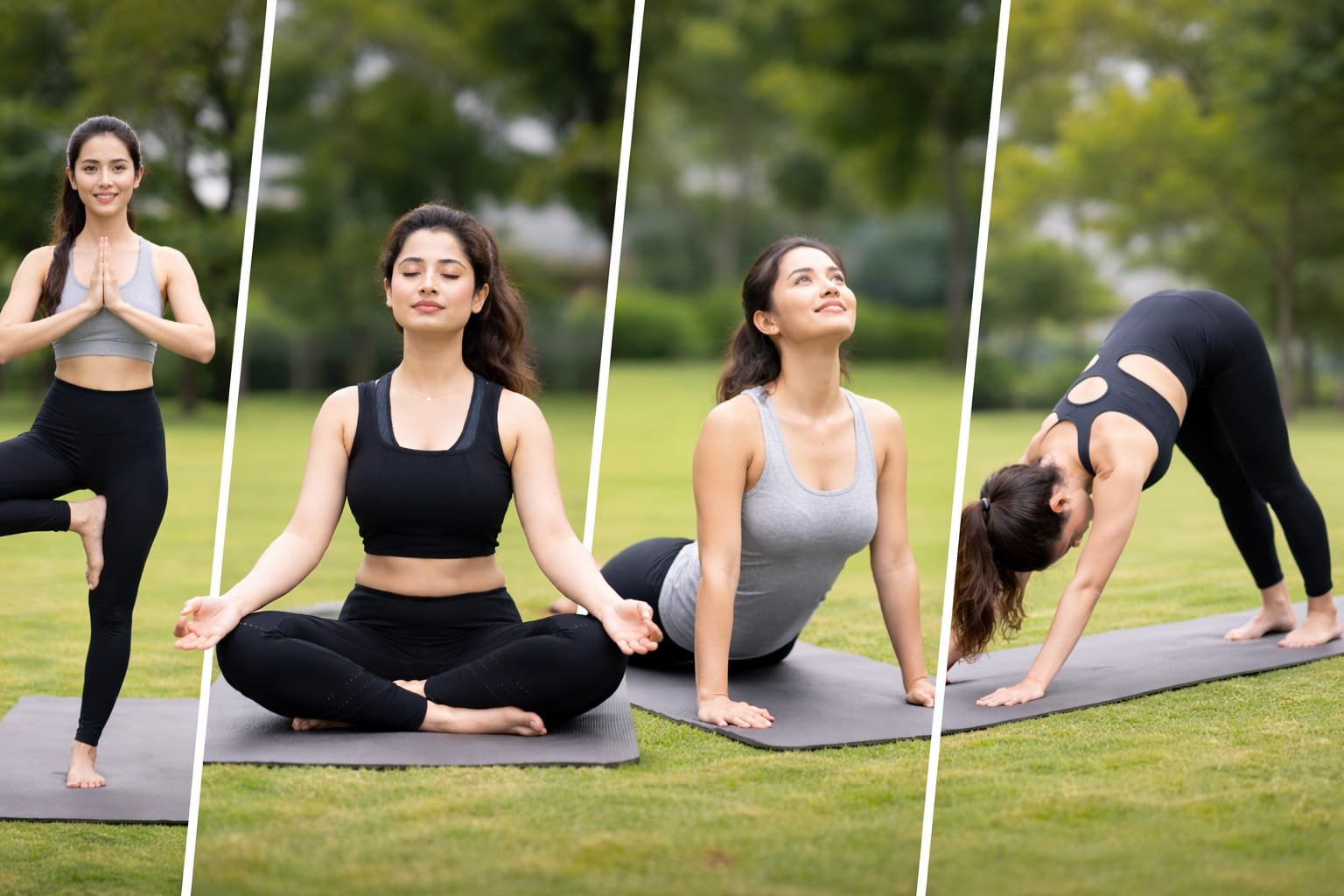


Gas, bloating, and heaviness in the stomach can make even a normal day feel uncomfortable. Many people deal with this problem because of poor eating habits, stress, lack of movement, or irregular digestion. While quick remedies may offer temporary comfort, they do not always address the root cause.
Yoga can be a simple and natural way to support better digestion and reduce gas-related discomfort. With the right poses, gentle movement, and proper breathing, you can help your body feel lighter, calmer, and more balanced.
In this guide, you will learn a complete yoga routine for gas relief, starting from beginner-friendly poses and moving toward more advanced options. You will also find warm-up guidance, pose duration, and practical tips to make your practice safer and more effective.
What Causes Gas and Bloating?
Gas and bloating are common digestive issues that can affect your comfort, energy, and daily routine. Many people assume it is only related to food, but the real causes are often deeper and linked to lifestyle habits.

One of the biggest reasons is eating too quickly or consuming processed and oily foods. When food is not properly digested, it leads to gas formation inside the stomach. A lack of physical activity can also slow down digestion, making the problem worse.
Stress is another hidden factor. When your mind is not relaxed, your digestive system also slows down. If you’re dealing with stress regularly, practices like simple stress relief yoga techniques can make a noticeable difference.
For beginners, understanding the basics of yoga can also help you build the right foundation. You can explore this in detail in this complete beginner’s guide to yoga.
Common Symptoms of Gas Problem
Gas-related issues can show up in different ways. Some of the most common symptoms include:
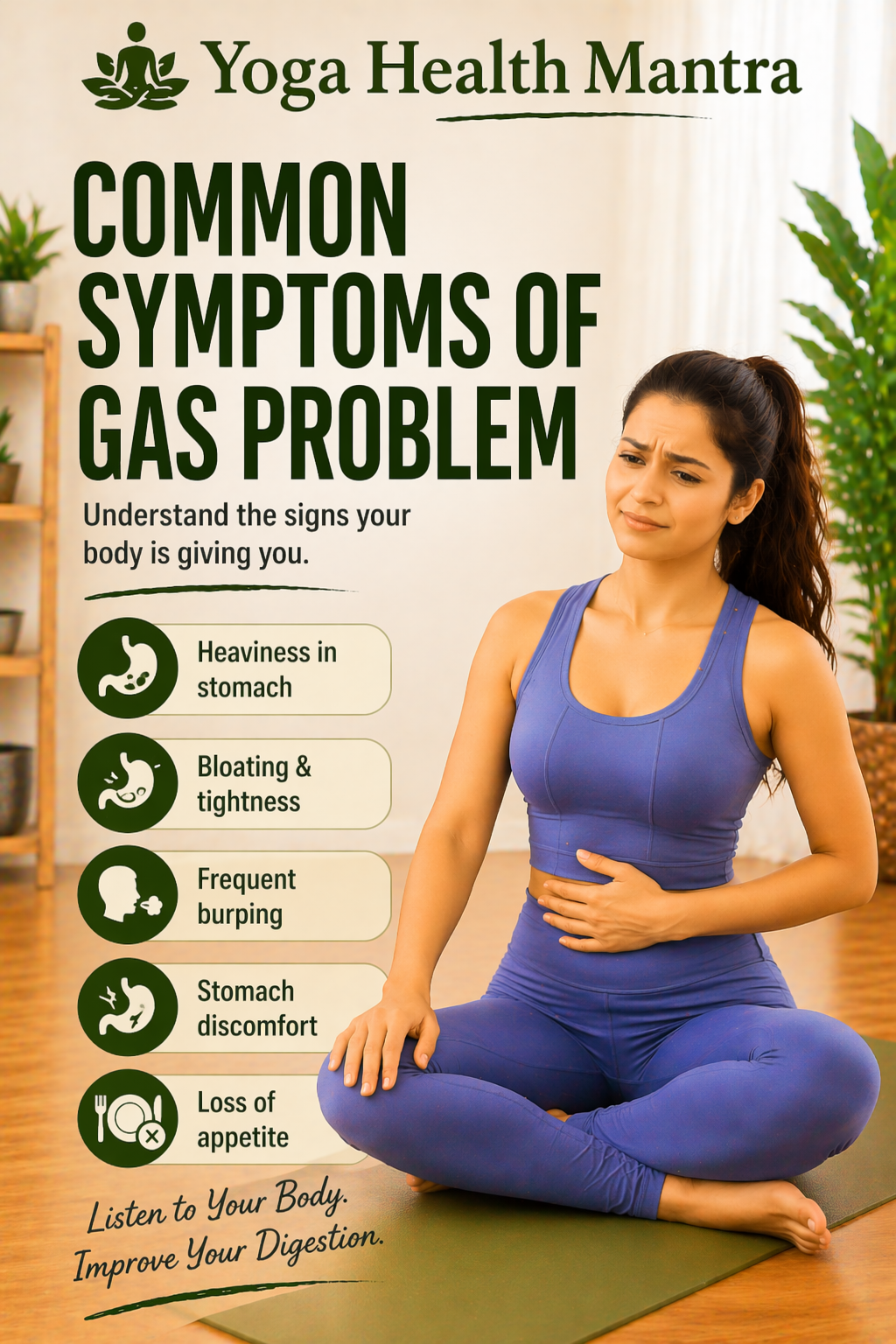
- Feeling of heaviness in the stomach
- Bloating or tightness in the abdomen
- Frequent burping or passing gas
- Stomach discomfort or mild pain
- Loss of appetite
If these symptoms happen regularly, it’s a sign that your digestion needs attention. Following a proper routine like this daily yoga routine for beginners can help improve your digestive health naturally.
Why Yoga is Effective for Gas Relief
Yoga works in a natural and holistic way. It does not just target symptoms but improves the overall function of your digestive system.

Certain yoga poses gently compress and stretch the abdominal area. This helps release trapped gas and improves the movement of food inside the digestive tract. Twisting poses, in particular, are very effective in stimulating digestion.
Yoga also helps reduce stress, which is directly connected to gut health. A relaxed mind supports a healthy digestive system. If you are just starting your journey, you can begin with easy yoga poses for beginners to build consistency.
In addition, maintaining proper posture during yoga is very important. Many beginners make small mistakes that reduce effectiveness. You can avoid them by checking these common yoga mistakes and safety tips.
Important Things to Know Before You Start
Before you begin practicing yoga for gas relief, it helps to follow a few simple rules. These small precautions can make your practice safer, more comfortable, and more effective.
First, avoid doing most yoga poses immediately after a heavy meal. Your stomach needs some time to digest food properly. In most cases, it is best to practice on a light stomach or wait at least 2 to 3 hours after eating. One exception is Vajrasana, which is often practiced after meals to support digestion.

Second, do not force your body into a pose too quickly. Gas relief yoga works best when movements are slow, controlled, and supported by calm breathing. The goal is not to stretch deeply but to help the digestive system relax and function better.
Third, choose a quiet and comfortable space where you can move without distraction. If your body feels stiff, tired, or tense, starting with a gentle routine is always better than pushing into advanced poses too early.
If you are still building your confidence, this guide on
easy yoga poses for complete beginners
can help you understand how to begin in a more comfortable way.
You should also pay attention to posture and alignment from the very beginning. Even simple mistakes can reduce the effectiveness of your practice. This is why many beginners benefit from reading these
safe yoga tips for beginners
before starting..
Warm-Up Before Yoga (Do Not Skip This Step)
Before starting yoga for gas relief, it is important to prepare your body properly.
Many beginners make the mistake of directly jumping into yoga poses, which can reduce effectiveness
and even cause discomfort.
A simple 5–7 minute warm-up helps activate your muscles, improve blood circulation,
and prepare your digestive system for better results.

If you are completely new to yoga, you can first understand the basics here:
What is Yoga – Complete Beginner’s Guide
Quick Warm-Up Routine
- Neck Rotation – 30 seconds
- Shoulder Rotation – 30 seconds
- Arm Circles – 30 seconds
- Side Stretch – 1 minute
- Waist Rotation – 1 minute
- Knee & Ankle Rotation – 1 minute
Perform each movement slowly and gently. Do not rush. Focus on breathing and body awareness.
Important Tips
- Keep your breathing normal
- Do not force any movement
- Move slowly and mindfully
- Stop if you feel pain
Avoid common beginner mistakes by following this guide:
Yoga Mistakes Beginners Should Avoid
Best Yoga Poses for Gas Relief (Beginner to Advanced)
Now that your body is properly warmed up, it’s time to move into the most effective part of this routine — yoga poses that directly support digestion and help release trapped gas.
The key is to start slow and listen to your body. You don’t need intense movements in the beginning. Gentle, mindful yoga is more than enough to activate your digestive system and reduce discomfort.
If you are a beginner, focus on simple and comfortable poses. These movements help stimulate the abdominal organs, improve blood flow, and naturally relieve bloating and gas.
As your body becomes more flexible and confident, you can gradually move toward intermediate and advanced poses for deeper benefits.
These beginner-friendly poses are easy to practice at home and require no prior experience. They are designed to:
- Release trapped gas naturally
- Reduce bloating and stomach discomfort
- Improve overall digestion
- Relax your body and mind
If you are completely new to yoga, you can also explore our detailed guide on easy yoga poses for complete beginners to build a strong foundation before moving into a full routine.
1. Pavanamuktasana (Wind-Relieving Pose)
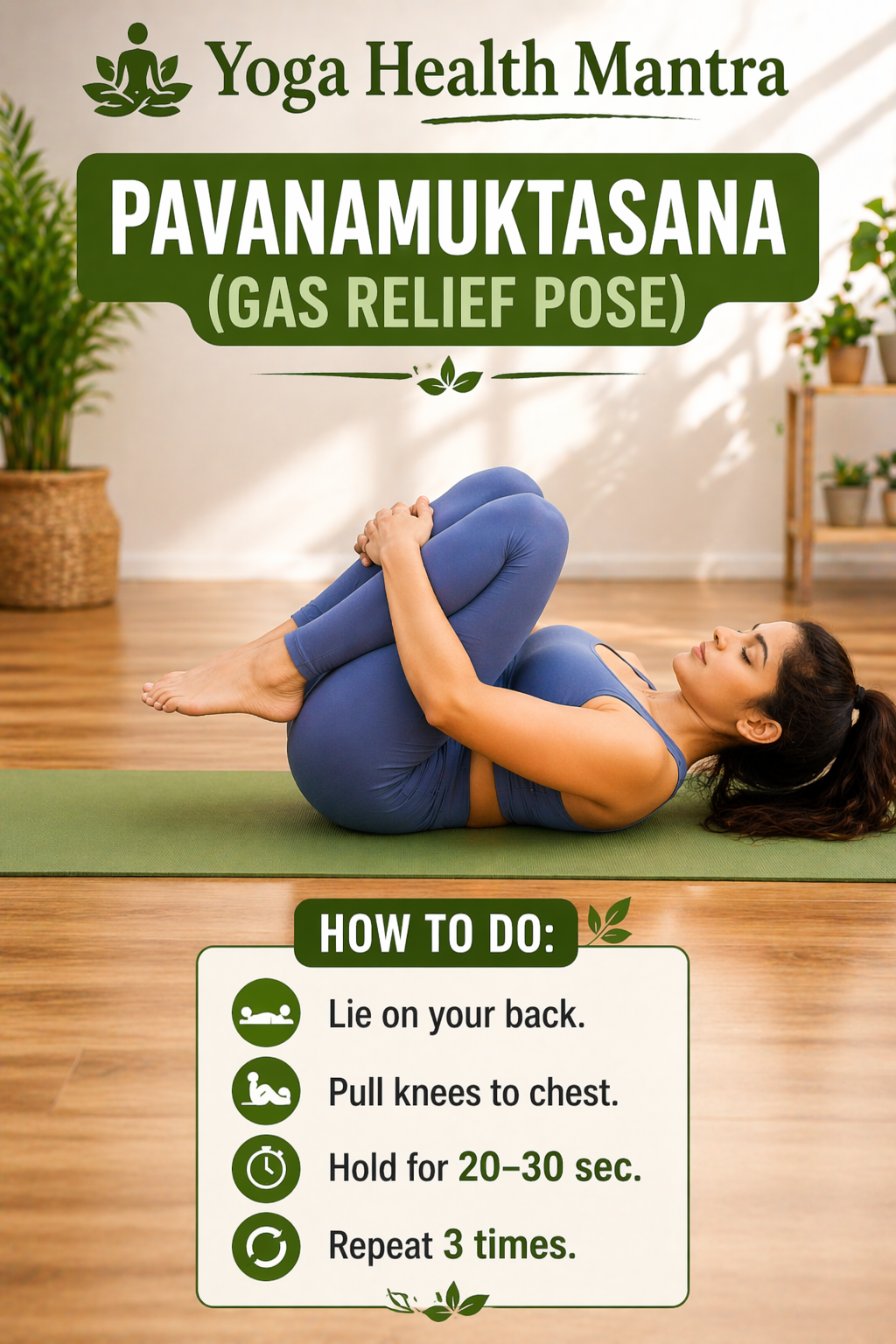
Pavanamuktasana, also known as the Wind-Relieving Pose, is one of the most effective yoga poses for releasing trapped gas and reducing bloating naturally.
As the name suggests, this pose directly targets gas in the digestive system and helps move it out of the body with ease.
It is especially helpful if you often experience stomach discomfort, heaviness, or pressure after eating.
This pose gently compresses the abdomen, which stimulates the intestines and supports smoother digestion.
If you are looking for quick relief from gas and bloating, this is one of the best poses to start with.
How to do it:
- Lie flat on your back on a yoga mat
- Keep your legs extended and arms relaxed by your sides
- Bend your right knee and bring it toward your chest
- Hold your knee with both hands and gently pull it closer
- Lift your head slightly and try to touch your nose to your knee (optional)
- Hold this position for a few breaths
- Release and repeat with the left leg
- Finally, bring both knees to your chest and hold
- Practice for 1–2 minutes with slow, deep breathing
Why it helps:
This pose applies gentle pressure on the abdominal area, which helps stimulate the digestive organs and improve bowel movement.
It supports the release of trapped gas, reduces bloating, and relieves discomfort in the stomach.
Regular practice can also improve digestion, reduce acidity, and make your stomach feel lighter and more relaxed.
Pro Tip:
Avoid pulling your knees too forcefully toward your chest.
Keep the movement gentle and controlled, and focus on your breathing. Slow breathing enhances the effectiveness of this pose.
This pose is a must-have in any gas relief yoga routine. Practice it regularly for better digestion and a comfortable, light feeling throughout the day.
2. Vajrasana
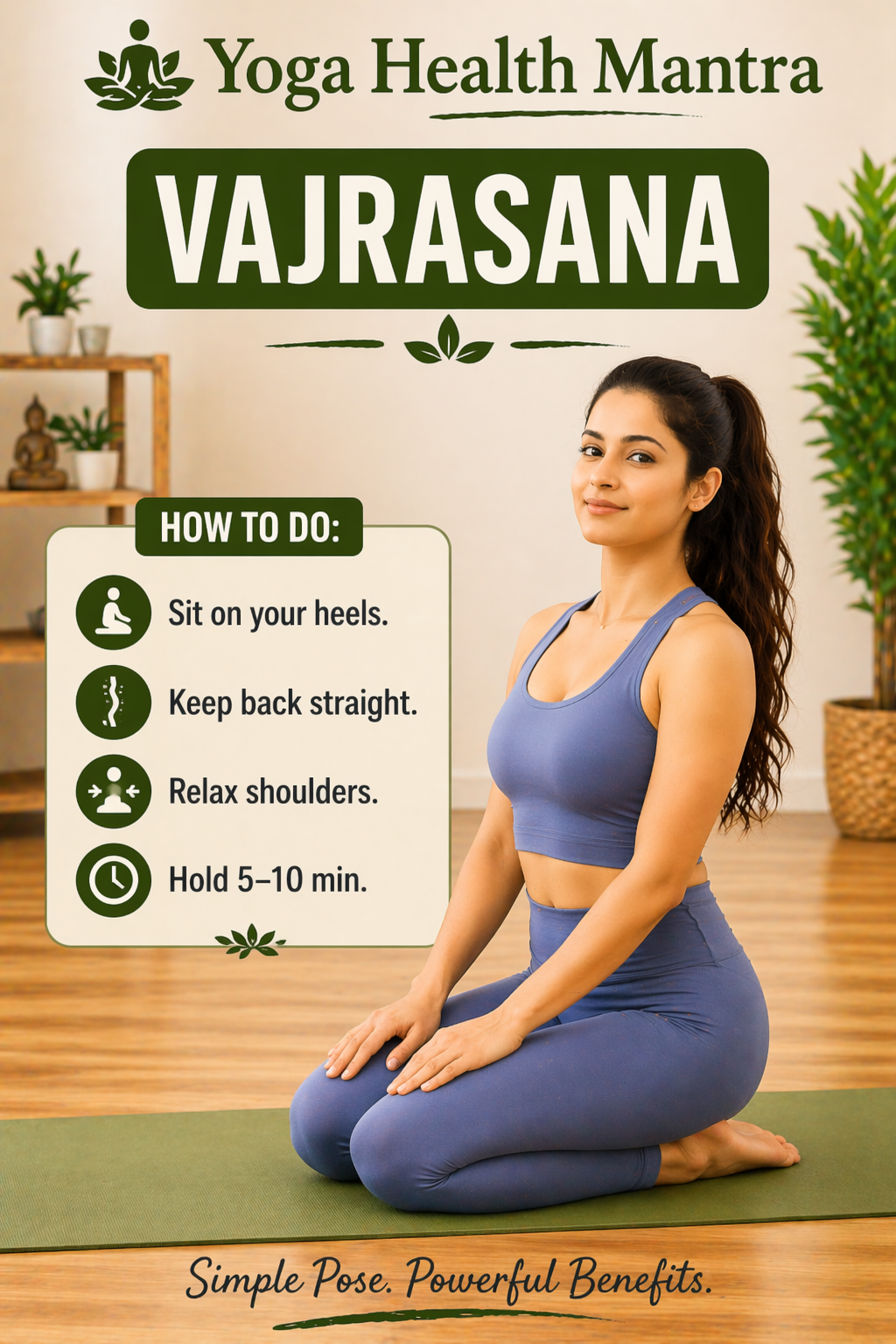
Vajrasana is one of the simplest yet most powerful yoga poses for improving digestion and reducing gas naturally.
Unlike most yoga poses, this can be practiced even after meals, making it highly effective for preventing bloating and acidity.
This pose helps your body direct blood flow toward the digestive organs, which supports faster and smoother digestion.
If you often feel heaviness, gas, or discomfort after eating, Vajrasana can make a noticeable difference.
It is especially beneficial for beginners because it is easy to perform and does not require much flexibility.
How to do it:
- Kneel down on a yoga mat
- Bring your knees together and keep your feet slightly apart
- Sit back on your heels comfortably
- Place your hands on your thighs
- Keep your back straight and shoulders relaxed
- Close your eyes and breathe slowly
- Stay in this position for 3–5 minutes after meals
Why it helps:
Vajrasana improves blood circulation in the abdominal area and supports better digestion.
It helps reduce gas formation, relieves bloating, and prevents acidity when practiced regularly.
This pose also calms the mind and reduces stress, which is another common cause of digestive issues.
Pro Tip:
Do not put too much pressure on your ankles.
If you feel discomfort, you can place a cushion or folded towel under your legs for support.
Vajrasana is one of the easiest ways to support digestion daily. Just a few minutes after meals can help you feel lighter, more comfortable, and free from gas-related discomfort.
If digestive discomfort also comes with mental tension, adding a calming routine like
stress relief yoga for beginners
can be very useful.
3. Apanasana
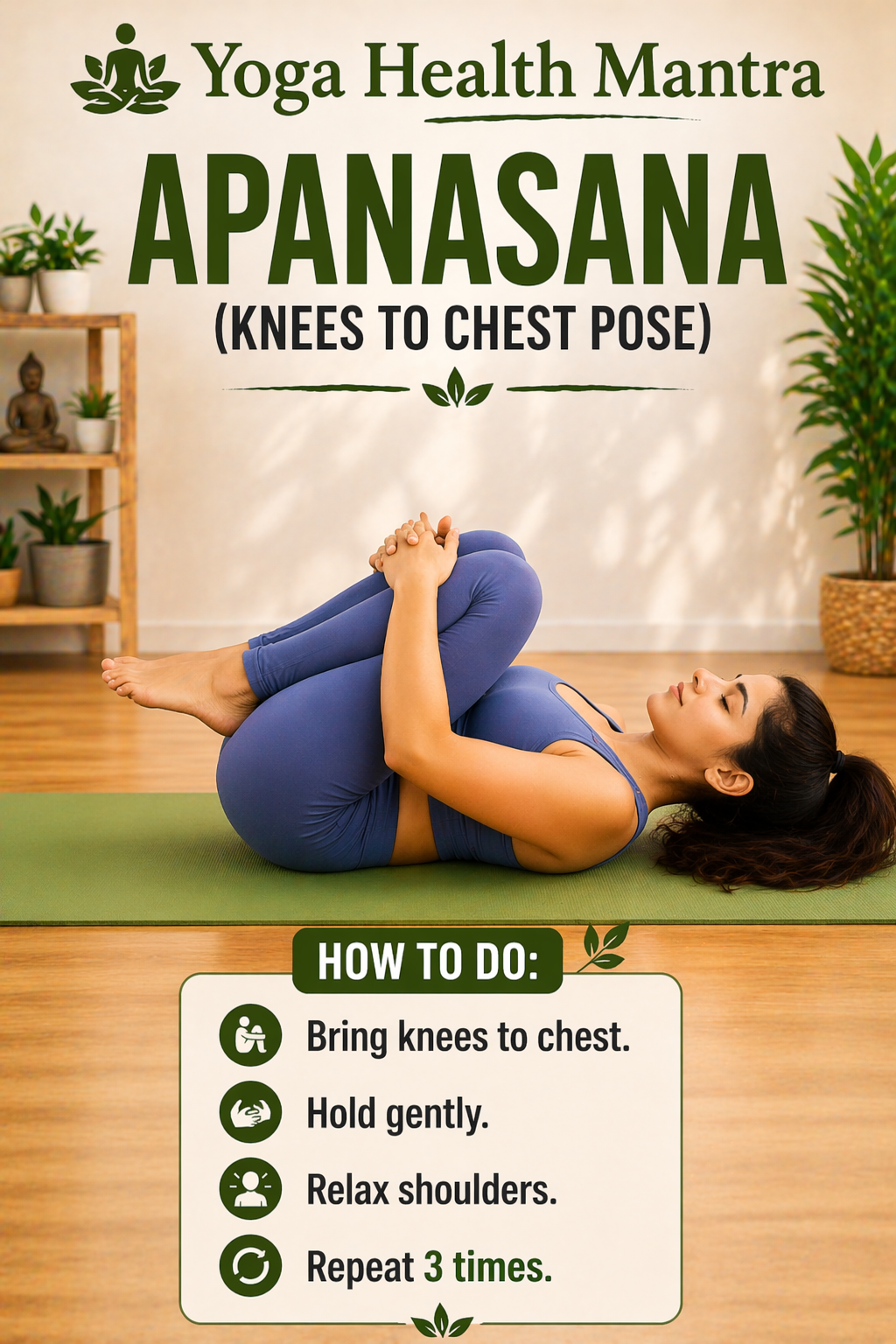
Apanasana, also known as the Gas Relief Pose, is a gentle and deeply relaxing yoga posture that helps release trapped gas and ease bloating naturally.
The word “Apana” refers to the downward flow of energy in the body, which supports elimination and digestion.
This pose works by applying soft pressure on the abdomen, which stimulates the digestive organs and encourages the movement of gas through the intestines.
It is especially helpful if you feel heaviness, tightness, or discomfort in your stomach.
Apanasana is beginner-friendly and can be practiced anytime, especially when you need quick relief from gas or digestive discomfort.
How to do it:
- Lie flat on your back on a yoga mat
- Bend both knees and bring them toward your chest
- Wrap your arms around your knees and hold them gently
- Keep your head relaxed on the floor
- Breathe slowly and deeply
- Hold this position for 1–2 minutes
(Optional: You can gently rock side to side for a light massage effect on the lower back)
Why it helps:
This pose gently compresses the abdominal area, which helps stimulate digestion and release trapped gas.
It improves bowel movement, reduces bloating, and provides relief from stomach discomfort.
The gentle pressure also massages the intestines, helping your body eliminate waste more efficiently.
Pro Tip:
Avoid holding your breath.
Focus on slow, deep breathing while staying relaxed in the pose. The more relaxed your body is, the more effective the results will be.
Apanasana is a simple yet powerful pose for gas relief. Practicing it regularly can help keep your digestive system active, balanced, and free from discomfort.
4. Balasana (Child’s Pose)
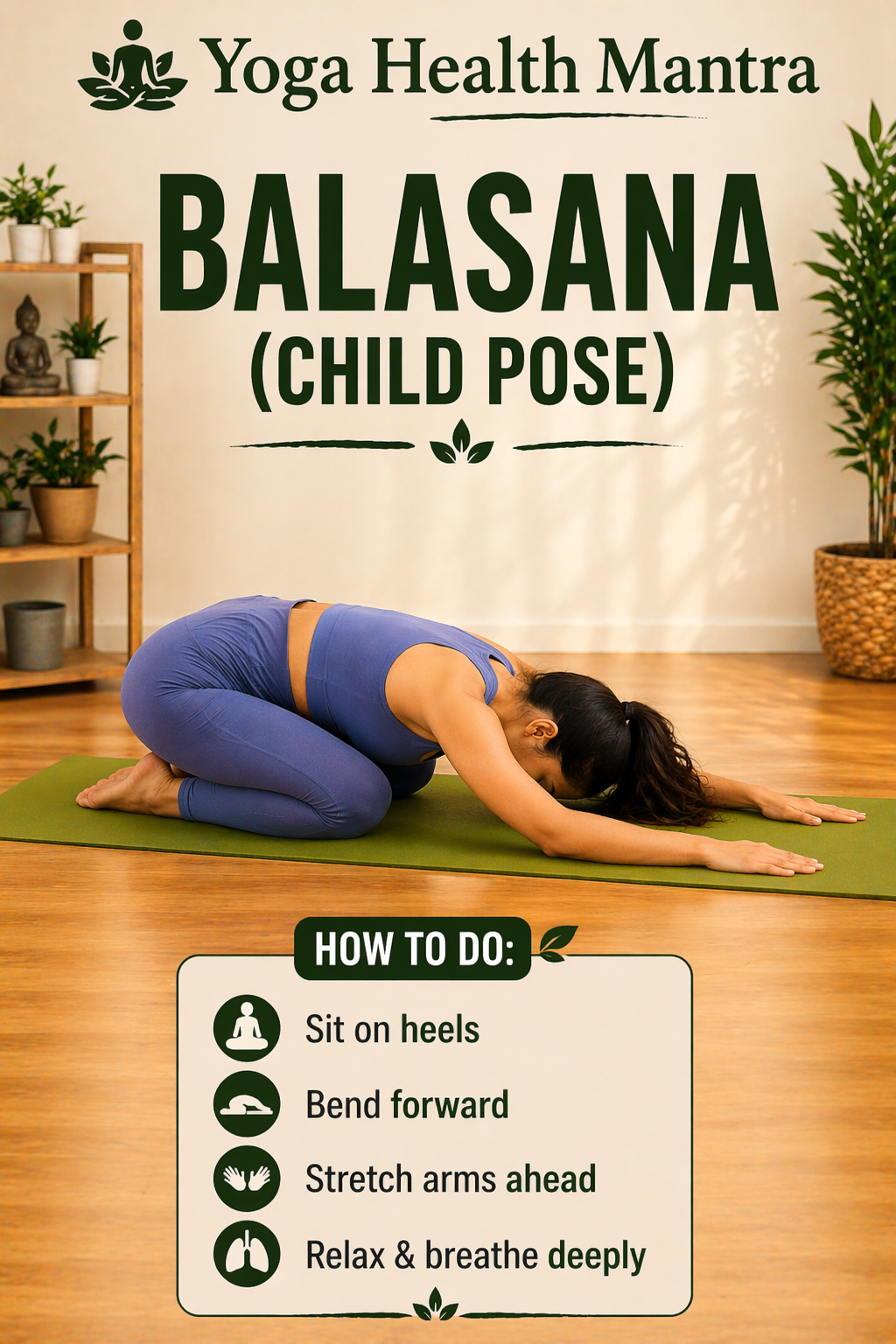
Balasana, also known as Child’s Pose, is a deeply relaxing yoga posture that gently stretches the lower back and compresses the abdomen to support digestion.
It is one of the best poses to calm the body while also helping relieve gas, bloating, and stomach discomfort.
This pose allows your body to rest while applying mild pressure on the abdominal area, which can stimulate digestion and help release trapped gas naturally.
If you feel heaviness, stress, or tightness in your stomach, Balasana can provide instant comfort.
It is especially helpful after a long day or after meals when your body needs relaxation along with digestive support.
How to do it:
- Kneel down on a yoga mat
- Bring your big toes together and keep your knees slightly apart
- Sit back on your heels
- Slowly bend forward and rest your forehead on the mat
- Extend your arms forward or keep them beside your body
- Relax your shoulders and breathe deeply
- Stay in this position for 1–3 minutes
Why it helps:
Balasana gently compresses the abdominal organs, which helps improve digestion and reduce bloating.
It also relaxes the nervous system, lowering stress levels that can contribute to digestive issues.
The forward bend creates a calming effect on the body, helping release tension in both the stomach and lower back.
Pro Tip:
Do not force your body to bend too much.
If your forehead does not comfortably reach the mat, you can use a cushion or folded towel for support.
Balasana is a perfect combination of relaxation and gentle digestive support. Practicing it regularly can help you feel calmer, lighter, and more comfortable from within.
5. Cat-Cow Pose (Marjariasana–Bitilasana)
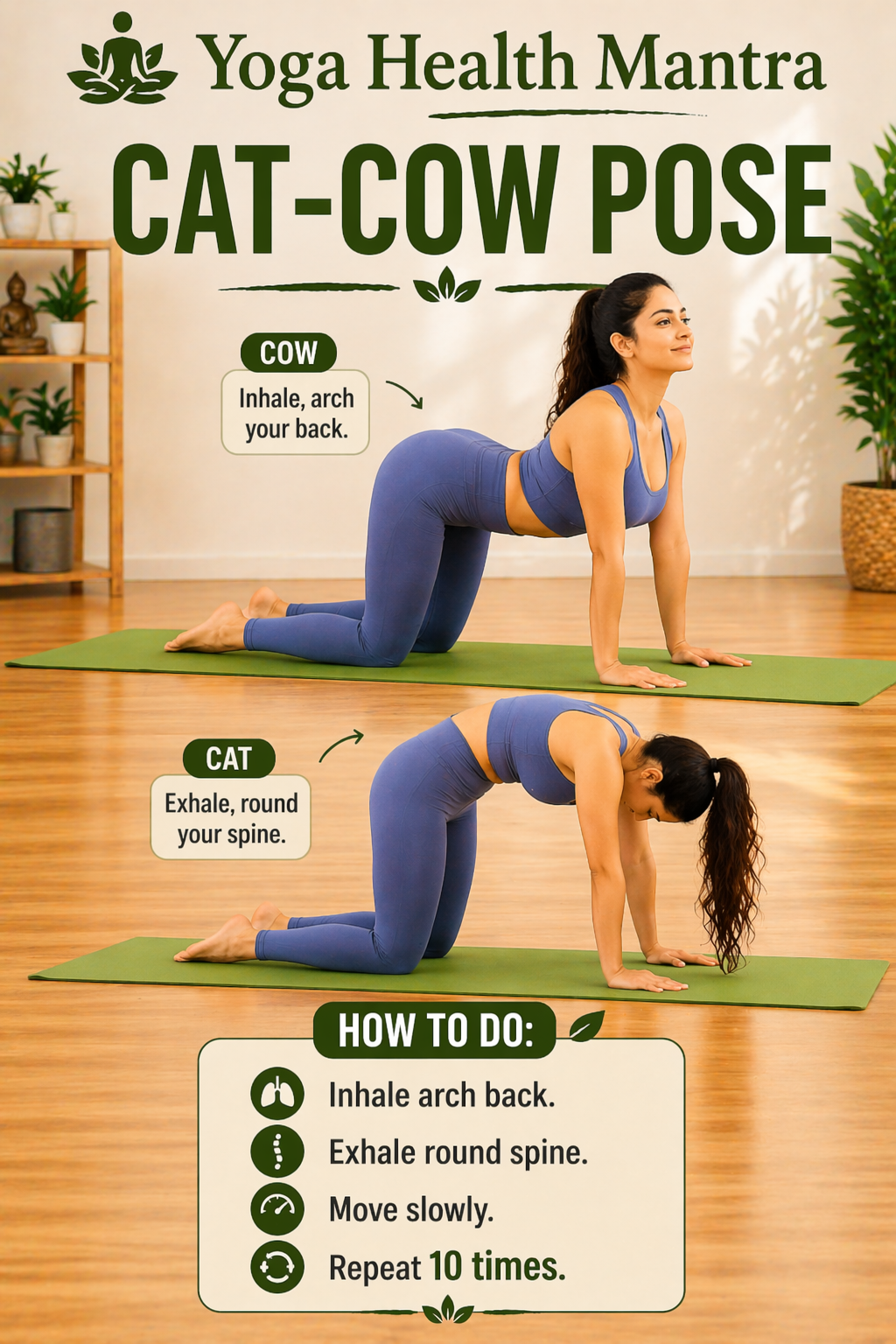
Cat-Cow Pose is a gentle flowing movement that connects your breath with your body.
It is one of the best poses to activate your digestive system without putting pressure on your stomach.
This pose helps improve flexibility in the spine while also massaging your abdominal organs.
If you often feel stiffness, bloating, or heaviness in your stomach, Cat-Cow can help release that tension
and improve the movement of gas inside the digestive tract.
How to do it:
- Start on your hands and knees (tabletop position)
- Keep your wrists under shoulders and knees under hips
- Inhale and arch your back (Cow Pose), lifting your chest and looking slightly upward
- Exhale and round your spine (Cat Pose), bringing your chin toward your chest
- Move slowly with your breath
- Repeat this flow for 1–2 minutes
Why it helps:
This pose gently compresses and stretches the abdomen with each movement.
It stimulates digestion, improves blood flow to digestive organs, and helps release trapped gas naturally.
It also reduces stiffness in the back, which often builds up due to long sitting hours.
Pro Tip:
Do not rush the movement. The slower you move with your breath, the more effective this pose becomes.
Focus on deep breathing to maximize results.
These five poses form a strong beginner foundation for gas relief yoga. Practice them slowly and consistently.
Once they start feeling comfortable, you can move on to the next level with slightly more active poses.
Intermediate Level (Go Deeper)
6. Bhujangasana (Cobra Pose)
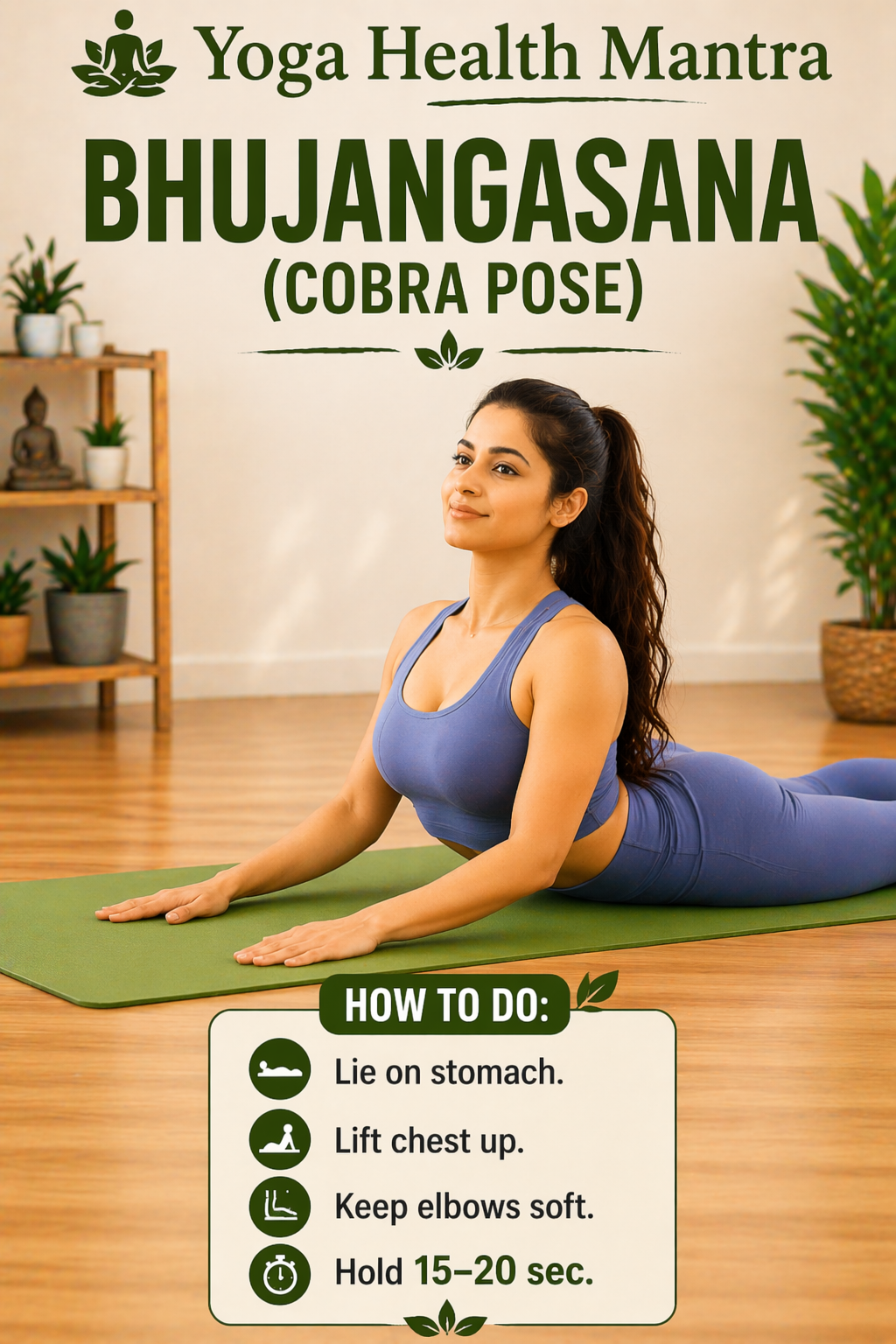
Bhujangasana, also known as Cobra Pose, is a powerful backbend that gently stretches your abdominal area
and helps improve digestion. This pose is especially useful when you feel heaviness, sluggish digestion,
or discomfort due to gas buildup.
It not only supports your digestive system but also strengthens your spine and opens up your chest,
helping you feel more active and energized.
How to do it:
- Lie flat on your stomach with legs extended and feet together
- Place your palms under your shoulders
- Keep your elbows close to your body
- Inhale and slowly lift your chest upward
- Keep your lower body relaxed and grounded
- Do not lock your elbows; keep them slightly bent
- Hold the position for 15–20 seconds while breathing normally
- Slowly come back down while exhaling
Why it helps:
Bhujangasana stretches the abdominal organs and improves blood circulation in the digestive area.
This helps reduce gas, improve digestion, and relieve bloating. It also reduces stiffness in the lower back
and supports overall body flexibility.
Pro Tip:
Avoid putting too much pressure on your hands. Let your back muscles do most of the work.
If you feel strain in your lower back, lift only as much as comfortable.
7. Ardha Matsyendrasana
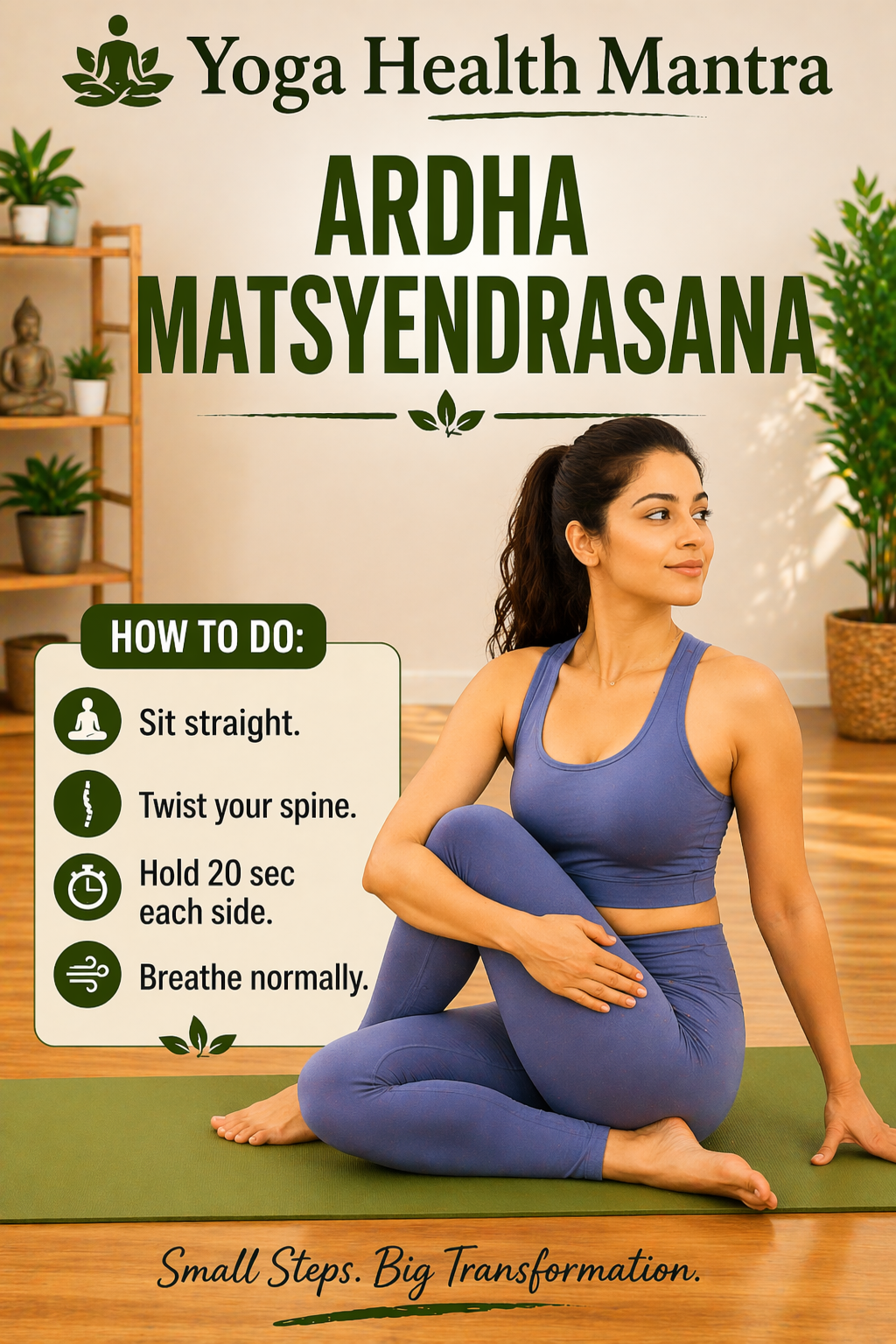
Ardha Matsyendrasana, also known as the Half Spinal Twist, is one of the most effective yoga poses
for improving digestion and relieving gas. This pose involves a gentle twist of the spine,
which directly stimulates your abdominal organs.
If you often experience bloating or a heavy stomach, this pose can help release trapped gas
and improve the overall movement of your digestive system.
How to do it:
- Sit on the mat with your legs extended straight
- Bend your right knee and place your foot outside the left thigh
- Keep your left leg straight or folded (beginner-friendly option)
- Place your right hand behind your back for support
- Twist your upper body toward the right side
- Place your left elbow outside the right knee
- Look over your right shoulder
- Hold the pose for 20–30 seconds
- Repeat on the other side
Why it helps:
This twisting motion gently compresses and massages your abdominal organs.
It helps push out trapped gas, improves digestion, and stimulates the liver and intestines.
It is especially effective for reducing bloating and improving gut health.
Pro Tip:
Keep your spine straight while twisting. Avoid forcing the twist.
Move slowly and breathe deeply to get the maximum benefit.
8. Setu Bandhasana (Bridge Pose)
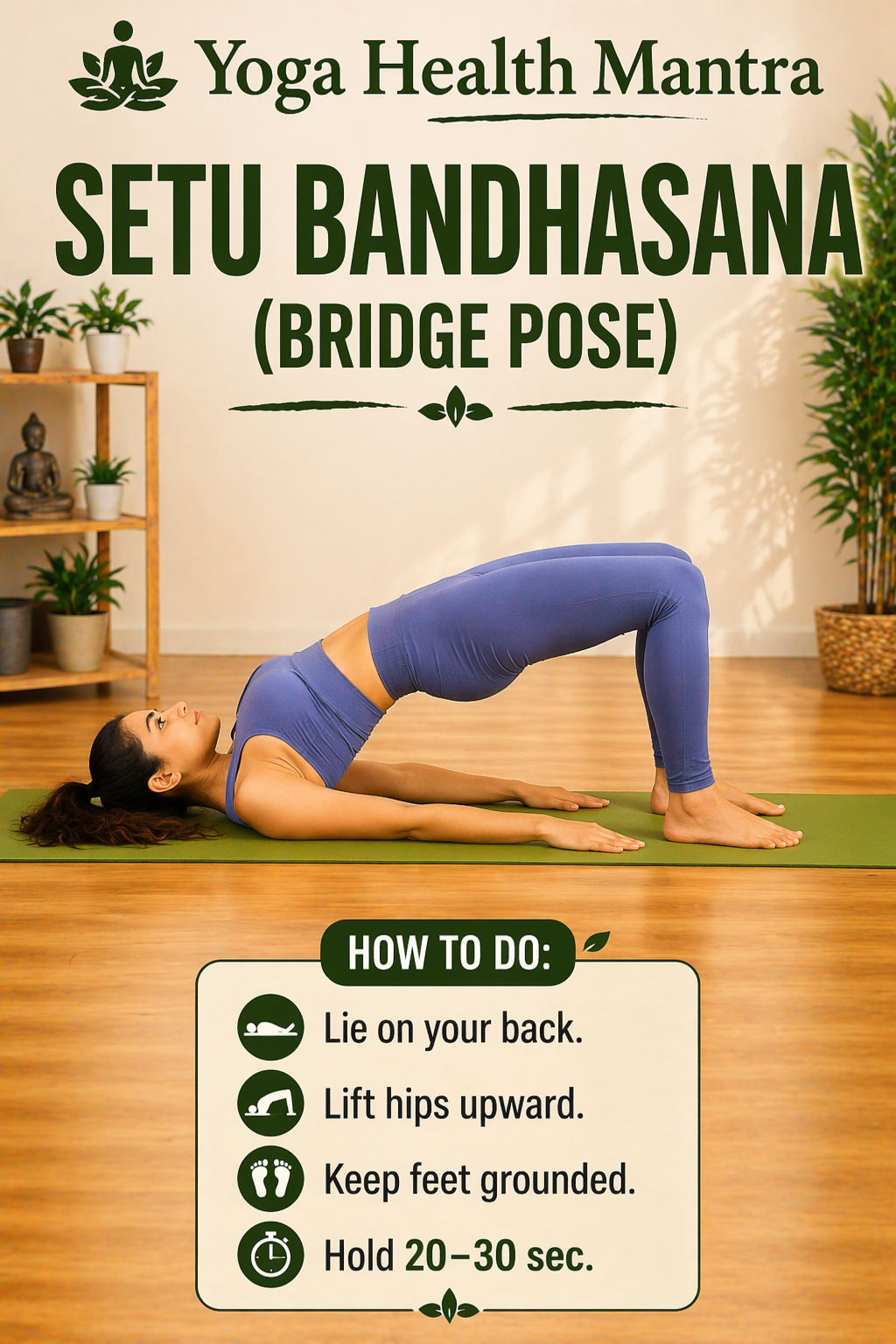
Setu Bandhasana, also known as Bridge Pose, is a gentle backbend that helps activate your abdominal
organs and improve digestion. This pose is especially useful when your digestion feels slow or when
you experience bloating after meals.
It not only supports your digestive system but also strengthens your lower back, core, and improves
overall blood circulation in the body.
How to do it:
- Lie flat on your back on the mat
- Bend your knees and place your feet flat on the floor
- Keep your feet hip-width apart
- Place your arms beside your body with palms facing down
- Inhale and slowly lift your hips upward
- Press your feet and shoulders firmly into the ground
- Hold the position for 20–30 seconds while breathing normally
- Exhale and slowly lower your hips back down
Why it helps:
This pose gently stretches the abdominal area and stimulates the digestive organs.
It helps reduce gas, improves blood flow to the stomach region, and supports better digestion.
It also relieves tension in the lower back, which is often connected to poor posture and digestion issues.
Pro Tip:
Do not push your body too high. Lift only as much as comfortable.
Keep your neck relaxed and avoid turning your head while holding the pose.
9. Malasana (Yoga Squat)
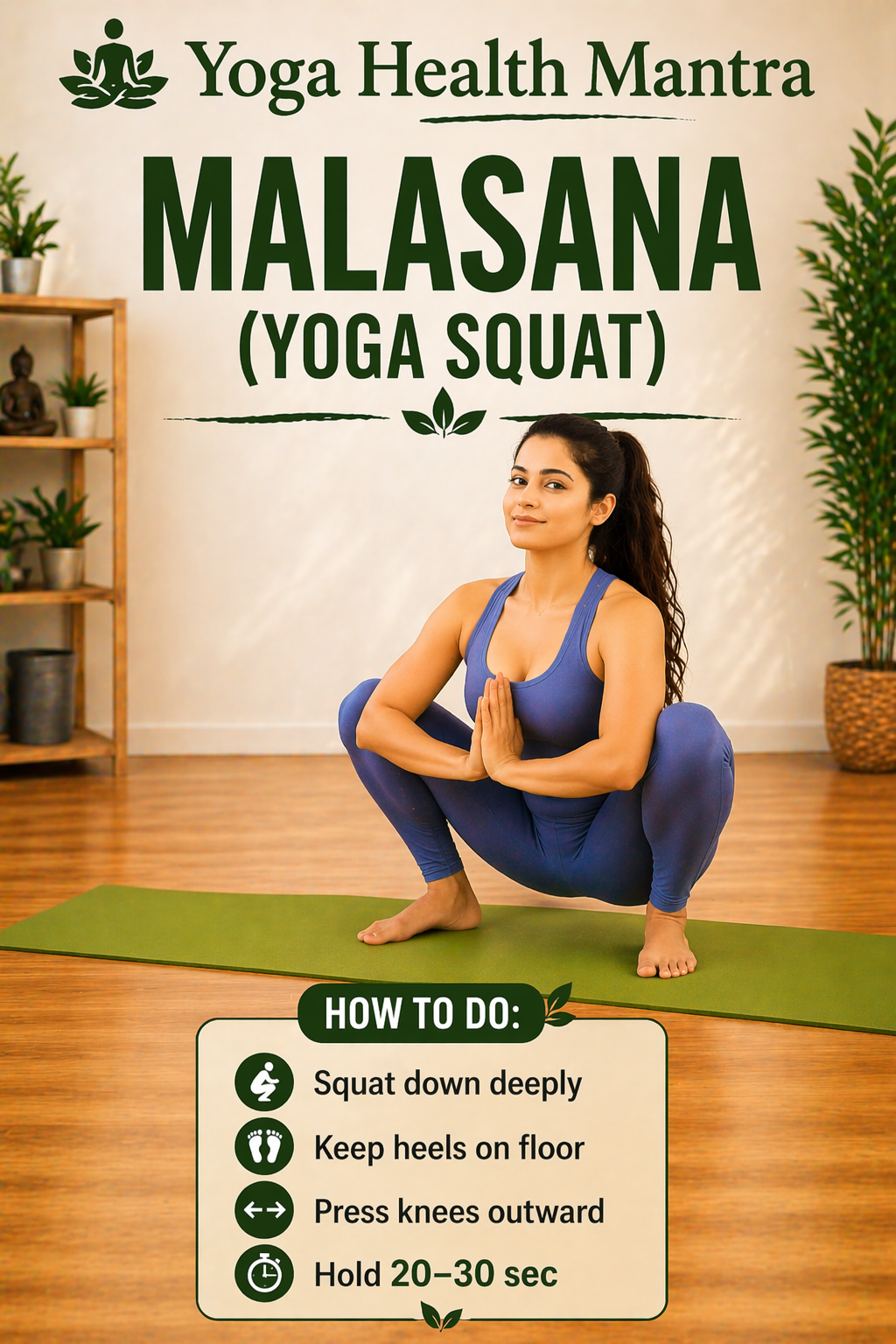
Malasana, also known as the Yoga Squat, is a natural and highly effective pose for improving digestion
and relieving gas. This deep squat position gently compresses your abdominal area, helping stimulate
the intestines and support natural elimination.
If you often feel bloated or experience slow digestion, Malasana can be very helpful.
It mimics the natural posture of the body, making it easier for gas to move and release.
How to do it:
- Stand with your feet slightly wider than hip-width apart
- Slowly lower your body into a deep squat
- Keep your heels on the floor (or as close as possible)
- Bring your palms together in a Namaste position
- Use your elbows to gently press your knees outward
- Keep your spine straight and chest lifted
- Hold the position for 20–30 seconds while breathing normally
Why it helps:
Malasana puts gentle pressure on the abdomen, which helps stimulate digestion and release trapped gas.
It also improves bowel movement and supports overall gut health. This pose is especially useful for
reducing bloating and improving digestive flow.
Pro Tip:
If your heels do not touch the floor, place a small support (like a folded towel) under them.
Keep your back straight and avoid collapsing forward.
Advanced Level (For Better Results)
10. Halasana
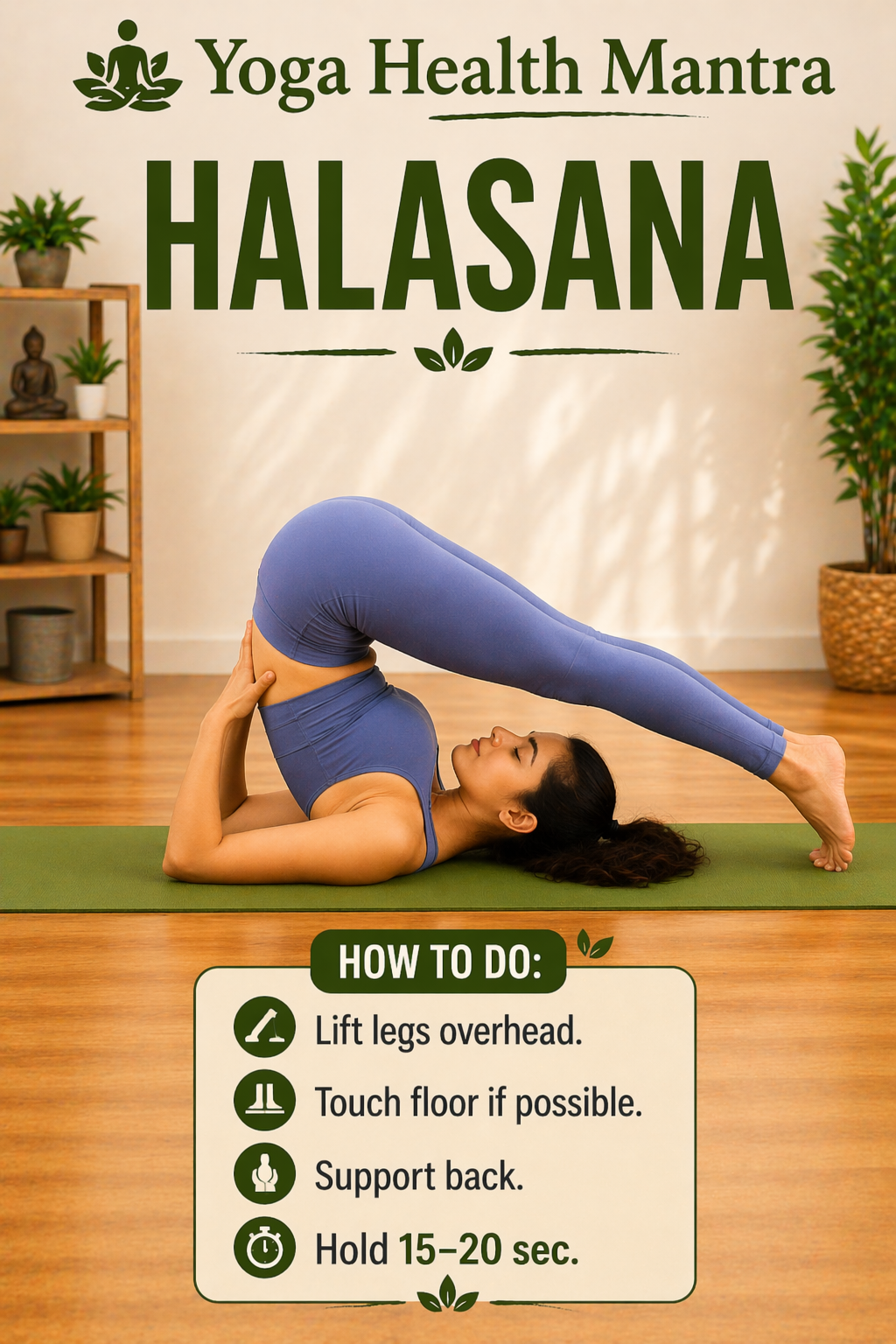
Halasana, also known as Plow Pose, is an advanced yoga posture that deeply stimulates the digestive system.
It creates strong compression in the abdominal area, which helps release trapped gas and improves overall digestion.
This pose also improves blood circulation, supports metabolism, and helps reduce bloating when practiced correctly.
However, it should be done slowly and with proper control, especially if you are new to advanced yoga poses.
How to do it:
- Lie flat on your back with your arms beside your body
- Lift your legs slowly upward to a 90-degree angle
- Support your hips with your hands if needed
- Continue lifting your legs over your head
- Try to touch your toes to the floor behind your head
- Keep your legs straight and avoid bending your knees
- Hold the position for 15–20 seconds
- Slowly roll your spine back down to return
Why it helps:
Halasana creates deep pressure on the abdominal organs, which stimulates digestion and helps remove gas buildup.
It also improves gut movement and supports better bowel function.
Pro Tip:
Do not force your legs to touch the floor if your body is not flexible enough.
Always move slowly and support your back with your hands if needed.
Avoid this pose if you have neck or spine issues.
11. Dhanurasana
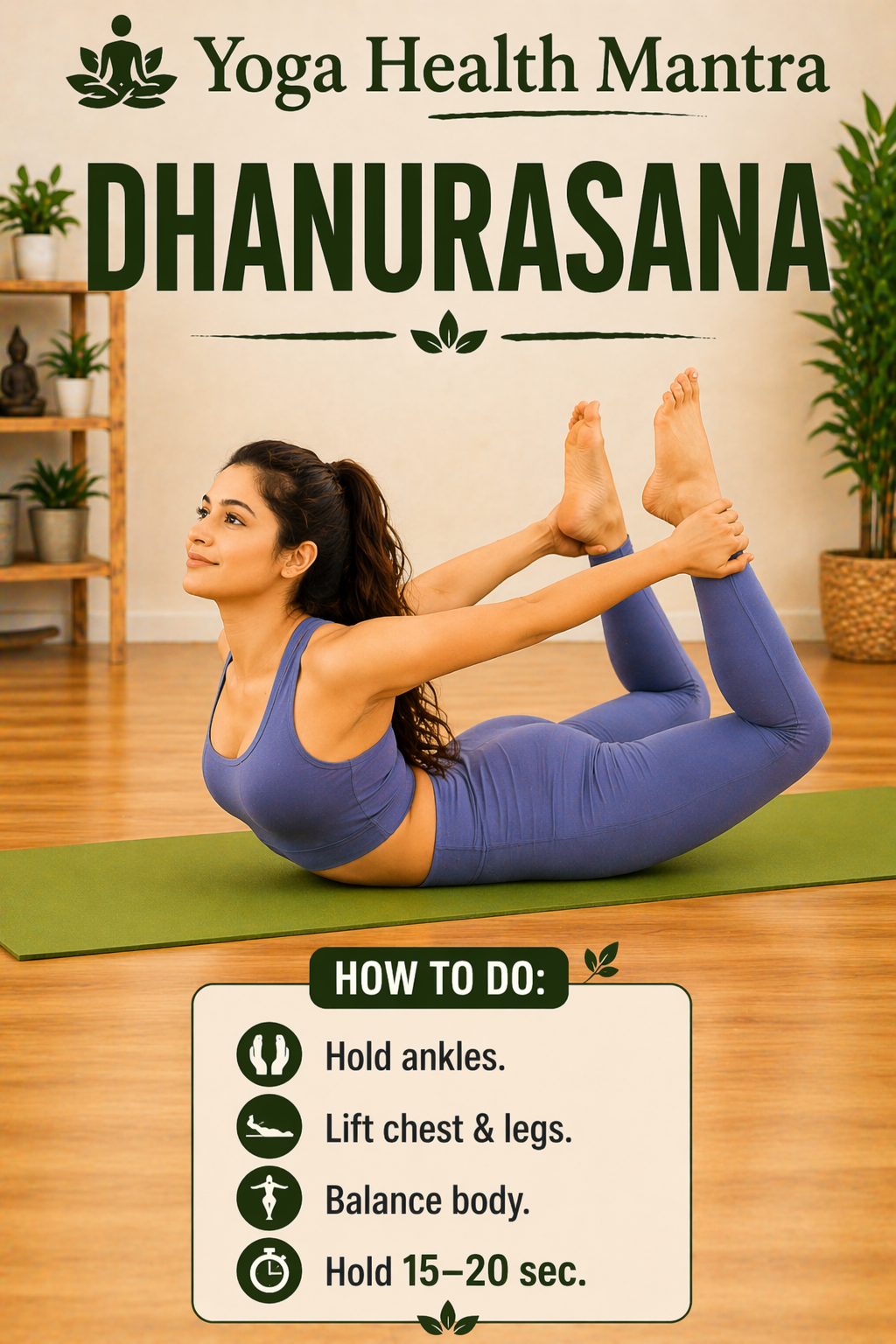
Dhanurasana, also known as Bow Pose, is a powerful backbend that stretches the entire front body,
especially the abdominal area. This pose is highly effective for improving digestion and reducing gas
because it creates a strong stretch and stimulation in the stomach region.
It also strengthens your core muscles, improves posture, and increases overall flexibility.
When practiced regularly, it can help reduce bloating and support a healthier digestive system.
How to do it:
- Lie flat on your stomach with your arms beside your body
- Bend your knees and bring your heels toward your hips
- Reach back and hold your ankles with your hands
- Inhale and lift your chest and legs upward at the same time
- Balance your body on your abdomen
- Keep your gaze forward and breathe normally
- Hold the position for 15–20 seconds
- Slowly release and relax your body
Why it helps:
Dhanurasana puts pressure on the abdominal organs while stretching them at the same time.
This improves digestion, helps release trapped gas, and stimulates the intestines.
It also improves blood circulation in the stomach area, making your digestive system more active.
Pro Tip:
Avoid jerky movements while lifting your body. Keep your breathing steady and controlled.
If you feel strain in your lower back, reduce the height of the lift and focus on comfort.
12. Sarvangasana
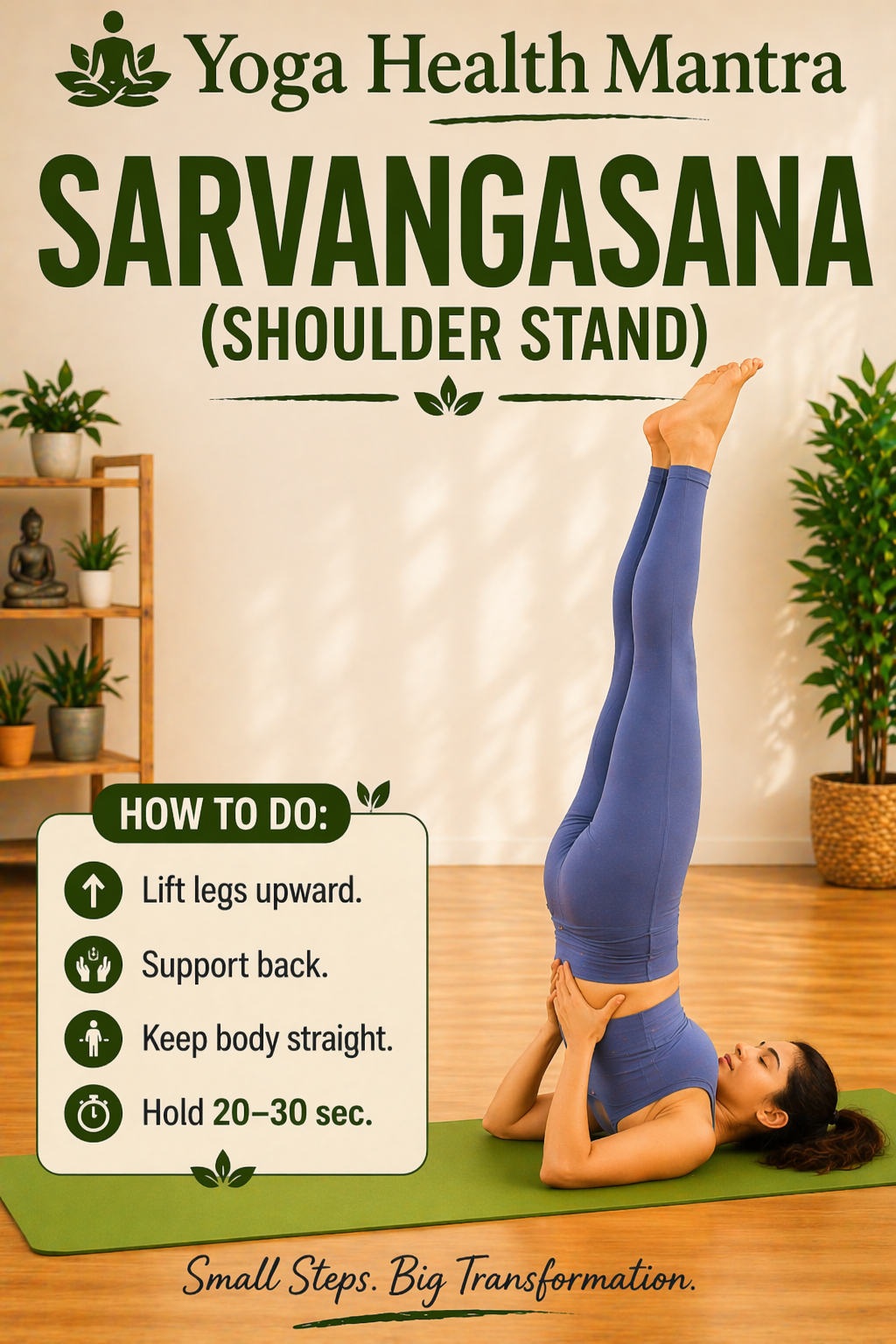
Sarvangasana, also known as Shoulder Stand, is a powerful inverted yoga pose that benefits the entire body.
It improves blood circulation, supports hormonal balance, and helps regulate digestion.
For gas relief, this pose works by improving the flow of blood toward the digestive organs and
stimulating the internal system. It also helps reduce bloating and supports overall gut health
when practiced regularly.
How to do it:
- Lie flat on your back with arms beside your body
- Slowly lift your legs upward to a 90-degree angle
- Lift your hips off the ground and support your lower back with your hands
- Keep your body straight in a vertical line
- Keep your neck relaxed and do not turn your head
- Hold the position for 20–30 seconds
- Slowly bring your body back down with control
Why it helps:
Sarvangasana improves blood flow to the digestive organs and helps regulate metabolism.
It supports better bowel movement, reduces gas buildup, and promotes overall digestive balance.
Pro Tip:
Always practice this pose slowly and carefully. Do not strain your neck.
If you are a beginner, you can support your back with cushions or practice under guidance.
Avoid this pose if you have neck or high blood pressure issues.
Daily Yoga Routine for Gas Relief (Morning & Evening Plan)
To get the best results from yoga, consistency matters more than intensity.
A simple daily routine can help improve digestion, reduce gas formation, and keep your stomach feeling light throughout the day.
Below is a balanced morning and evening routine that you can follow based on your comfort level.
Morning Routine (Best for Digestion & Energy)
Morning is the best time to practice yoga for gas relief because your stomach is empty and your body is fresh.
- Warm-Up – 5 minutes (neck, shoulders, waist, joints)
- Pavanamuktasana – 2–3 rounds
- Cat-Cow Pose – 10 repetitions
- Bhujangasana – 2 rounds (15–20 seconds each)
- Ardha Matsyendrasana – both sides
- Malasana – 30 seconds
- Deep Breathing – 2–3 minutes
If you are just starting, you can simplify your practice using this
morning yoga routine guide
.
Evening Routine (For Relaxation & Light Digestion)
Evening yoga should be slow and calming. It helps relax your body and improves digestion after a long day.
- Vajrasana – 5 minutes (especially after meals)
- Balasana – 1–2 minutes
- Apanasana – 2 rounds
- Setu Bandhasana – 20–30 seconds
- Light Stretching – 2–3 minutes
- Relaxation (Shavasana) – 5 minutes
For a more structured approach, you can also follow this
evening yoga routine for relaxation and better sleep
.
Beginner vs Advanced Routine
If you are a beginner, start with 10–15 minutes daily and focus only on basic poses.
As your body becomes more flexible, you can increase your time to 30–40 minutes and include advanced poses like Halasana or Sarvangasana.
- Beginner: Warm-up + 3–4 simple poses
- Intermediate: Add twisting and core poses
- Advanced: Include deeper poses and longer holds
The key is to stay consistent and listen to your body rather than rushing into advanced practice.
How Yoga Helps Relieve Gas and Improve Digestion
Yoga offers a natural and holistic way to improve digestion and reduce gas-related discomfort.
Instead of only providing temporary relief, it works on the root causes by improving body movement,
reducing stress, and supporting the digestive system.
Certain yoga poses gently compress and stretch the abdominal area. This helps stimulate digestive organs,
improve the movement of food, and support the natural release of trapped gas.
Twisting and bending poses are especially helpful for reducing bloating and heaviness.
Stress is another major reason behind poor digestion. When your mind is constantly stressed,
your digestive system slows down, leading to gas and discomfort. According to
Harvard Health Publishing
the connection between the gut and brain plays a key role in digestion.
Yoga also encourages deep and mindful breathing, which helps relax abdominal muscles
and improves internal body function. This makes digestion smoother and more efficient.
Regular movement is essential for maintaining healthy digestion. Information provided by
MedlinePlus
explains that gas is often caused by digestion and food breakdown, and can be improved
with proper habits, movement, and routine.
Along with proper practice, maintaining correct posture is also important. Even small mistakes
can reduce the effectiveness of yoga, so it is always better to move slowly and mindfully.
Overall, yoga works through a combination of movement, breathing, and relaxation — making it
one of the most effective and natural ways to support digestion and reduce gas.
Common Mistakes to Avoid During Yoga for Gas Relief
Yoga can be very effective for reducing gas and improving digestion, but only when it is practiced correctly.
Many people do the right poses but still do not get results because of small mistakes.
Avoiding these common mistakes will help you get better results and keep your practice safe and effective.
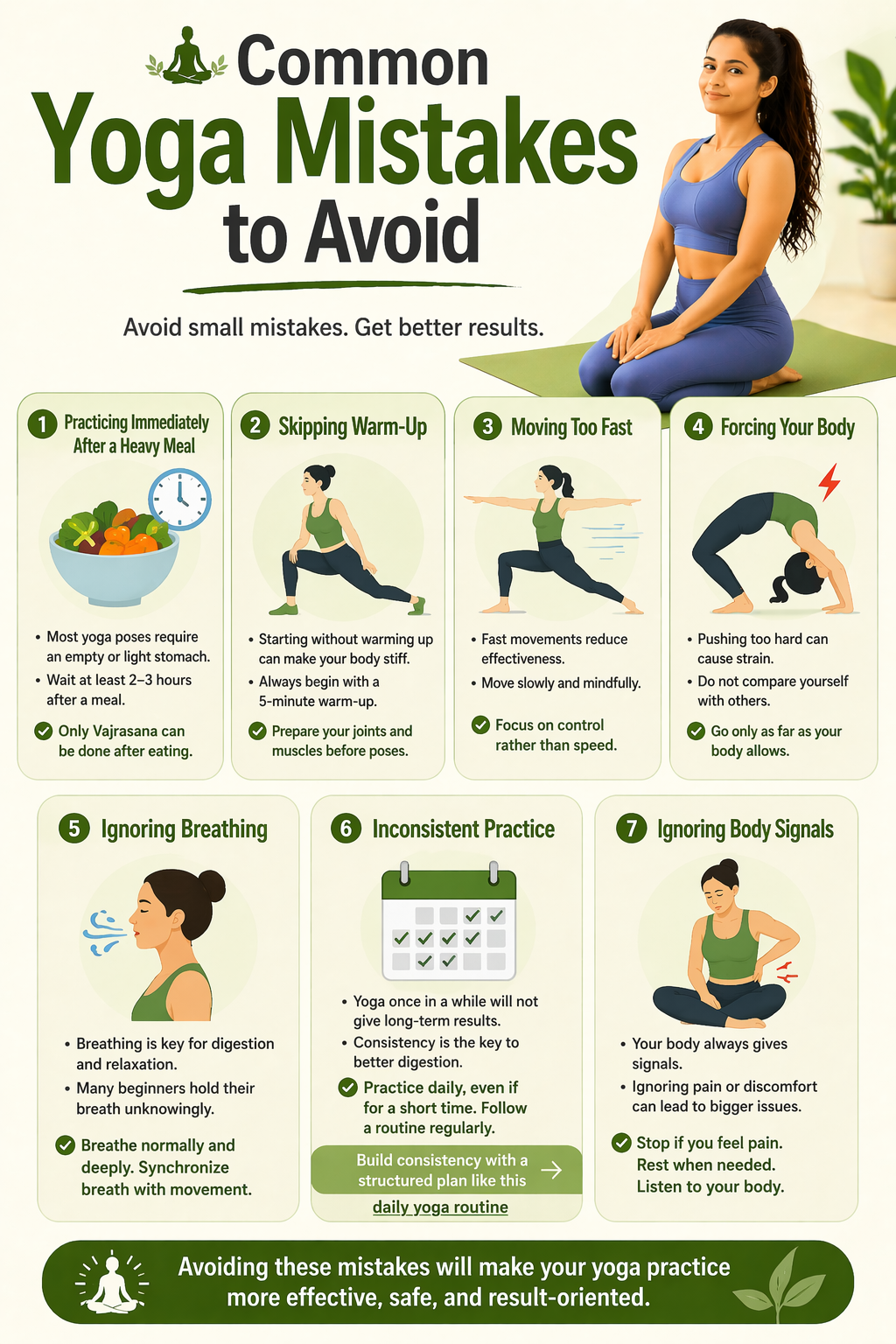
1. Practicing Immediately After a Heavy Meal
One of the most common mistakes is doing yoga right after eating. Most yoga poses require an empty or light stomach.
- Wait at least 2–3 hours after a meal before practicing
- Only Vajrasana can be done after eating
2. Skipping Warm-Up
Starting yoga without warming up can make your body stiff and increase the risk of discomfort or injury.
- Always begin with a 5-minute warm-up
- Prepare your joints and muscles before poses
3. Moving Too Fast
Yoga is not about speed. Fast and uncontrolled movements reduce effectiveness and can disturb breathing.
- Move slowly and mindfully
- Focus on control rather than speed
4. Forcing Your Body
Trying to push your body too hard, especially in advanced poses, can cause strain.
- Do not compare yourself with others
- Go only as far as your body allows
5. Ignoring Breathing
Breathing plays a major role in digestion and relaxation. Many beginners hold their breath unknowingly.
- Breathe normally and deeply
- Synchronize breath with movement
6. Inconsistent Practice
Doing yoga once in a while will not give long-term results. Consistency is the key to improving digestion.
- Practice daily, even if for a short time
- Follow a routine regularly
To build consistency, you can follow a structured plan like this
daily yoga routine
7. Ignoring Body Signals
Your body always gives signals. Ignoring pain or discomfort can lead to bigger issues.
- Stop if you feel pain
- Rest when needed
- Listen to your body
Avoiding these mistakes will make your yoga practice more effective, safe, and result-oriented.
Diet Tips to Reduce Gas and Improve Digestion
Yoga alone can help a lot, but if your diet is not right, gas and bloating can still come back.
That’s why combining yoga with simple eating habits gives the best long-term results.
You don’t need a complicated diet plan. Just making a few smart changes can improve your digestion
and reduce gas naturally.

Foods to Include
These foods are easy to digest and support a healthy gut:
- Warm water – Helps digestion and flushes toxins
- Ginger – Reduces bloating and supports digestion
- Curd (Yogurt) – Contains probiotics for gut health
- Fruits like papaya and banana – Light and easy to digest
- Green vegetables – Improve overall digestion
Keeping your body active with yoga and combining it with a balanced routine like this
morning yoga routine
can further improve digestion.
Foods to Avoid
Certain foods can increase gas formation and slow down digestion:
- Oily and fried foods
- Processed and packaged snacks
- Excess tea or coffee
- Cold drinks and carbonated beverages
- Eating too late at night
Avoiding these foods can significantly reduce bloating and stomach discomfort.
Healthy Eating Habits
Along with choosing the right food, your eating habits also matter:
- Eat slowly and chew your food properly
- Avoid overeating
- Keep a gap of 2–3 hours between meals
- Drink water, but avoid drinking too much during meals
If your lifestyle includes stress, improving your mental state through
relaxation-focused yoga practices
can also support better digestion.
Simple Daily Tip
Start your day with a glass of warm water and end your meals with a short walk or Vajrasana.
This small habit alone can make a big difference in reducing gas.
Conclusion: A Natural Way to Stay Gas-Free
Gas and bloating may seem like small problems, but they can affect your daily comfort and overall health.
The good news is that you don’t need complicated treatments to manage them.
With the right combination of yoga, proper breathing, and simple diet habits, you can improve your digestion naturally.
Starting with basic poses and gradually moving to advanced levels will help your body adjust safely and effectively.
Consistency is the key. Even practicing for 15–20 minutes daily can bring noticeable improvements over time.
If you are looking to build a complete routine, you can also explore this
evening yoga routine for better relaxation and sleep
to support overall health.
Take it slow, stay consistent, and let yoga work naturally on your body.
Frequently Asked Questions (FAQs)
1. Which yoga is best for gas relief?
Pavanamuktasana is considered one of the most effective yoga poses for gas relief.
Along with it, poses like Vajrasana, Cat-Cow, and Ardha Matsyendrasana also help improve digestion.
2. How long does it take to see results?
You may start feeling relief within a few days if you practice regularly.
For long-term improvement, follow a routine for at least 2–3 weeks.
3. Can I do yoga after eating?
Most yoga poses should be done on an empty stomach. However, Vajrasana is safe to practice after meals
and can actually help digestion.
4. Is yoga better than medicine for gas?
Yoga is a natural approach that works on the root cause, while medicines usually give temporary relief.
For long-term benefits, yoga combined with a healthy diet is more effective.
5. Can beginners do this routine?
Yes, beginners can start with simple poses and gradually move to advanced ones.
It is important to move slowly and listen to your body.
If you are just starting your journey, following a structured plan like this
beginner-friendly yoga routine
can make your practice easier and more effective.
Explore More Yoga Guides
If you found this article helpful, explore these related yoga guides to deepen your practice and improve your overall health:
- Daily Yoga Routine for Beginners
- Yoga for Stress Relief – Simple Techniques
- 10 Easy Yoga Poses for Beginners
- Yoga During Periods – Safe Poses & Tips
- Yoga for Glowing Skin – Natural Beauty from Within
- Yoga Mistakes Beginners Should Avoid
- Yoga for Back Pain Relief at Home
- Morning Yoga Routine
- Evening Yoga Routine for Relaxation & Better Sleep
- 7-Day Yoga Plan for Weight Loss (Beginner Guide)
- Yoga + Diet Plan for Beginners
Start your yoga journey today and build a healthier, more balanced lifestyle.