
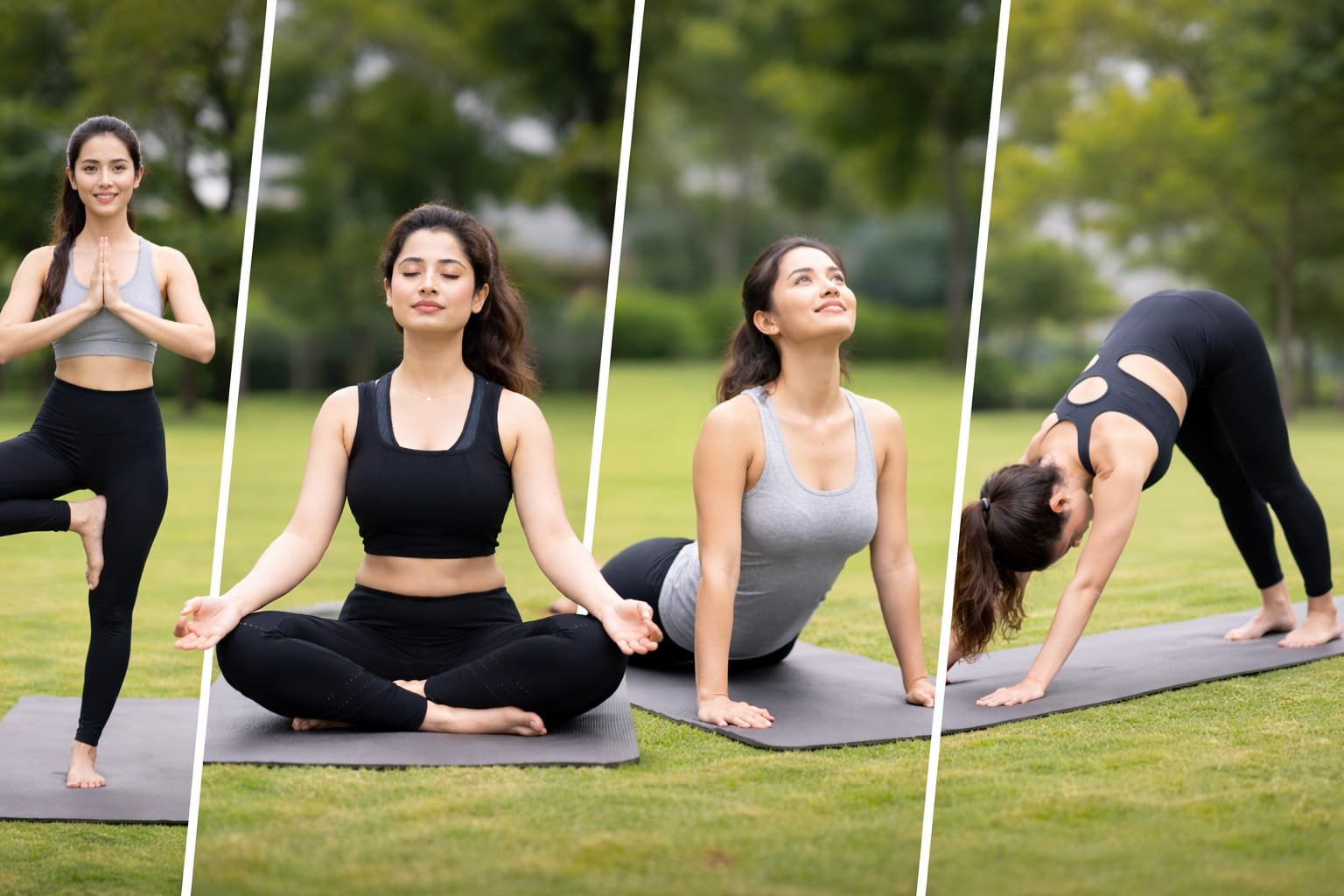

Morning Yoga Routine for Beginners at Home – Start Your Day with Energy and Balance
Starting your day with a calm and energizing morning yoga routine can positively influence
how you feel throughout the day. Instead of beginning your day with stiffness or fatigue,
a few minutes of mindful movement and breathing can help your body wake up naturally and
prepare your mind for better focus and productivity.
Many people today experience body stiffness, back discomfort, stress, and poor posture due
to long hours of sitting and limited physical activity. Practicing a simple morning yoga
routine at home can support flexibility, improve muscle strength, and contribute to better
spinal alignment over time.
If you are new to yoga, you may first understand the basics through this beginner-friendly guide: What is Yoga – Complete Beginner’s Guide.
This article will help you understand how to build a safe and effective morning yoga routine
that fits your lifestyle. Whether you are just starting or returning to your fitness journey,
these simple practices can help you develop a consistent and sustainable routine for overall
well-being.
Why Morning is the Best Time to Practice Yoga
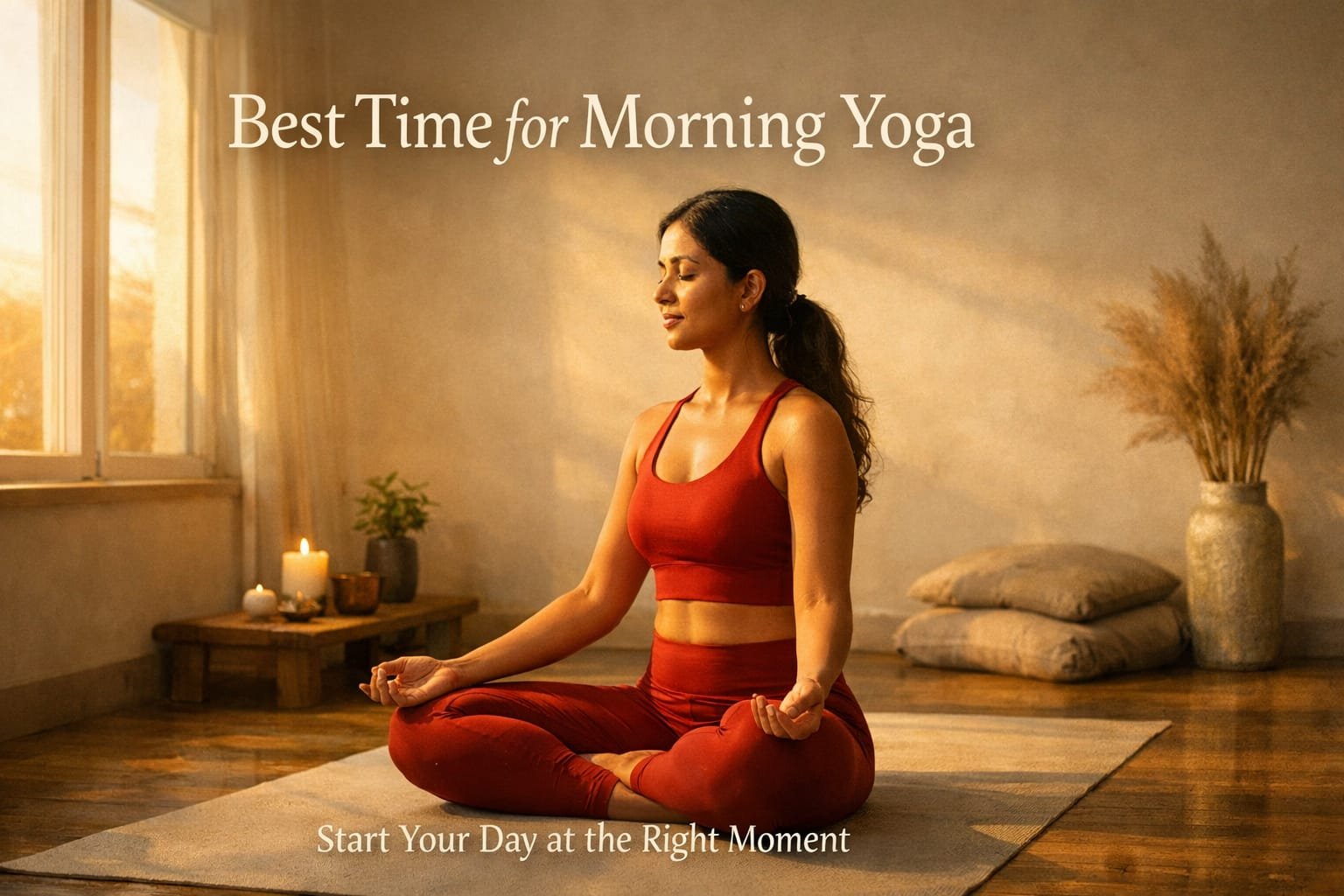
Morning is widely regarded as an ideal time for yoga practice because the body feels
naturally refreshed after sleep. The mind is relatively calm, the stomach is empty,
and energy levels are ready to build up. Practicing yoga at this time helps gently
activate the muscles, support healthy circulation, and promote mental clarity.
A consistent morning routine also encourages slow and controlled breathing. This
helps maintain steady oxygen flow throughout the body, which supports overall
functioning. Over time, many individuals observe positive changes in digestion
and metabolic balance when they practice yoga regularly in the morning.
Morning yoga can be especially beneficial for those who experience stiffness or
mild discomfort after waking up. Gentle stretching helps release muscle tightness
and improves joint mobility. If you frequently notice back discomfort in the morning,
you may also find it helpful to explore Yoga for Back Pain Relief at Home.
Another key advantage of morning yoga is improved mental clarity. Starting your day
with mindful movement and breathing can create a sense of calmness, support better
focus, and help you approach daily tasks with greater balance and awareness.
Benefits of a Daily Morning Yoga Routine

Practicing yoga every morning can offer long-term physical and mental benefits.
It supports overall wellness and helps maintain a balanced lifestyle. Even a
short routine of 15–20 minutes daily can contribute to noticeable improvements
over time.
1. Improves Flexibility
Morning yoga gently stretches muscles and joints that may feel tight after sleep.
With regular practice, this can help improve flexibility and support safer movement
during daily activities.
2. Boosts Energy Levels
Unlike temporary stimulants, yoga supports natural energy by encouraging healthy
blood circulation and oxygen flow to the muscles and brain. This can help you feel
more refreshed and active throughout the day.
3. Reduces Stress and Anxiety
Breathing techniques used in yoga can help calm the nervous system and reduce
mental stress. For additional relaxation techniques, you can explore Yoga for Stress Relief – Simple Techniques for Beginners.
4. Supports Healthy Posture
Regular yoga practice helps strengthen the spine and core muscles, which can
support better posture while sitting, standing, or performing daily tasks.
5. Improves Skin Glow
Yoga promotes healthy blood circulation, which helps deliver oxygen and nutrients
to the skin. Over time, this may support a more natural and healthy appearance.
You can also explore more about this topic here: Yoga for Glowing Skin – Natural Beauty from Within.
6. Enhances Digestion
Certain yoga movements gently stimulate digestive organs, which can support
better metabolism and help reduce discomfort such as bloating.
7. Promotes Better Hormonal Balance
A consistent morning yoga routine may help support hormonal balance, contributing
to improved emotional stability and overall well-being.
How to Prepare for a Morning Yoga Routine

Preparation plays an important role in making your yoga routine both effective
and safe. Before beginning your session, take a few minutes to set up your space
and prepare your body for practice.
Choose a Quiet and Clean Space
Select a peaceful area in your home where you can practice without distractions.
A clean and well-ventilated space with fresh air can enhance your overall
experience and help maintain focus.
Use a Comfortable Yoga Mat
A non-slip yoga mat provides stability and support, helping you maintain proper
alignment and reducing the risk of slipping during movements.
Wear Comfortable Clothing
Choose lightweight and breathable clothing that allows free movement. Avoid
tight or restrictive outfits that may limit flexibility or comfort.
Practice on an Empty Stomach
Morning yoga is generally best practiced before breakfast. If needed, you can
drink a glass of water to stay hydrated and comfortable during your session.
Start Slowly and Warm Up
Avoid jumping directly into intense poses without preparing your body. Begin
with gentle movements to warm up your muscles. If you are just starting your
journey, you may find this beginner-friendly routine helpful: 10 Easy Yoga Poses for Complete Beginners.
Common Mistakes Beginners Should Avoid in Morning Yoga

Many beginners may unknowingly make mistakes that can reduce the effectiveness
of yoga or lead to discomfort. Being aware of these common issues can help you
practice more safely and confidently.
Skipping Warm-Up Exercises
Warm-up movements help prepare the muscles and joints for activity, reducing
the risk of strain. It is always beneficial to begin your practice with gentle
stretches.
Holding Breath During Poses
Breathing should remain slow, steady, and controlled throughout your practice.
Holding your breath may create unnecessary tension and reduce the overall
benefits of yoga.
Overstretching the Body
Avoid pushing your body beyond its comfortable range. Yoga should feel controlled
and relaxing rather than painful. Gradual progress is more effective than forcing
flexibility.
For a deeper understanding of safe yoga habits, you may also review Yoga Mistakes Beginners Should Avoid – Safe Yoga Tips.
Best Duration for Morning Yoga Practice
The ideal duration of a morning yoga routine can vary based on your schedule
and current fitness level. Beginners may start with 10–15 minutes and gradually
increase the duration as flexibility and comfort improve over time.
A balanced routine generally includes gentle warm-up movements, a sequence of
yoga poses, breathing exercises, and a short relaxation phase. Practicing
regularly can help build consistency and support long-term wellness.
If you already follow a structured routine or would like additional guidance,
you may also explore Daily Yoga Routine for Beginners.
Morning Yoga Safety Tips for Special Situations

While yoga is generally considered safe, certain conditions may require additional
care and awareness. It is important to listen to your body and modify poses whenever
needed to ensure a comfortable and safe practice.
Yoga During Menstrual Cycle
During the menstrual cycle, it is advisable to practice gentle and restorative yoga
poses while avoiding intense or high-pressure movements. This approach helps maintain
comfort and supports the body’s natural rhythm. For more detailed guidance, you may
refer to Yoga During Periods – Safe Poses & Tips.
Following basic safety precautions can help ensure that your morning yoga routine
remains both beneficial and comfortable over time.
Best Morning Yoga Poses for Beginners
A well-structured morning yoga routine should include a sequence of simple poses
that gently stretch the body and support overall flexibility. These beginner-friendly
poses can be practiced safely at home and are suitable for individuals starting their
yoga journey.
Performing these poses in a proper sequence can help activate muscles, support
healthy circulation, and prepare the body for daily activities in a balanced and
gradual manner.
If you are completely new to yoga movements, you may first explore these
beginner-friendly poses: 10 Easy Yoga Poses for Complete Beginners.
1. Mountain Pose (Tadasana)
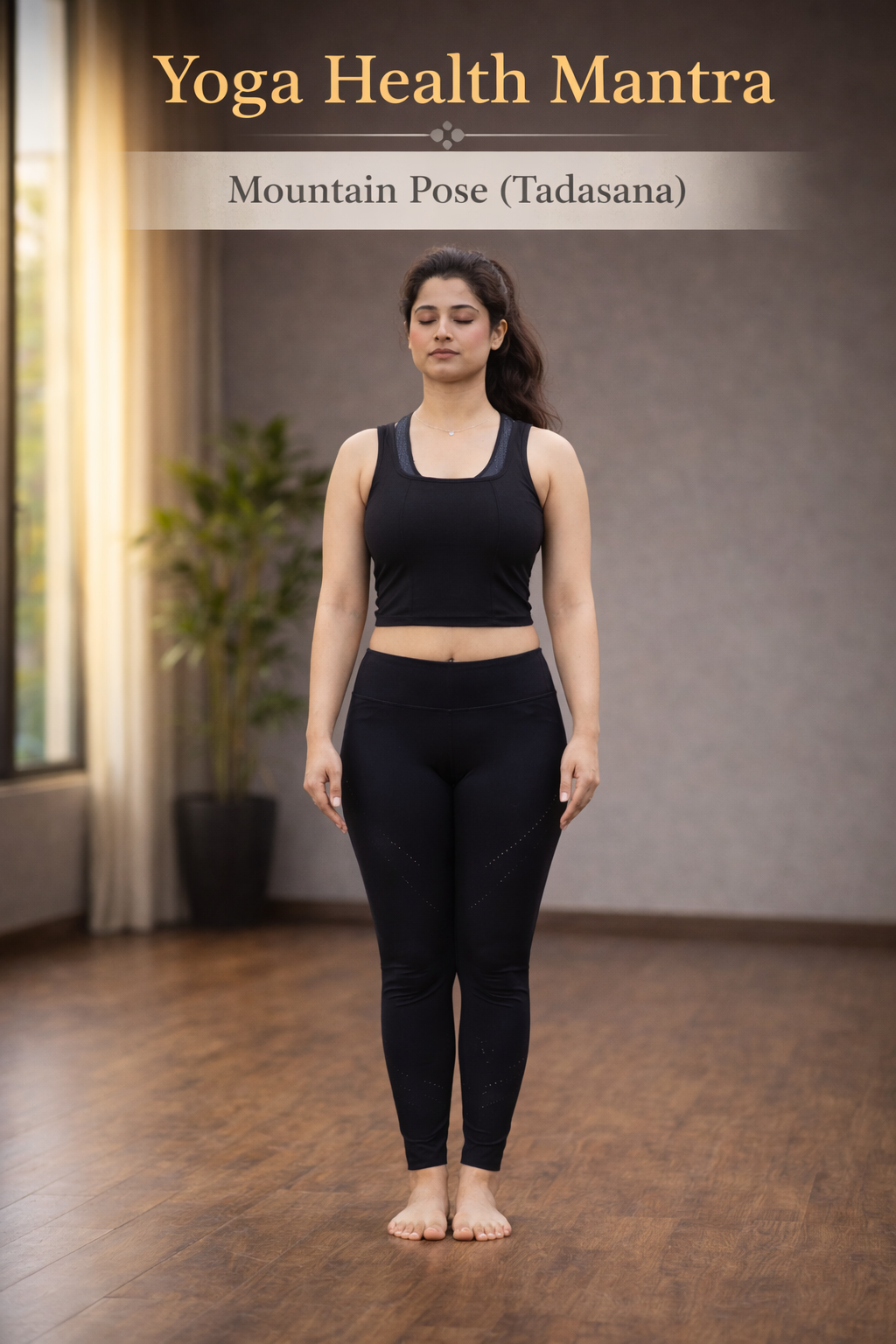
Mountain Pose is one of the simplest yet most powerful yoga poses to begin your morning routine. It helps improve posture, strengthen legs, and increase body awareness.
How to Do Mountain Pose
- Stand straight with feet together.
- Keep your arms relaxed by your sides.
- Distribute body weight evenly on both feet.
- Take slow, deep breaths.
- Hold the pose for 30–60 seconds.
Benefits of Mountain Pose
- Improves posture
- Enhances body balance
- Strengthens legs and spine
- Promotes better breathing
2. Cat-Cow Pose (Marjaryasana-Bitilasana)

Cat-Cow Pose is an essential movement that helps warm up the spine and support
flexibility. It gently stretches the back muscles and can help reduce stiffness,
making it especially suitable for early morning practice.
How to Do Cat-Cow Pose
- Start in a tabletop position on your hands and knees.
- Inhale and gently arch your back downward.
- Lift your head and chest slightly upward.
- Exhale and slowly round your spine upward.
- Continue the movement in a smooth rhythm for 8–10 rounds.
Benefits of Cat-Cow Pose
- Helps relieve back stiffness
- Supports spinal flexibility
- Encourages better posture
- Promotes steady and mindful breathing
If you experience frequent back discomfort, you may also find it helpful to explore Yoga for Back Pain Relief at Home.
3. Downward Facing Dog (Adho Mukha Svanasana)
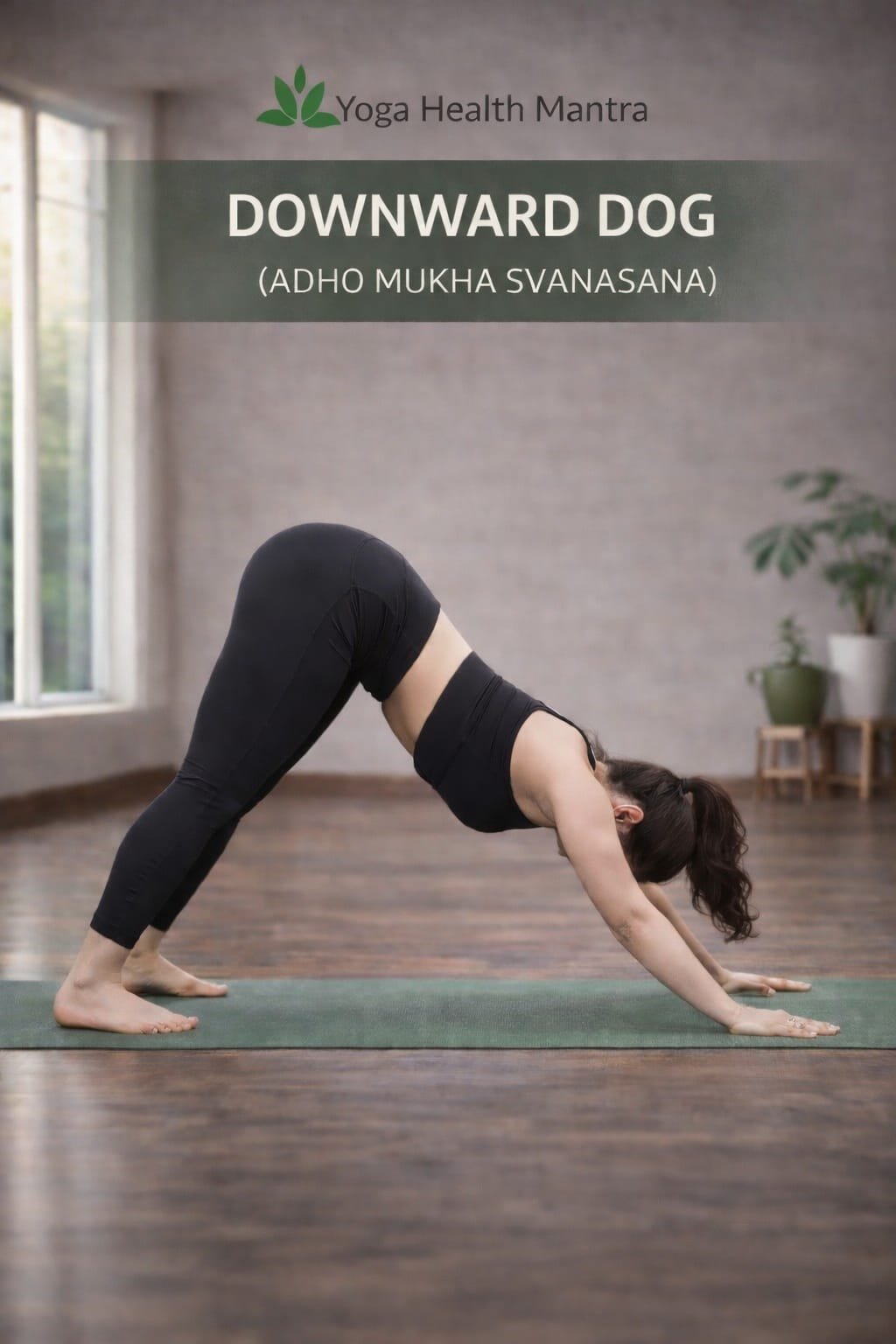
Downward Dog is a full-body stretch that improves blood circulation and strengthens the upper body. It energizes the body and helps relieve morning stiffness.
How to Do Downward Dog
- Start on hands and knees.
- Lift your hips upward.
- Straighten your legs gently.
- Keep your head relaxed.
- Hold the pose for 20–30 seconds.
Benefits of Downward Dog
- Stretches the entire body
- Strengthens arms and shoulders
- Improves blood flow
- Boosts morning energy
4. Cobra Pose (Bhujangasana)
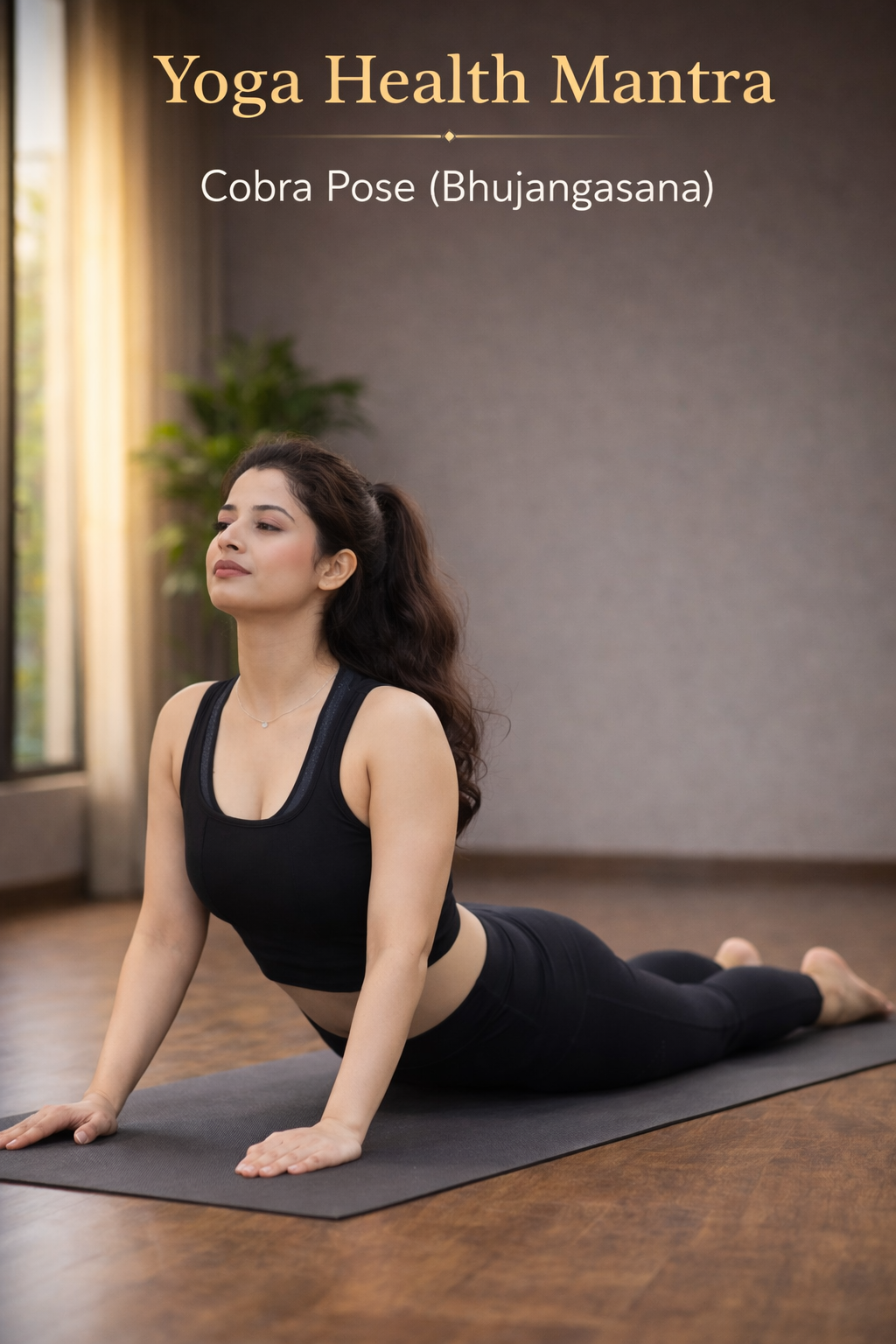
Cobra Pose strengthens the spine and opens the chest. It helps reduce stiffness in the back and improves flexibility in the upper body.
How to Do Cobra Pose
- Lie on your stomach.
- Place palms near your shoulders.
- Lift your chest slowly.
- Keep elbows slightly bent.
- Hold the pose for 20 seconds.
Benefits of Cobra Pose
- Strengthens spinal muscles
- Improves posture
- Relieves mild back pain
- Expands lung capacity
5. Child’s Pose (Balasana)
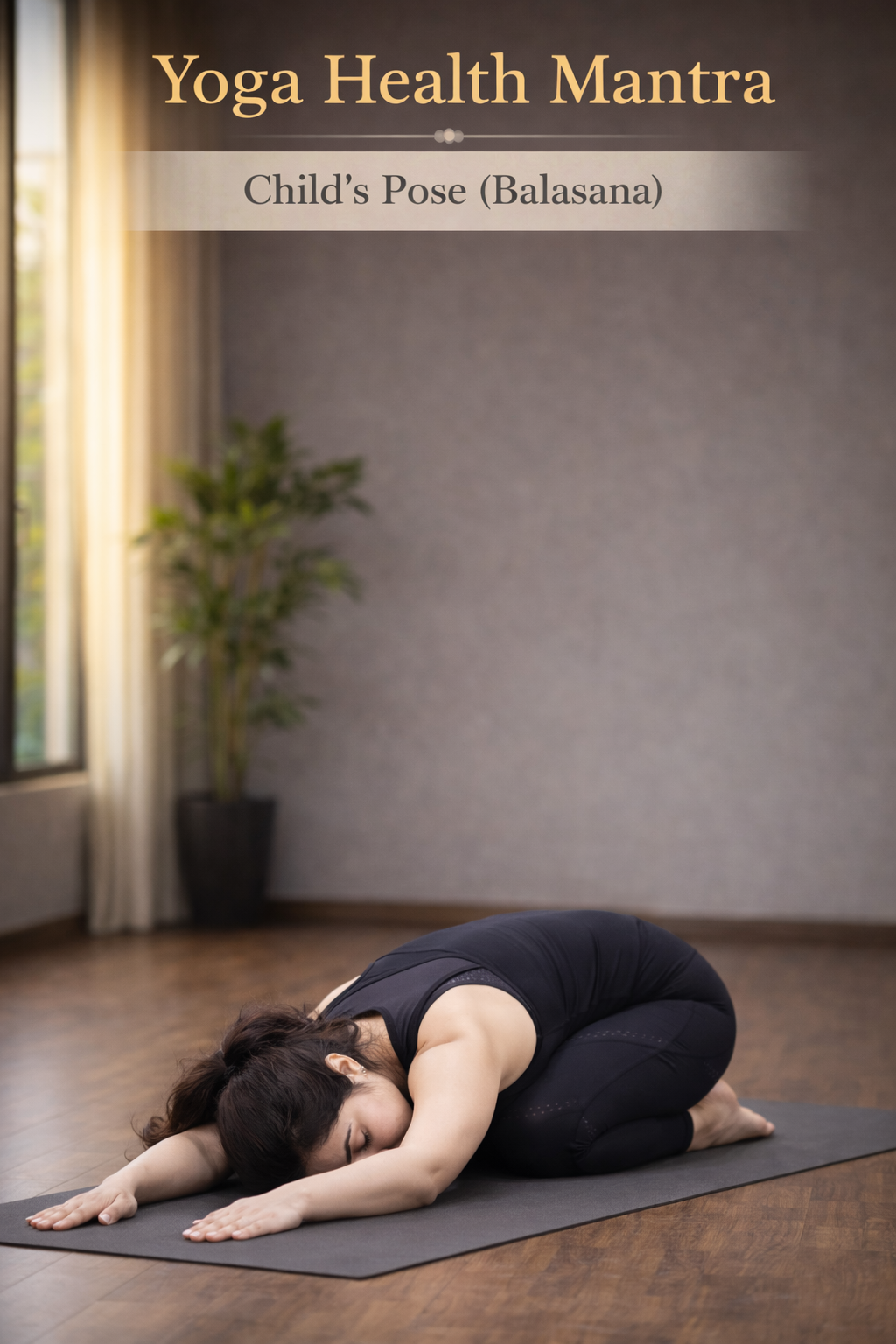
Child’s Pose is a gentle and relaxing stretch that helps release tension from the
lower back and hips. It is commonly practiced between active poses to allow the
body to rest and recover.
How to Do Child’s Pose
- Kneel comfortably on the floor.
- Sit back gently on your heels.
- Extend your arms forward along the mat.
- Rest your forehead softly on the surface.
- Breathe slowly and deeply for about 30 seconds.
Benefits of Child’s Pose
- Helps relax the nervous system
- Supports stress reduction
- Relieves tension in the back
- Encourages gentle flexibility
Regular relaxation poses like this can also support stress management. You may
explore additional techniques here: Yoga for Stress Relief – Simple Techniques for Beginners.
6. Bridge Pose (Setu Bandhasana)
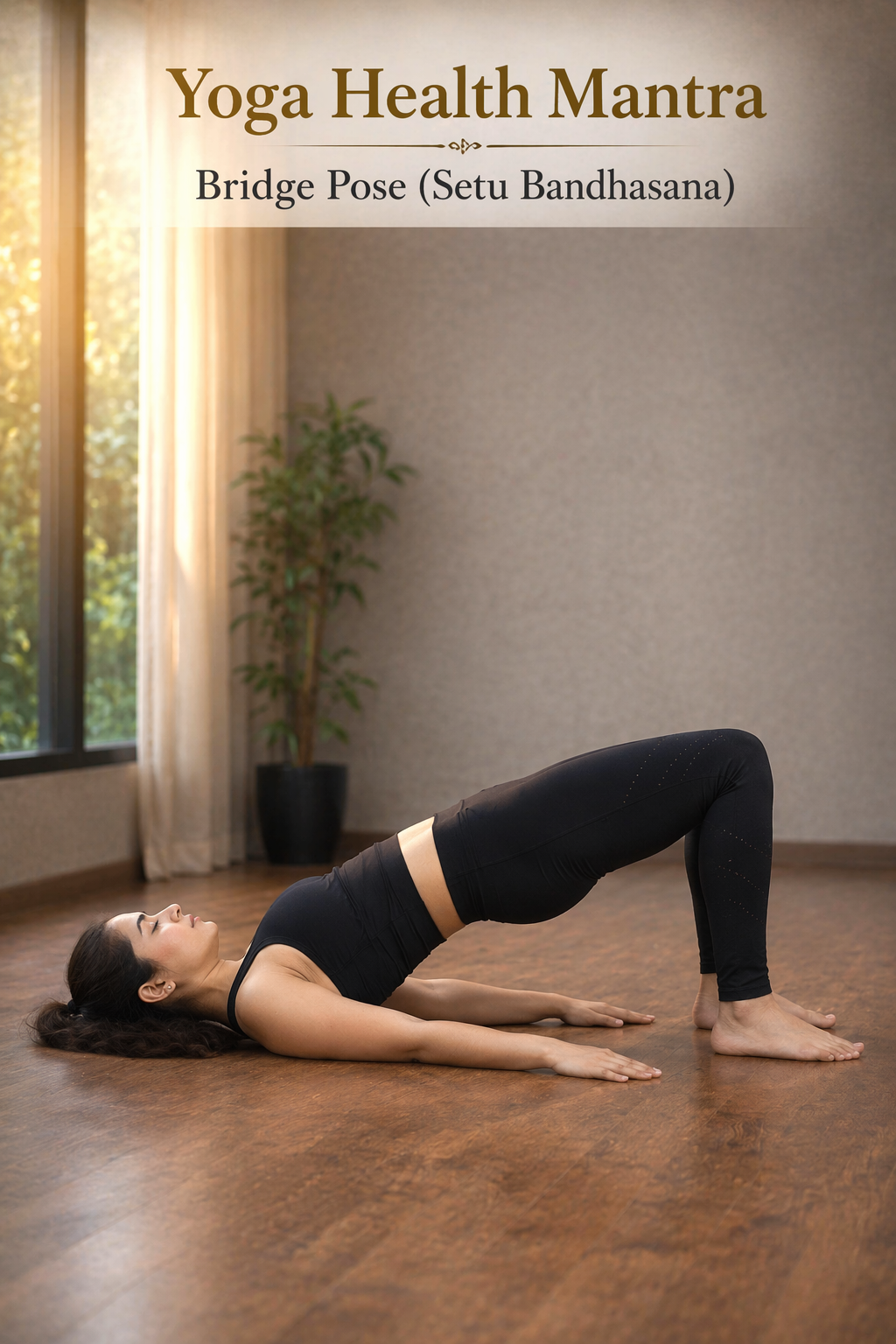
Bridge Pose strengthens the lower back, hips, and core muscles. It improves circulation and helps reduce stiffness after sleep.
How to Do Bridge Pose
- Lie on your back.
- Bend your knees.
- Lift your hips upward.
- Keep shoulders on the floor.
- Hold for 20–30 seconds.
Benefits of Bridge Pose
- Strengthens lower back
- Improves flexibility
- Supports spinal health
- Enhances body balance
7. Standing Forward Bend (Uttanasana)
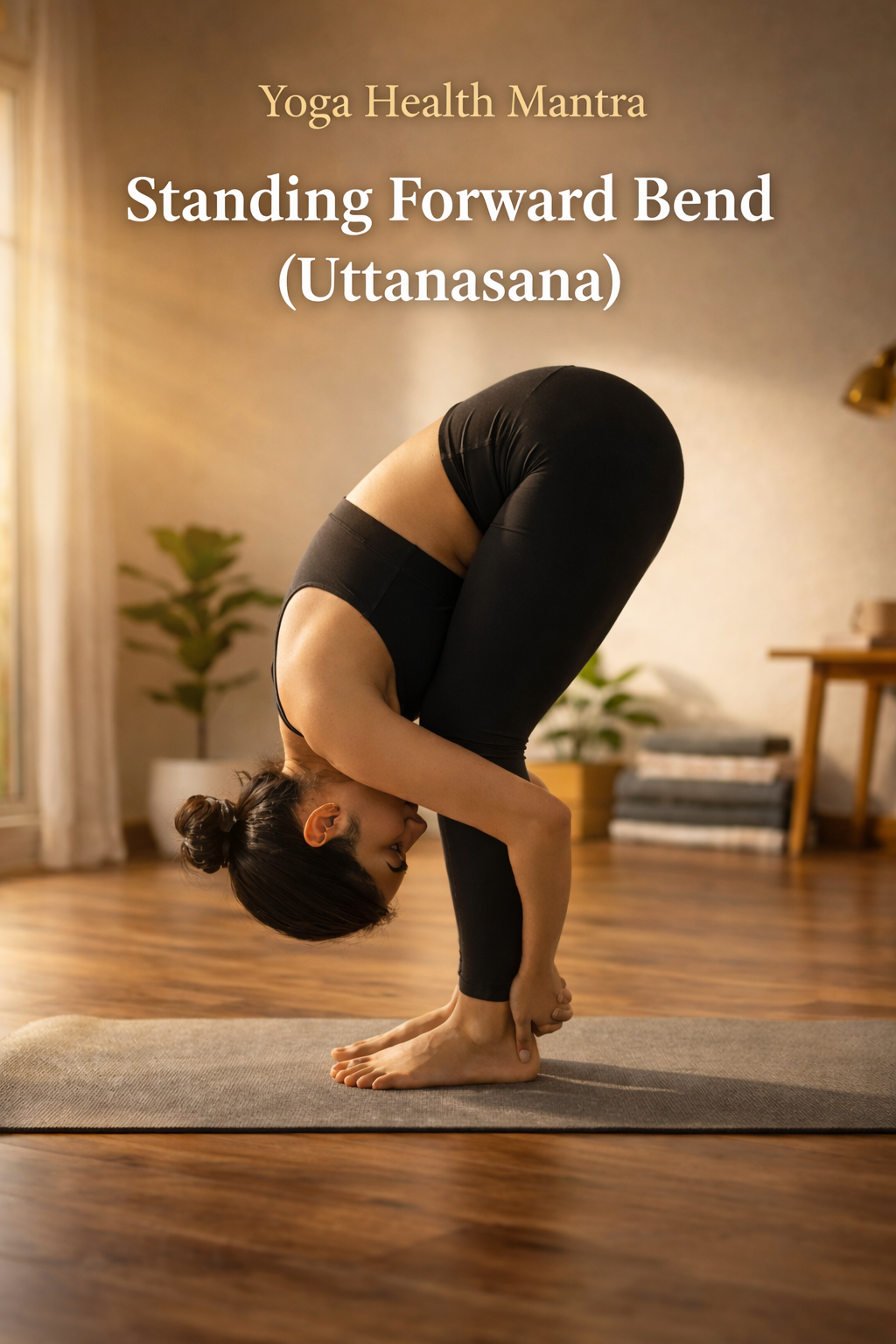
Standing Forward Bend stretches the hamstrings and spine. It improves flexibility and stimulates blood circulation to the brain.
How to Do Standing Forward Bend
- Stand straight.
- Slowly bend forward.
- Try to touch your toes.
- Keep knees slightly bent if needed.
- Hold for 20 seconds.
Benefits of Forward Bend
- Relieves muscle tension
- Improves flexibility
- Enhances blood circulation
- Supports relaxation
8. Easy Sitting Pose with Deep Breathing
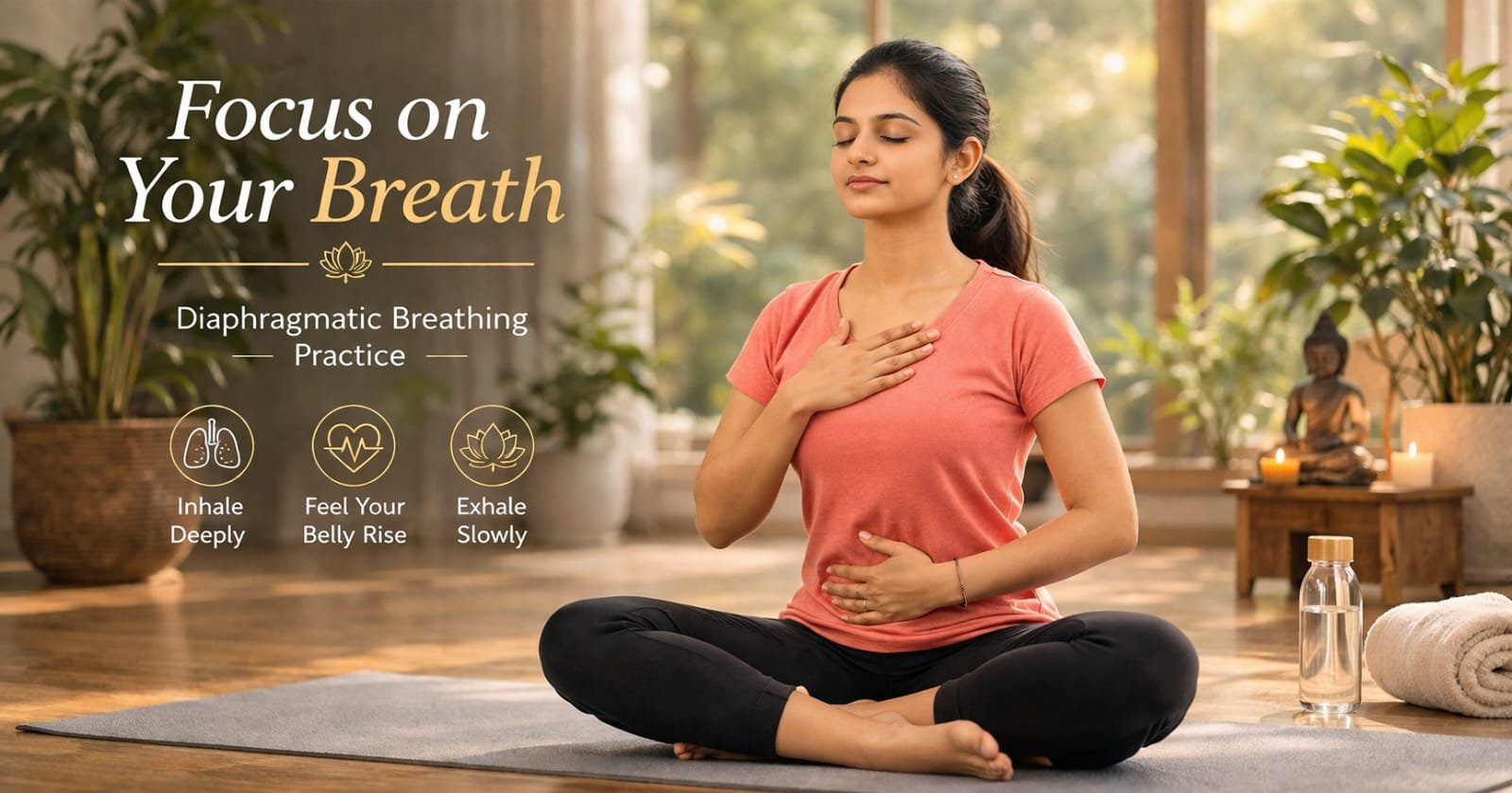
Ending your routine with breathing exercises helps calm the mind and stabilize energy levels. This final step prepares you for the day ahead.
How to Practice Deep Breathing
- Sit comfortably on the mat.
- Close your eyes.
- Inhale deeply through your nose.
- Exhale slowly.
- Repeat for 1–2 minutes.
Benefits of Deep Breathing
- Reduces anxiety
- Improves concentration
- Promotes relaxation
- Enhances lung function
Simple 15-Minute Morning Yoga Routine Plan

Below is a beginner-friendly routine that combines all the above poses into a simple daily practice. Following this structure helps maintain consistency and improves results over time.
- Mountain Pose – 1 minute
- Cat-Cow Pose – 2 minutes
- Downward Dog – 1 minute
- Cobra Pose – 1 minute
- Child’s Pose – 1 minute
- Bridge Pose – 2 minutes
- Forward Bend – 1 minute
- Deep Breathing – 3 minutes
Practicing this routine regularly helps improve flexibility, posture, and overall energy levels. Over time, you can increase duration or add more poses to match your comfort level.
Weekly Morning Yoga Routine Plan for Beginners
Consistency is the key to experiencing real benefits from yoga. Instead of practicing randomly, following a structured weekly routine helps your body adapt gradually and safely. Beginners should start slowly and increase intensity over time.
Below is a simple weekly morning yoga schedule designed to build flexibility, strength, and confidence step by step.
Day 1 – Gentle Stretching and Breathing
- Mountain Pose – 1 minute
- Cat-Cow Pose – 2 minutes
- Child’s Pose – 1 minute
- Deep Breathing – 3 minutes
This day focuses on relaxing muscles and introducing basic movement patterns.
Day 2 – Spine Activation
- Mountain Pose – 1 minute
- Cat-Cow Pose – 2 minutes
- Cobra Pose – 1 minute
- Forward Bend – 1 minute
These poses improve spinal flexibility and help reduce stiffness.
Day 3 – Strength Building
- Downward Dog – 1 minute
- Bridge Pose – 2 minutes
- Child’s Pose – 1 minute
Strengthening exercises improve muscle stability and posture.
Day 4 – Flexibility Improvement
- Forward Bend – 1 minute
- Cobra Pose – 1 minute
- Deep Breathing – 3 minutes
Day 5 – Balance and Stability
- Mountain Pose – 1 minute
- Downward Dog – 1 minute
- Bridge Pose – 2 minutes
Day 6 – Relaxation and Recovery
- Child’s Pose – 2 minutes
- Deep Breathing – 3 minutes
Day 7 – Full Routine Practice
Combine all poses from the daily routine to complete a full session.
If you prefer a ready-made beginner schedule, you may also explore this helpful guide: Daily Yoga Routine for Beginners.
What to Eat Before and After Morning Yoga
Nutrition plays an important role in supporting your yoga routine. Practicing yoga on an empty stomach is recommended, but staying hydrated is equally important.
Before Morning Yoga
- Drink warm water after waking up.
- Avoid heavy meals before practice.
- If needed, eat a small fruit like banana.
After Morning Yoga
- Eat a balanced breakfast.
- Include protein-rich foods.
- Stay hydrated throughout the day.
Healthy lifestyle habits combined with yoga help improve metabolism and skin health. Many people also notice improved natural glow when maintaining consistent routines: Yoga for Glowing Skin – Natural Beauty from Within.
Tips to Stay Consistent with Morning Yoga
Starting yoga is easy, but maintaining consistency can be challenging. These practical tips will help you stay motivated and build a long-term habit.
Set a Fixed Time
Choose a regular time each morning to practice yoga. This helps create a routine and reduces excuses.
Start with Short Sessions
Do not begin with long sessions. Even 10–15 minutes daily is enough to build consistency.
Track Your Progress
Keep a simple record of your daily practice. Seeing progress increases motivation.
Create a Relaxing Environment
Soft lighting and calm surroundings make your practice more enjoyable.
Who Should Practice Morning Yoga?
Morning yoga is beneficial for people of all age groups. However, certain individuals may benefit even more from a consistent routine.
- Office workers with long sitting hours
- Students experiencing stress
- Individuals with mild back stiffness
- People seeking better posture
- Beginners starting fitness routines
Those experiencing frequent body discomfort can also include supportive stretches from this helpful resource: Yoga for Back Pain Relief at Home.
Morning Yoga Safety Tips
Safety should always be your priority while practicing yoga. Following proper techniques helps prevent injuries and improves results.
- Never force your body into uncomfortable positions.
- Move slowly and mindfully.
- Maintain steady breathing.
- Stop immediately if you feel sharp pain.
Beginners should also review common mistakes to ensure safe practice: Yoga Mistakes Beginners Should Avoid – Safe Yoga Tips.
Morning Yoga and Mental Wellness
Morning yoga is not only beneficial for physical health but also supports emotional balance. Practicing deep breathing and gentle stretches reduces stress hormones and improves mood.
Combining relaxation techniques with yoga enhances mental clarity and focus. For additional calming practices, explore these stress-relief methods: Yoga for Stress Relief – Simple Techniques for Beginners.
Conclusion – Make Morning Yoga a Healthy Daily Habit
A consistent morning yoga routine is one of the simplest ways to improve physical strength, flexibility, and mental well-being. By dedicating just a few minutes each morning, you can experience better posture, increased energy levels, and reduced stress throughout the day.
Yoga is not about perfection—it is about progress. Start with simple poses, listen to your body, and gradually build your routine. Over time, your body will become stronger, more flexible, and more balanced.
Whether your goal is improving fitness, reducing stress, or enhancing overall wellness, morning yoga offers a natural and sustainable path to better health.
Frequently Asked Questions (FAQs)
1. How long should a morning yoga routine be?
Beginners can start with 10–15 minutes daily. As flexibility improves, the duration can gradually increase to 20–30 minutes.
2. Is morning yoga better than evening yoga?
Morning yoga helps boost energy and focus, while evening yoga supports relaxation. Both are beneficial depending on personal goals.
3. Can beginners do morning yoga at home?
Yes, beginners can safely practice yoga at home by starting with simple poses and following proper guidance.
4. Should I eat before morning yoga?
It is best to practice yoga on an empty stomach. Drinking water before practice is recommended.
5. How many days a week should I practice morning yoga?
Practicing yoga at least 5–6 days a week helps achieve better results and improves consistency.
6. Can morning yoga help reduce stress?
Yes, deep breathing and gentle stretches calm the nervous system and reduce stress levels.
7. Is morning yoga safe during periods?
Yes, but gentle poses should be practiced. Avoid intense movements during menstrual cycles. You may refer to: Yoga During Periods – Safe Poses & Tips.
Explore More Yoga Guides
If you found this article helpful, you may also explore these related yoga guides:
- Daily Yoga Routine for Beginners
- Yoga for Stress Relief
- 10 Easy Yoga Poses for Beginners
- Yoga During Periods – Safe Poses
- Yoga for glowing skin natural beauty from within
- Yoga Mistakes Beginners Should Avoid | Safe Yoga Tips
- Yoga for Back Pain Relief at Home
Start your yoga journey today .