
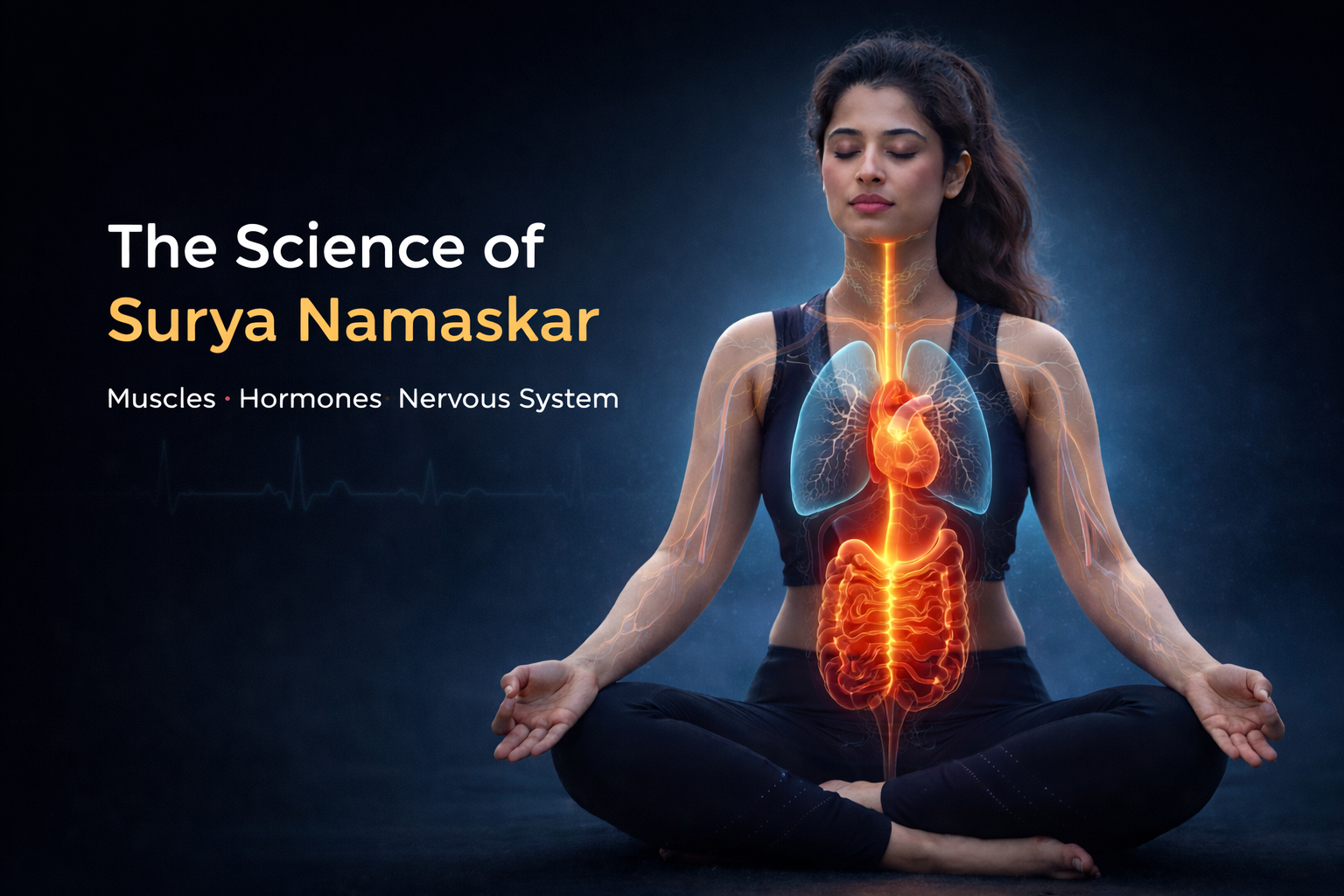
Introduction: More Than Movement—A Complete Biological Experience
Surya Namaskar is often introduced as a simple yoga routine—a sequence of 12 poses performed in a smooth, flowing rhythm. However, when you look a little deeper, it becomes clear that this practice is far more complex and sophisticated than it first appears.
Each movement in Surya Namaskar is not just a physical action. It is a coordinated process involving muscles, joints, breathing, neural signaling, and hormonal responses. Unlike many forms of exercise that focus on isolated muscle groups, Surya Namaskar activates the body as a complete system.
In modern physiology, the human body is understood as an integrated network rather than a collection of separate parts. Movement affects breathing, breathing influences the nervous system, and the nervous system can shape hormonal balance. Surya Namaskar works exactly at this intersection, which is one of the reasons it feels both energizing and grounding at the same time.
In simple words, Surya Namaskar is not just exercise—it is a system-wide physiological experience.
The Human Body as an Integrated System
To truly understand the science behind Surya Namaskar, it helps to move away from the idea that the body works in separate parts. In reality, your body functions as a connected system where everything influences everything else.
Instead of thinking in isolation, it is better to see the body as a network:
- Muscles create movement
- Joints provide range and flexibility
- The nervous system coordinates action and response
- The respiratory system supplies oxygen
- The endocrine system regulates internal balance
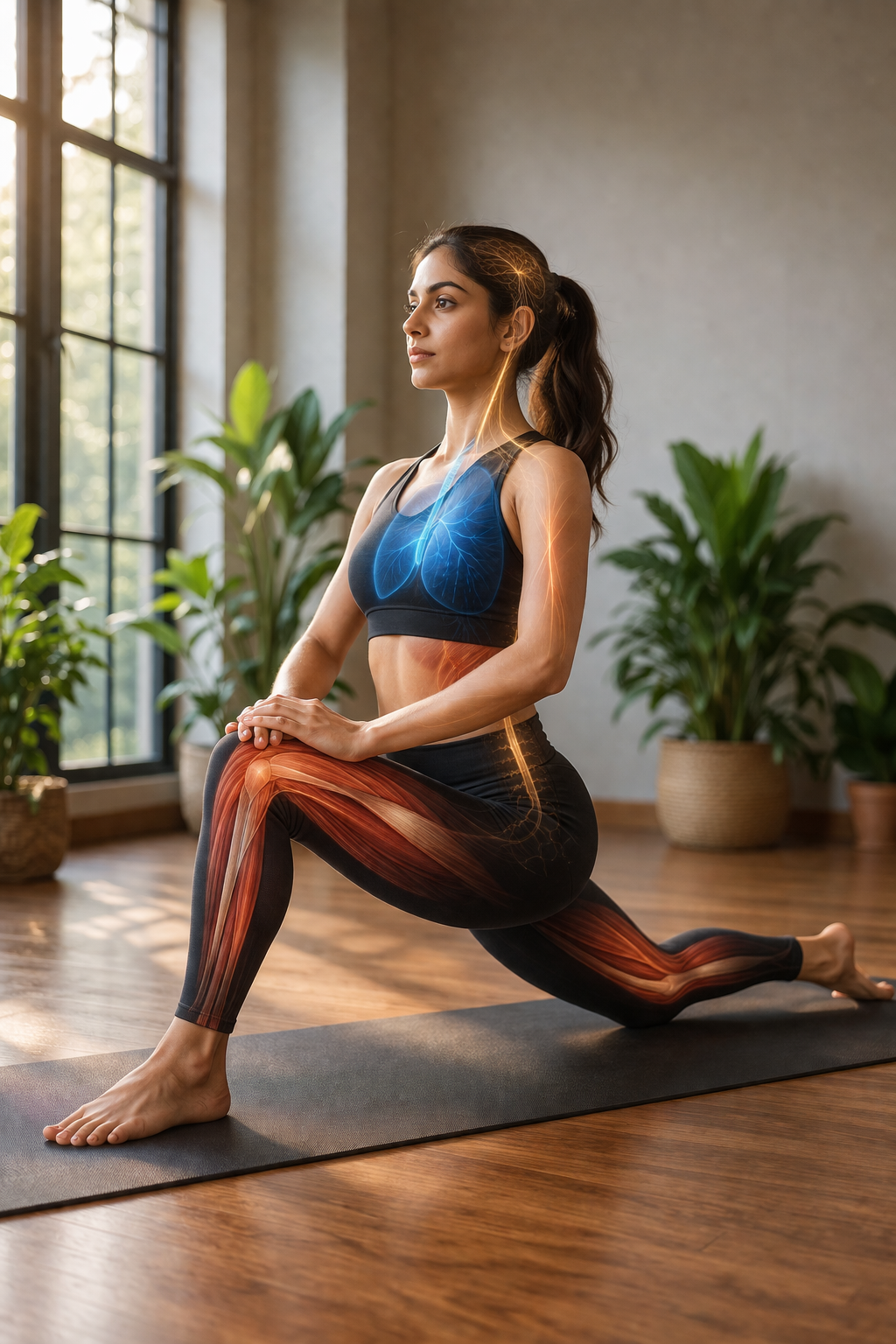
During Surya Namaskar, all these systems work together continuously. For example, when you move into a lunge:
- Your leg muscles activate to support the movement
- Your joints stabilize your body position
- Your breathing naturally deepens
- Your brain adjusts balance and coordination in real time
This constant interaction is what makes the practice so effective. Over time, your body becomes more efficient, allowing you to move with less effort and greater control.
Muscle Activation & Biomechanics
Surya Namaskar is a functional movement pattern that engages the entire body rather than isolating specific muscles. Each pose flows into the next, creating a balance between strength, stability, and flexibility.
Upper Body Mechanics
In poses like Plank and Ashtanga Namaskara, the upper body plays a key role in supporting and controlling movement.
- The shoulders stabilize the body and maintain alignment
- The chest and triceps assist in controlled lowering
- The arms bear a portion of body weight
This not only builds strength but also improves muscular endurance over time.
Core Stability
The core acts as the central support system throughout the sequence, even when it is not visibly active.
- It helps maintain proper spinal alignment
- It controls transitions between poses
- It prevents excessive strain on the lower back
A well-engaged core makes the practice safer and more efficient.
Lower Body Engagement
The lower body remains active in almost every step of Surya Namaskar, contributing to both strength and flexibility.
- Quadriceps support standing and lunging positions
- Hamstrings lengthen during forward bends
- Calves assist in maintaining balance
This continuous engagement strengthens the legs while gradually improving flexibility.
Functional Strength
Unlike isolated exercises, Surya Namaskar develops functional strength that supports real-life movement.
- It promotes coordinated muscle activation
- It balances strength with flexibility
- It improves overall movement efficiency
This combination is what makes Surya Namaskar both effective and sustainable as a daily practice.

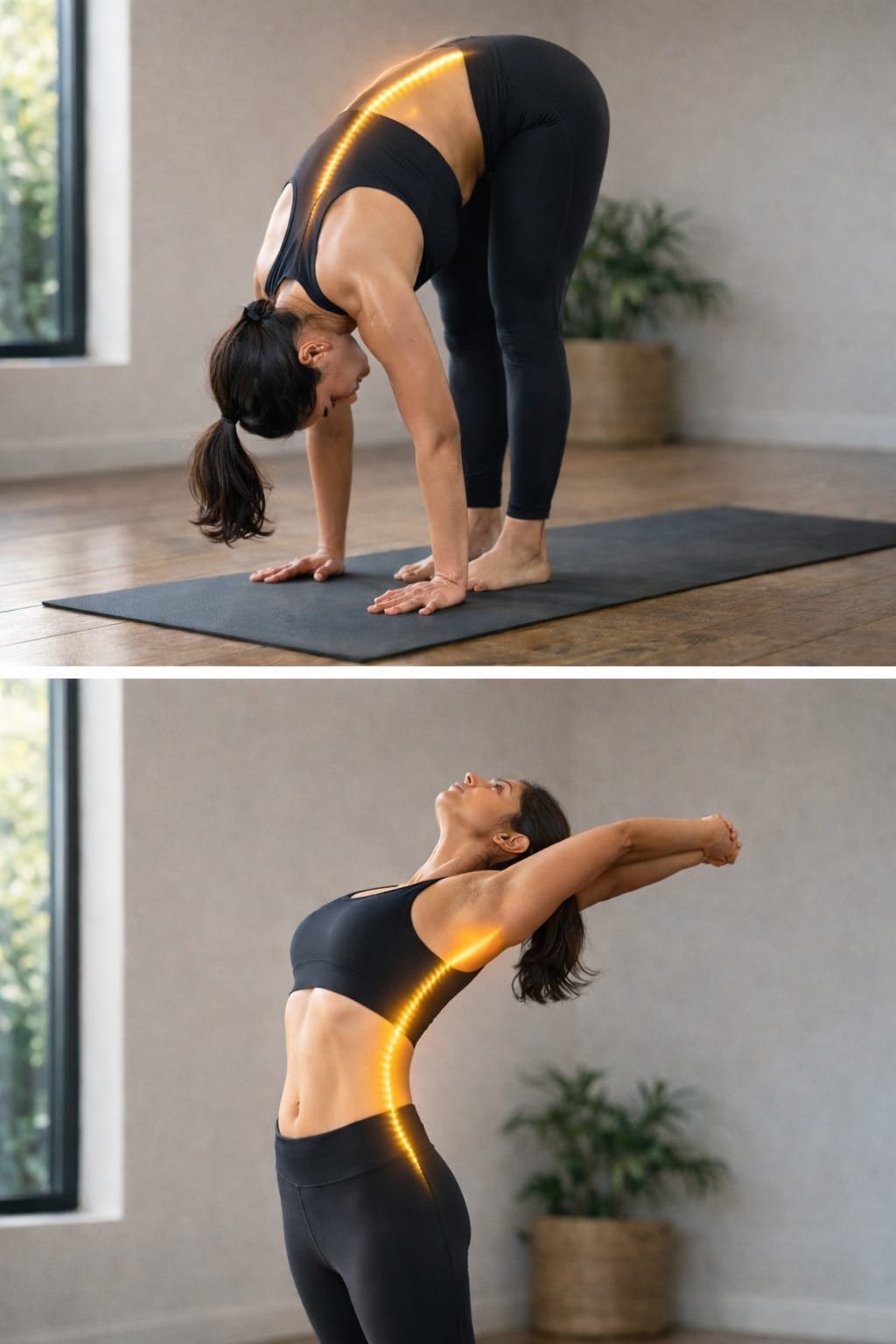
Spine Mechanics: Flexion, Extension & Stability
The spine plays a central role in Surya Namaskar. Almost every movement in the sequence involves the spine bending, extending, or stabilizing in a controlled way.
Flexion (Forward Bending)
In forward folds, the spine moves into flexion, creating a natural forward curve.
- The spine gently bends forward
- Back muscles lengthen and release built-up tension
- The abdominal area experiences mild compression
This movement helps improve flexibility and can relieve stiffness when performed with awareness and control.
Extension (Backbending)
In backbends, the spine moves in the opposite direction, opening up the front of the body.
- The chest expands and opens
- The spine curves backward
- The front body, including the abdomen and hips, stretches
This is especially helpful for counteracting the effects of prolonged sitting and poor posture in daily life.
Neutral Alignment
Between these movements, maintaining a neutral spine is just as important, especially during transitions.
- It reduces unnecessary strain on the lower back
- It improves overall movement control
- It supports long-term spinal health
Disc Health & Mobility
The continuous shift between flexion and extension keeps the spine active and well-balanced.
- It promotes circulation within the spinal discs
- It helps maintain flexibility and mobility
- It supports better posture over time
This balanced movement pattern is one of the key reasons Surya Namaskar feels both energizing and restorative.
Respiratory System & Oxygen Dynamics
Breathing is not just a background process in Surya Namaskar—it is actively coordinated with every movement. When your breath and movement work together, the entire sequence becomes more efficient, controlled, and sustainable.
Diaphragmatic Breathing
During inhalation, the body naturally expands as the diaphragm plays a key role in drawing air into the lungs.
- The diaphragm contracts and moves downward
- The lungs expand to take in more air
- Oxygen intake increases, supporting energy production
This deep, controlled inhalation helps create space in the chest and prepares the body for smooth and efficient movement.
Controlled Exhalation
During exhalation, the body shifts into a more stable and grounded state.
- The diaphragm relaxes and moves upward
- The body transitions into contraction or folding movements
- Stability and control improve
Exhaling with awareness helps maintain rhythm, improve control, and prevent unnecessary muscular tension.
Oxygen Exchange
When breathing is steady and efficient, the body is able to utilize oxygen more effectively.
- It improves oxygen delivery to working muscles
- It enhances endurance during continuous movement
- It helps reduce early fatigue
This is why synchronized breathing makes Surya Namaskar feel smoother, lighter, and more sustainable over time.

Advanced Breathing Physiology (CO₂ Tolerance & Efficiency)
Beyond basic inhalation and exhalation, Surya Namaskar can significantly influence how efficiently your body uses oxygen. This deeper level of breath control is what separates a beginner practice from a more advanced and refined experience.
CO₂ Tolerance
The body’s tolerance to carbon dioxide (CO₂) plays an important role in breathing efficiency and oxygen delivery. Research in physiology suggests that controlled breathing patterns can directly influence how oxygen and carbon dioxide are exchanged in the body.
- Higher CO₂ tolerance allows oxygen to be released more effectively into body tissues
- Slow, controlled breathing gradually helps build this tolerance over time
This process improves how your body utilizes oxygen, rather than simply increasing how much air you take in. You can further explore these breathing principles through pranayama practices .
Breath Efficiency
As breathing becomes more controlled and consistent, overall movement efficiency naturally improves.
- Less energy is wasted on unnecessary muscular tension
- Movements become smoother, more stable, and better coordinated
- The body remains relaxed even during continuous physical effort
This is one of the key reasons experienced practitioners appear calm and steady, even while performing multiple rounds of Surya Namaskar. This level of control reflects a deeper coordination between breath, movement, and the nervous system.

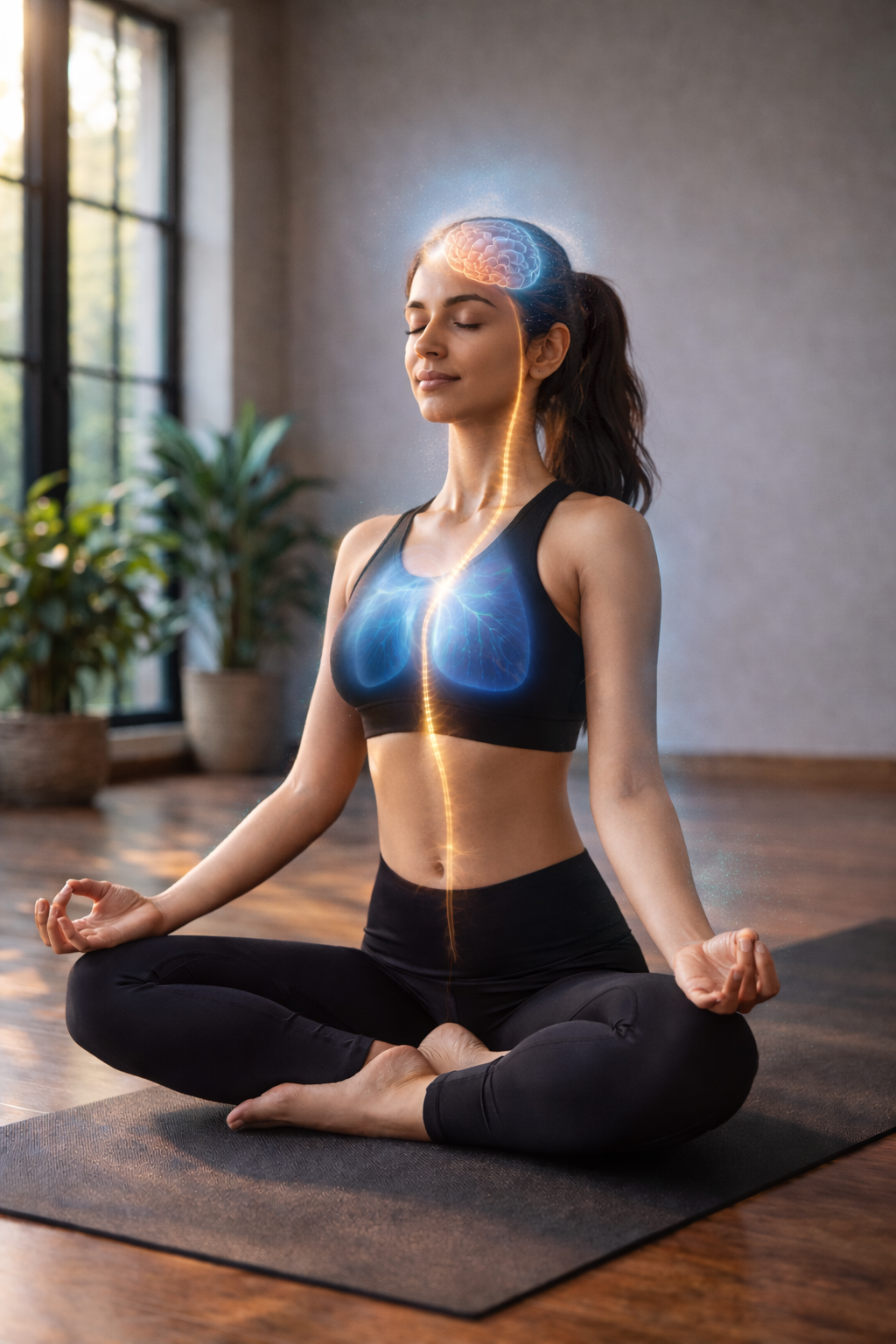
Nervous System: The Core Control Center
The nervous system plays a central role in how Surya Namaskar affects both the body and the mind. While the movements may appear physical, much of the real impact happens through neural signaling and internal regulation.
Sympathetic vs Parasympathetic
The nervous system operates through two main branches that constantly balance each other.
- Sympathetic nervous system – responsible for alertness, energy, and action (often called the “fight or flight” response)
- Parasympathetic nervous system – responsible for relaxation, recovery, and restoration (the “rest and digest” state)
Surya Namaskar creates a natural balance between these two systems. The movement keeps the body active, while controlled breathing supports relaxation, leading to a balanced internal state.
The Role of the Vagus Nerve
The vagus nerve is one of the most important connections between the brain and the body. It links the brain to major organs such as the heart, lungs, and digestive system.
When stimulated through slow and controlled breathing, it can:
- Reduce heart rate and promote calmness
- Improve digestive function
- Support overall relaxation and recovery
This is why Surya Namaskar often leaves you feeling both energized and relaxed at the same time.
Heart Rate Variability (HRV)
Heart Rate Variability (HRV) is a measure of how adaptable your nervous system is to stress and change.
- Higher HRV is associated with better stress resilience and recovery
- Controlled breathing can help improve HRV over time
This makes Surya Namaskar not only beneficial for physical fitness but also for improving mental balance and emotional stability.
Hormonal & Endocrine Response
Surya Namaskar may appear to be a physical practice, but it also influences the endocrine system —the network of glands responsible for hormone regulation. While these effects are subtle, consistent practice can support better internal balance over time.
Cortisol Regulation
Cortisol is commonly known as the stress hormone. When levels remain elevated for long periods, it can affect both physical and mental health.
- Regular practice may help reduce chronic stress levels
- It can support better recovery and relaxation
By combining movement with controlled breathing, Surya Namaskar helps create a calmer physiological state and supports overall stress management.
Endorphin Release
Endorphins are natural chemicals in the body that help improve mood and create a sense of well-being.
- Movement and breath coordination can trigger endorphin release
- This may lead to improved mood and mental clarity
This is one of the reasons why many people feel refreshed and positive after completing a session.
Thyroid Stimulation
Certain movements in Surya Namaskar involve the neck and chest area, which may gently influence the thyroid region.
- Neck positioning and chest expansion may stimulate the thyroid area
- This can support overall metabolic activity
While not a direct treatment, regular practice may contribute to better hormonal balance. You can also learn more in this guide on yoga for thyroid patients .
Insulin Sensitivity
Like many forms of physical activity, Surya Namaskar can play a role in maintaining healthy energy regulation.
- It may improve glucose regulation in the body
- It supports overall energy balance
Over time, this can contribute to better metabolic health and sustained energy levels.

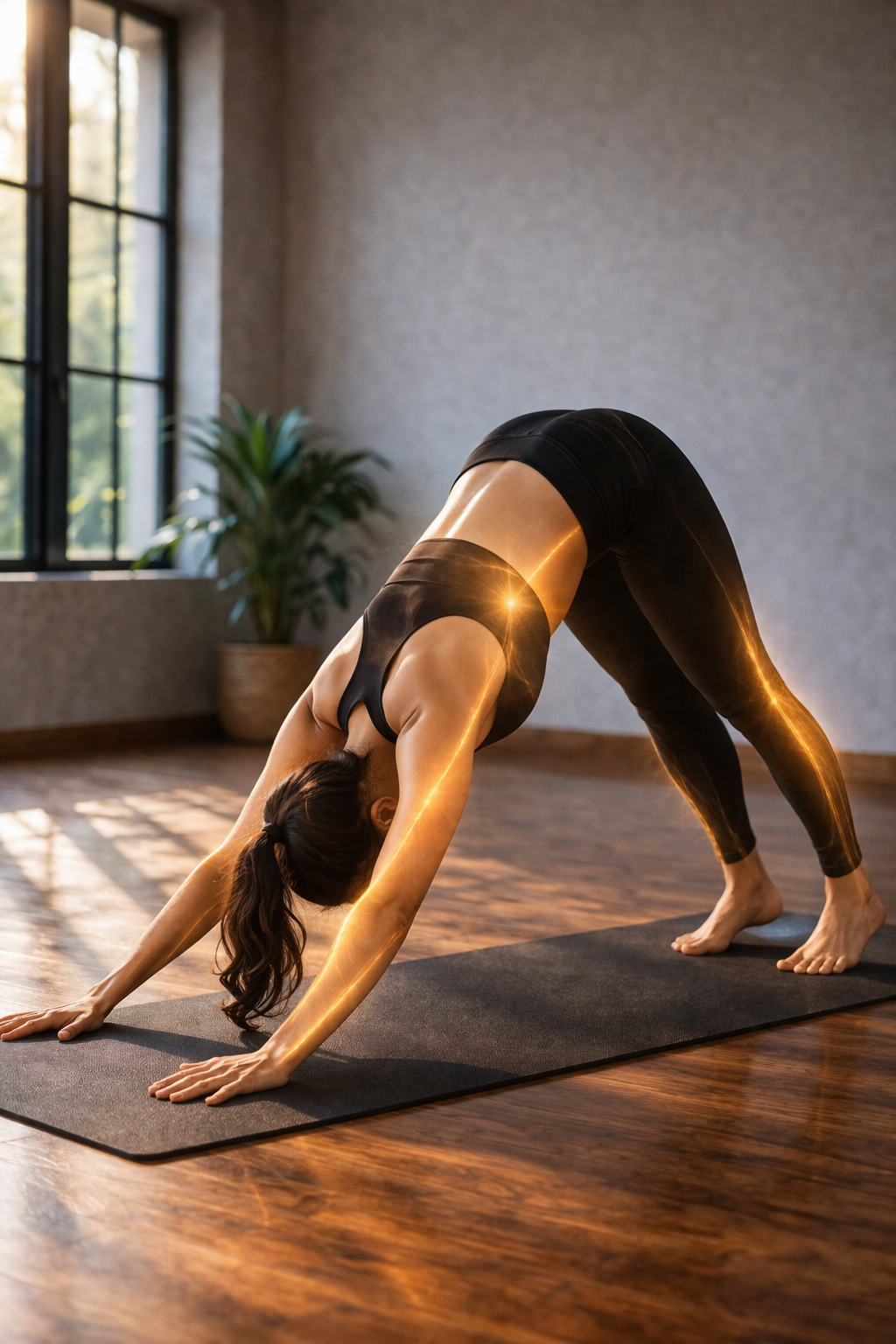
Cardiovascular System & Circulation
Surya Namaskar also functions as a low-to-moderate intensity cardiovascular activity. When performed in a continuous flow, it gently elevates the heart rate and improves overall blood circulation throughout the body. To understand the full sequence, you can refer to this complete guide on Surya Namaskar steps and benefits .
Heart Function
As you move through the sequence, the heart responds to the changing demands of the body.
- It gradually increases heart rate to support movement
- It improves overall blood circulation
This mild cardiovascular activation helps build endurance without placing excessive strain on the body. According to cardiovascular health research , regular moderate activity supports heart function and long-term health.
Blood Flow Distribution
Different poses in Surya Namaskar influence how blood flows through the body.
- Forward bends can increase circulation toward the head
- Inverted or semi-inverted positions shift circulation patterns
This variation supports balanced blood flow and keeps the circulatory system active.
Oxygen Delivery
Improved circulation plays a key role in delivering oxygen and nutrients where they are needed.
- It enhances oxygen supply to muscles and tissues
- It supports overall energy and vitality
Over time, this can contribute to better stamina, improved recovery, and a greater sense of physical well-being.

Energy Systems & Endurance (ATP Science)
Every movement in the body requires energy, and this energy comes from a molecule called ATP (adenosine triphosphate). It acts as the primary energy source that fuels muscle contraction and movement.
ATP Production
During Surya Namaskar, your body continuously produces and uses ATP to support each transition and posture.
- The body relies mainly on aerobic energy systems during continuous movement
- Oxygen plays a key role in sustaining this energy production
This is why steady breathing becomes so important—it helps maintain a consistent energy supply throughout the sequence.
Endurance Development
With regular practice, the body becomes more efficient at producing and using energy.
- It improves overall energy efficiency
- It gradually increases stamina and endurance
- It helps reduce fatigue during repeated rounds
Over time, this improved energy system allows you to perform Surya Namaskar with greater ease, control, and consistency.
Yoga vs Traditional Exercise (Scientific Comparison)
Surya Namaskar differs significantly from many traditional forms of exercise. While both can improve physical fitness, the way they engage the body and mind is quite different.
Key Differences
| Traditional Exercise | Surya Namaskar |
|---|---|
| Focuses on isolated muscle groups | Engages the entire body as a system |
| Often lacks breath coordination | Integrates movement with controlled breathing |
| Primarily physical in nature | Combines physical, mental, and physiological benefits |
| Less emphasis on mindfulness | Encourages awareness and mind–body connection |
This integrated approach is what makes Surya Namaskar unique. It not only improves strength and flexibility but also supports mental clarity, breathing efficiency, and overall body awareness.
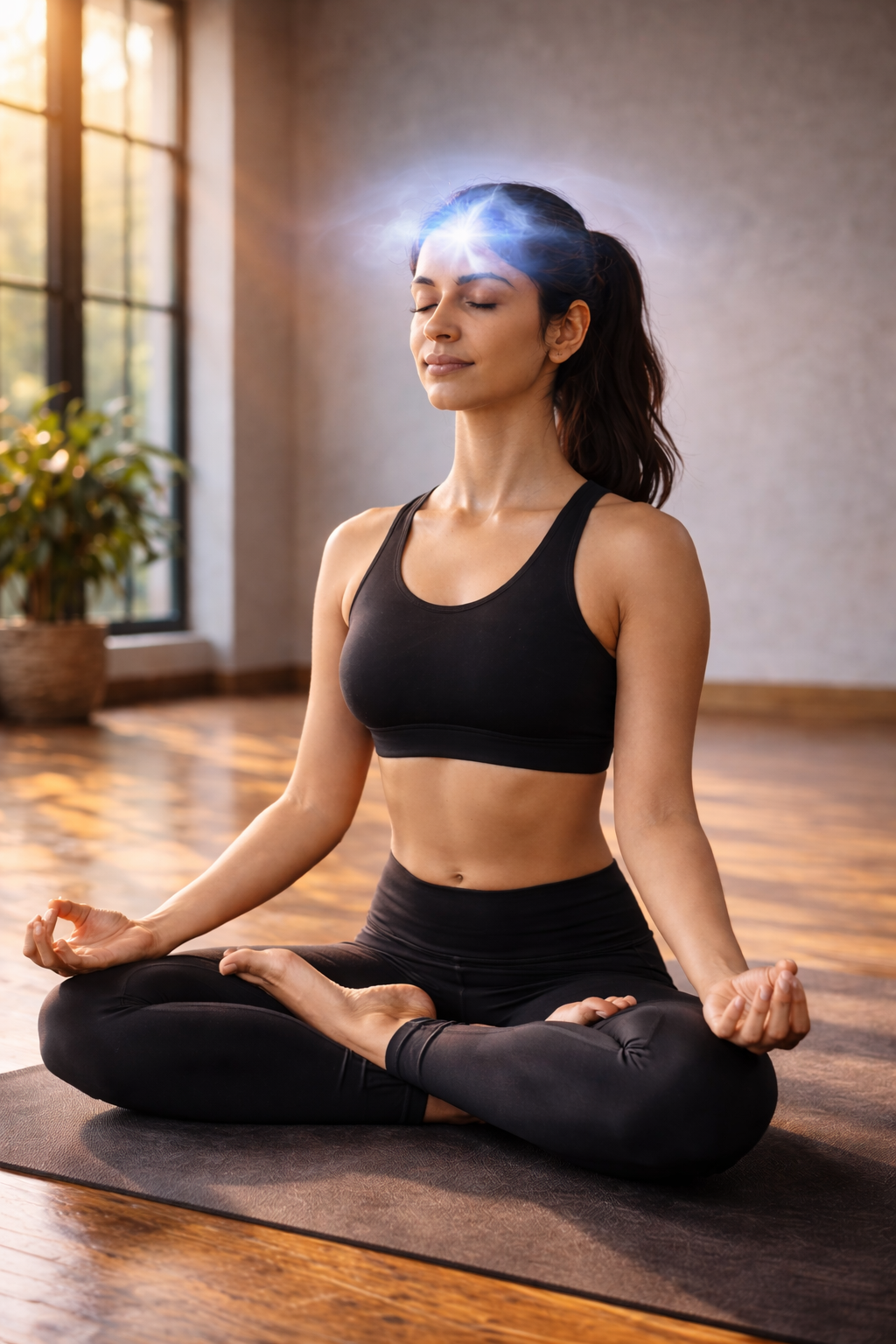
Mind–Body Coordination & Brain Function
Surya Namaskar is often described as a moving meditation because it brings the body and mind into a single, coordinated rhythm. As movement and breathing become synchronized, mental focus naturally improves.
Movement & Attention
When you consciously match your breath with each movement, your attention naturally shifts away from distractions and remains anchored in the present moment.
- It improves concentration during the practice
- It reduces mental distraction and scattered thinking
This simple coordination creates a more focused and intentional experience. You can further enhance this effect through yoga for stress relief .
Brain Activity
This state of steady movement combined with controlled breathing is often associated with calmer patterns of brain activity. Research on meditation and brain function suggests that mindful practices can support mental clarity and emotional balance.
- It supports a more relaxed and balanced mental state
- It improves clarity and mental sharpness
As the body settles into a steady rhythm, the mind naturally follows, becoming quieter and more stable.
Mindfulness
One of the most important effects of Surya Namaskar is the shift in awareness from external distractions to internal experience.
- Attention naturally turns inward
- Awareness of breath and movement increases
- Stress levels gradually reduce
Over time, this mind–body connection not only enhances the practice but also carries into daily life, improving focus, clarity, and emotional balance.
Adaptation Timeline: What Happens Over Time
Like any physical and physiological practice, the benefits of Surya Namaskar develop gradually over time. Understanding this progression helps set realistic expectations and encourages consistency.
Short-Term (1–2 Weeks)
In the initial stage, the body begins to adapt to the movement patterns and breathing coordination.
- You may notice slight improvements in flexibility
- Breathing awareness starts to improve
At this stage, the focus should be on consistency rather than perfection.
Medium-Term (3–6 Weeks)
After a few weeks of regular practice, the body’s adaptation becomes more noticeable.
- Muscular strength gradually improves
- Endurance increases, allowing you to perform more rounds with ease
Movements begin to feel smoother and more controlled.
Long-Term (2–3 Months)
With consistent practice over time, long-term benefits become clearly visible.
- Posture improves significantly
- Nervous system balance becomes more stable
- Overall fitness and body awareness increase
At this stage, Surya Namaskar is no longer just an exercise—it becomes a natural part of your daily lifestyle.
Integrated Effect: Why It Works So Well
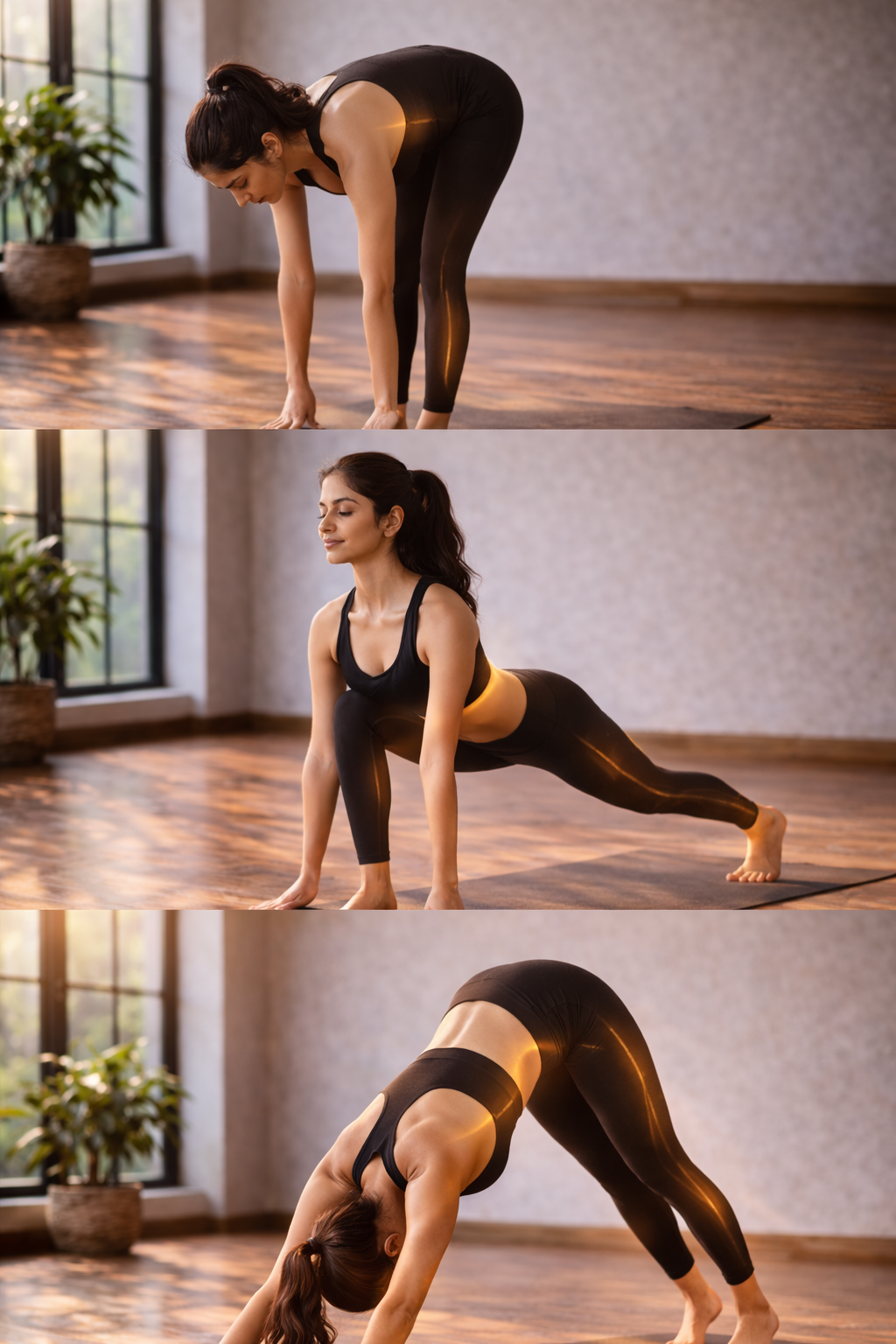
What makes Surya Namaskar truly effective is not just the individual movements, but how all body systems work together in a coordinated way. Instead of targeting one area at a time, it creates a complete, integrated response.
During the sequence, multiple systems are activated simultaneously:
- Muscular activation supports strength and flexibility
- Spinal movement improves mobility and posture
- Controlled breathing enhances oxygen efficiency
- Nervous system regulation balances energy and relaxation
- Hormonal balance supports internal stability
This integration is what makes Surya Namaskar unique. It is not just a physical routine—it is a coordinated system-wide process that improves how the body functions as a whole.
Scientific Mistakes to Avoid
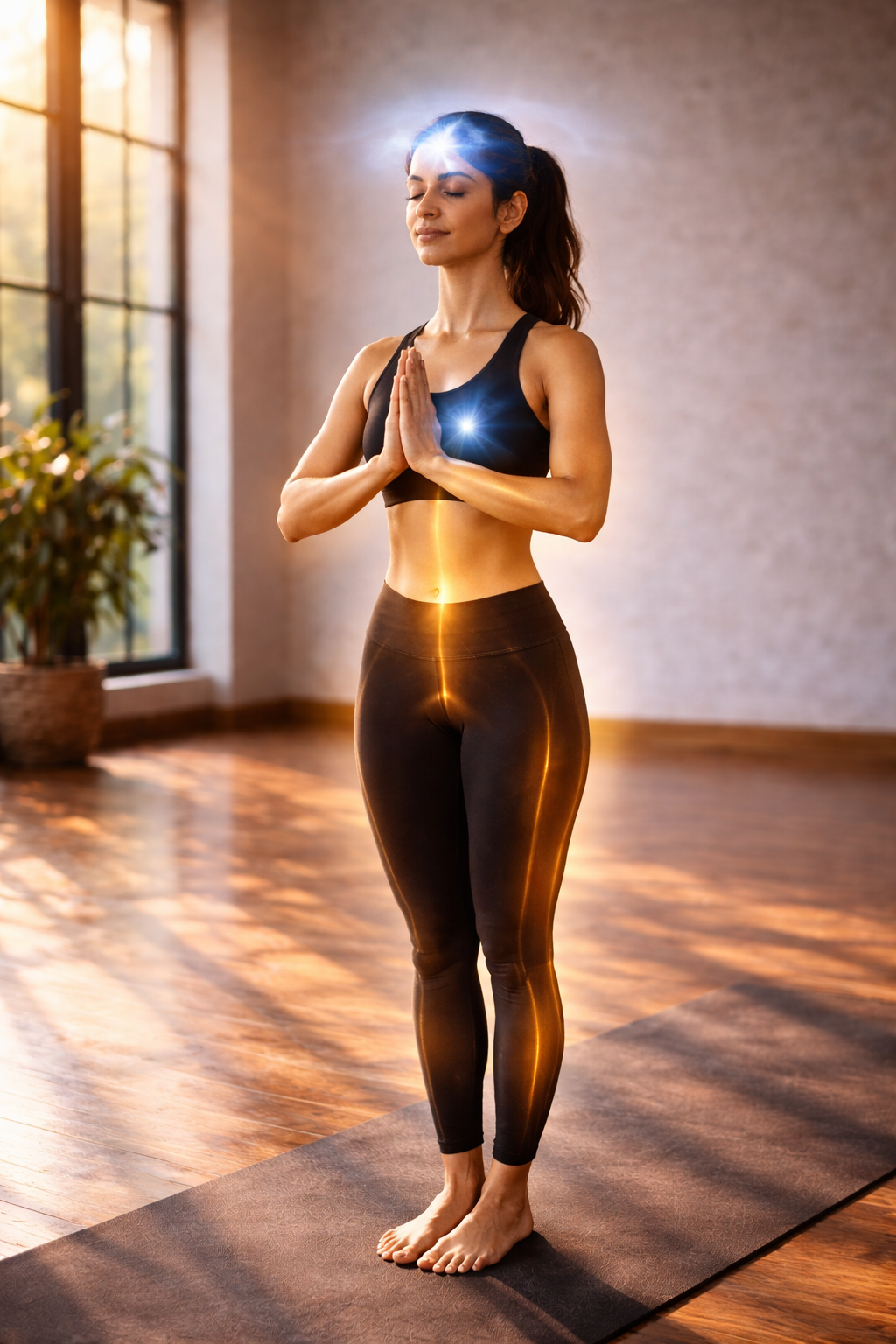
Even small mistakes in Surya Namaskar can reduce its effectiveness and limit the overall benefits. Paying attention to proper technique makes a noticeable difference. You can also explore common yoga mistakes beginners should avoid to improve your practice.
- Ignoring Breath Coordination – reduces efficiency and flow
- Overextension of Joints – may lead to unnecessary strain
- Rushing Movements – affects control and awareness
- Poor Alignment – limits benefits and can cause discomfort
- Lack of Awareness – weakens the mind–body connection
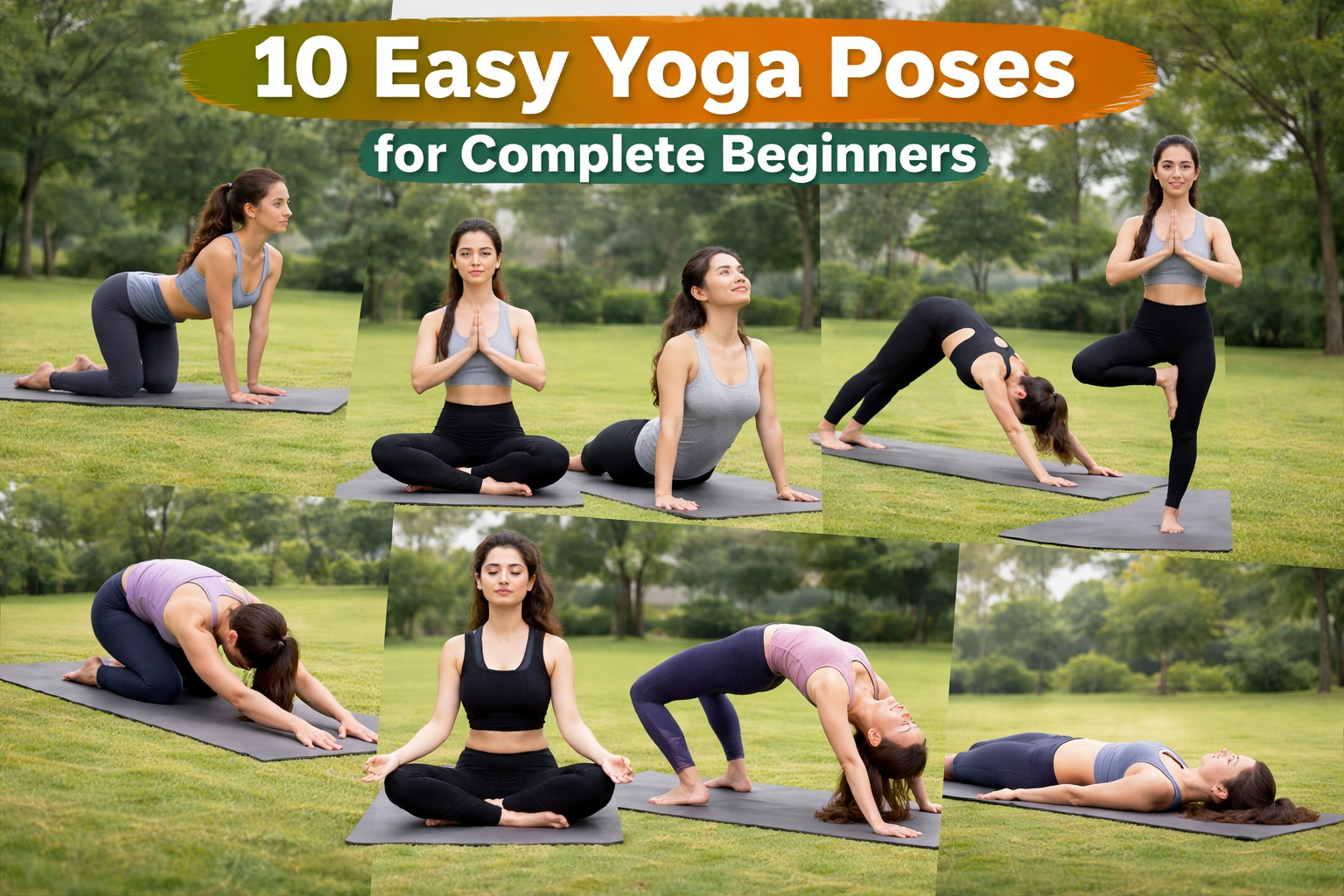
Each of these factors can reduce the overall effectiveness of the practice. Building a strong foundation through basic yoga poses for beginners can help improve alignment, awareness, and overall technique.
Conclusion: A System, Not Just a Sequence
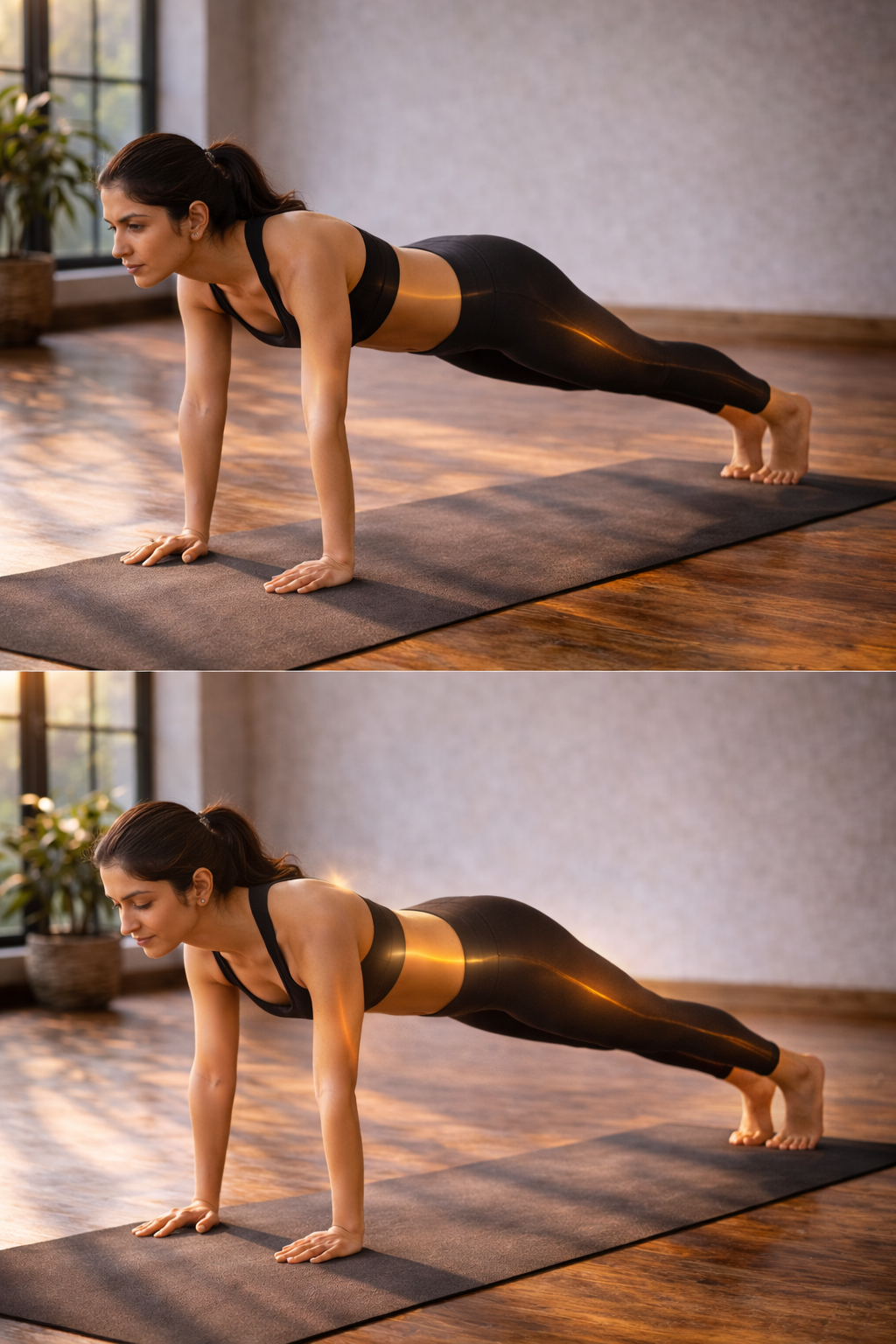
Surya Namaskar is more than just a physical routine. It is a coordinated interaction between movement, breath, and the body’s internal systems.
With consistent practice, it can gradually improve:
- Strength
- Flexibility
- Mental clarity
- Emotional balance
Over time, the practice becomes more than a series of poses—it becomes a way to understand how your body moves, adapts, and functions as a whole.
In this sense, Surya Namaskar is not just about movement. It is about building awareness, balance, and a deeper connection between the body and mind.