
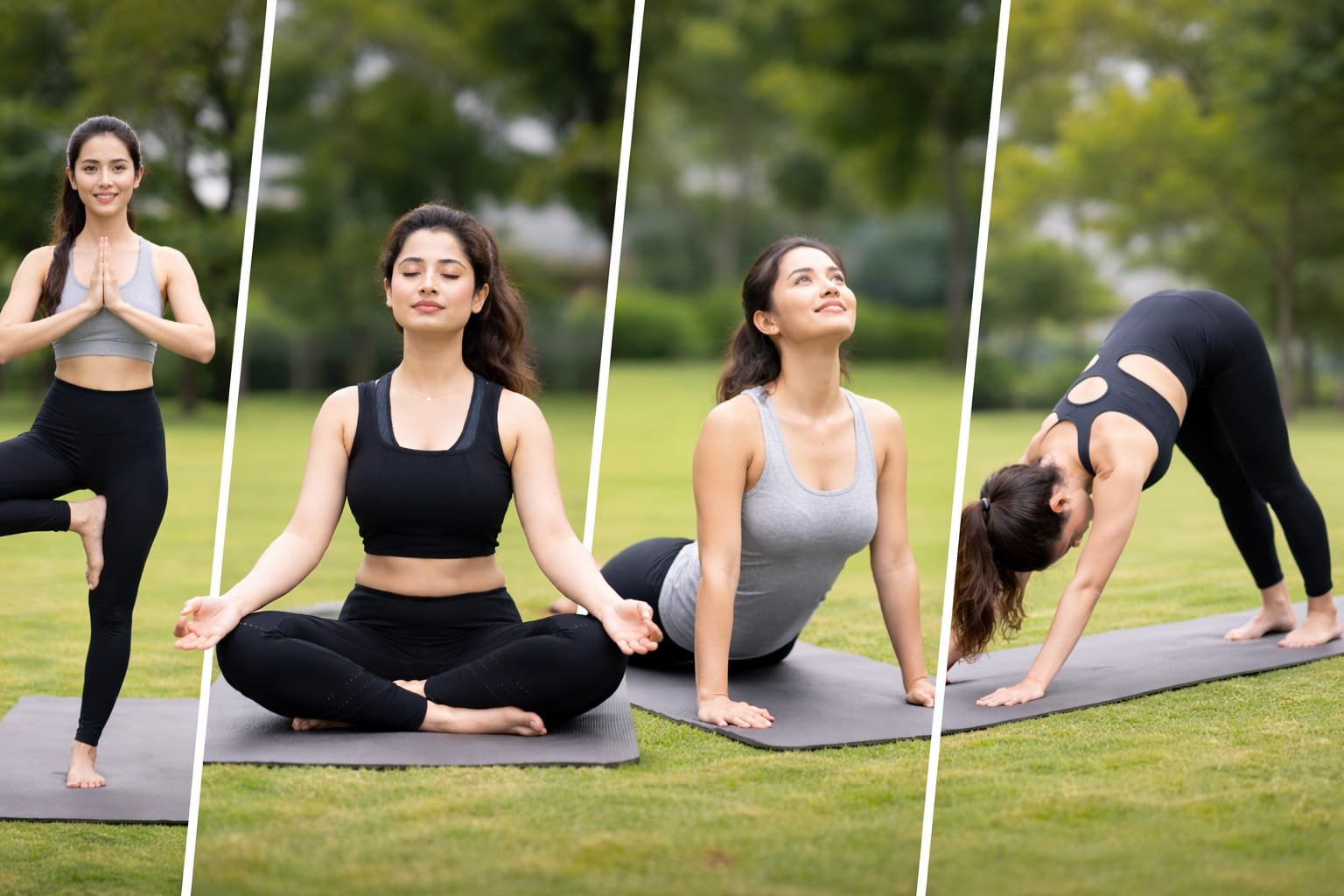
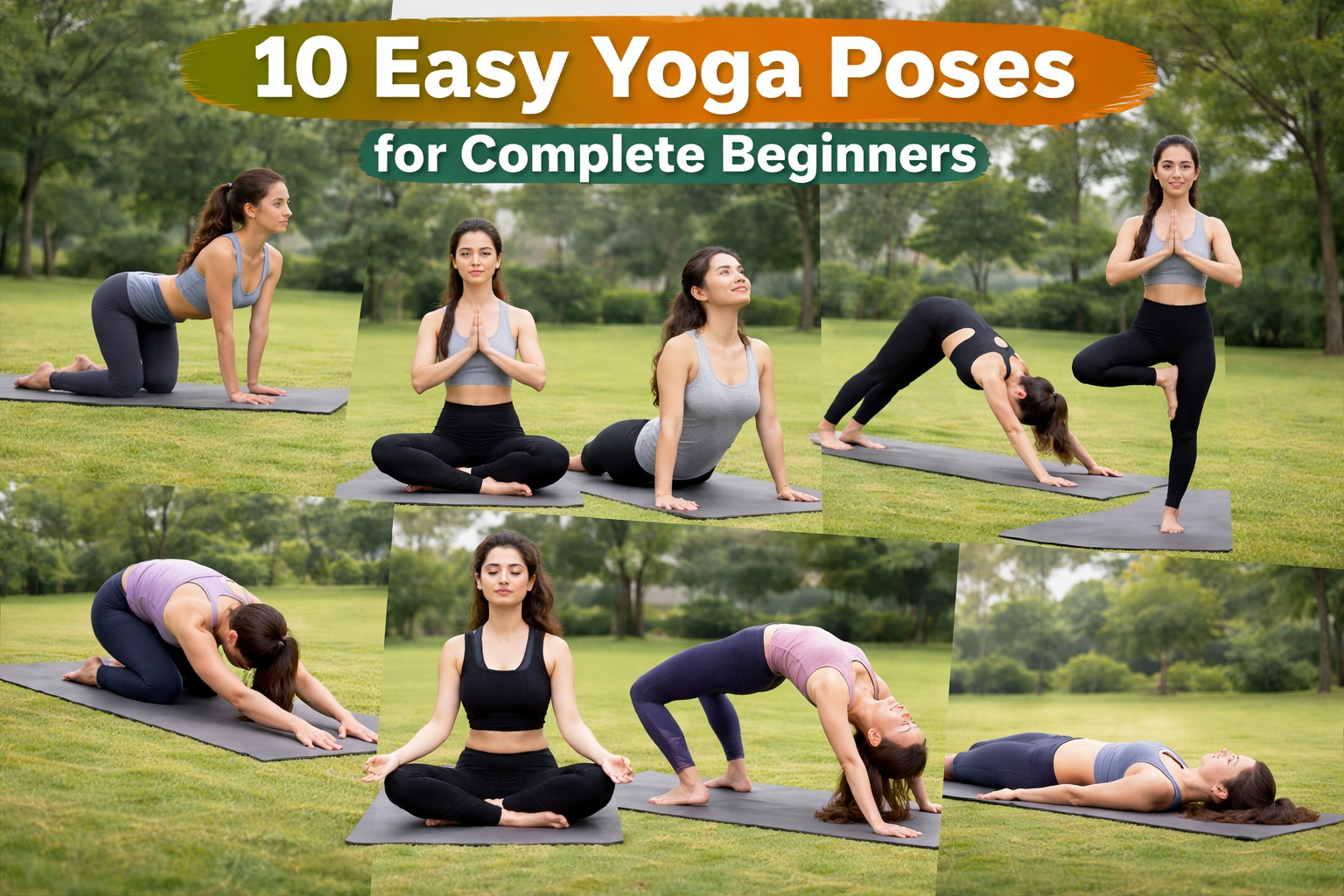

Introduction: Understanding Belly Fat and the Role of Yoga
Belly fat is one of the most common and challenging fitness concerns. Many people try multiple methods such as intense workouts, strict diets, or trending weight loss solutions, yet still struggle to achieve consistent results.
The reason is simple—belly fat is not influenced by calorie intake alone. It is closely linked to factors such as hormonal balance, stress levels, sleep quality, digestion, and even breathing patterns. Addressing these underlying factors is essential for achieving long-term and sustainable results.
Yoga offers a holistic approach that works on both the body and mind. It not only helps support metabolism and strengthen core muscles but also helps reduce stress, improve digestion, and promote overall hormonal balance.
If you are just starting your journey, following a structured plan can make the process easier and more effective. You can begin with a 7-day yoga plan for weight loss at home, which provides a simple and beginner-friendly foundation for building consistency.
In this guide, you will learn how yoga supports overall fat loss and abdominal toning through science-based principles, effective poses, structured routines, breathing techniques, and lifestyle practices that contribute to long-term well-being.
The Real Reason Belly Fat is Difficult to Lose
Before starting any yoga practice, it is important to understand why belly fat tends to accumulate and persist. Unlike other areas of the body, abdominal fat is influenced by multiple factors, including hormonal activity, digestion, stress levels, and overall lifestyle habits.
The Cortisol–Belly Fat Connection
When the body experiences stress, it releases a hormone called cortisol. In short-term situations, cortisol helps provide the energy needed to respond effectively. However, when stress becomes chronic, consistently elevated cortisol levels may encourage the body to store fat, particularly around the abdominal area.

High cortisol levels are also associated with increased cravings for sugary and high-fat foods, along with a slower metabolic response. This can contribute to a hormonal imbalance where fat storage becomes more likely, regardless of calorie intake, as explained in research on cortisol and weight gain.
Yoga plays an important role in managing stress and supporting hormonal balance. Practices that include controlled breathing and relaxation techniques may help support healthy stress responses. To understand this in more detail, you can explore this guide on pranayama and breathing techniques, which explains how breath control can support stress reduction and overall well-being.
Digestion, Bloating, and Abdominal Fat
In many cases, what appears to be belly fat may actually be bloating caused by poor digestion, gas, or constipation. An unhealthy digestive system can lead to a persistent feeling of heaviness and abdominal discomfort.
Yoga poses such as twists and forward bends may help stimulate digestion and reduce bloating. If digestive issues are a concern, you may also find it helpful to follow specific practices outlined in this yoga routine for gas relief and better digestion.
Building Deep Core Strength
Traditional exercises like crunches primarily target superficial abdominal muscles. In contrast, yoga focuses on activating deeper core muscles, particularly the transversus abdominis, which acts as a natural support system for the abdomen.
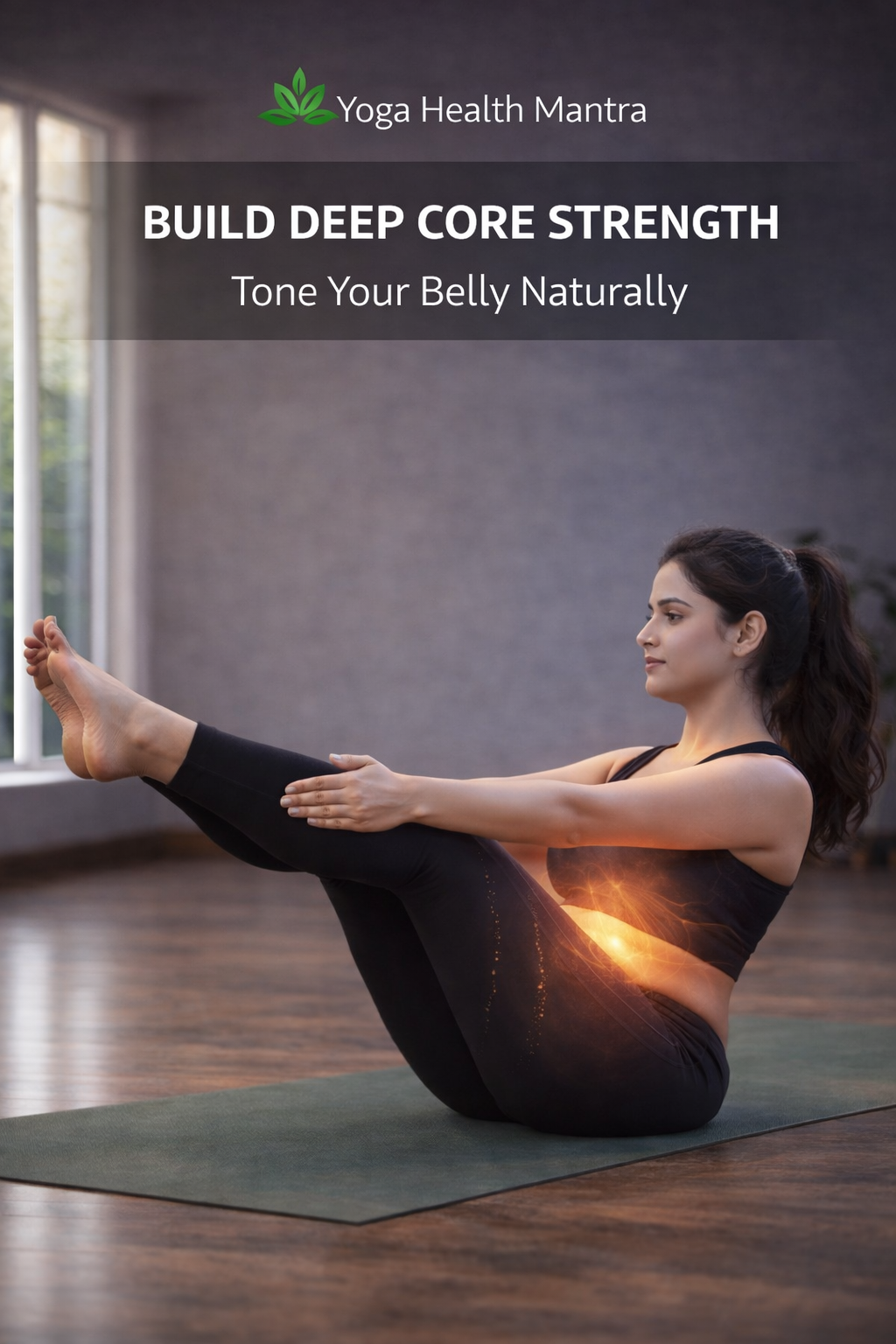
Strengthening these deeper muscles helps improve posture, stabilize the spine, and support a firmer, more toned abdominal appearance without placing excessive strain on the body.
Overall, yoga supports abdominal fat management through a combination of stress reduction, improved digestion, and enhanced core strength. While results may not be immediate, consistent practice can lead to sustainable and long-term improvements in overall health and fitness.
12 Effective Yoga Poses to Reduce Belly Fat
Targeted yoga poses can help strengthen the core, support metabolism, and contribute to overall fat loss in the abdominal area. These poses work by engaging deep core muscles, supporting circulation, and reducing stress levels—factors that play an important role in managing excess abdominal fat.
Each pose described below is beginner-friendly and can be practiced at home with minimal space and no equipment. When practiced consistently, these movements help build strength, improve flexibility, and support long-term weight management.
If you are new to yoga or want to build a strong foundation before starting these poses, it is recommended to begin with a complete beginner yoga poses guide, which explains basic postures and alignment techniques.
For best results, focus on proper form, controlled breathing, and gradual progression rather than intensity. The following poses are structured to help activate the abdominal muscles, improve stability, and support overall fat loss and body conditioning.
1. Cat-Cow Stretch (Marjaryasana–Bitilasana)
Why it helps: This gentle flow improves spinal flexibility, supports abdominal movement, and helps reduce stress, making it an effective warm-up before a core-focused or fat-loss routine.
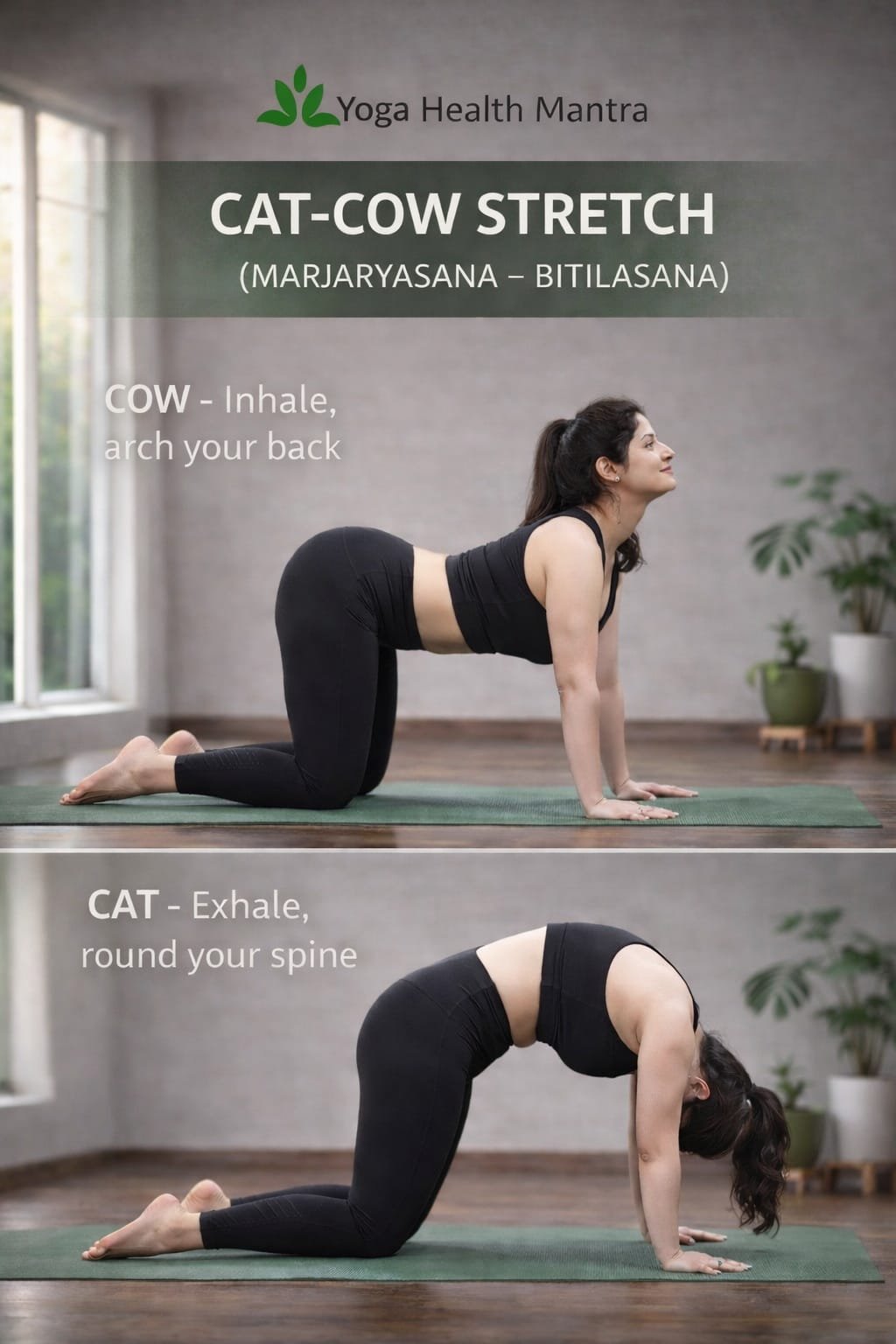
How to perform:
- Start in a tabletop position with your hands directly under your shoulders and knees under your hips
- Inhale slowly, drop your belly toward the floor, and lift your chest and tailbone (Cow Pose)
- Exhale gently, round your spine upward, tuck your chin toward your chest, and draw your navel inward (Cat Pose)
- Continue this movement in sync with your breath for about 1 minute
Beginner Tip: Focus on slow, controlled breathing and smooth transitions between movements. Avoid rushing, and ensure each movement fully engages the spine.
2. Downward-Facing Dog (Adho Mukha Svanasana)
Why it helps: This pose engages the entire core, supports healthy circulation, and helps calm the mind, making it effective for building strength, improving flexibility, and reducing stress.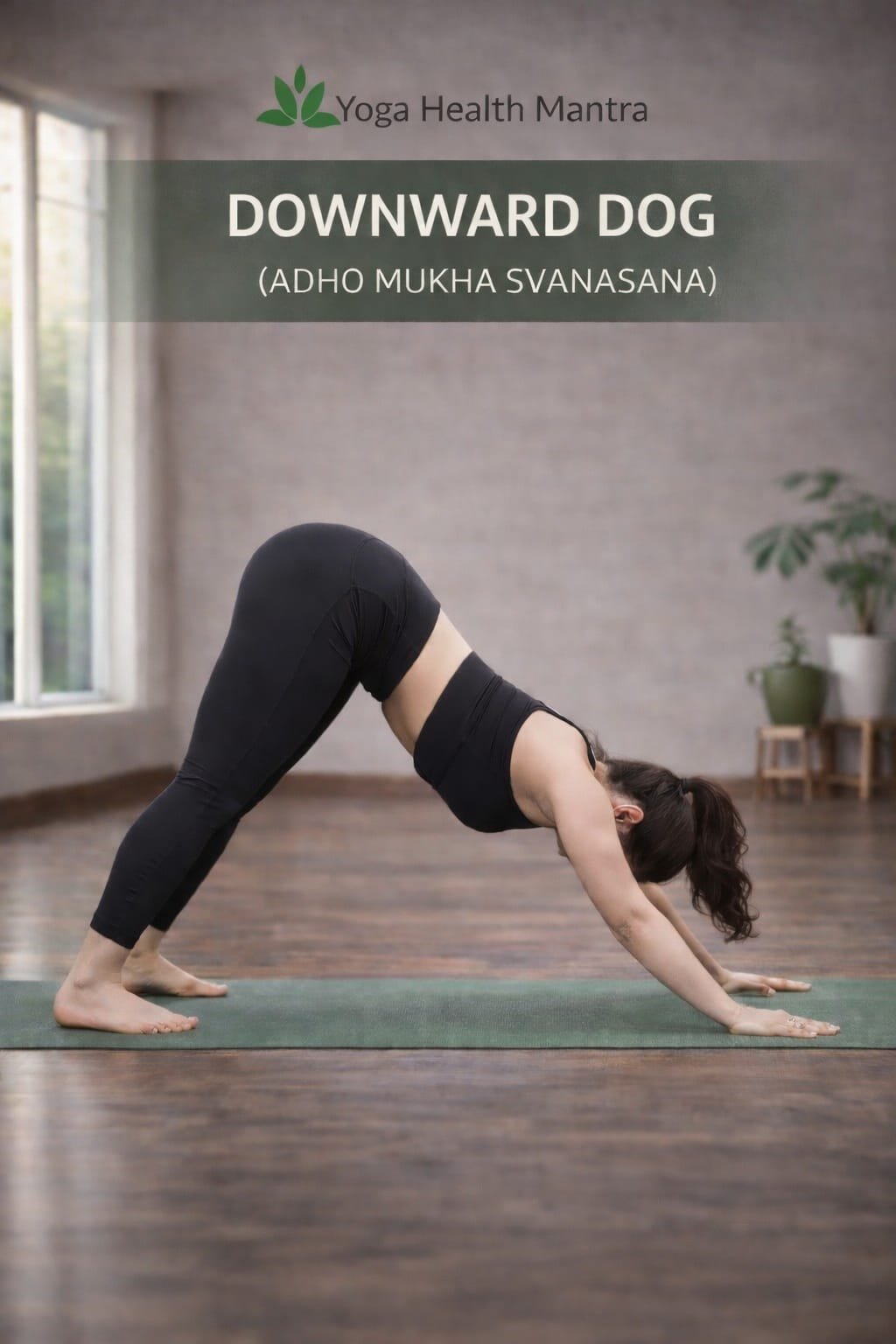
- Start in a tabletop position with your hands under your shoulders and knees under your hips
- Tuck your toes under and lift your hips upward and backward
- Form an inverted “V” shape with your body
- Press your palms firmly into the ground and keep your arms straight
- Maintain a slight bend in your knees if needed to avoid strain
- Gently draw your navel toward your spine to engage your core
- Hold the position for 5 slow, steady breaths
3. Boat Pose (Navasana)
Why it helps: This pose provides strong core activation, helping to strengthen the abdominal muscles and improve balance. It is especially effective for building core stability and supporting abdominal toning.
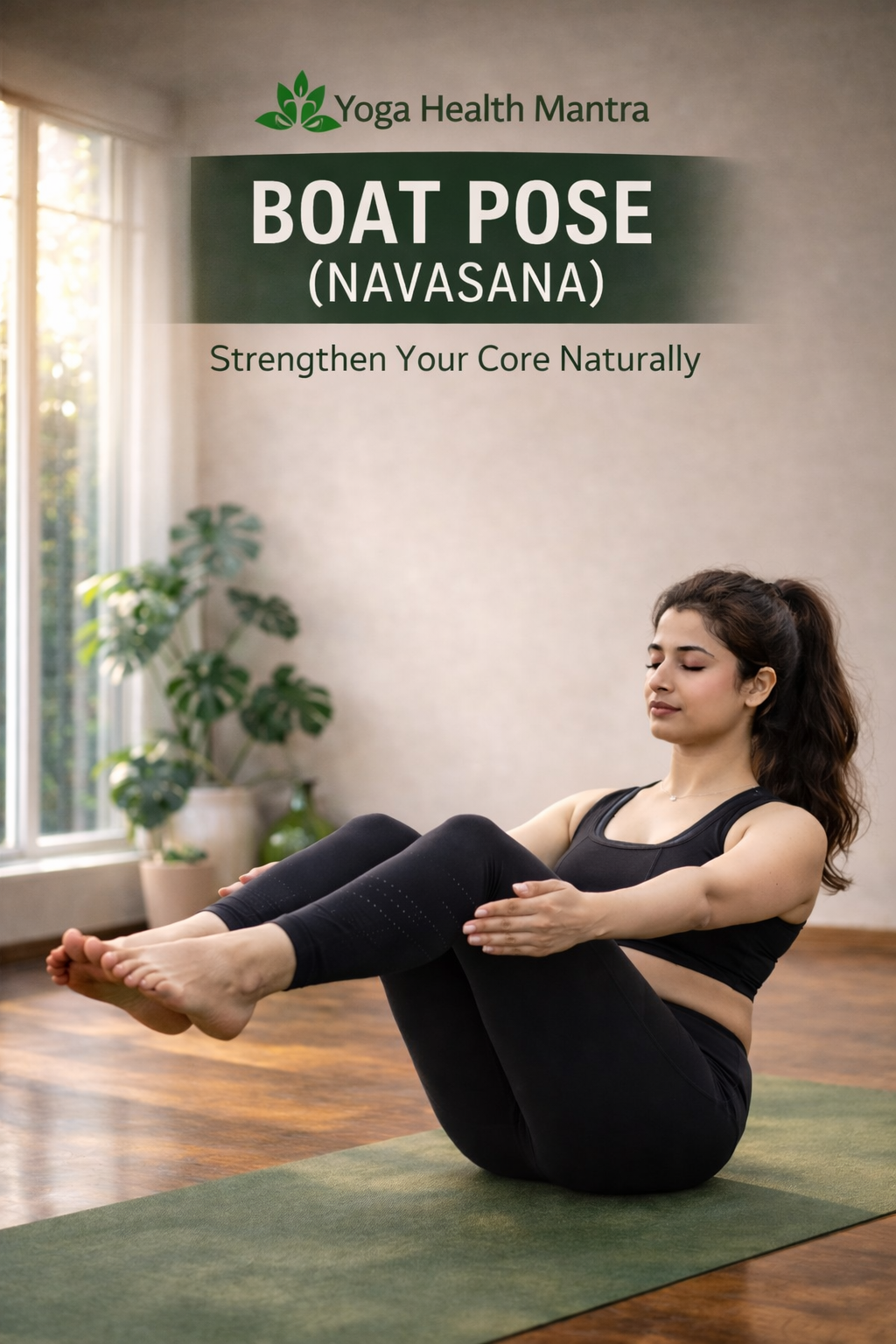
How to perform:
- Sit on the floor with your knees bent and feet flat on the mat
- Lean your upper body slightly backward while keeping your spine straight and lifted
- Lift your feet off the ground until your shins are parallel to the floor
- Extend your arms forward, keeping them parallel to the ground
- For a more advanced variation, straighten your legs while maintaining balance
- Hold the position for 3–5 slow, steady breaths, then relax
- Repeat the pose 2–3 times
Beginner Tip: If you feel strain in your lower back, keep your knees bent and focus on maintaining proper posture rather than fully extending your legs.
4. Plank Pose (Phalakasana)
Why it helps: This pose builds strength and endurance throughout the entire core, including the abdominal muscles, obliques, and lower back. It is highly effective for improving stability, posture, and overall core strength.
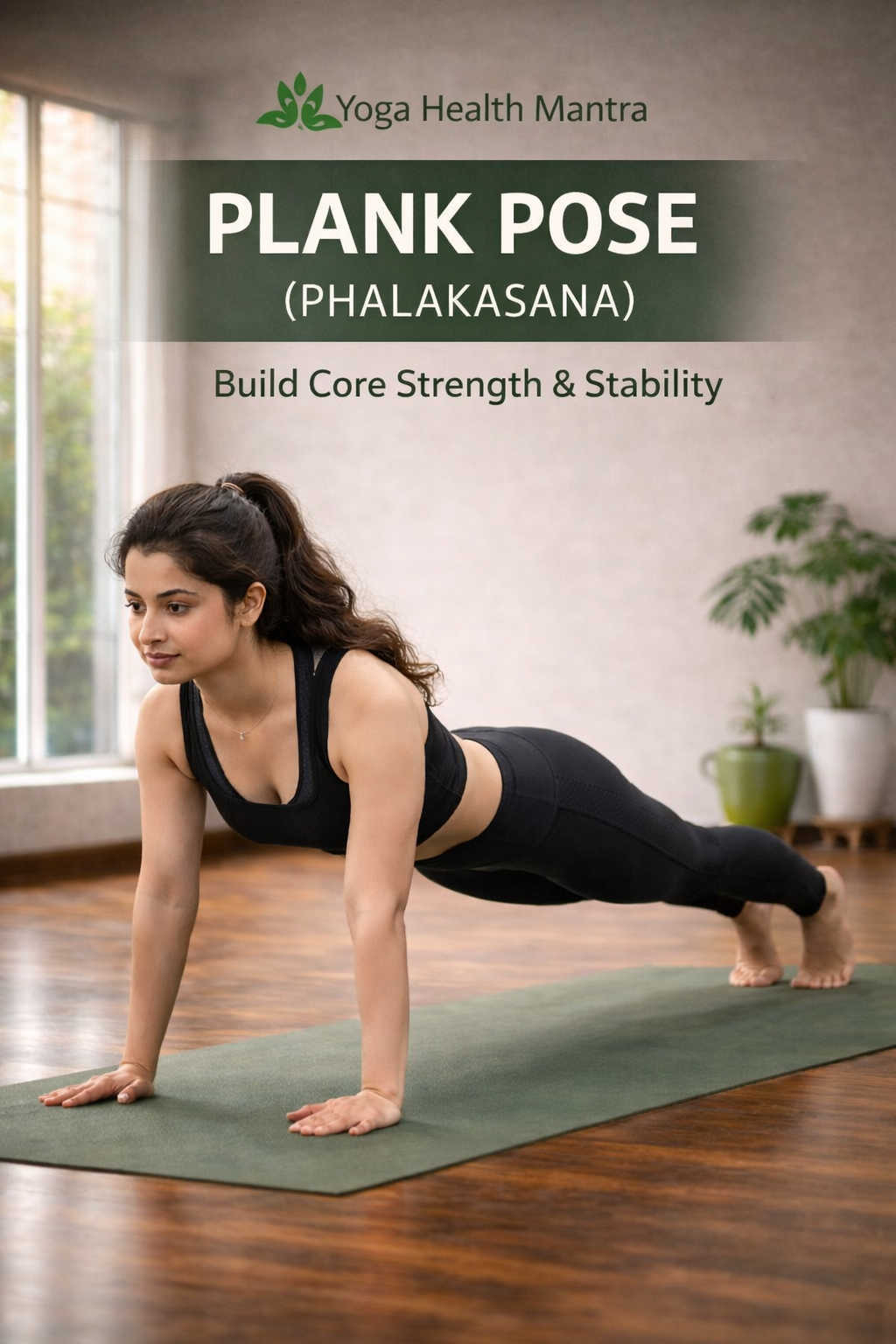
How to perform:
- Begin in a tabletop position with your hands directly under your shoulders and knees under your hips
- Step your feet back one at a time to form a straight line from your head to your heels
- Keep your shoulders aligned directly above your wrists
- Engage your core by gently drawing your navel inward
- Activate your thighs and glutes to maintain stability
- Hold the position for 20–30 seconds, gradually increasing up to 1 minute
Beginner Tip: If maintaining a straight body position feels challenging, lower your knees to the floor while keeping your core engaged. This helps reduce strain while maintaining proper alignment.
5. Warrior III (Virabhadrasana III)
Why it helps: This balancing pose activates deep core muscles, improves stability, and enhances overall body coordination. It is especially effective for building core strength and improving balance.
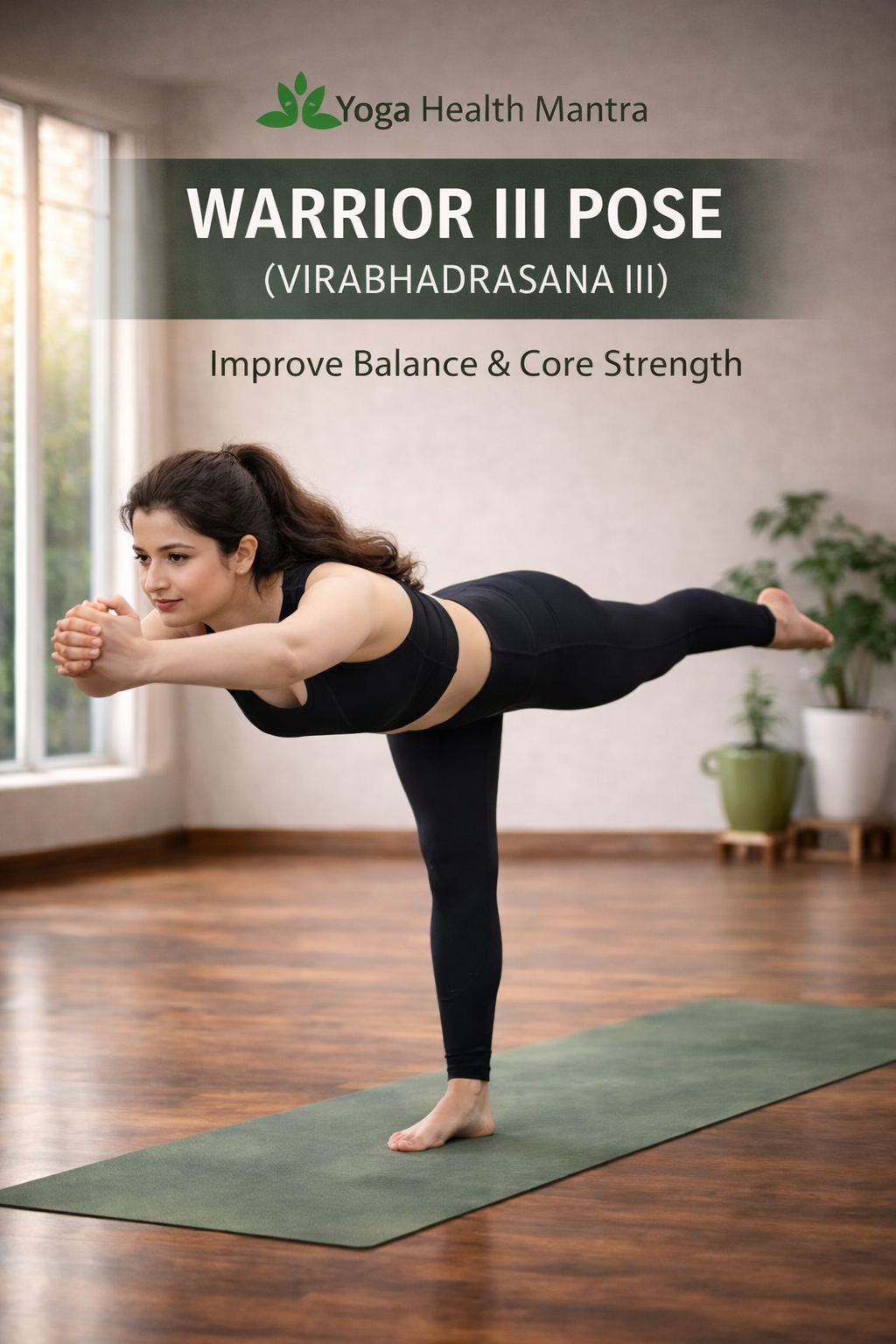
How to perform:
- Stand upright with your feet hip-width apart
- Shift your weight onto one leg
- Slowly hinge forward from your hips while lifting the opposite leg behind you
- Extend your arms forward or keep them beside your body for balance
- Keep your body in a straight line from your head to your lifted heel, parallel to the floor
- Maintain a slight bend in your standing leg to avoid strain
- Hold the position for 3–5 slow, steady breaths, then switch sides
Beginner Tip: If balancing is difficult, focus on a fixed point in front of you and keep your movements slow and controlled to maintain stability.
6. Bridge Pose (Setu Bandhasana)
Why it helps: This pose strengthens the lower abdominal muscles, glutes, and lower back while supporting spinal stability. It is especially beneficial for improving core strength, posture, and overall body support.
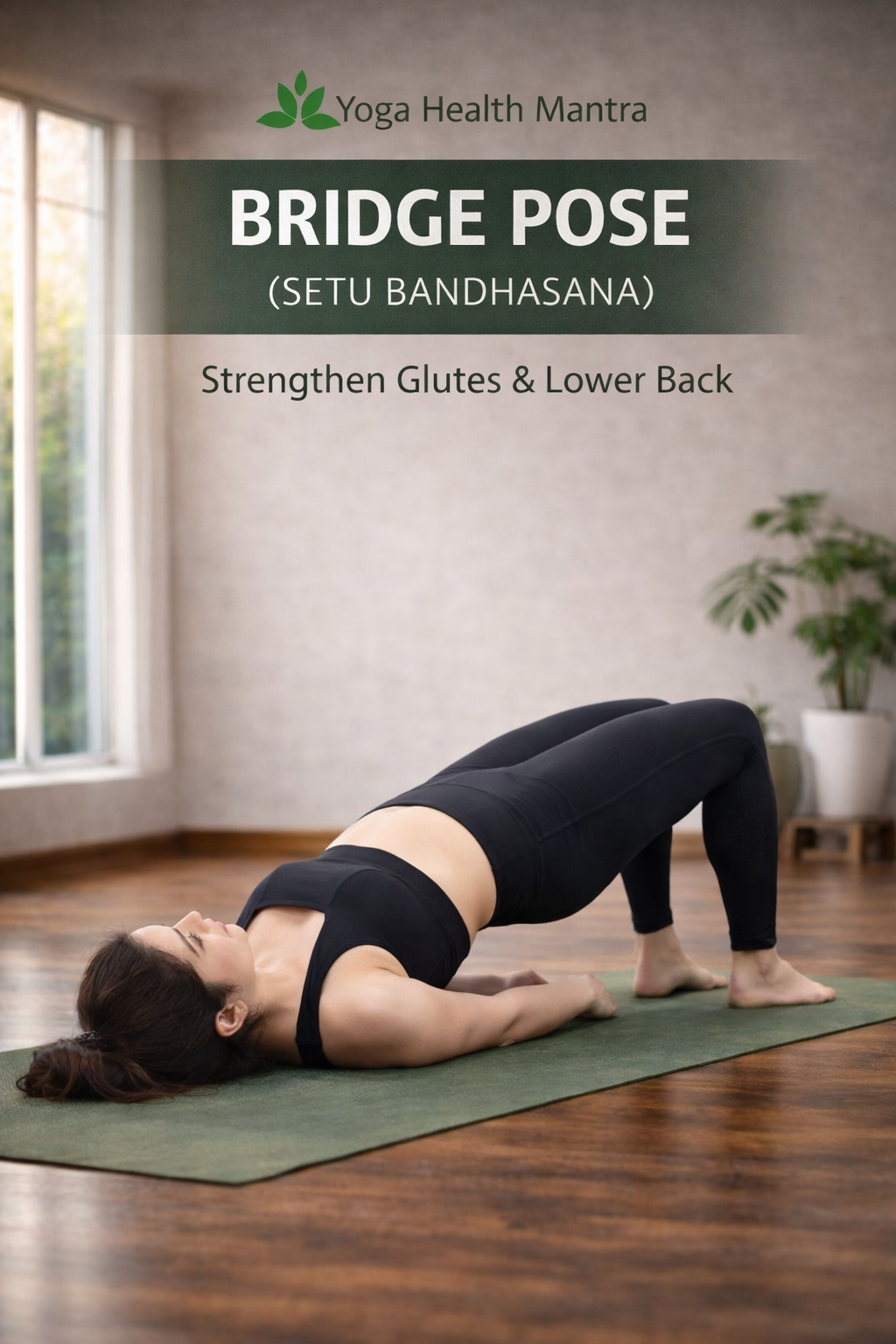
How to perform:
- Lie on your back with your knees bent and feet placed hip-width apart on the floor
- Keep your arms relaxed beside your body with your palms facing downward
- Press your feet firmly into the ground
- Slowly lift your hips upward while keeping your thighs parallel to each other
- Interlock your fingers under your back and gently roll your shoulders inward
- Hold the position for 4–5 slow, steady breaths
- Lower your hips back down slowly with control
Beginner Tip: Focus on lifting through your hips and core rather than placing excessive pressure on your lower back. Keep the movement controlled and comfortable.
7. Seated Twist (Ardha Matsyendrasana)
Why it helps: This pose supports digestion, helps reduce bloating, and tones the abdominal and side waist muscles. It is especially helpful for improving waist flexibility and overall core engagement.
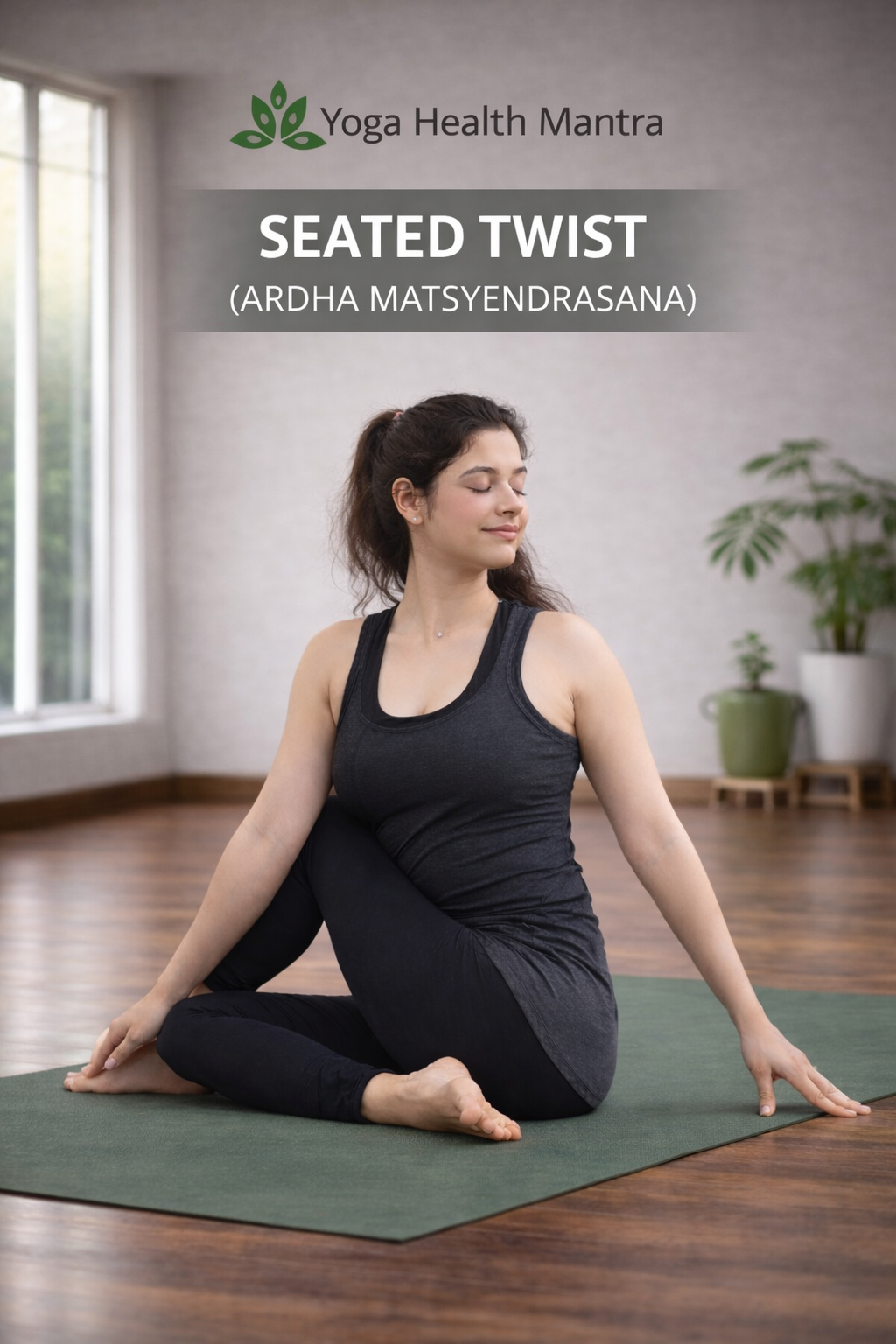
How to perform:
- Sit on the floor with your legs extended in front of you
- Bend your right knee and place your right foot outside your left thigh
- Keep your left leg extended or bend it slightly if more comfortable
- Place your left elbow outside your right knee and gently twist your torso to the right
- Rest your right hand behind you for support
- Turn your head to look over your right shoulder
- Hold the position for 4–5 slow, steady breaths, then repeat on the other side
Beginner Tip: Keep both sitting bones grounded on the floor and initiate the twist from your abdomen rather than forcing the movement through your neck.
8. Supine Spinal Twist (Supta Matsyendrasana)
Why it helps: This gentle twisting pose helps relieve tension in the lower back, improves spinal mobility, and supports digestion. It also promotes relaxation and helps release stiffness in the body.
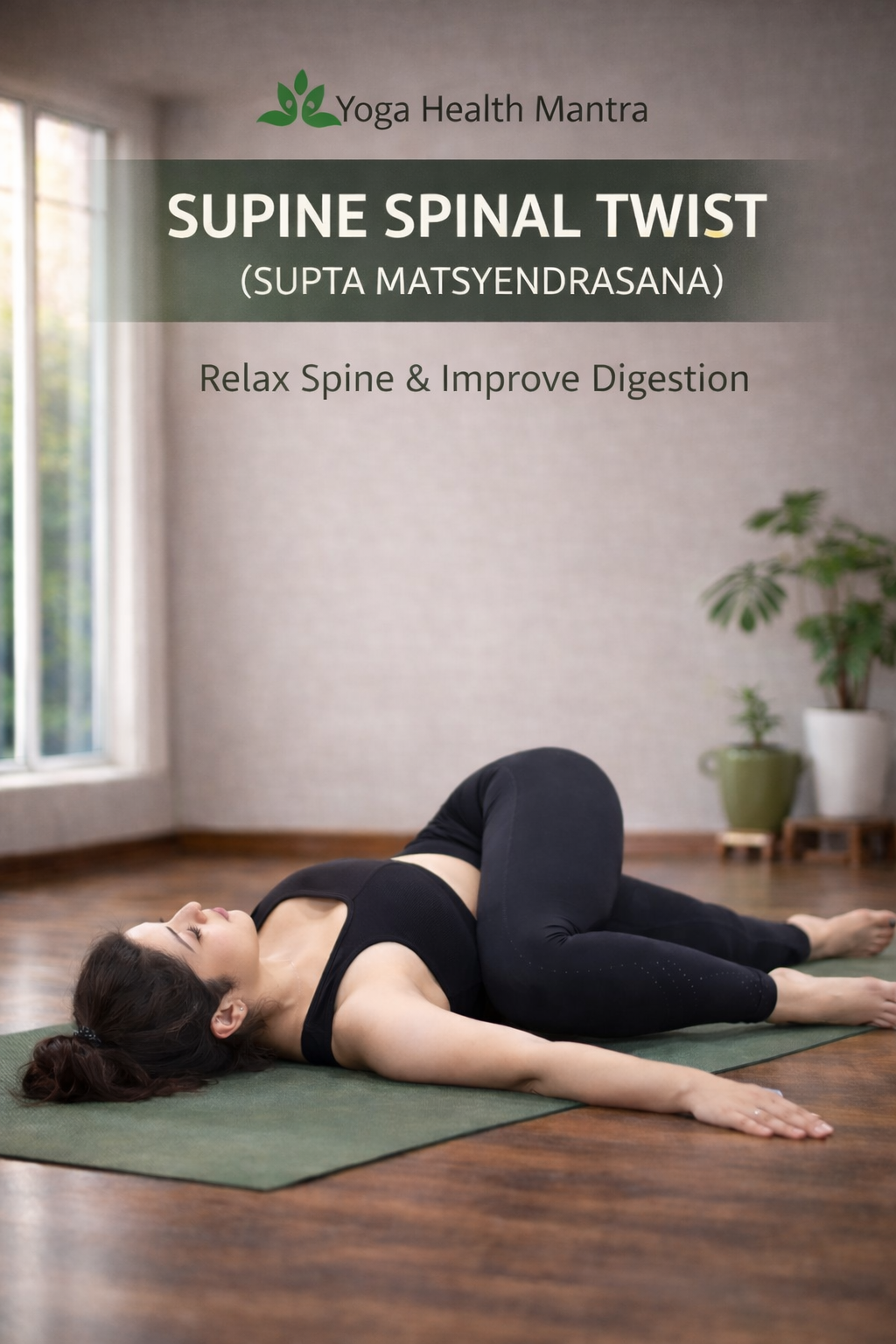
How to perform:
- Lie flat on your back with your legs extended
- Bend your right knee and gently bring it toward your chest
- Guide your right knee across your body toward the left side
- Extend your right arm out to the side at shoulder level
- Turn your head to look toward your right hand
- Keep both shoulders relaxed and grounded as much as possible
- Hold the position for 45–60 seconds, then repeat on the other side
Beginner Tip: Move into the twist slowly and avoid forcing the stretch. Keep your breathing steady and allow your body to gradually relax into the position.
9. Cobra Pose (Bhujangasana)
Why it helps: This pose strengthens the lower back muscles while gently stretching the abdominal region. It helps improve posture, open the chest, and support overall core engagement.
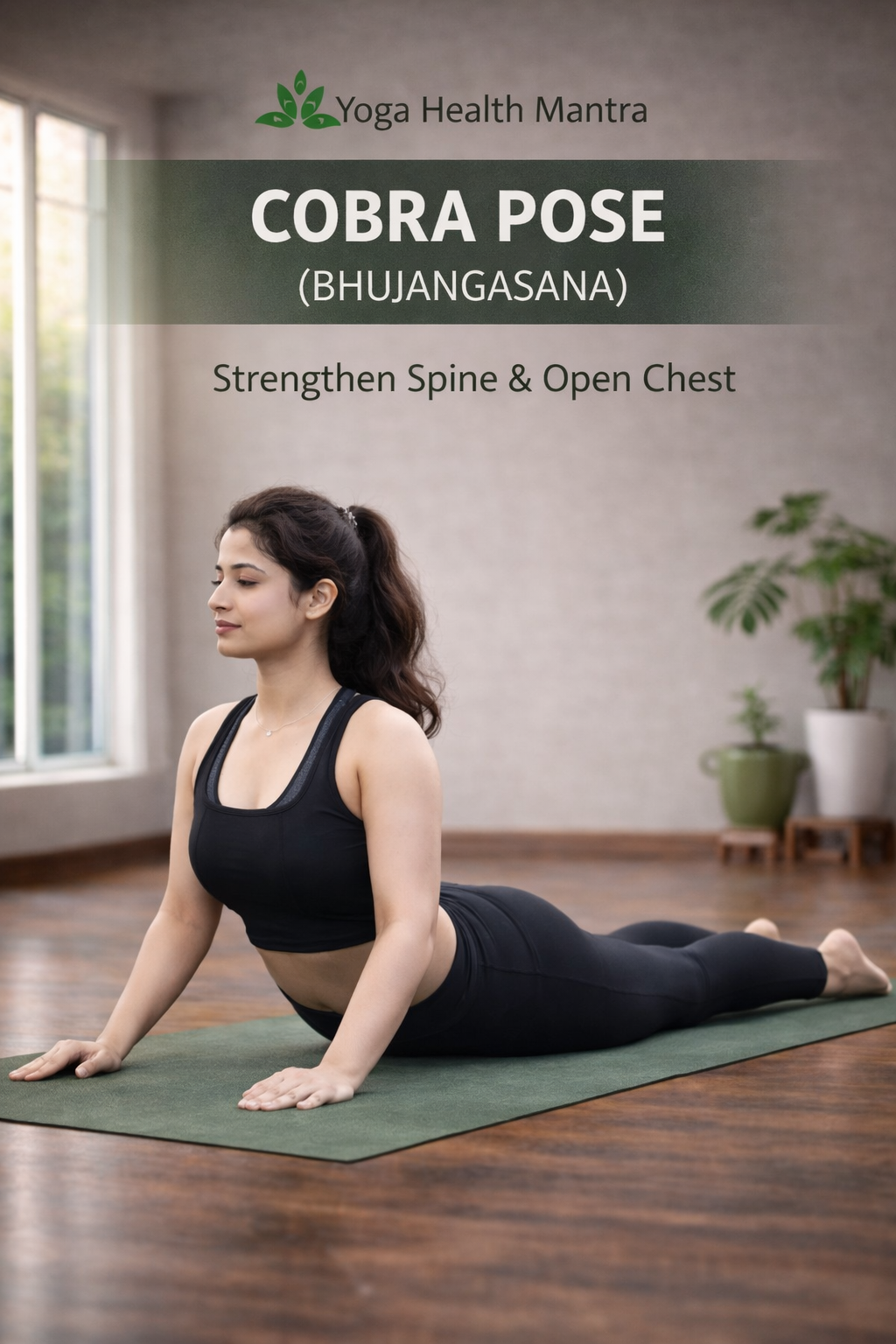
How to perform:
- Lie face down on the mat with your legs extended and feet relaxed
- Place your hands under your shoulders with your elbows close to your body
- Press gently into your palms and lift your chest upward
- Keep your hips and lower body grounded on the floor
- Draw your shoulders back and down, away from your ears
- Lift only to a comfortable height without straining your lower back
- Hold the position for 3–4 slow, steady breaths, then lower down gradually
Beginner Tip: Keep your neck in a neutral position and avoid pushing too high. Focus on creating a gentle lift through your chest while maintaining support in your lower back.
10. Leg Lifts (Uttana Padasana Variation)
Why it helps: This exercise helps strengthen the lower abdominal muscles—an area many people focus on when building core strength and control. It is also effective for improving stability and overall core engagement.
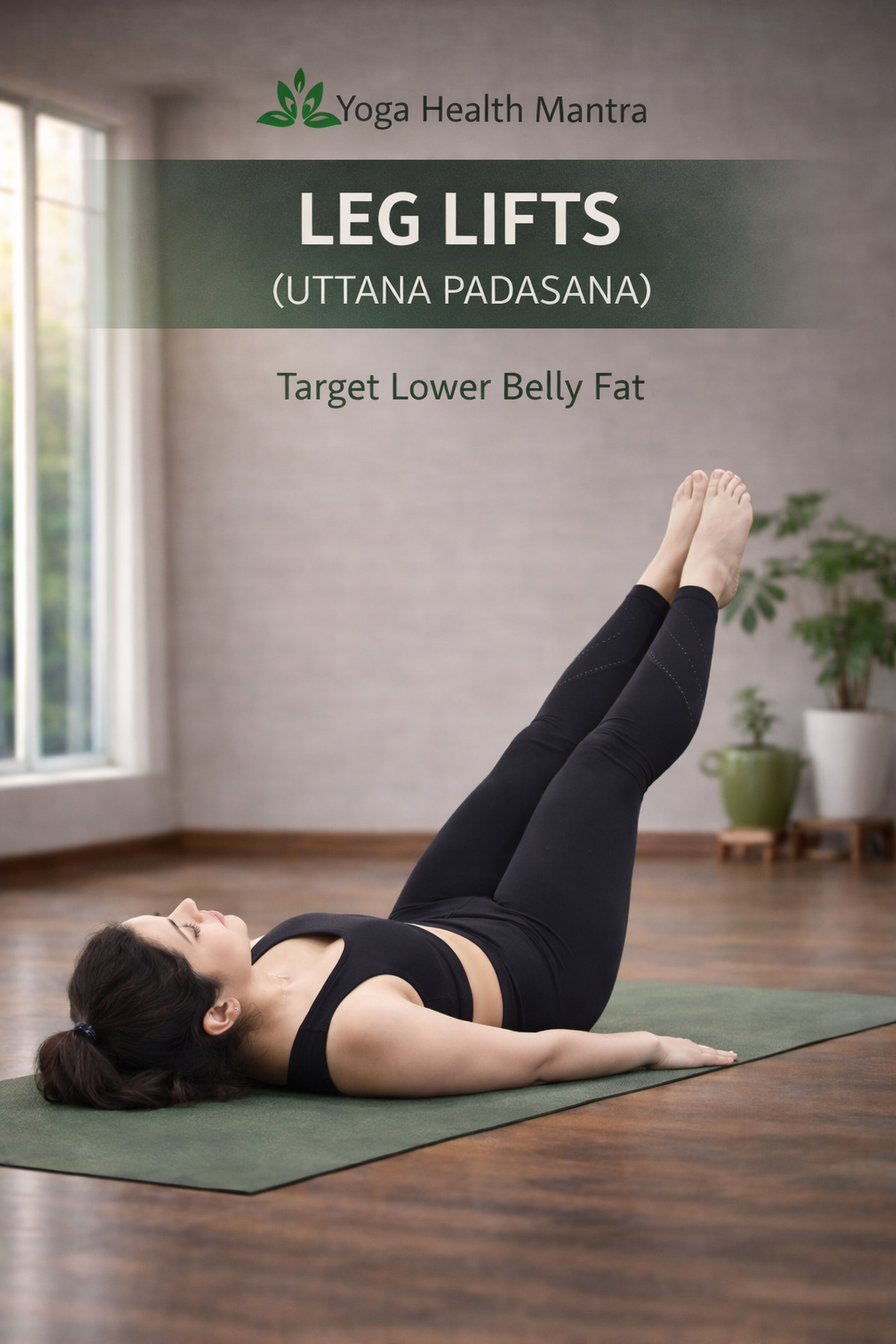
How to perform:
- Lie flat on your back with your legs extended and arms placed beside your body or under your hips for support
- Engage your core and slowly lift both legs upward to about a 45-degree angle, or as high as is comfortable
- Keep your legs straight and maintain controlled movement throughout the exercise
- Hold the position for 4–5 slow, steady breaths
- Lower your legs slowly without letting them drop suddenly
- Repeat the movement for 4–5 repetitions
Beginner Tip: If you feel strain in your lower back, bend your knees slightly and focus on keeping your lower back gently pressed toward the floor.
11. Wind-Relieving Pose (Pavanamuktasana)
Why it helps: This pose supports digestion and helps relieve gas and bloating, allowing the abdominal area to feel lighter and more comfortable.
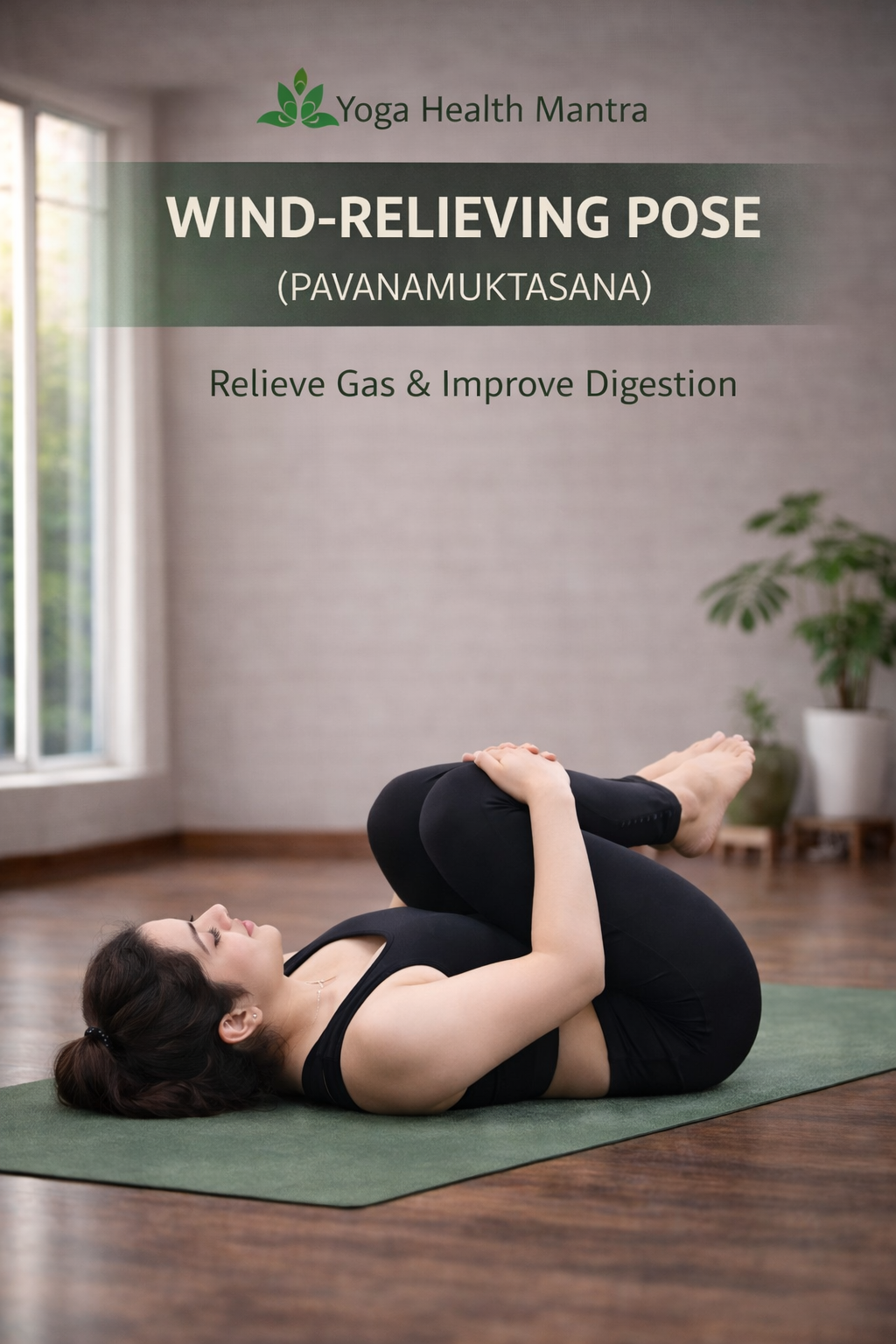
How to perform:
- Lie flat on your back with your legs extended
- Bend both knees and gently bring them toward your chest
- Wrap your arms around your knees and hold them close to your body
- Optionally, gently rock your body from side to side to support lower back relaxation
- Keep your breathing slow and steady throughout the pose
- Hold the position for 8–10 slow, steady breaths
Beginner Tip: Practice this pose in the morning or after long periods of sitting to help support digestion and reduce abdominal discomfort.
12. Corpse Pose (Savasana)
Why it helps: This pose promotes deep relaxation, helps reduce stress, and supports overall recovery. It also plays an important role in calming the mind and maintaining balance in the body.
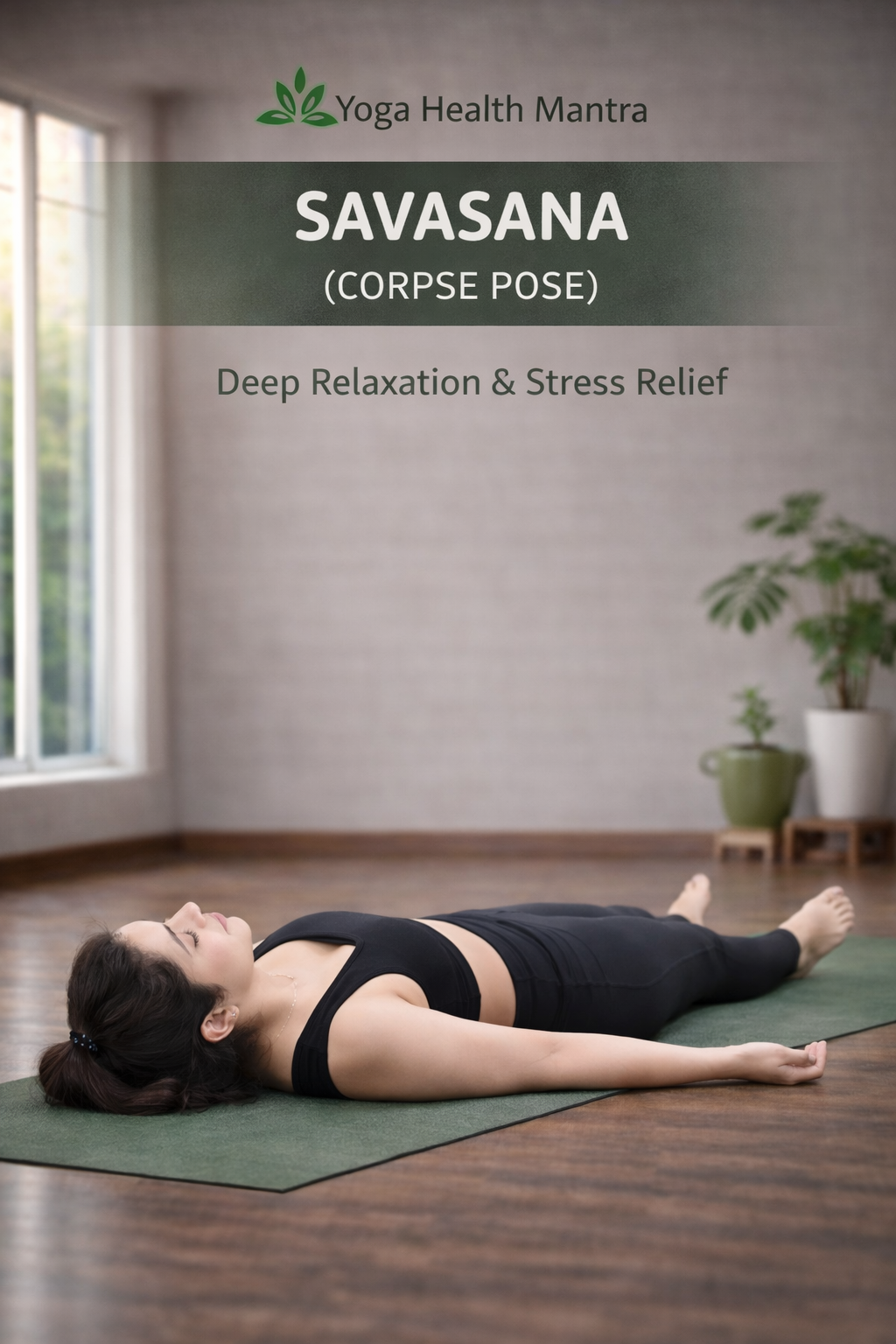
How to perform:
- Lie flat on your back with your legs comfortably extended
- Place your arms slightly away from your body with your palms facing upward
- Allow your entire body to relax and release any tension
- Close your eyes and maintain natural, steady breathing
- Stay in this position for 5–10 minutes
Beginner Tip: Focus on consciously relaxing each part of your body—from your feet to your head—while maintaining slow, steady breathing.
The 20-Minute Daily Yoga Routine for Belly Fat Loss
A consistent and well-structured routine is more effective than long, irregular workouts. The following 20-minute yoga routine is designed to improve core strength, support fat loss, and promote overall balance in the body.
If you prefer a more structured weekly plan, you may also follow a daily yoga routine for beginners, which provides a complete step-by-step schedule.
Warm-up (2 Minutes)
- Cat-Cow Stretch – 1 minute
- Gentle side stretches (standing or seated) – 1 minute
Core Activation Sequence (12 Minutes)
- Downward-Facing Dog – 30 seconds
- Plank Pose – 30 seconds (rest in Child’s Pose for 10–15 seconds)
- Boat Pose – 3 rounds (hold for 10 seconds each with short rest)
- Leg Lifts – 10 slow repetitions
- Bridge Pose – hold for 4–5 breaths
- Warrior III – hold for 3–4 breaths on each side
- Seated Twist – hold for 4–5 breaths on each side
Cool-down and Relaxation (6 Minutes)
- Supine Spinal Twist – 1 minute on each side
- Wind-Relieving Pose – 1 minute
- Corpse Pose (Savasana) – 3–5 minutes
For optimal results, practice this routine at least 5 days per week. Consistent practice supports gradual improvements in strength, flexibility, and overall well-being.
Expected Benefits Over Time
- Improved core strength and stability
- Reduced bloating and better digestion
- Enhanced mental calmness and stress control
- Gradual improvement in abdominal tone with consistent practice
Breathing Techniques (Pranayama) for Belly Fat Management
Controlled breathing techniques play an important role in managing stress, supporting metabolism, and promoting overall well-being. Pranayama practices help regulate the nervous system, encourage relaxation, and support better body awareness, as explained in controlled breathing techniques and their impact on stress and health.To explore a complete overview of breathing practices, you may refer to this detailed guide on pranayama techniques and benefits, which explains their role in supporting overall health and weight management.
1. Kapalabhati (Skull Shining Breath)
How it works: This technique involves rapid, controlled exhalations that engage the abdominal muscles and support breathing awareness. It may also help stimulate digestion and energize the body when practiced correctly.
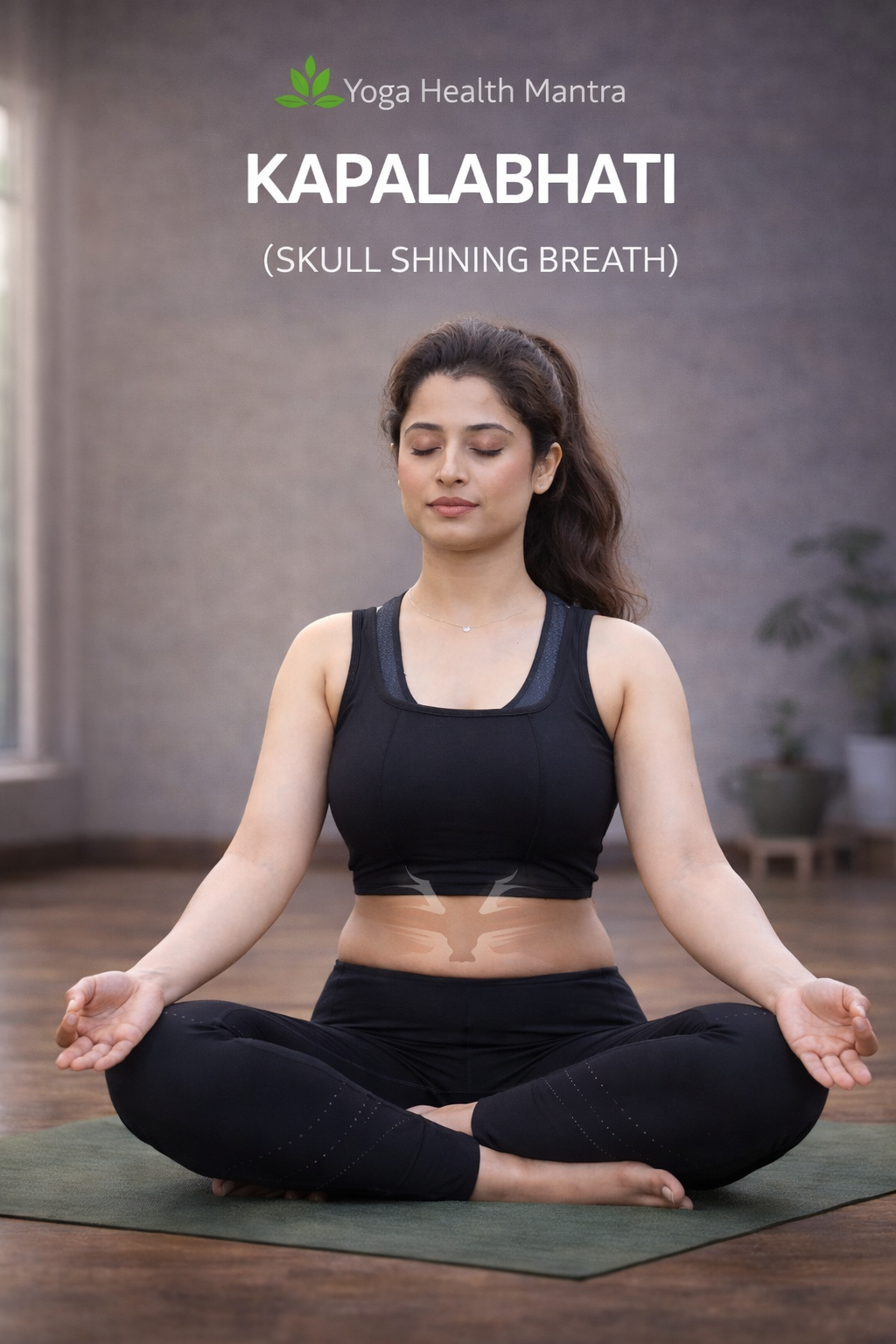
How to perform:
- Sit comfortably in a cross-legged position with your spine straight
- Take a deep inhale through your nose
- Exhale actively by pulling your navel inward
- Allow the inhale to happen naturally without effort
- Perform 20–30 controlled, rhythmic exhalations in one round
- Rest briefly and repeat for 2–3 rounds
Precaution: Avoid this practice during pregnancy or if you have high blood pressure. Beginners should start slowly, focus on proper technique, and gradually increase intensity.
2. Dirga Pranayama (Three-Part Breathing)
How it works: This slow and controlled breathing technique helps reduce stress and promotes relaxation by calming the nervous system. It can also support better awareness of breathing patterns and encourage more mindful habits.
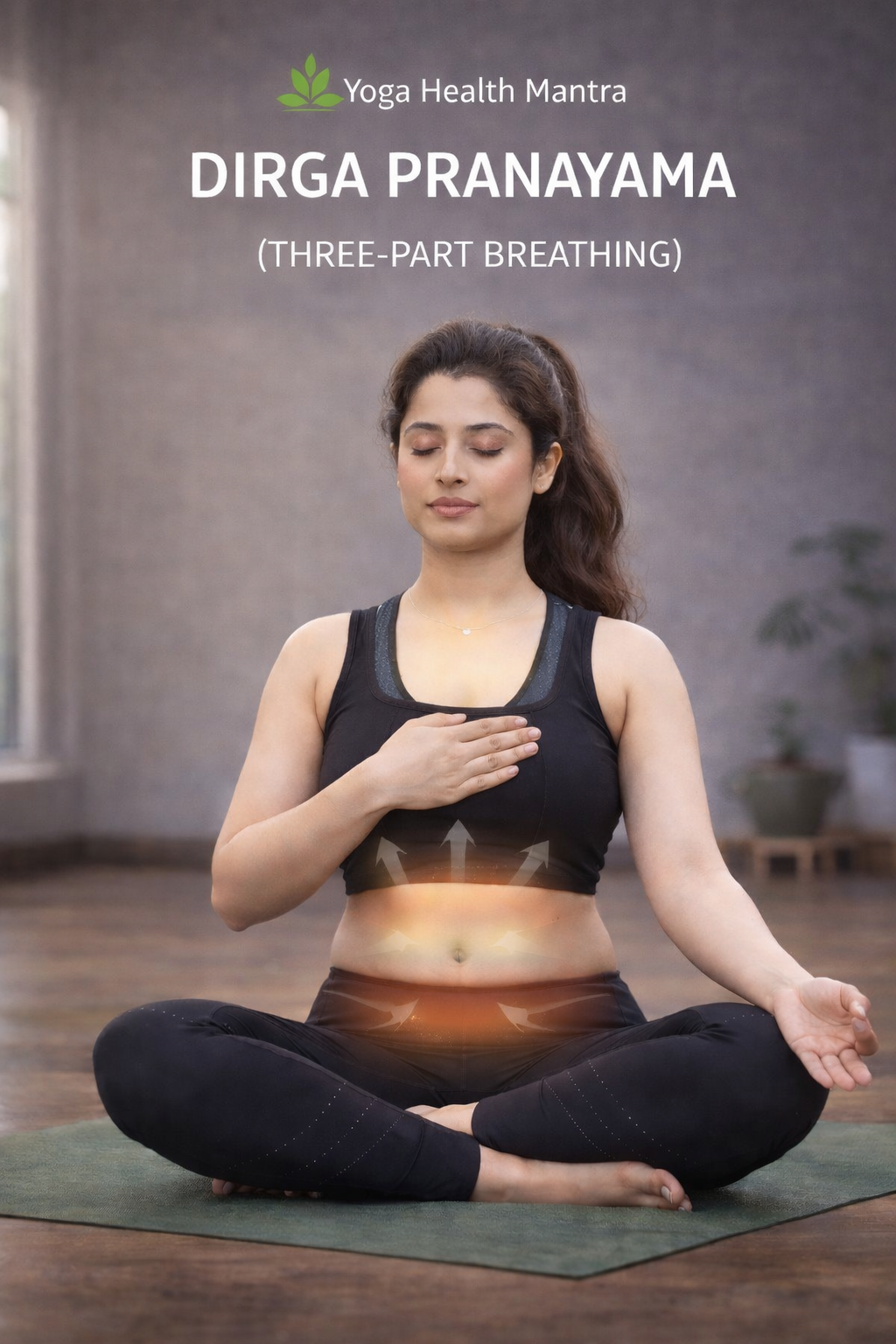
How to perform:
- Sit comfortably with your spine straight and shoulders relaxed
- Inhale deeply into the belly, then expand the rib cage, and finally the chest
- Exhale slowly from the chest, then the ribs, and finally the belly
- Maintain a smooth, steady, and controlled breathing pattern
- Repeat for 8–10 rounds
Beginner Tip: Practice this technique before meals or during stressful situations to improve focus and encourage more mindful eating habits.
Lifestyle Habits That Support Belly Fat Reduction
Yoga delivers the best results when combined with healthy daily habits. Factors such as nutrition, sleep, and stress management play an important role in supporting fat loss and improving overall well-being.
For a structured approach to nutrition, you may also follow a beginner-friendly yoga diet plan for weight loss, which complements your practice effectively.
Eat Whole, Balanced Foods
- Include protein-rich foods such as eggs, lentils, and tofu to support muscle strength and satiety
- Consume fiber-rich foods like vegetables, fruits, and whole grains to support digestion and reduce bloating
- Start your day with warm water, optionally with lemon, to support hydration and digestion
Maintain Proper Sleep
- Aim for 7–8 hours of quality sleep each night
- Inadequate sleep may affect stress levels and slow down overall progress
- Consistent sleep patterns support recovery and overall balance in the body
Stay Physically Active Throughout the Day
- Take a short walk of 10–15 minutes after meals to support digestion
- Light physical activity helps maintain energy balance and supports overall fitness
- Combine walking with mindful breathing for better results
Limit Alcohol Consumption
- Reduce alcohol intake, as it can contribute to excess calorie consumption
- Frequent alcohol consumption may be associated with increased abdominal fat over time
Manage Stress Effectively
- Practice daily stress-reducing habits such as mindfulness or meditation
- Spend a few minutes in silence or deep breathing to calm the mind
- Maintain a balanced routine and try to minimize unnecessary stressors
Sample Weekly Yoga Schedule for Belly Fat Loss
A structured weekly schedule helps maintain consistency and ensures balanced progress in strength, flexibility, and recovery. The following plan combines core-focused yoga, breathing techniques, and active recovery for well-rounded results.
If you prefer a guided weekly structure, you may also explore a 7-day yoga plan for weight loss at home , which provides a complete beginner-friendly routine.
| Day | Focus | Duration |
|---|---|---|
| Monday | Full core routine (yoga poses) | 20 minutes |
| Tuesday | Kapalabhati breathing + light walking | 15 minutes |
| Wednesday | Full routine with extended relaxation (Savasana) | 25 minutes |
| Thursday | Active rest with deep breathing | 10 minutes |
| Friday | Full routine with additional twisting poses | 20 minutes |
| Saturday | Core-focused session (Warrior III and Boat Pose) | 15 minutes |
| Sunday | Gentle yoga or extended relaxation (Yin yoga / Savasana) | 20 minutes |
Following a balanced weekly schedule helps prevent overtraining while supporting steady progress in strength, flexibility, and overall well-being.
Common Mistakes and How to Correct Them
Avoiding common mistakes is essential for achieving safe and effective results in your yoga practice. Proper technique, consistency, and body awareness can significantly improve overall progress and reduce the risk of strain or injury.
To ensure safe and effective practice, you may also refer to this detailed guide on common yoga mistakes and safety tips .
Mistake 1: Holding Your Breath
Correction: Maintain steady and controlled breathing throughout each pose. Exhale during effort and inhale during relaxation to support better oxygen flow and muscle engagement.
Mistake 2: Improper Alignment in Plank Pose
Correction: Keep your body in a straight line from head to heels. Engage your core by gently drawing your navel inward and avoid excessive arching in the lower back.
Mistake 3: Overexertion in the Beginning
Correction: Start gradually and increase intensity over time. Consistent practice over several weeks is more effective than attempting advanced routines too early.
Mistake 4: Expecting Spot Reduction
Correction: Understand that fat loss occurs throughout the body rather than in one specific area. Yoga supports overall fat loss and improved body balance, which can gradually contribute to changes in the abdominal area.
Realistic Results: What to Expect Week by Week
Fat loss through yoga is a gradual process that depends on consistency, lifestyle habits, and overall health. Understanding realistic progress can help maintain motivation and set practical expectations.
For a more holistic approach to tracking overall progress, you may also explore this guide on chakra balance and energy alignment, which focuses on both physical and mental well-being.
Weeks 1–2
- Reduced bloating and improved digestion
- Increased energy levels
- Better sleep quality
- Minimal or no visible change in body weight (normal at this stage)
Weeks 3–4
- Improved core strength and muscle engagement
- Clothes may begin to feel slightly more comfortable
- Reduced cravings for sugary and processed foods
Weeks 5–8
- Visible changes in waistline and abdominal tone
- Noticeable reduction in stress levels
- Improved consistency and routine adherence
Weeks 9–12
- Significant improvement in overall body composition
- Gradual reduction in abdominal fat with continued practice
- Established long-term habit of regular yoga practice
- Enhanced mental clarity and overall well-being
Frequently Asked Questions (FAQs)
The following questions address common concerns related to yoga practice and abdominal fat management, helping you follow a more informed and effective approach.
For a deeper understanding of how yoga works as a complete system, you may also explore this comprehensive beginner’s guide to yoga.
Can yoga alone reduce belly fat without dieting?
Answer: Yoga can support overall fat loss by improving movement, reducing stress, and encouraging better lifestyle habits. However, combining yoga with mindful eating typically leads to more consistent and sustainable results.
How many calories does yoga burn?
Answer: The number of calories burned during yoga varies depending on body weight, intensity, duration, and the style of practice. While more active forms of yoga may burn more calories, the primary benefit of yoga lies in supporting long-term lifestyle balance rather than calorie burn alone.
Is hot yoga more effective for reducing belly fat?
Answer: Hot yoga may lead to temporary water weight loss due to sweating, but it does not directly target fat loss. A consistent and balanced yoga routine is more effective for long-term progress.
Can yoga be practiced with lower back pain?
Answer: Yes, but modifications are important. Avoid deep forward bends and focus on gentle poses such as Bridge Pose, Cat-Cow Stretch, and supported twists. Always practice within your comfort level and consider consulting a qualified professional if needed.
What is the best time to practice yoga for belly fat?
Answer: Morning practice on an empty stomach can help support digestion and reduce bloating, while evening practice may help reduce stress accumulated during the day. Both options can be effective when practiced consistently.
Final Thoughts: Building a Sustainable Yoga Practice
Fat loss through yoga is not about achieving unrealistic body standards, but about improving overall health, energy levels, and well-being. A consistent yoga practice supports physical strength, mental clarity, and long-term balance in the body.
Rather than focusing only on appearance, the goal should be to build a routine that feels sustainable and fits into your daily life. Improved mobility, better posture, reduced stress, and increased energy are all valuable outcomes of regular practice.
If you are looking to maintain consistency, following a structured approach can be helpful. You may consider continuing with a morning yoga routine for daily practice, which supports long-term habit building.
Getting started does not require perfect conditions or advanced preparation. Even a few minutes of mindful breathing and simple movements can be the first step toward meaningful change.
Consistency, patience, and mindful practice are the key factors that lead to lasting results.