
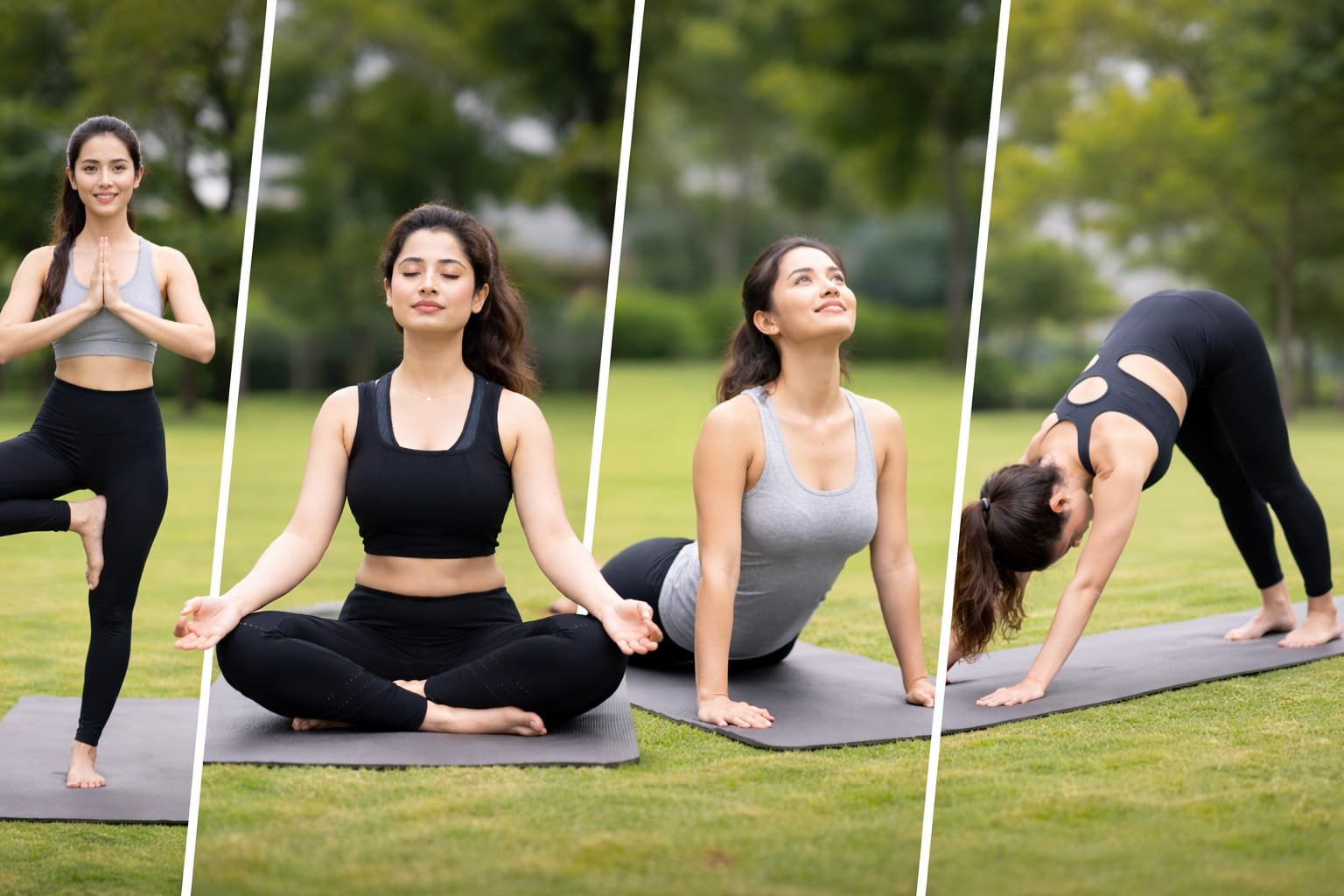
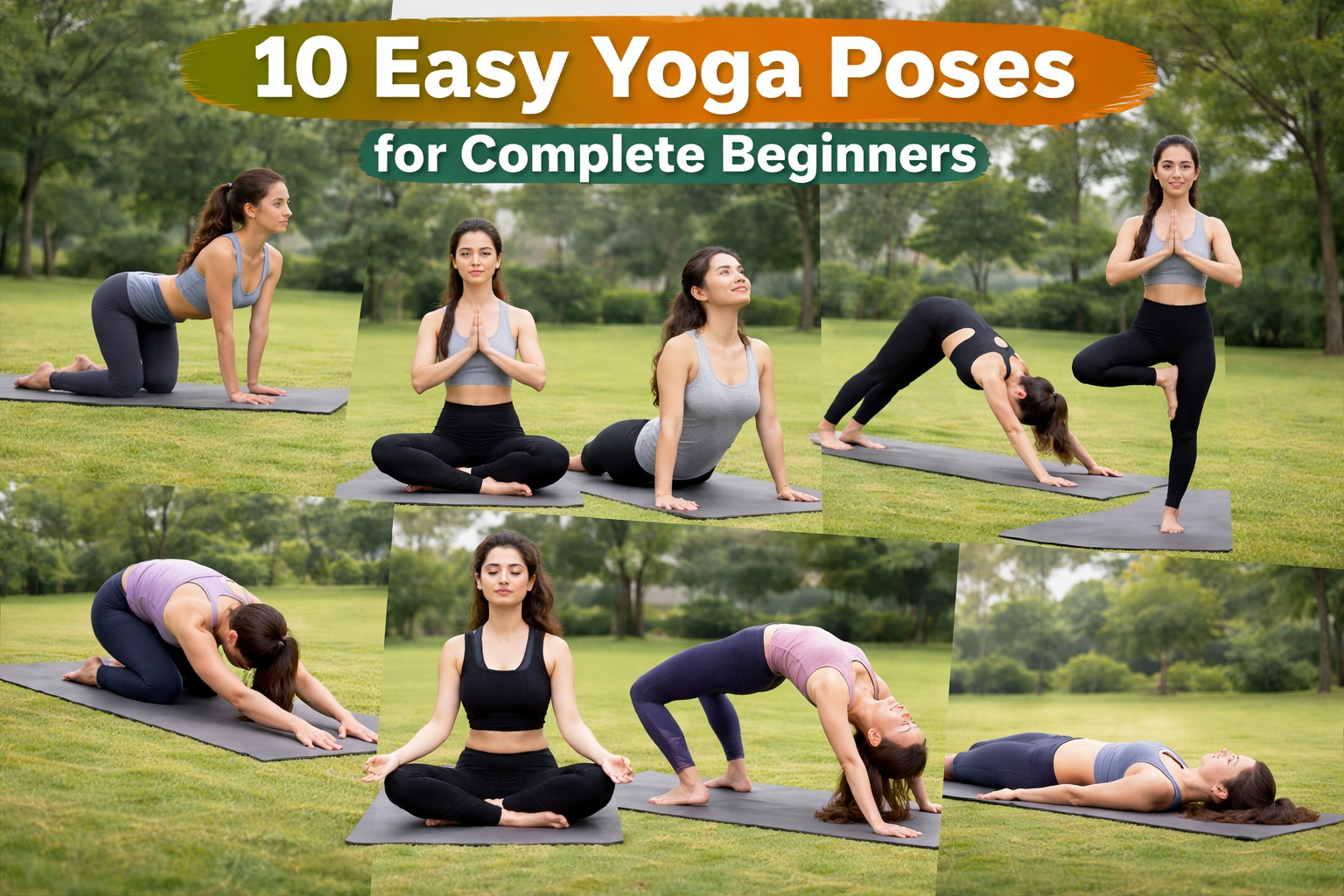
In today’s fast-moving world, anxiety and depression have become increasingly common, affecting people of all ages. Constant stress, overthinking, lack of proper sleep, and a hectic lifestyle can disrupt mental balance and gradually reduce the overall quality of life.
While many people rely only on medication, natural practices like yoga can also play a powerful supportive role in improving mental health. Yoga is not just about physical movement—it is a holistic practice that works on the mind, body, and breath together to create balance, stability, and inner awareness.
With regular practice, yoga helps calm the nervous system, reduce stress hormones, and promote a deep sense of inner peace. Even simple breathing exercises and gentle poses can make a noticeable difference in reducing anxiety and improving overall mood.
If you often feel restless, mentally exhausted, or struggle with sleep, you can explore techniques that support better sleep and overall relaxation. You may also try simple stress relief yoga techniques, which can further support your mental well-being.
In this guide, you will learn how yoga can help manage anxiety and depression, along with simple poses, breathing techniques, and a practical daily routine that you can easily follow as a beginner.
Understanding Anxiety and Depression
Before learning how yoga can help, it’s important to clearly understand what anxiety and depression really are. Although these terms are often used together, they are different conditions that affect mental health in distinct ways.
What is Anxiety?
Anxiety is a state of excessive worry, fear, or nervousness that may occur even without a real or immediate threat. It often makes the mind feel restless, tense, and constantly alert.
- Frequent overthinking and negative thought patterns
- Difficulty focusing or staying present
- Increased heart rate or shallow breathing
- Sleep disturbances or constant restlessness
What is Depression?
Depression goes beyond temporary sadness. It is a deeper and more persistent mental health condition that affects how you feel, think, and function in daily life.
- Ongoing feelings of sadness or emotional emptiness
- Loss of interest in activities once enjoyed
- Low energy levels and constant fatigue
- Changes in sleep patterns and appetite
Key Difference Between Anxiety and Depression
Anxiety is generally linked to excessive worry about the future, while depression is more often associated with feelings of sadness, hopelessness, or a lack of connection with the present moment.
In many cases, people may experience both conditions at the same time, which can make daily life more overwhelming. This is where holistic practices like yoga can play an important role by helping calm the mind, regulate emotions, and restore a sense of balance.
How Yoga Works on Mental Health (The Science Behind It)
Yoga is far more than a physical workout—it creates a direct impact on your brain, nervous system, and hormonal balance. This is why it is considered an effective natural approach for managing anxiety and depression when practiced consistently.1. Regulates the Nervous System
Your body is controlled by the Autonomic Nervous System (ANS), which determines how you react to stress and relaxation. It has two key components:- Sympathetic Nervous System (SNS): Triggers the “fight or flight” response, putting your body in a state of stress
- Parasympathetic Nervous System (PNS): Activates the “rest and restore” response, promoting calmness and recovery
2. Lowers Stress Hormones (Cortisol)
During stressful situations, the body releases cortisol, commonly known as the stress hormone. When cortisol levels remain elevated for long periods, it can lead to anxiety, mood imbalance, sleep disturbances, and fatigue. Regular yoga practice has been shown to reduce cortisol levels, helping stabilize emotions and decrease overall stress.3. Enhances Oxygen Supply to the Brain
Controlled breathing is a key element of yoga. Slow and deep breathing increases oxygen flow to the brain, which supports better concentration, mental clarity, and emotional relaxation. Techniques such as pranayama breathing practices are especially effective in calming the mind and reducing anxiety naturally.4. Stimulates the Vagus Nerve
Yoga and mindful breathing activate the vagus nerve, which plays a crucial role in the body’s relaxation response. When stimulated, it helps lower heart rate, improve mood, and promote a deep sense of inner calm.5. Strengthens the Mind-Body Connection
Yoga encourages mindfulness—the ability to stay present and aware. This reduces excessive thinking and helps you observe your thoughts and emotions without becoming overwhelmed by them. Dynamic practices like Surya Namaskar can further help release accumulated tension and boost mental energy, supporting overall emotional well-being.Benefits of Yoga for Anxiety and Depression
Yoga provides a natural and holistic approach to improving mental well-being. When practiced consistently, it can help ease anxiety, stabilize mood, and create a lasting sense of inner calm.
- Promotes Mental Calmness: Yoga helps slow down racing thoughts and reduces mental agitation, allowing the mind to feel more relaxed and centered.
- Relieves Stress and Tension: Gentle movements combined with controlled breathing help release both physical and emotional tension stored in the body.
- Enhances Sleep Quality: Regular practice supports better sleep patterns, helping you fall asleep more easily and experience deeper rest. You can also explore yoga for better sleep for a more detailed approach.
- Improves Emotional Stability: Yoga increases self-awareness, making it easier to manage emotions and reduce mood fluctuations.
- Boosts Energy and Vitality: Improved circulation and oxygen flow help reduce fatigue and enhance overall energy levels throughout the day.
- Sharpens Focus and Clarity: Mindful breathing and meditation techniques improve concentration and help you stay present in the moment.
- Supports Overall Well-being: By connecting the mind and body, yoga creates a balanced state that supports both physical health and emotional resilience.
When combined with simple breathing practices and a consistent routine, yoga becomes a powerful and sustainable way to manage anxiety and depression naturally.
Best Yoga Poses for Anxiety and Depression
Certain yoga poses are particularly effective in calming the mind, relaxing the nervous system, and easing symptoms of anxiety and depression. These poses focus on gentle movement, mindful breathing, and deep relaxation to restore emotional balance.
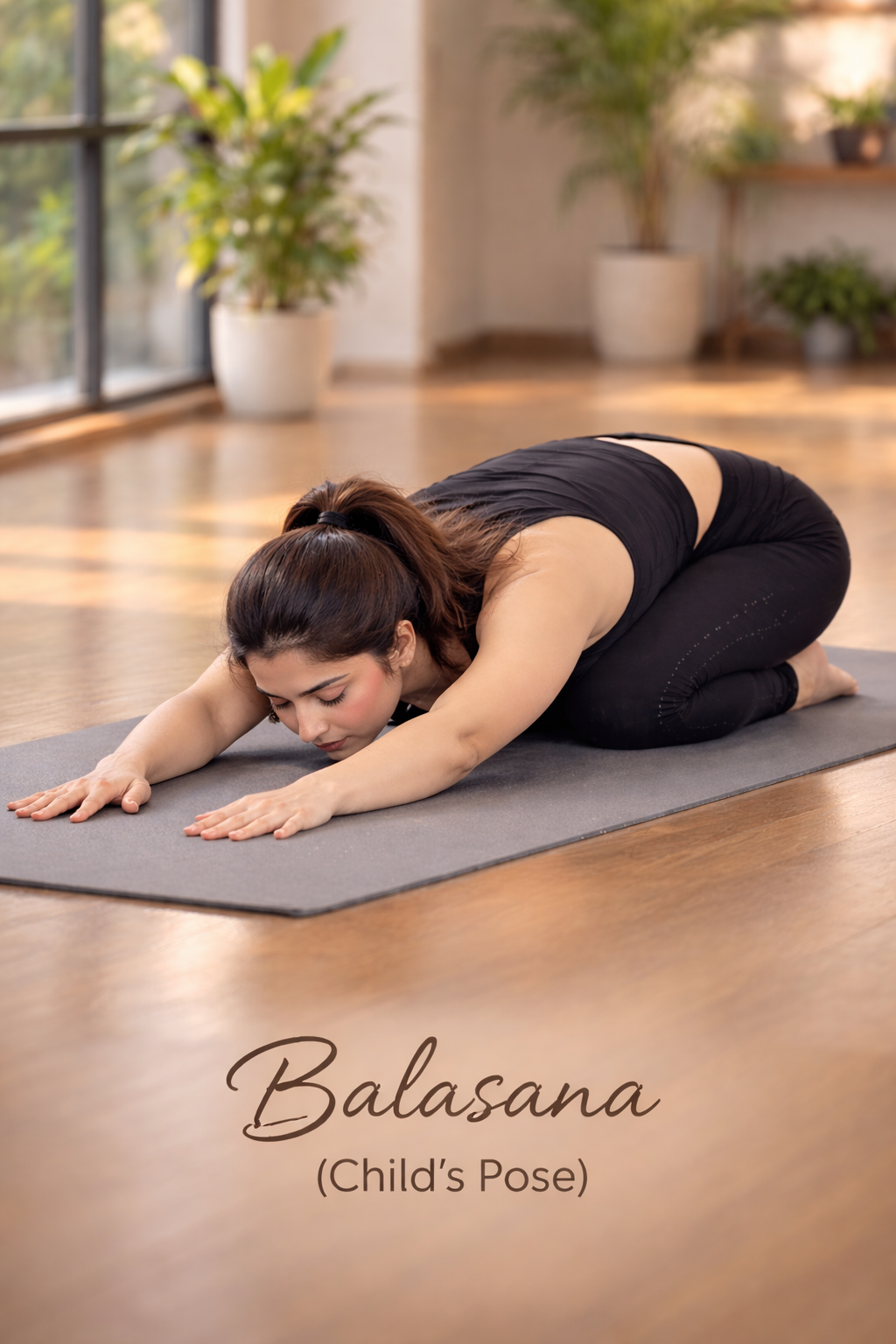
1. Balasana (Child’s Pose)
How to practice:
- Kneel on the mat and gently sit back on your heels
- Extend your arms forward and rest your forehead on the mat
- Breathe slowly and deeply, allowing your body to relax
Benefits: Helps quiet the mind, releases tension, and provides a deep sense of comfort and relaxation.
2. Viparita Karani (Legs Up the Wall)
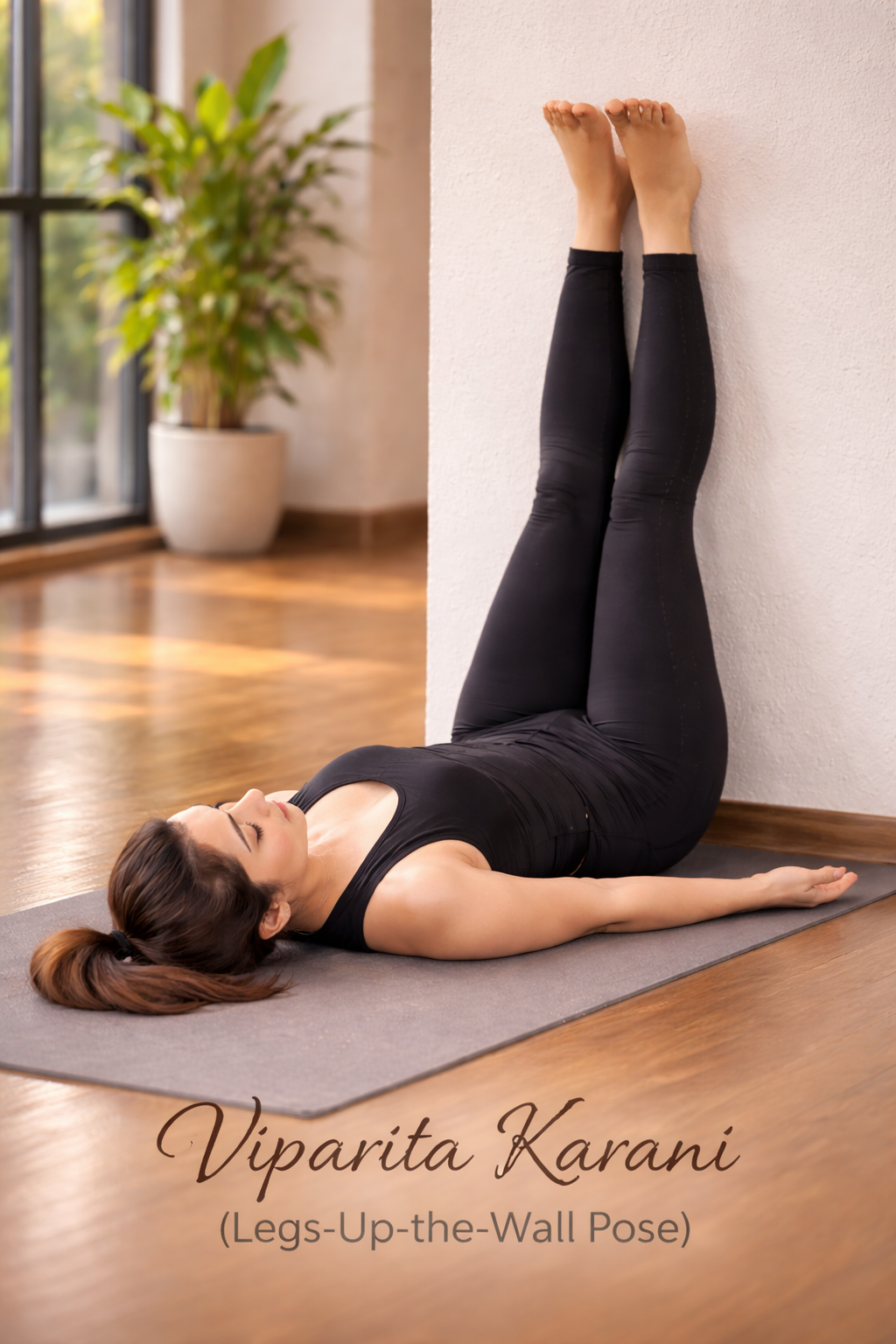
How to practice:
- Lie on your back close to a wall and extend your legs upward against it
- Relax your arms by your sides with palms facing upward
- Close your eyes and focus on slow, steady breathing
Benefits: Improves blood circulation, reduces fatigue, and promotes a calm, restorative state.
3. Marjariasana–Bitilasana (Cat–Cow Pose)
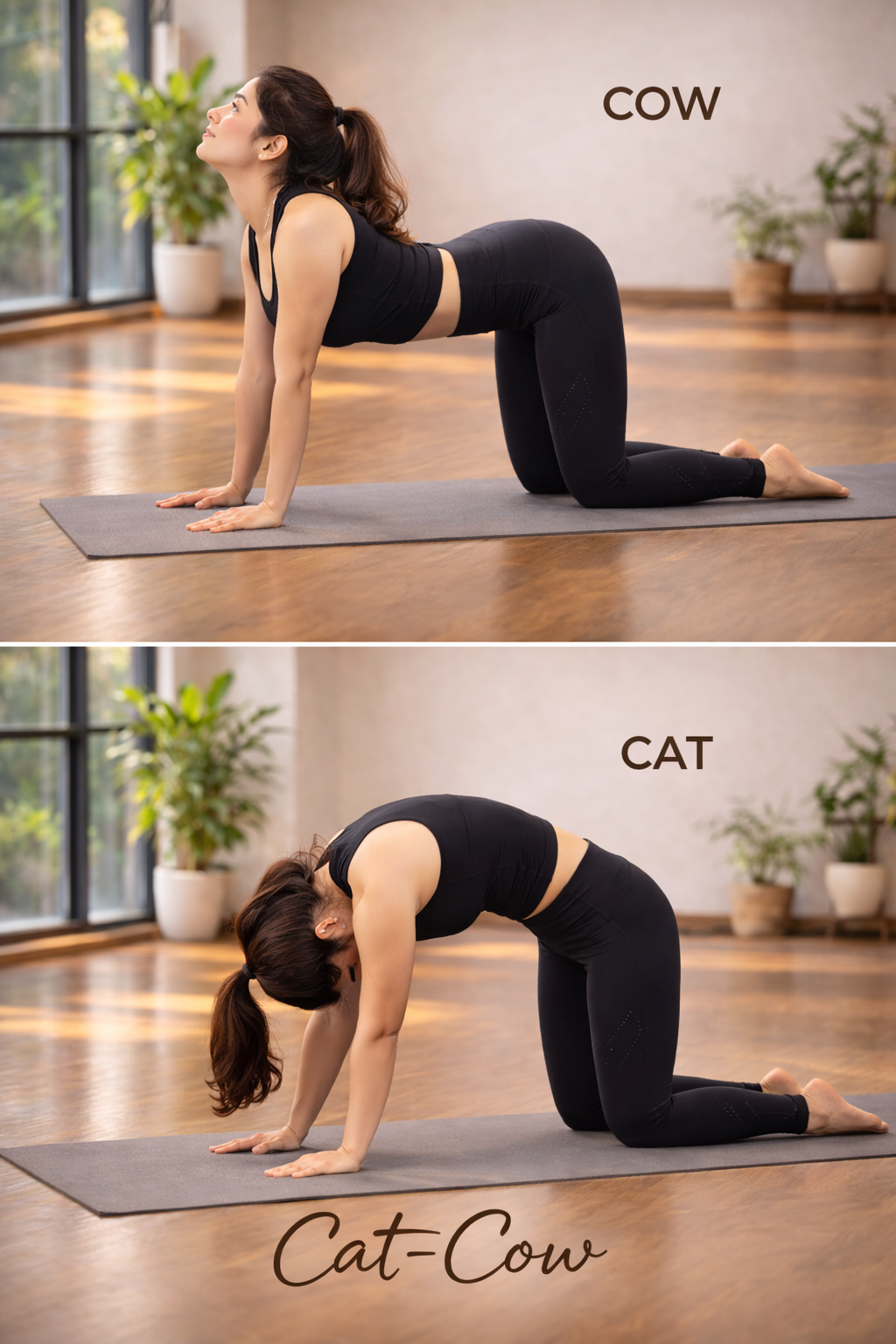
How to practice:
- Begin in a tabletop position with hands under shoulders and knees under hips
- Inhale as you drop your belly and lift your chest (Cow Pose)
- Exhale as you round your spine and tuck your chin (Cat Pose)
- Continue this flow slowly, synchronizing movement with breath
Benefits: Releases built-up tension, improves breathing rhythm, and relaxes the mind.
4. Setu Bandhasana (Bridge Pose)
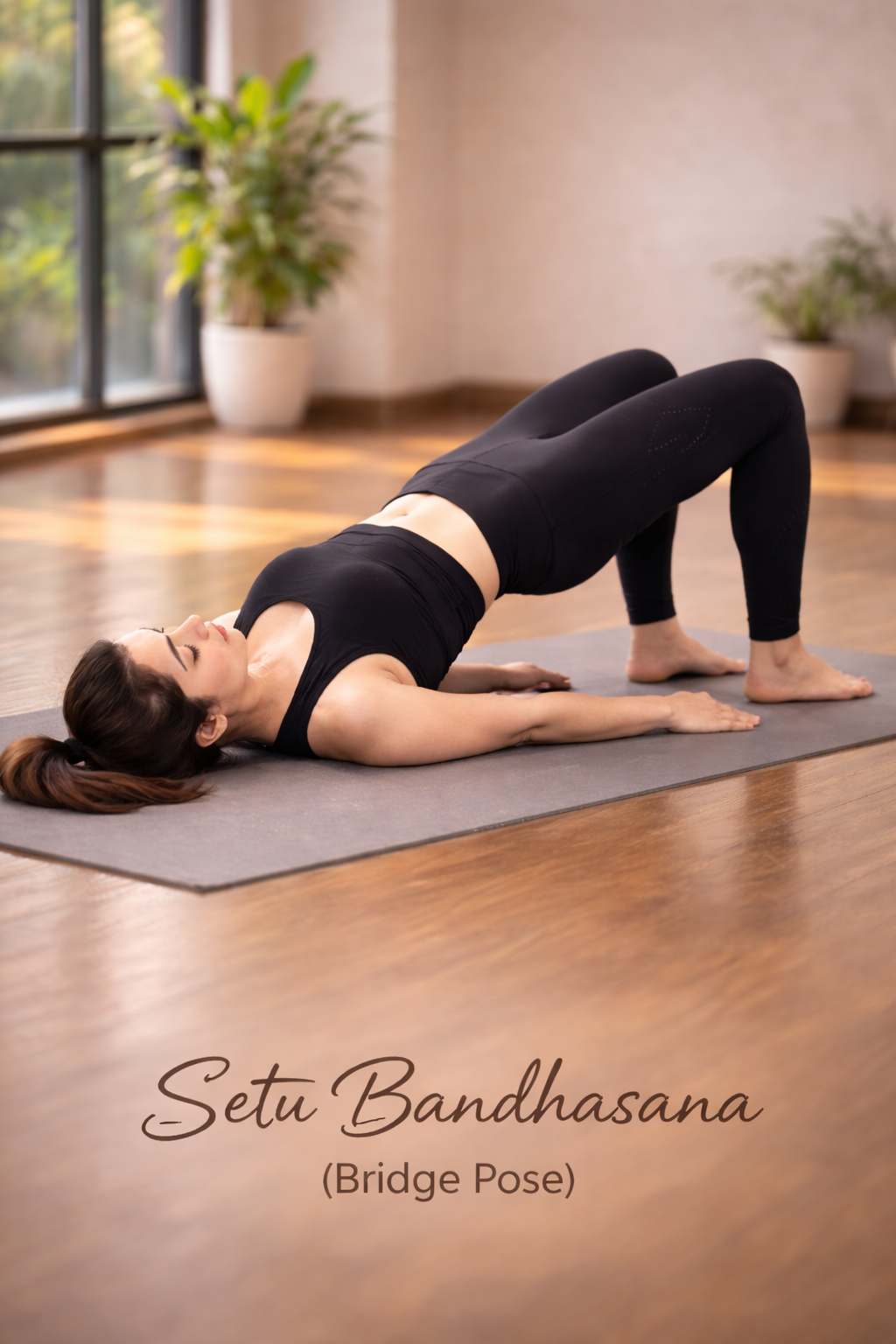
How to practice:
- Lie on your back with knees bent and feet placed hip-width apart
- Press your feet into the ground and gently lift your hips upward
- Keep your shoulders relaxed and avoid straining your neck
Benefits: Opens the chest, enhances mood, and helps reduce fatigue and stress.
5. Savasana (Corpse Pose)
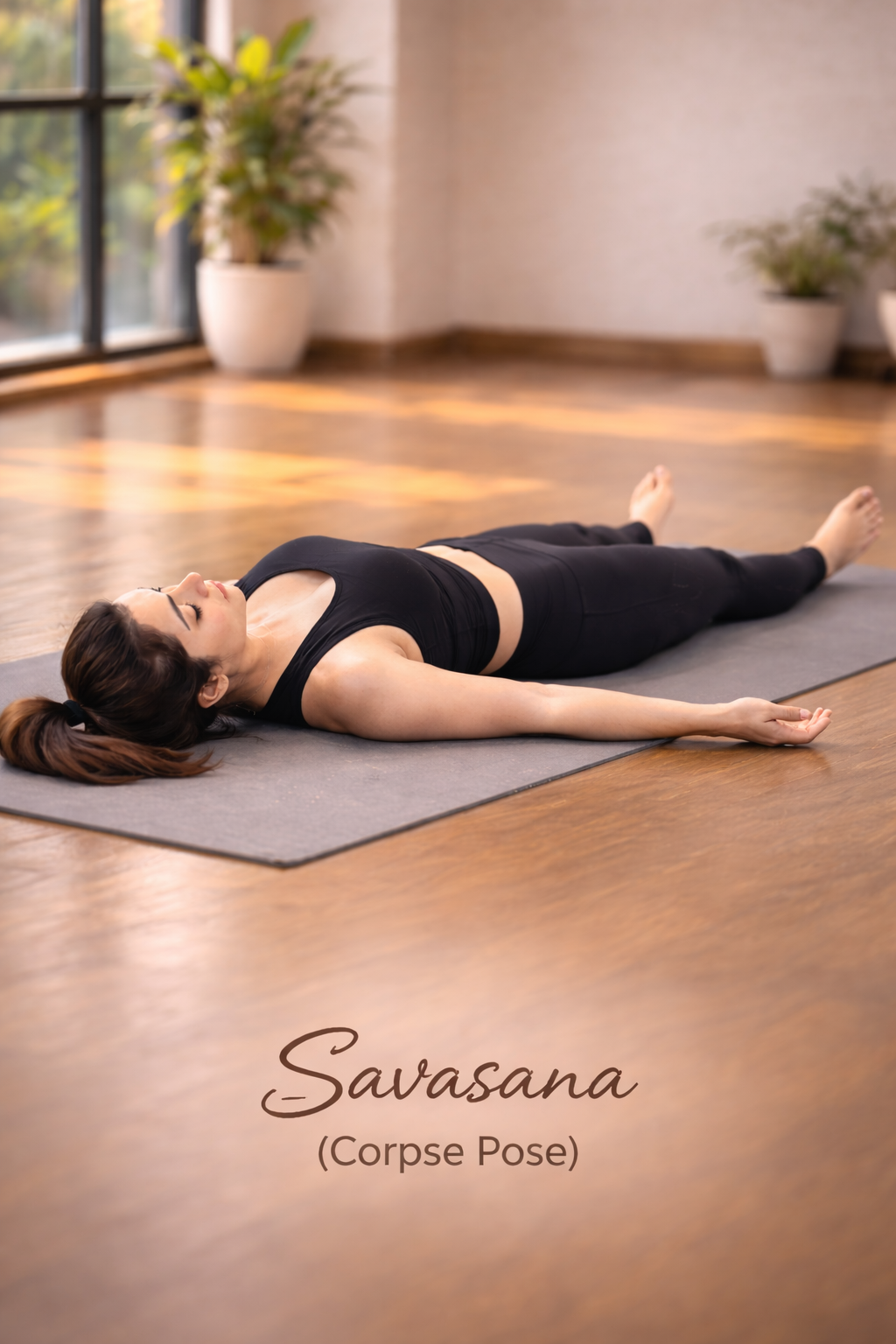
How to practice:
- Lie flat on your back with arms slightly away from your body
- Close your eyes and allow your entire body to relax
- Focus on natural breathing without any effort
Benefits: Promotes deep relaxation, reduces mental stress, and restores overall balance.
If you are just starting your yoga journey, you can also explore beginner-friendly yoga poses and follow a structured daily yoga routine to build consistency and long-term benefits.
Pranayama (Breathing Techniques) for Anxiety and Depression
Your breath has a direct connection with your mind. When breathing becomes fast and shallow, the mind tends to feel anxious and unsettled. On the other hand, slow and controlled breathing signals the body to relax, helping the mind feel calm and balanced.
Pranayama, the practice of conscious breath control, plays a key role in regulating the nervous system, reducing stress levels, and improving emotional stability. Even a few minutes of daily practice can make a noticeable difference in managing anxiety and promoting mental clarity.
1. Anulom Vilom (Alternate Nostril Breathing)
How to practice:
- Sit comfortably with your spine straight in a relaxed position
- Close your right nostril with your thumb and inhale slowly through the left nostril
- Close the left nostril using your fingers and exhale through the right
- Continue alternating sides in a slow, steady rhythm
Benefits: Helps balance the nervous system, reduces anxiety, and improves concentration and mental clarity.
2. Bhramari (Humming Bee Breath)
How to practice:
- Sit in a comfortable position with your eyes closed
- Take a slow, deep breath in through your nose
- Exhale gently while producing a soft humming sound
Benefits: Provides instant calming effects, reduces mental agitation, and helps release built-up stress.
3. Deep Breathing (Diaphragmatic Breathing)
How to practice:
- Place one hand on your chest and the other on your abdomen
- Inhale deeply through your nose, allowing your abdomen to expand
- Exhale slowly and completely, letting your body relax
Benefits: Enhances oxygen flow, relaxes the body, and supports emotional balance.
For a deeper understanding of advanced breathing practices, you can explore this comprehensive guide on pranayama techniques and benefits.
Daily Yoga Routine for Anxiety and Depression
Consistency is essential when it comes to experiencing the real benefits of yoga. A simple and structured daily routine can gradually calm the mind, reduce stress levels, and improve emotional balance over time.
Morning Routine (10–15 Minutes)
- Begin with 2–3 minutes of deep breathing to gently awaken and relax your mind
- Practice Cat–Cow (Marjariasana–Bitilasana) for about 5 minutes, synchronizing movement with slow breathing
- Follow with 2–3 minutes of Anulom Vilom (alternate nostril breathing)
- End with 2 minutes of quiet meditation or mindfulness to set a positive tone for the day
Evening Routine (10–15 Minutes)
- Start with 2 minutes of deep breathing to release accumulated stress
- Hold Balasana (Child’s Pose) for 3–5 minutes to relax the body and mind
- Practice Viparita Karani (Legs Up the Wall) for 3–5 minutes to improve circulation and calm the nervous system
- Finish with 5 minutes of Savasana for complete physical and mental relaxation
Quick Summary Table for Easy Practice
| Time | Practice | Duration |
|---|---|---|
| Morning | Deep Breathing + Cat–Cow + Anulom Vilom + Meditation | 10–15 minutes |
| Evening | Deep Breathing + Balasana + Viparita Karani + Savasana | 10–15 minutes |
If you prefer a more detailed and guided approach, you can explore a complete morning yoga routine and a relaxing evening yoga routine to build a consistent and effective practice.
Common Mistakes to Avoid During Yoga Practice
Although yoga is a gentle and natural practice, performing it incorrectly can reduce its effectiveness and may even lead to discomfort or strain. Understanding and avoiding common mistakes can help you practice more safely and gain better results over time.
- Holding Your Breath: One of the most common beginner mistakes is forgetting to breathe properly during poses. Always maintain slow, steady breathing to keep your body relaxed and your mind calm.
- Pushing Beyond Your Limits: Forcing your body into deeper stretches too quickly can lead to strain or injury. Move mindfully and respect your current level of flexibility.
- Lack of Consistency: Practicing yoga occasionally will not deliver lasting benefits. A short but regular routine is far more effective than irregular sessions.
- Ignoring Body Signals: Discomfort or pain is your body’s way of signaling that something needs attention. Listen carefully, adjust your posture, or take a break when necessary.
- Focusing on Perfection: Yoga is not about achieving perfect poses. Instead, it is about awareness and presence. Stay focused on your breath and experience rather than appearance.
For a more detailed understanding, you can explore common yoga mistakes beginners should avoid, where each point is explained step by step for safe and effective practice.
Diet and Lifestyle Tips to Support Mental Well-being
In addition to yoga and breathing practices, your daily diet and lifestyle habits play a crucial role in managing anxiety and depression. Small, consistent changes in your routine can have a powerful impact on your overall mental health.
- Eat a Balanced and Nourishing Diet: Include fresh fruits, vegetables, nuts, seeds, and whole foods in your meals. These nutrients support brain function and help maintain emotional stability.
- Reduce Caffeine and Sugar Intake: High consumption of caffeine and sugar can increase restlessness and disrupt sleep patterns. Limiting intake, especially later in the day, can help keep your mind calm.
- Maintain a Consistent Sleep Schedule: Going to bed and waking up at the same time each day helps regulate your internal clock and improve overall relaxation.
- Take Breaks from Digital Devices: Excessive screen time can increase stress and mental fatigue. Practicing a digital detox, even for a short period daily, can help restore mental clarity.
- Stay Physically Active: Gentle physical activities such as walking, stretching, or yoga improve circulation and naturally boost mood.
- Connect and Express Your Emotions: Sharing your thoughts with trusted people or writing in a journal can help release emotional tension and improve mental well-being.
You can further enhance your routine by following a balanced yoga diet plan, which supports both physical health and mental energy.
Frequently Asked Questions (FAQs)
Can yoga cure anxiety and depression?
Yoga is not a medical cure, but it can be a powerful natural support system. When combined with professional treatment and a healthy lifestyle, regular yoga practice can significantly reduce symptoms and improve overall mental well-being.
How long does it take for yoga to reduce anxiety?
Some people experience a sense of calm immediately after a session, but noticeable long-term results usually develop after a few weeks of consistent practice. The key is to stay regular and patient.
What is the best time to practice yoga for mental health?
Both morning and evening are effective. Morning practice helps you start the day with clarity and positivity, while evening sessions help release stress and prepare the mind for better sleep.
Can beginners practice yoga for anxiety?
Yes, yoga is suitable for beginners. Starting with simple poses and basic breathing techniques is enough to experience benefits and begin your journey safely.
Which is more effective: yoga or meditation for anxiety?
Both yoga and meditation are highly effective for managing anxiety. Yoga combines physical movement with breath control, while meditation focuses on mental awareness. Practicing them together often provides the best results.
Conclusion: Begin Your Journey Toward a Calmer and Healthier Mind
Living with anxiety and depression can feel challenging, but even small and consistent steps can lead to meaningful change. Yoga provides a gentle, natural approach to calm the mind, reduce stress, and restore emotional balance over time.
By practicing simple yoga poses, mindful breathing, and a structured daily routine, you can gradually improve your mental well-being and reconnect with a sense of inner peace.
Keep in mind that yoga is not about achieving perfect poses—it is about being present, aware, and consistent. Even dedicating just 10–15 minutes each day can help you feel more relaxed, focused, and emotionally stable.
If you are beginning your journey, starting with a simple and consistent routine can help you build a sustainable practice over time.
Take a slow, deep breath, start at your own pace, and allow yourself the time to heal and grow. With patience and consistency, your mind and body will naturally move toward balance and calmness.