High blood pressure, also known as hypertension, is one of the most common lifestyle-related health conditions today. It often develops silently, without clear symptoms, but over time it can increase the risk of heart disease, stroke, and other serious health problems.
Modern lifestyles—filled with stress, unhealthy eating habits, lack of physical activity, and irregular sleep—are major contributors to rising blood pressure levels. This makes it important to focus not only on treatment but also on long-term prevention and natural management.
Yoga offers a powerful and natural way to support blood pressure control. It combines gentle physical movement, mindful breathing, and deep relaxation, helping the body shift from a state of stress to a state of balance.
If you are already working on improving your overall metabolic health, you may also find this helpful: Yoga for Diabetes Control Naturally, as both conditions are often closely connected.
From a medical perspective, hypertension involves increased force of blood flow against artery walls. A detailed explanation of its causes and risk factors is provided by the Mayo Clinic, which highlights why lifestyle changes are essential for long-term management.
In this guide, we will explore how yoga can help manage high blood pressure naturally, along with safe poses, effective breathing techniques, and simple daily habits you can follow.
What is High Blood Pressure (Hypertension)?
Blood pressure refers to the force with which blood flows through your arteries as your heart pumps it around the body. It is measured using two values — systolic pressure (the pressure when your heart beats) and diastolic pressure (the pressure when your heart rests between beats).
A normal reading is typically around 120/80 mmHg. When these numbers remain consistently higher than normal, the condition is classified as high blood pressure or hypertension. Over time, elevated pressure can damage blood vessels and increase the risk of serious complications.
One of the biggest challenges with high blood pressure is that it often shows no early symptoms. Many people feel completely normal, which is why it is sometimes referred to as a silent condition. Regular monitoring and awareness become essential for early management.
Since mental stress plays a major role in raising blood pressure levels, it is important to learn how to calm the mind effectively. You can explore practical techniques in this guide on yoga for anxiety and depression, which helps regulate emotional balance and reduce internal tension.
For a clear medical understanding of blood pressure categories and what each level means, the American Heart Association provides a detailed explanation of how readings are classified and why they matter.
Understanding these basics helps you recognize the importance of early care and prepares you to take the right steps toward managing blood pressure naturally.
Common Causes of High Blood Pressure
High blood pressure usually develops gradually due to a combination of lifestyle habits and underlying factors. It is rarely caused by a single reason, which is why identifying these triggers is essential for long-term control.
Chronic stress is one of the most significant contributors. When your body stays in a constant state of tension, it releases hormones that tighten blood vessels and increase pressure levels. Over time, this continuous stress response can directly affect heart health.
Unhealthy eating patterns also play a major role. Diets high in salt, processed foods, and unhealthy fats can lead to fluid retention and increased pressure on artery walls. Maintaining a clean and balanced diet is key to preventing these effects.
Another important factor is lack of physical activity. When the body remains inactive, blood circulation becomes less efficient, and the heart has to work harder to pump blood. Regular movement helps keep the cardiovascular system functioning smoothly.
Sleep quality is often overlooked but equally important. Irregular sleep patterns or poor-quality sleep can disturb hormonal balance and increase stress levels, which may gradually raise blood pressure.
To improve daily balance and reduce the impact of these factors, following a structured routine like a morning yoga routine can help regulate both physical and mental health naturally.
According to clinical insights from the Cleveland Clinic, additional risk factors such as obesity, smoking, alcohol consumption, and genetic predisposition can also increase the likelihood of developing hypertension.
Understanding these root causes allows you to take proactive steps and build habits that support stable and healthy blood pressure levels.
How Yoga Helps Control High Blood Pressure Naturally
Yoga supports blood pressure control by working on both the physical and mental systems of the body. Unlike intense workouts, it focuses on calming the internal environment, which plays a key role in managing hypertension.
One of the main benefits of yoga is its ability to activate the parasympathetic nervous system. This system is responsible for relaxation and recovery, helping slow down the heart rate and reduce tension in blood vessels. As a result, the overall pressure on the cardiovascular system begins to decrease.
Breathing techniques are another powerful element. Slow and controlled breathing improves oxygen flow, stabilizes heart rhythm, and reduces the release of stress hormones. You can explore these techniques in detail in this guide on pranayama techniques and benefits, which explains how breath control supports overall health.
Yoga also improves blood circulation through gentle stretching and mindful movement. This allows blood to flow more smoothly through the arteries, reducing resistance and supporting healthier pressure levels over time.
In addition, yoga helps reduce mental stress and overthinking, both of which are closely linked to high blood pressure. Regular practice creates a sense of calm awareness, allowing the body to recover from daily stress.
Research-based findings have shown that regular yoga practice can contribute to improvements in both systolic and diastolic blood pressure levels, especially when combined with a healthy lifestyle and consistent routine.
When practiced consistently, yoga becomes a reliable and natural method to support long-term blood pressure management.
Best Yoga Poses for High Blood Pressure Control
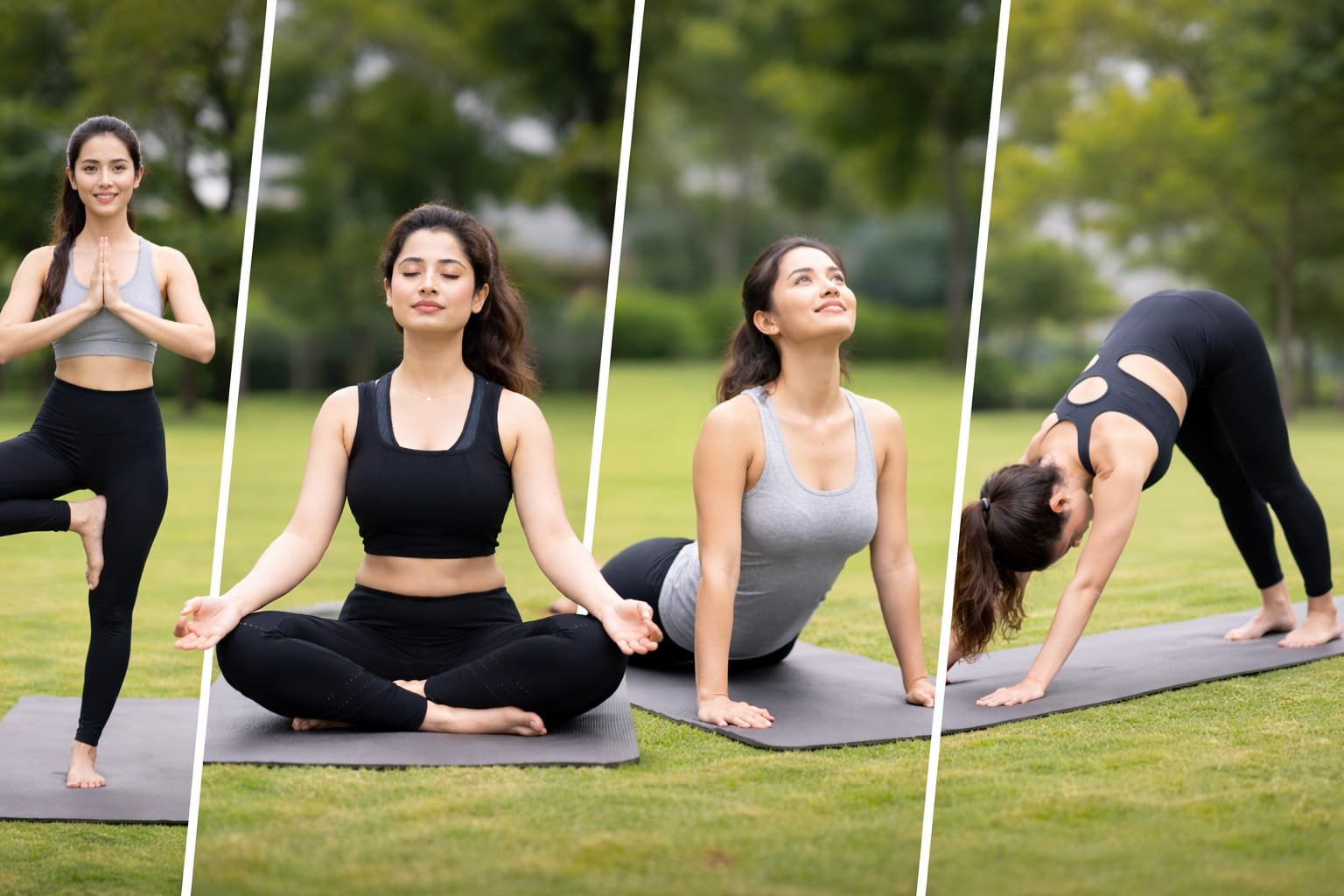
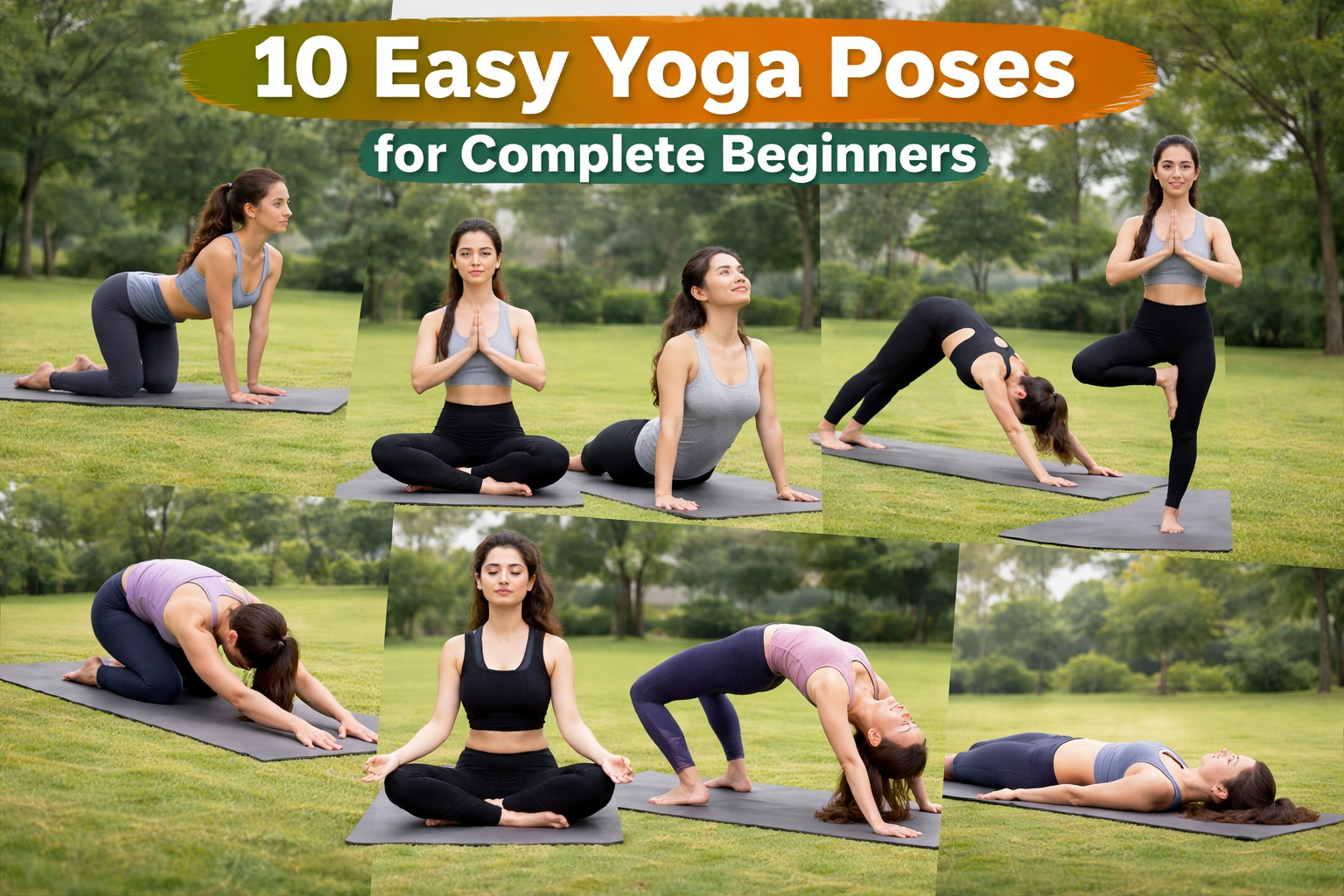
When managing high blood pressure, the goal of yoga practice is to calm the body rather than push it to extremes. Gentle, slow-paced poses help relax the nervous system, improve circulation, and reduce internal tension.
If you want to build a safe foundation before practicing regularly, you can explore this daily yoga routine for beginners, which helps you understand how to structure your practice effectively.
1. Sukhasana (Easy Meditation Pose)
Sukhasana is a simple and comfortable seated posture that is ideal for meditation and breathing practices. It helps create a stable base for the body, allowing the mind to relax and focus without distraction.
To practice Sukhasana, sit cross-legged on a mat with your spine straight and shoulders relaxed. Rest your hands gently on your knees, either in Gyan Mudra or in a natural position. Keep your chin slightly tucked and close your eyes softly.
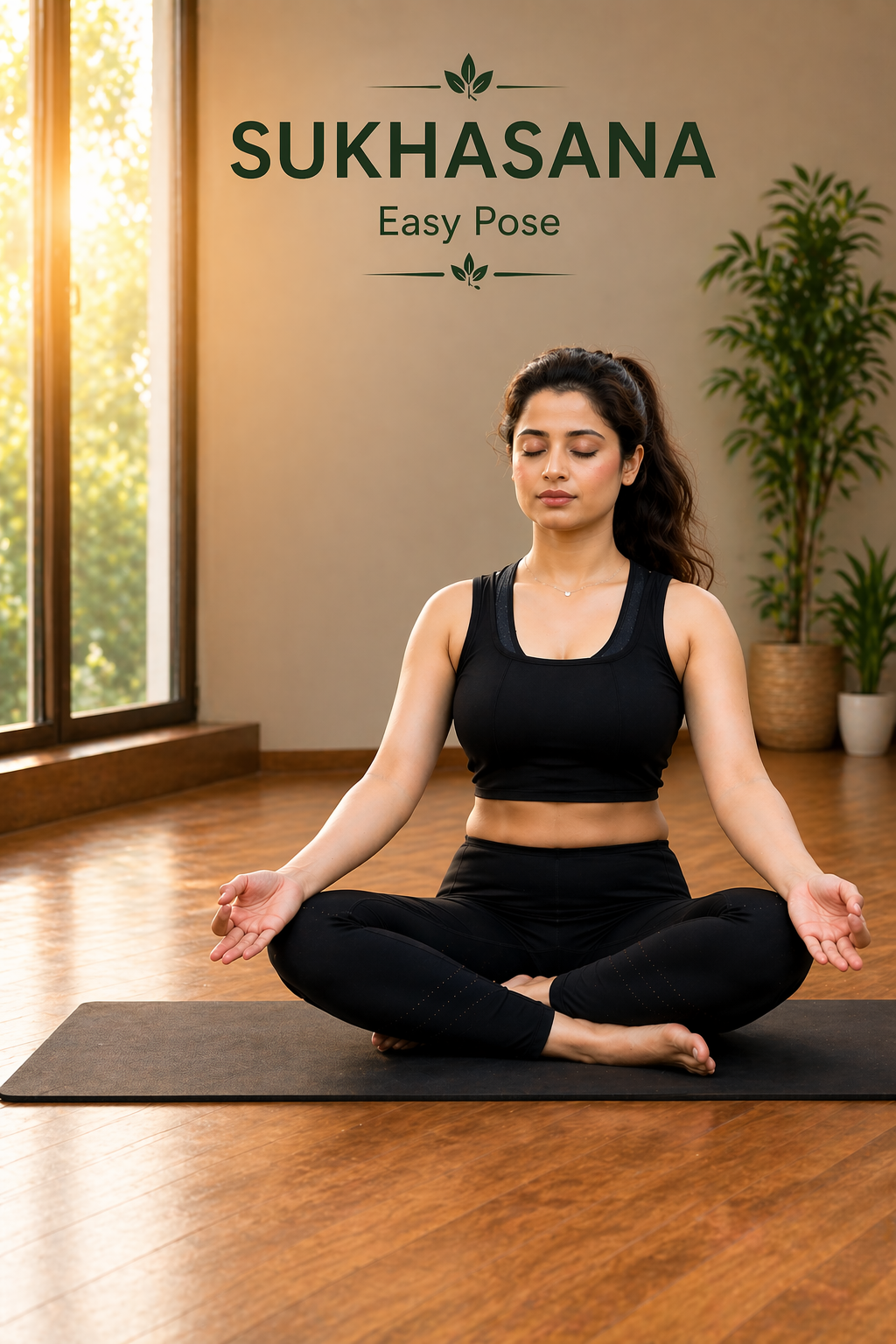
Bring your attention to your breath and allow it to flow slowly and naturally. As you inhale and exhale, try to remain present and aware without forcing the rhythm. This mindful breathing helps calm the nervous system and reduce mental stress.
Sukhasana improves posture, enhances concentration, and supports emotional balance. It is especially useful for people who want to manage stress-related blood pressure by combining meditation with controlled breathing.
Practicing this pose daily, even for a few minutes, can help create a sense of inner calmness and mental clarity, making it a powerful addition to any yoga routine.
2. Balasana (Child’s Pose)
Balasana is a comforting and restorative yoga pose that helps relax the body and quiet the mind. It creates a sense of safety and ease, making it especially helpful for reducing stress and supporting overall emotional balance.
To practice Balasana, kneel on the mat and sit back on your heels. Slowly bend forward and bring your forehead down toward the mat. You can stretch your arms forward or rest them alongside your legs, depending on what feels more comfortable for you. Let your shoulders drop and allow your body to soften completely.
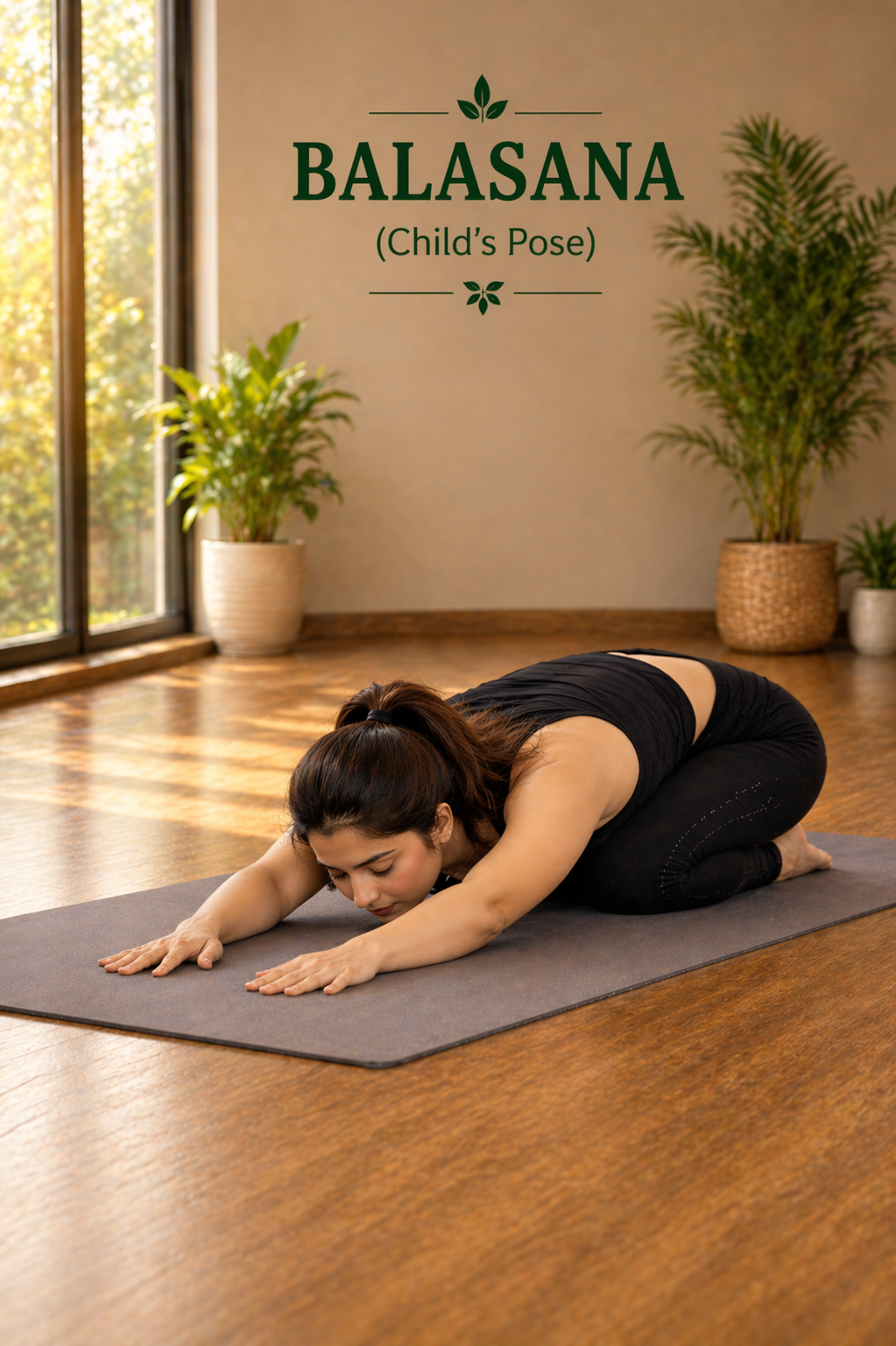
As you settle into the pose, focus on slow and steady breathing. Feel your breath gently expanding the back and releasing tension with every exhale. This natural rhythm helps calm the nervous system and reduce mental pressure.
Balasana gently stretches the spine, relieves tension in the back and shoulders, and promotes a deep state of relaxation. It is particularly beneficial for easing stress-related factors that can influence high blood pressure.
Practicing this pose regularly, even for a few minutes, can help bring a sense of calmness, improve focus, and support better stress management in daily life.
3. Setu Bandhasana (Bridge Pose)
Setu Bandhasana is a gentle backbend that helps improve circulation and supports overall heart health. By lifting the hips upward in a controlled way, this pose encourages better blood flow and activates key muscle groups without putting excessive strain on the body.
To practice, lie flat on your back with your knees bent and feet placed hip-width apart, close to your hips. Keep your arms by your sides with palms facing downward. Slowly press your feet into the mat and lift your hips upward while keeping your shoulders and head grounded.
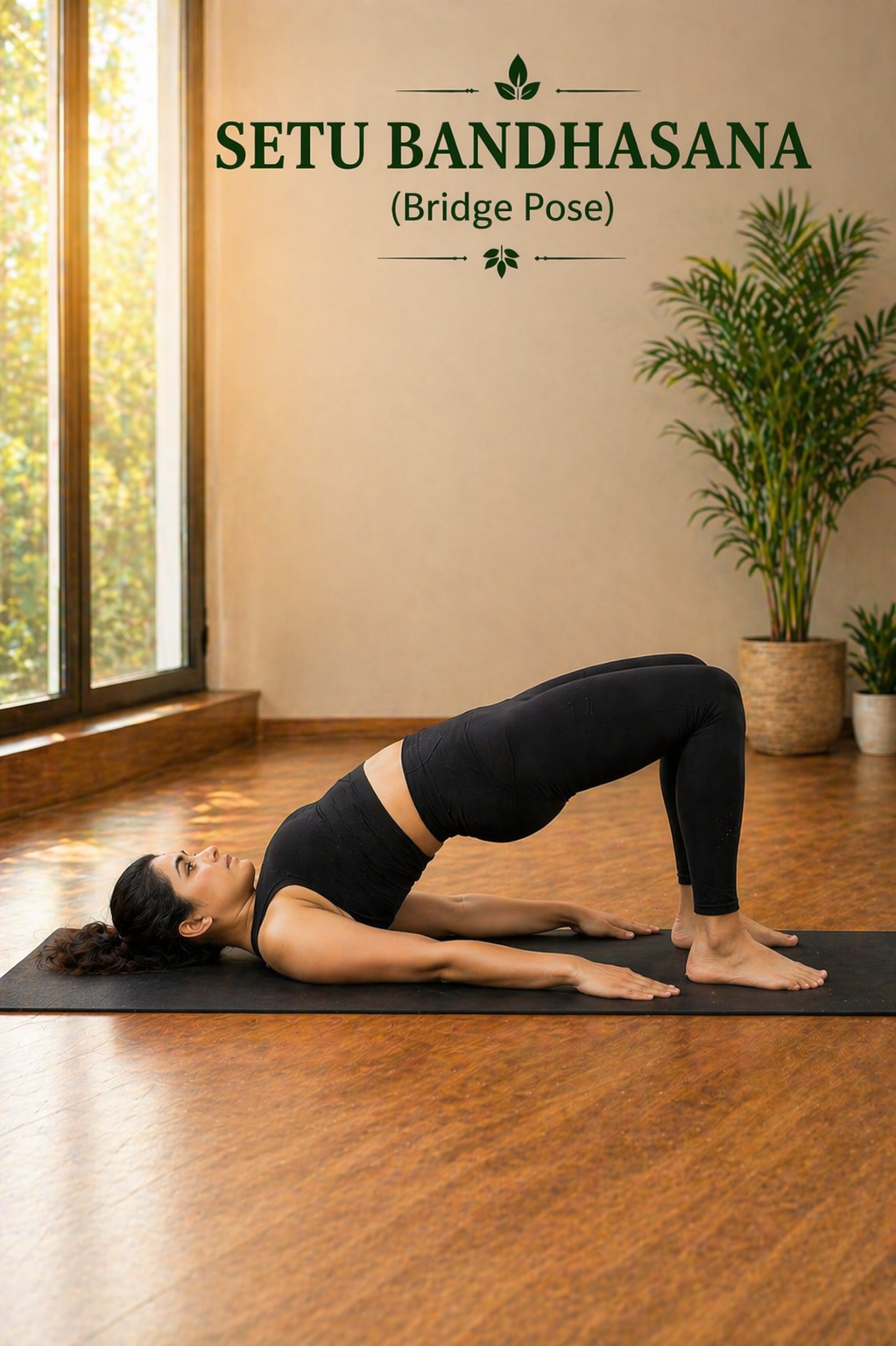
Hold the position comfortably and focus on steady, relaxed breathing. As your chest opens and the body lifts, it helps improve oxygen flow and promotes better circulation throughout the body.
Setu Bandhasana also strengthens the back, glutes, and core muscles, while gently stimulating the nervous system. This combination of strength and relaxation makes it useful for supporting stable blood pressure levels.
Practicing this pose regularly for a few minutes can help reduce fatigue, improve posture, and create a sense of balance in both body and mind.
4. Viparita Karani (Legs Up the Wall)
Viparita Karani is a gentle and deeply relaxing yoga pose that helps improve blood circulation and calm the nervous system. It is especially beneficial for reducing fatigue, relieving stress, and supporting overall heart health.
To practice this pose, lie down close to a wall and gently lift your legs up, resting them vertically against the wall. Your hips can be slightly away from or close to the wall, depending on your comfort. Keep your arms relaxed by your sides with palms facing upward, and allow your shoulders and neck to soften completely.
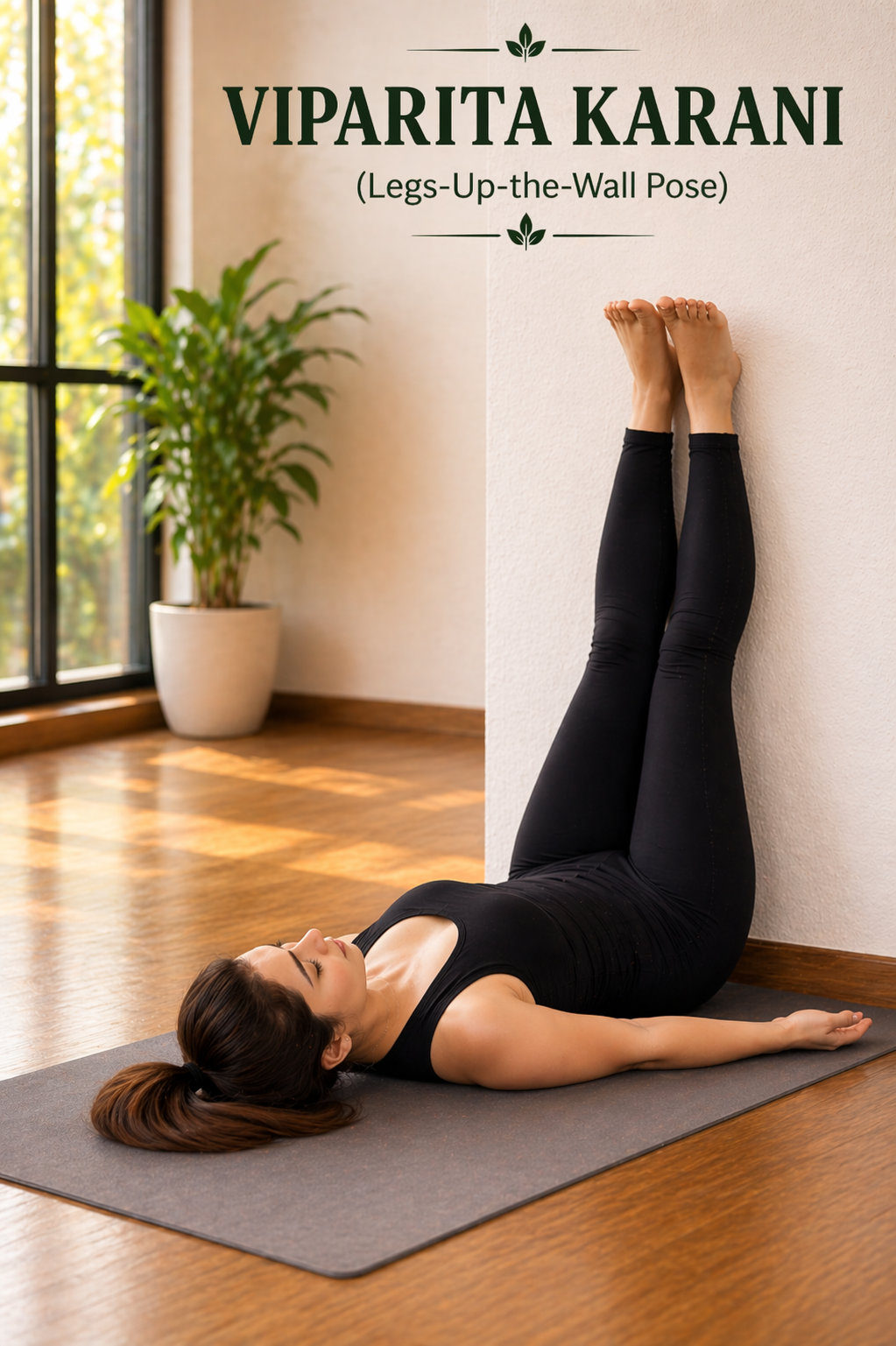
Once you are in position, close your eyes and focus on slow, natural breathing. As your legs remain elevated, blood circulation improves as it flows more easily back toward the heart. This helps reduce pressure in the lower body and creates a calming effect throughout the system.
Viparita Karani also helps relax tired legs, reduce swelling, and promote a sense of lightness in the body. The gentle inversion supports the parasympathetic nervous system, which is responsible for relaxation and recovery.
Practicing this pose for 5 to 10 minutes daily can help reduce stress levels, improve circulation, and support natural blood pressure balance. It is a simple yet highly effective pose for both beginners and experienced practitioners.
5. Shavasana (Corpse Pose)
Shavasana is one of the most effective yoga poses for calming the body and relaxing the mind. Although it looks very simple, this posture can create a deep sense of rest when practiced with full awareness. It is especially helpful for people dealing with stress, mental fatigue, and high blood pressure.
To practice Shavasana, lie flat on your back on a yoga mat. Keep your legs slightly apart and allow your feet to relax outward naturally. Place your arms comfortably by your sides with your palms facing upward. Close your eyes gently and let your whole body settle into the floor without any effort.
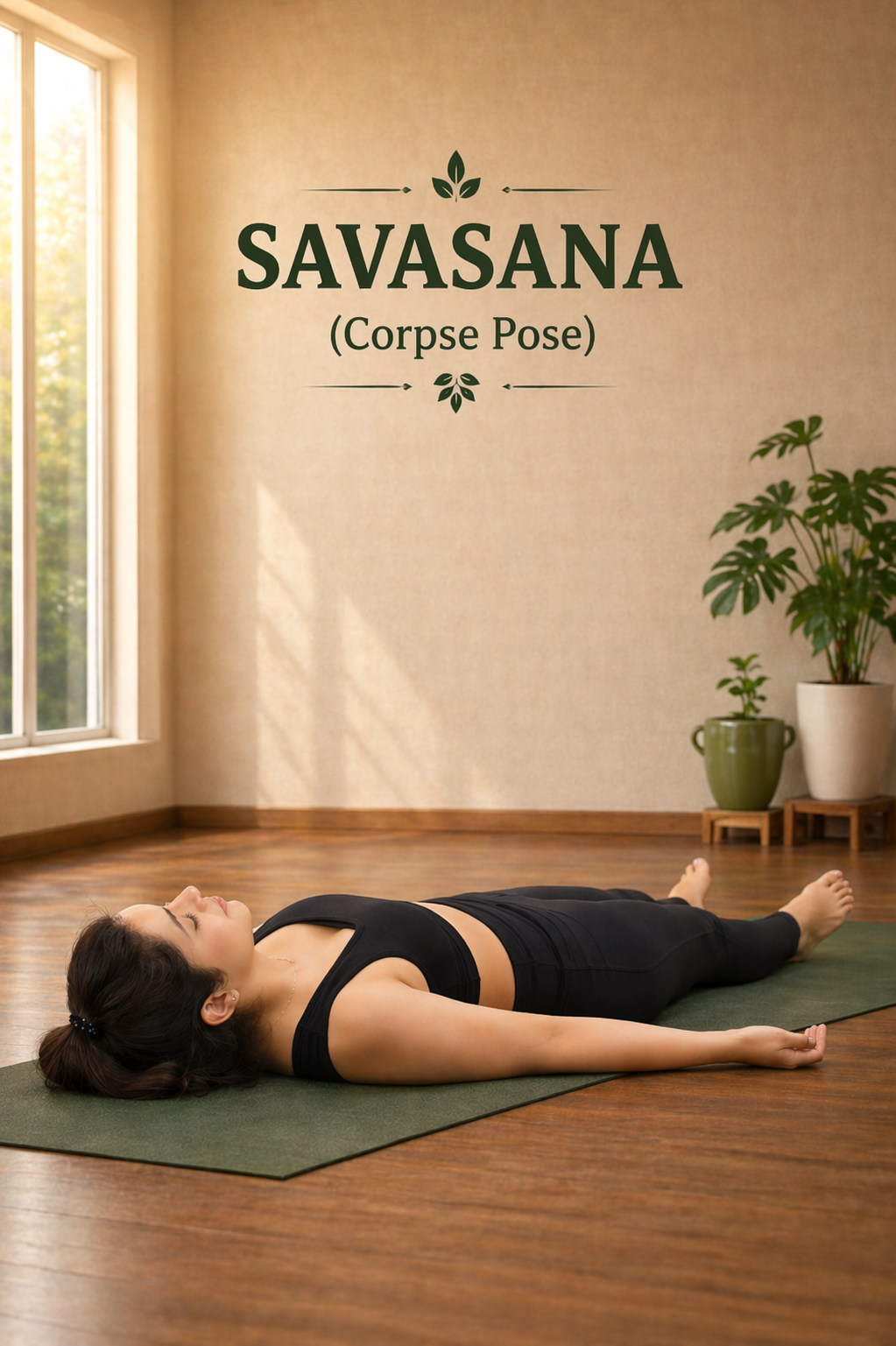
Once your body is in position, bring your attention to your breathing. Inhale slowly and naturally, then exhale with ease. Do not try to control the breath too much. Instead, focus on releasing tension from each part of your body. Relax your forehead, jaw, shoulders, chest, abdomen, hips, legs, and feet one by one.
This pose helps slow down the heart rate, calm the nervous system, and reduce the physical effects of stress on the body. As the body enters a relaxed state, it becomes easier to support healthy blood pressure levels naturally.
Practicing Shavasana for even 5 to 10 minutes daily can leave you feeling lighter, calmer, and more mentally balanced. It is a simple but powerful pose that can be included at the end of any yoga routine for better relaxation and overall cardiovascular support.
According to guidance from the National Center for Complementary and Integrative Health (NCCIH), gentle yoga practices can support relaxation, improve overall well-being, and contribute to better cardiovascular health.
Practicing these poses regularly, with a calm and mindful approach, can help you build a sustainable routine for managing blood pressure naturally.
Best Pranayama Techniques for Blood Pressure Control
Your breathing pattern has a direct influence on your heart rate, nervous system, and overall stress response. When your breath becomes slow and steady, your body naturally shifts into a relaxed state, which plays an important role in managing high blood pressure.
To understand the deeper connection between breath, mind, and body balance, you can explore this 7 chakras energy healing guide, which explains how internal energy flow and breathing are interconnected.
1. Anulom Vilom (Alternate Nostril Breathing)
Anulom Vilom is one of the most effective breathing techniques for calming the mind and balancing the body. By alternating the flow of breath between both nostrils, it helps bring harmony to the nervous system and creates a natural sense of relaxation.
To practice, sit comfortably in a relaxed position such as Sukhasana. Keep your spine straight and shoulders loose. Use your right hand in a simple hand position to gently control the nostrils. Close one nostril and inhale slowly through the other, then switch sides and exhale in a smooth, steady manner.
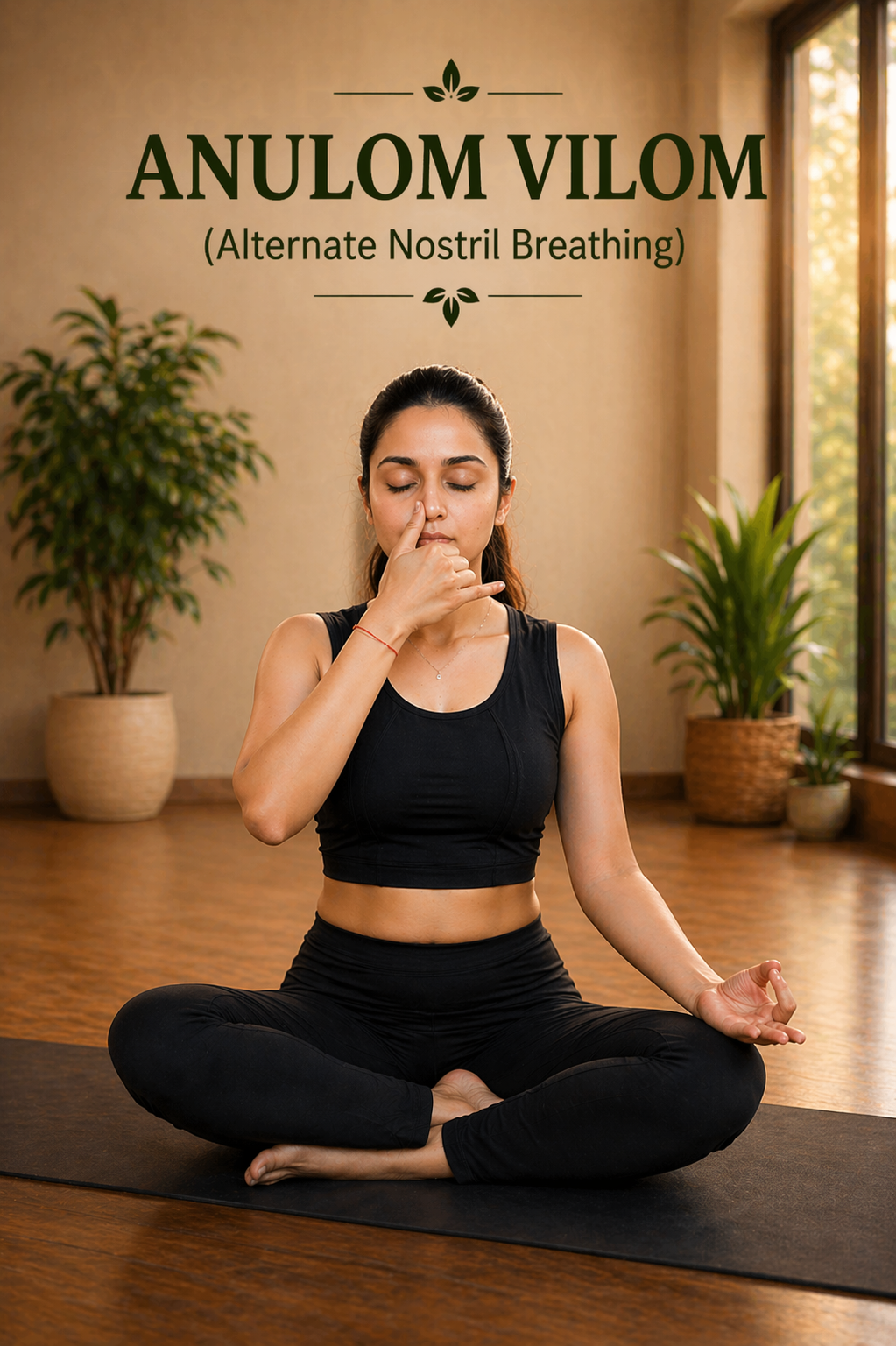
As you continue this pattern, focus on slow and controlled breathing. This steady rhythm helps improve oxygen supply, calm mental activity, and reduce the effects of daily stress on the body.
Regular practice of Anulom Vilom can help stabilize the heart rate, improve concentration, and support better blood pressure balance. It is a simple yet powerful technique that can be practiced daily for overall mental and physical well-being.
2. Bhramari Pranayama (Humming Bee Breath)
Bhramari Pranayama is a soothing breathing technique that uses a gentle humming sound to calm the mind and relax the body. The vibration created during exhalation has a natural calming effect on the nervous system.
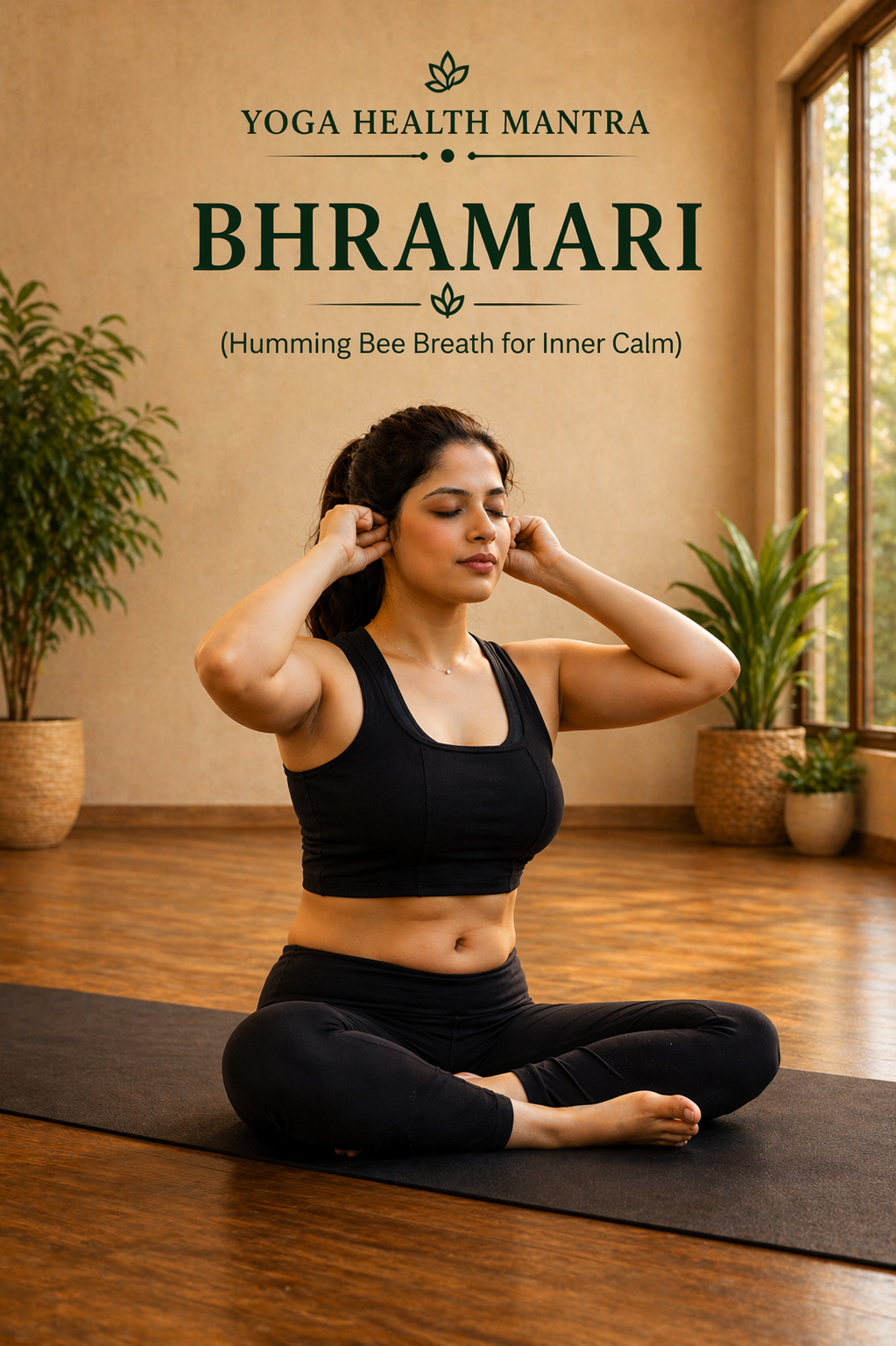
To practice, sit comfortably in a relaxed position with your spine straight. Close your eyes and gently place your fingers on the sides of your face or near the ears to reduce external noise. Take a deep breath in, and while exhaling, produce a soft humming sound like a bee.
Focus on the vibration created in your head and chest as you breathe out slowly. This sound helps quiet mental activity, reduce anxiety, and bring a sense of inner calmness.
Bhramari is especially helpful for managing stress-related blood pressure, as it helps slow down the heart rate and relax the mind. With regular practice, it can improve emotional balance and support overall well-being.
Practicing this technique for a few minutes daily can create a deep sense of relaxation and help you feel more centered and peaceful.
3. Deep Breathing (Diaphragmatic Breathing)
Deep breathing is a simple yet powerful technique that helps relax the body and calm the mind. By focusing on slow and steady breathing, it allows the body to shift into a relaxed state, which is important for managing high blood pressure.
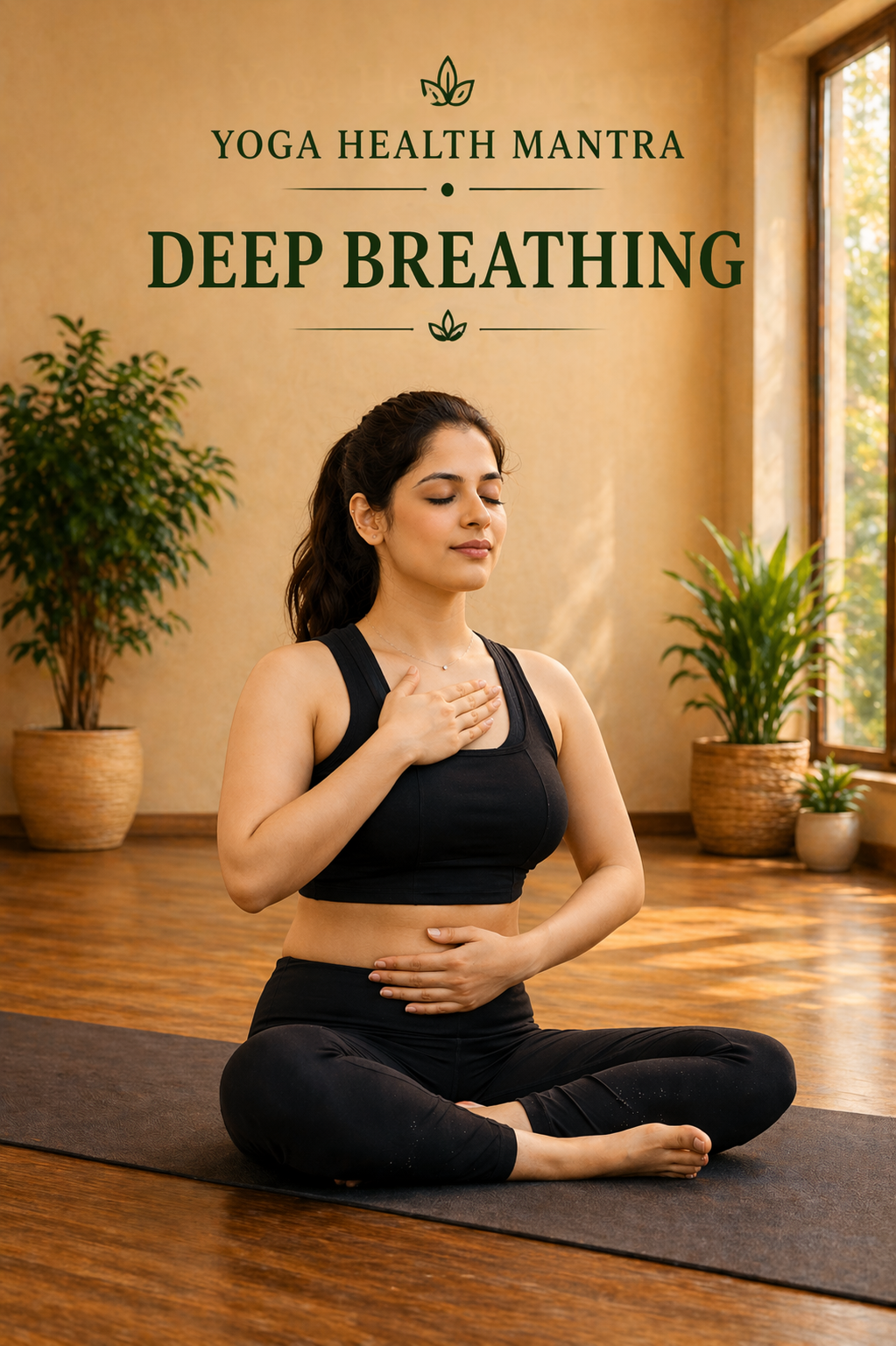
To practice, sit or lie down in a comfortable position. Place one hand on your chest and the other on your abdomen. Take a slow, deep breath in through your nose, allowing your abdomen to rise while keeping your chest relatively still.
Exhale gently through your mouth or nose, letting your abdomen fall naturally. Try to keep your breathing smooth and controlled without forcing it. This pattern helps improve oxygen flow and reduces tension in the body.
Deep breathing supports the nervous system, slows the heart rate, and helps reduce the impact of stress on the body. It is especially useful for maintaining stable blood pressure levels.
Practicing this technique for a few minutes daily can create a noticeable sense of calmness and improve overall physical and mental balance.
4. Chandra Bhedana (Left Nostril Breathing)
Chandra Bhedana is a calming and cooling breathing technique that focuses on inhaling through the left nostril. It helps reduce internal heat and gently relax the nervous system, creating a sense of mental and physical ease.
To practice, sit comfortably with a straight spine. Use your right hand to close the right nostril with your thumb. Inhale slowly through the left nostril, then release the right nostril and exhale through it in a smooth and controlled manner.
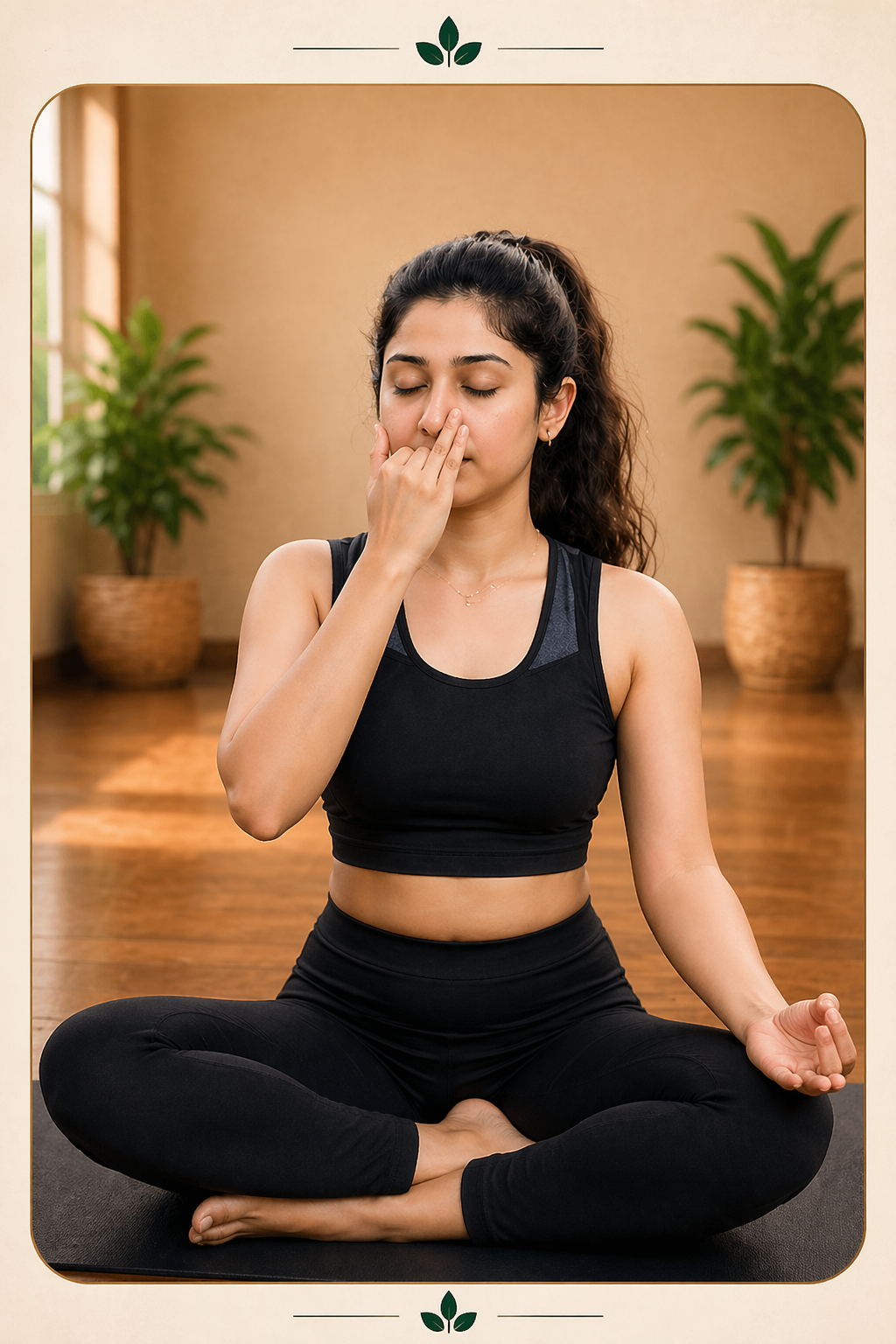
This slow and steady breathing pattern helps calm the mind, reduce stress, and bring balance to the body. It is especially useful for lowering stress levels and supporting mental relaxation.
Regular practice of controlled breathing can support better heart function and help regulate blood pressure levels, especially when combined with a balanced lifestyle and consistent routine.
Practicing pranayama daily, even for a few minutes, can gradually bring noticeable improvements in both mental calmness and overall blood pressure stability.
Daily Yoga Routine for High Blood Pressure Control
A well-structured daily routine helps you stay consistent and allows your body to gradually adapt to healthier patterns. When managing high blood pressure, the focus should always be on gentle movement, steady breathing, and deep relaxation.
If you prefer practicing in the evening to release daily stress, you can also follow this evening yoga routine for relaxation and better sleep, which complements blood pressure management effectively.
Morning Routine (10–20 Minutes)
| Activity | Duration |
|---|---|
| Deep Breathing | 3–5 minutes |
| Anulom Vilom | 5 minutes |
| Balasana | 2–3 minutes |
| Setu Bandhasana | 3–5 minutes |
| Shavasana | 5 minutes |
Evening Routine (10–15 Minutes)
| Activity | Duration |
|---|---|
| Viparita Karani | 5–7 minutes |
| Bhramari Pranayama | 5 minutes |
| Meditation (Sukhasana) | 5 minutes |
The key is consistency rather than duration. Even a short daily routine, when practiced regularly, can improve circulation, reduce stress, and support stable blood pressure levels.
A balanced combination of physical activity, relaxation, and breathing practices plays an important role in maintaining healthy blood pressure over time.
Choose a routine that feels comfortable and sustainable for you, and gradually make it a part of your daily lifestyle.
Lifestyle Tips to Support Healthy Blood Pressure
Yoga becomes even more effective when combined with the right lifestyle habits. Managing high blood pressure is not just about practice time—it is about the way you live, eat, and respond to daily stress.
One of the most important changes is maintaining a balanced and mindful diet. Reducing salt intake, avoiding processed foods, and including fresh fruits, vegetables, and whole grains can support healthy blood pressure levels. You can explore a structured approach in this yoga diet plan for beginners, which focuses on natural and sustainable eating habits.
Regular movement is equally important. Even light physical activity such as walking, stretching, or gentle yoga helps improve circulation and reduces strain on the heart. The goal is to stay active without putting excessive pressure on the body.
Managing stress should be part of your daily routine. Simple habits like mindful breathing, short meditation sessions, and spending time in a calm environment can help regulate your nervous system and prevent sudden increases in blood pressure.
Quality sleep plays a key role in maintaining overall balance. Lack of proper rest can increase stress hormones and negatively affect heart health. Creating a fixed sleep schedule and reducing screen time before bed can make a noticeable difference.
A balanced combination of a healthy diet, regular physical activity, proper rest, and stress management plays an important role in maintaining stable blood pressure levels over time.
By combining yoga with these simple lifestyle habits, you create a balanced approach that supports long-term health and stability.
Common Mistakes to Avoid While Practicing Yoga for High Blood Pressure
Yoga can be highly beneficial for managing high blood pressure, but practicing it incorrectly can reduce its effectiveness or create unnecessary strain. Avoiding common mistakes helps you stay safe and get the best results from your routine.
If you are also dealing with digestive discomfort or bloating alongside BP issues, you can review this guide on yoga for gas relief, which emphasizes gentle practice and mindful breathing.
1. Practicing Too Fast
Moving quickly from one pose to another can increase heart rate and reduce the calming benefits of yoga. For blood pressure management, slow and controlled movements are more effective.
2. Holding the Breath
Irregular breathing or holding the breath can increase internal pressure and stress the cardiovascular system. Always maintain a smooth and steady breathing rhythm during practice.
3. Overstretching the Body
Pushing your body beyond its natural limit can create tension instead of relaxation. Yoga for BP control should feel comfortable and gentle, not forced.
4. Ignoring Relaxation
Skipping relaxation poses like Shavasana reduces the overall calming effect of yoga. These poses are essential for resetting the nervous system and lowering stress levels.
5. Inconsistent Practice
Doing yoga occasionally may not bring noticeable results. Consistency is the key to achieving long-term benefits for blood pressure control.
Guidance from the World Health Organization (WHO) highlights the importance of safe physical activity and proper lifestyle habits in managing hypertension effectively.
By avoiding these common mistakes, you can create a safer and more effective yoga practice that supports your overall health.
Important Precautions Before Practicing Yoga for High Blood Pressure
Yoga is generally safe, but when you are dealing with high blood pressure, it becomes important to follow certain precautions. A mindful approach ensures that you gain the benefits without putting extra strain on your heart and body.
If you are new to yoga or still building your foundation, you can begin with this complete beginner’s guide to yoga, which explains safe and gradual ways to start your practice.
1. Consult a Healthcare Professional
If your blood pressure levels are very high or uncontrolled, it is important to consult a doctor before starting any yoga routine. Professional advice helps you choose the safest approach based on your condition.
2. Avoid Intense or Fast Practices
High-intensity yoga styles or rapid movements can increase heart rate and may not be suitable. Focus on slow, gentle, and controlled movements that promote relaxation.
3. Be Careful with Inversions
Advanced poses where the head goes below the heart should be avoided or practiced only under expert supervision, especially if you have severe hypertension.
4. Listen to Your Body
Never ignore discomfort or pain. Yoga for blood pressure management should always feel calm and comfortable. Stop immediately if you feel dizziness or unusual strain.
5. Maintain Hydration and Timing
Stay properly hydrated and avoid practicing yoga immediately after heavy meals. A light stomach and balanced routine support better performance and safety.
Clinical recommendations from the National Heart, Lung, and Blood Institute (NHLBI) emphasize the importance of safe physical activity and proper medical guidance for individuals with hypertension.
Following these precautions helps you create a safe and sustainable yoga practice that supports long-term health.
Frequently Asked Questions (FAQs)
When starting yoga for high blood pressure, it is natural to have questions about safety, effectiveness, and results. Here are clear answers to some of the most common concerns.
If you are also looking to improve your overall physical health along with blood pressure control, you may find this guide helpful: yoga for back pain relief at home, which focuses on gentle and safe practices.
Can yoga completely cure high blood pressure?
Yoga may not completely cure high blood pressure, especially in severe cases, but it can significantly help in managing and reducing it. When combined with a healthy lifestyle and proper medical guidance, it becomes highly effective.
How long does it take to see results?
The timeline varies from person to person. Some individuals may feel more relaxed within a few weeks, while noticeable improvements in blood pressure can take a few months of consistent practice.
Which pranayama is most effective for BP control?
Anulom Vilom, Bhramari, and slow deep breathing are considered highly effective. These techniques help calm the nervous system and support better heart rate regulation.
Is it safe to practice yoga every day?
Yes, gentle yoga and breathing exercises can be practiced daily. Consistency plays a key role in achieving long-term benefits for blood pressure control.
Can beginners start yoga for BP without prior experience?
Yes, beginners can safely start with simple poses and breathing techniques. It is important to move slowly, focus on breathing, and avoid advanced postures in the beginning.
Understanding these common questions can help you practice with confidence and build a safe and effective yoga routine for your health.
Conclusion: Building a Healthy and Balanced Approach to Blood Pressure
Managing high blood pressure is not about quick fixes, but about creating consistent and sustainable habits over time. Yoga offers a natural and supportive path that works on both the body and the mind, helping you move toward long-term balance.
Through gentle poses, controlled breathing, and relaxation techniques, yoga helps calm the nervous system, improve circulation, and reduce the effects of daily stress. When practiced regularly, it becomes more than just an exercise—it becomes a lifestyle.
If you want to take your practice further and build a structured plan, you can explore this 7-day yoga plan for beginners, which helps you stay consistent and disciplined in your routine.
Long-term blood pressure control depends on a combination of physical activity, healthy eating, stress management, and regular monitoring.
Yoga should be seen as a supportive practice alongside proper medical care. Stay consistent, listen to your body, and take small but meaningful steps every day toward a healthier and more balanced life.