

Fatty liver disease occurs when excess fat begins to accumulate in liver cells. The encouraging part is that, in many cases, it can be improved—and even reversed—when addressed early with the right lifestyle approach.
The Science of Reversal
Your liver has a natural ability to repair and regenerate itself when supported properly. Even small, consistent changes can create noticeable improvements over time. Research suggests that reducing around 5–7% of body weight may help lower liver fat, while a reduction closer to 10% can support improvements in inflammation and overall liver function. Since metabolic health and blood sugar balance play a key role in this process, improving them through practices like yoga for blood sugar control can indirectly support better liver health.
The goal is not extreme dieting or exhausting workouts. Instead, a balanced and sustainable routine works best—one that combines mindful eating, regular movement, yoga practice, and stress management. These elements work together to support your body’s internal balance and improve overall energy levels. According to medical insights on fatty liver, maintaining a healthy weight and staying active are key factors in managing this condition effectively.
This guide is designed to help you take a practical and natural path—supporting your liver, boosting your energy, and building long-term healthy habits without relying on crash diets or expensive supplements.
The Liver: Your Body’s Unsung Hero
Before stepping onto the yoga mat, it’s important to understand why your liver truly matters. Located just under your right rib cage, this powerful organ works continuously—supporting essential functions that keep your body balanced and energized.
Think of your liver as the body’s natural processing system. It performs multiple roles at the same time:
- Filters Toxins: Cleans the blood by processing alcohol, medications, and everyday toxins.
- Metabolizes Fat: Breaks down fats and produces bile to support digestion and nutrient absorption.
- Balances Blood Sugar: Helps maintain stable energy levels throughout the day.
- Stores Vitamins: Holds essential nutrients like vitamins A, D, E, K, and B12.
- Produces Proteins: Supports blood clotting and immune function.
Because the liver is involved in so many processes, even small imbalances can affect overall health. When fat begins to accumulate—typically more than 5–10% of its weight—it may lead to inflammation, insulin resistance, and metabolic imbalance over time. As explained in this medical overview of liver function, the liver plays a central role in metabolism, detoxification, and overall body balance.
Since digestion and metabolism are closely connected to liver function, supporting gut health becomes equally important. Incorporating practices like yoga for digestion improvement can help enhance digestive efficiency and support overall metabolic balance.
Why Is Fatty Liver So Common?
If you think this condition only affects heavy drinkers, think again. In reality, Non-Alcoholic Fatty Liver Disease (NAFLD) is now one of the most common liver conditions, largely driven by modern lifestyle habits.
Several everyday factors contribute to the development of fatty liver:
- Processed, Sugar-Heavy Diets: Regular intake of packaged foods, sugary drinks, and refined carbohydrates—especially those high in added sugars—can increase fat buildup in the liver.
- Sedentary Lifestyle: Long hours of sitting with minimal movement can slow down metabolism and affect how the body processes fat.
- Chronic Stress: Ongoing stress keeps cortisol levels elevated, which can encourage fat storage around the belly and liver area.
- Poor Sleep: Irregular or insufficient sleep can disrupt glucose control and fat metabolism, increasing the risk of insulin resistance.
Since excess belly fat and metabolic imbalance are closely linked to fatty liver, focusing on fat reduction and daily activity becomes essential. Following a structured yoga plan that targets belly fat can help improve metabolic efficiency and support overall body balance.
The Synergy: Why Yoga Is the Ultimate Reversal Tool
You might be thinking, “Can gentle stretching really fix a metabolic issue like fatty liver?” The answer is yes—when practiced consistently, yoga works on multiple levels that go beyond basic exercise.
Here’s how yoga supports liver health in a more complete and balanced way:
1. It Specifically Stimulates Liver Function
While running mainly burns calories, yoga asanas involve controlled movements that gently massage and stimulate the abdominal organs. Twisting poses compress the liver and surrounding tissues, and when released, allow fresh, oxygen-rich blood to flow through—supporting natural detox and circulation.
2. It Reduces Inflammation
Chronic inflammation plays a major role in the progression of fatty liver. Yoga helps reduce this internal stress by calming the body and promoting relaxation, which supports overall balance.
3. It Improves Insulin Sensitivity
Insulin resistance is one of the main drivers of fatty liver. Yoga can help improve how your body responds to insulin, making it easier to regulate blood sugar and reduce fat accumulation.
4. It Breaks the Stress–Eating Cycle
Stress often leads to unhealthy eating habits, especially cravings for sugary and processed foods. Practices like pranayama (breathing techniques) calm the nervous system and improve awareness, helping you make better lifestyle choices. Learning how to use pranayama techniques effectively can support stress management and improve overall internal balance.
5. It’s Supported by Research
Clinical observations and studies suggest that consistent yoga practice may help improve liver-related markers and metabolic health. While yoga is not a replacement for medical care, it can be a powerful supportive tool when combined with the right lifestyle approach.
The Essential Yoga Poses for Fatty Liver
Let’s get to the most important part—the yoga asanas that directly support liver health. Start slowly, listen to your body, and avoid forcing any movement. Consistency matters more than intensity.
Ardha Matsyendrasana (Half Lord of the Fishes Pose)
Why it works: This seated twist is one of the most effective poses for the liver. It gently compresses and releases the abdominal organs, which may help improve blood circulation, stimulate bile flow, and support the body’s natural detox process. Twisting movements also activate digestion and improve overall metabolic balance.
If you’re new to yoga, starting with a simple and guided approach can make this pose easier to understand and practice safely. You can begin with easy yoga poses designed for beginners to build confidence and proper technique.
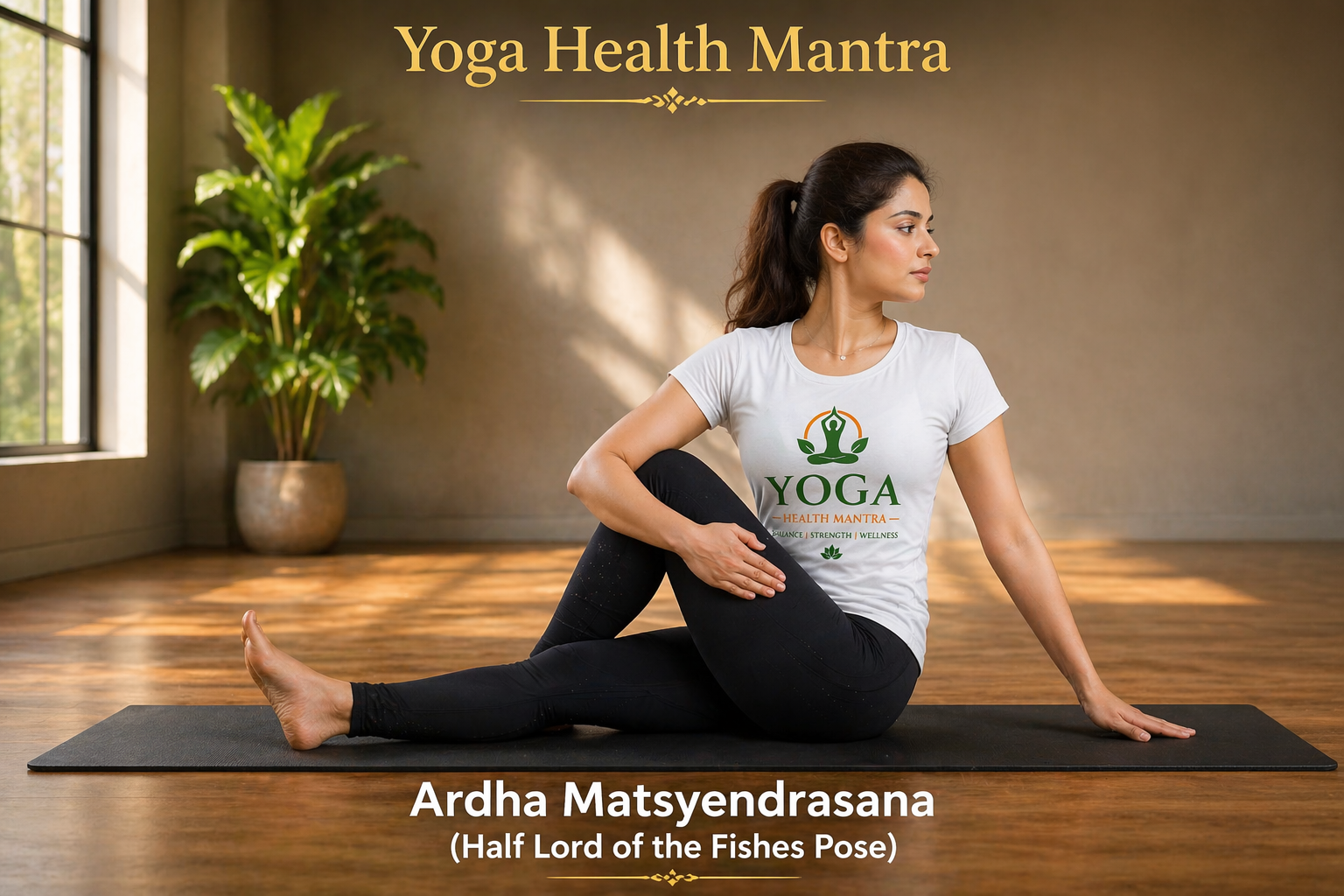
How to do it:
- Sit with your legs extended straight in front of you.
- Bend your right knee and place your right foot flat on the floor outside your left thigh.
- Loop your left arm over your right knee, placing your left elbow outside your right knee.
- Twist your torso to the right, gazing over your right shoulder.
- Keep your spine tall and take deep, even breaths.
- Hold for 20–30 seconds, then release and repeat on the other side.
Dhanurasana (Bow Pose)
Why it works: This gentle backbend creates a natural stretch and pressure across the abdominal area, including the liver and pancreas. It may help stimulate these organs and support better metabolic function over time. Regular practice can also strengthen the core and improve overall flexibility.
Dhanurasana engages multiple muscle groups and encourages the body to utilize stored energy more efficiently. When practiced with proper breathing, it may support better digestion and help maintain internal balance. Since this pose also influences hormonal activity and metabolism, it can be beneficial to understand how yoga supports internal balance through practices like yoga for hormonal balance.
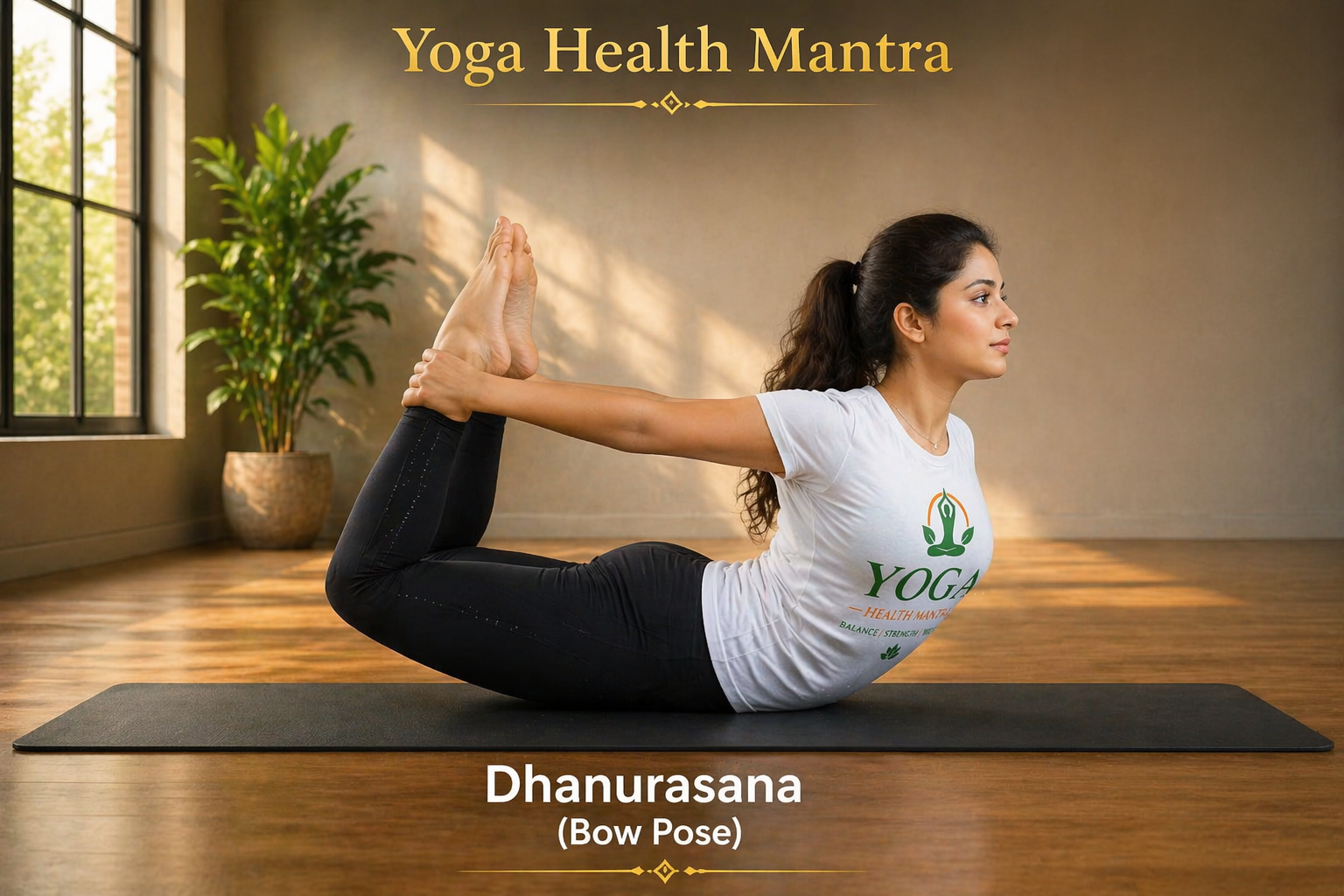
How to do it:
- Lie flat on your stomach with your feet hip-width apart and arms resting by your sides.
- Bend your knees and gently reach back to hold your ankles with your hands.
- Inhale slowly and lift your chest and thighs off the floor at the same time.
- Keep your gaze forward and maintain a steady, comfortable breath.
- Hold the pose for 15–20 seconds without straining.
- Exhale slowly and release your body back to the floor in a controlled manner.
Quick Overview
- Backbend pose that engages the entire body
- May support abdominal organ stimulation
- Helps improve flexibility and core strength
- Encourages better breathing and body awareness
- Best practiced slowly with proper control
Trikonasana (Triangle Pose)
Why it works: This standing posture provides a deep stretch along the sides of the body, especially the abdominal region. The lateral expansion of the torso may help improve circulation around the liver area and support overall digestive function. It also strengthens the legs and improves body balance.
Trikonasana encourages better posture and controlled breathing, which can contribute to improved body awareness and metabolic activity when practiced regularly. Including it as part of a structured routine—such as a 7-day yoga plan for weight management—can help maintain consistency and support overall fitness.
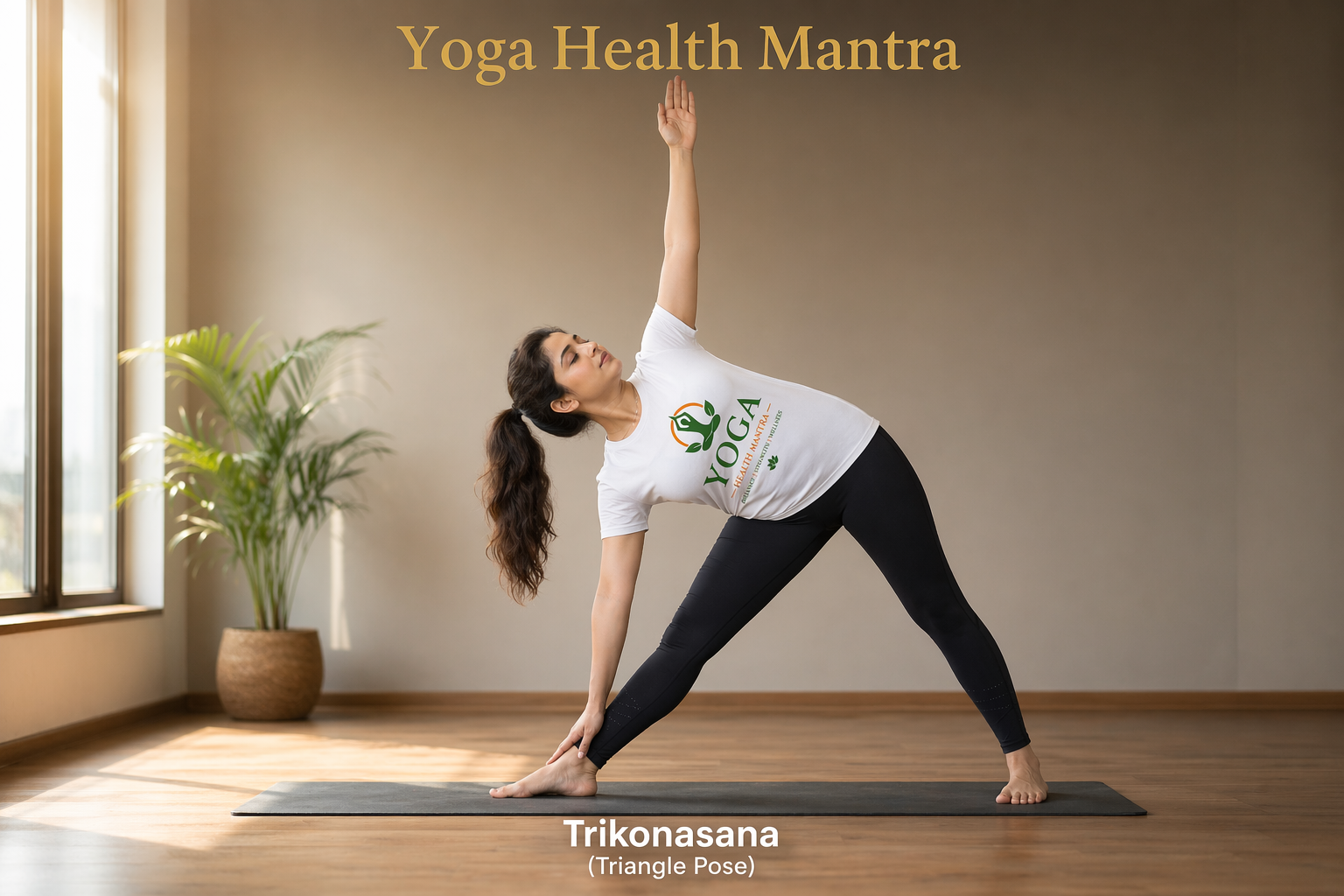
How to do it:
- Stand with your feet about 3–4 feet apart, maintaining a stable base.
- Turn your right foot outward at 90 degrees and your left foot slightly inward.
- Extend both arms straight out to the sides at shoulder level.
- Exhale and slowly reach your right hand down toward your shin, ankle, or the floor—without straining.
- Stretch your left arm straight upward, keeping both arms in one line.
- Open your chest and gently look upward toward your left hand.
- Hold the pose for about 20–30 seconds with steady breathing, then return and repeat on the other side.
Quick Overview
- Standing pose that stretches the sides of the body
- May support circulation around abdominal organs
- Improves balance, posture, and flexibility
- Encourages controlled breathing and stability
- Suitable for regular practice with proper alignment
Bhujangasana (Cobra Pose)
Why it works: Gentle backbends like Cobra pose create a natural stretch across the abdominal area, which may help improve blood circulation to internal organs, including the liver. This increased flow of oxygen-rich blood can support overall organ function and recovery when practiced regularly.
Bhujangasana also encourages chest opening and deeper breathing, which can help ease physical tension. Since stress can indirectly affect digestion and metabolism, including calming practices like yoga techniques for stress relief can further support overall balance.
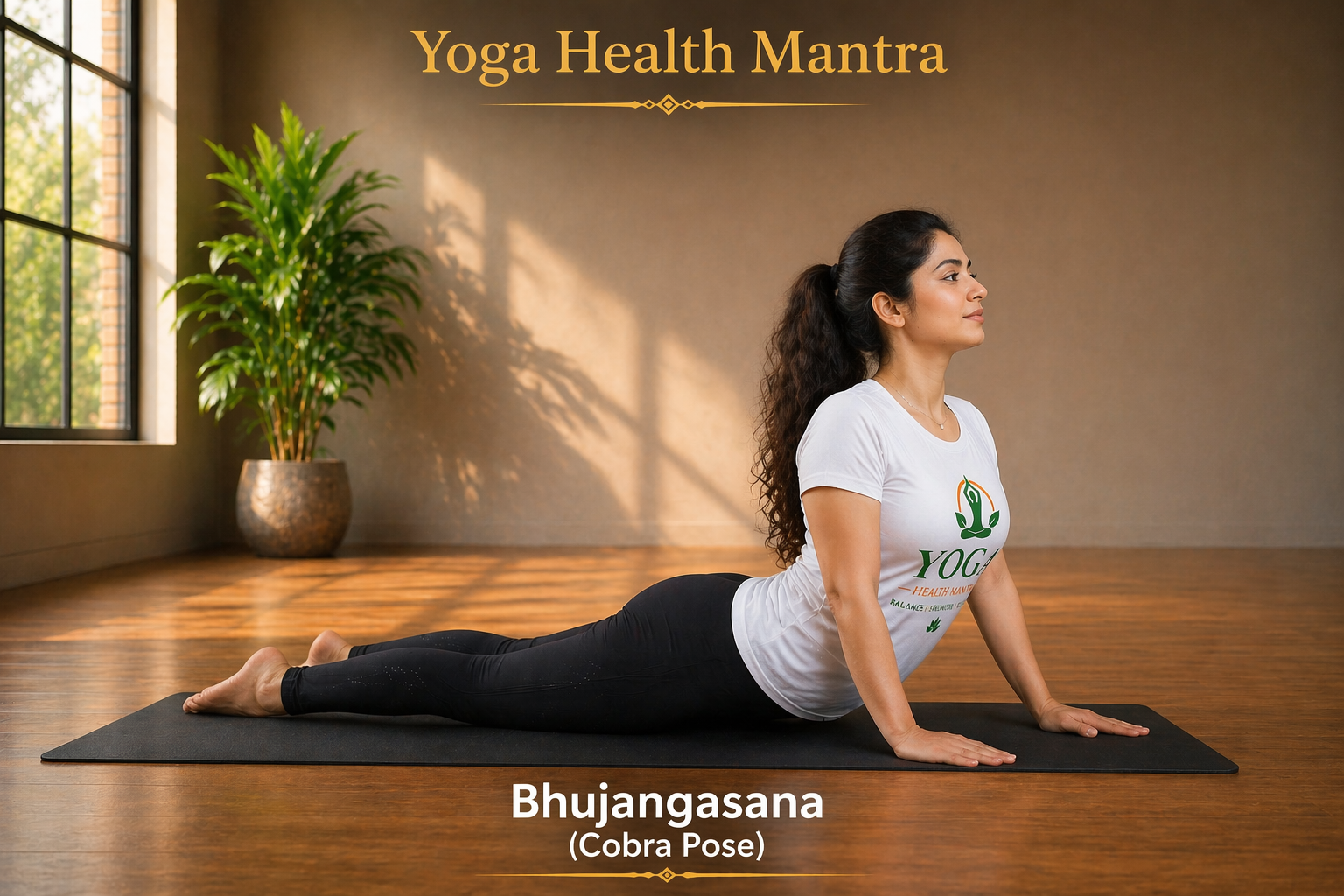
How to do it:
- Lie on your stomach with your legs extended and the tops of your feet resting on the mat.
- Place your palms just under your shoulders, keeping elbows close to your body.
- Inhale slowly and press gently into your hands to lift your chest off the floor.
- Keep your elbows slightly bent and shoulders relaxed away from your ears.
- Maintain a gentle upward gaze without straining your neck.
- Hold the position for 15–30 seconds while breathing deeply and steadily.
- Exhale slowly and release your body back down.
Quick Overview
- Gentle backbend that stretches the abdominal region
- May support better circulation to internal organs
- Encourages deep breathing and relaxation
- Helps improve posture and spinal flexibility
- Simple and effective when practiced regularly
Paschimottanasana (Seated Forward Fold)
Why it works: This forward-bending pose encourages deep relaxation and may help activate the parasympathetic nervous system—the body’s natural “rest and repair” mode. By reducing stress levels, it can indirectly support better metabolic balance and overall liver health.
Paschimottanasana also provides a gentle compression to the abdominal region, which may support digestion and improve internal organ function when practiced regularly with controlled breathing. Since calming the mind plays a key role in this process, practices like yoga for anxiety and emotional balance can further enhance the relaxation benefits of this pose.
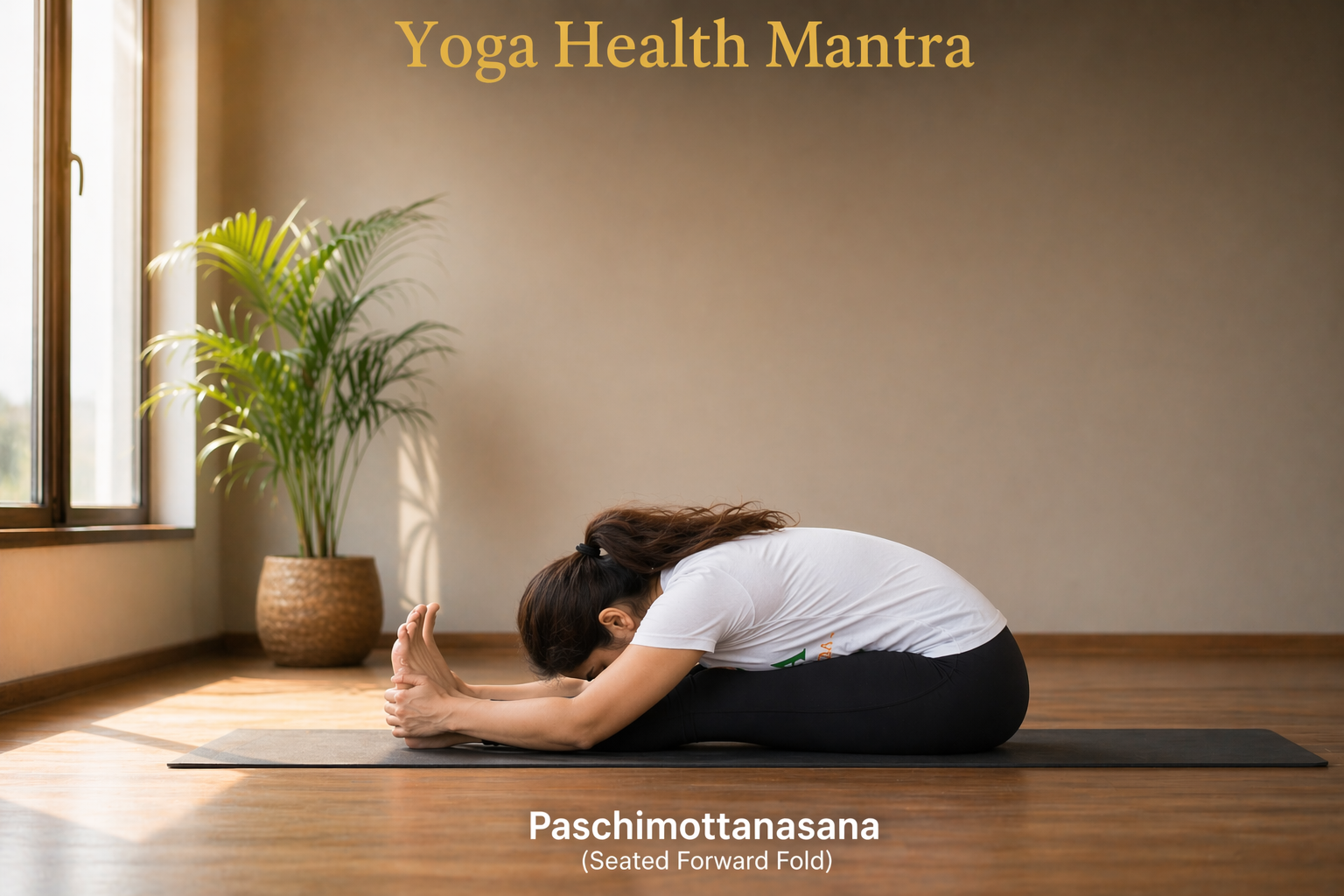
How to do it:
- Sit with your legs extended straight in front of you, keeping your spine tall and aligned.
- Inhale slowly and raise your arms overhead.
- Exhale and hinge forward from your hips, reaching toward your shins, ankles, or feet—without forcing the stretch.
- Keep your back as straight as possible while folding forward.
- Breathe deeply and stay in the position for 30 seconds to 1 minute.
- Relax into the stretch with each exhale, then gently return to the starting position.
Quick Overview
- Forward bend that promotes relaxation and stress reduction
- May support digestion and abdominal organ function
- Encourages deep, mindful breathing
- Helps improve flexibility in the back and hamstrings
- Effective when practiced slowly and consistently
Naukasana (Boat Pose)
Why it works: Boat Pose actively engages the core muscles, helping to build strength in the abdominal region. This activation may support better metabolism and assist the body in utilizing stored fat more efficiently. When practiced regularly, it can also contribute to improved digestion, which plays an important role in overall liver health.
Naukasana challenges balance and stability, encouraging coordination between breath and movement. Understanding how movement and breath work together in yoga—such as in practices explained through the science behind Surya Namaskar—can help you perform this pose with better awareness and control.
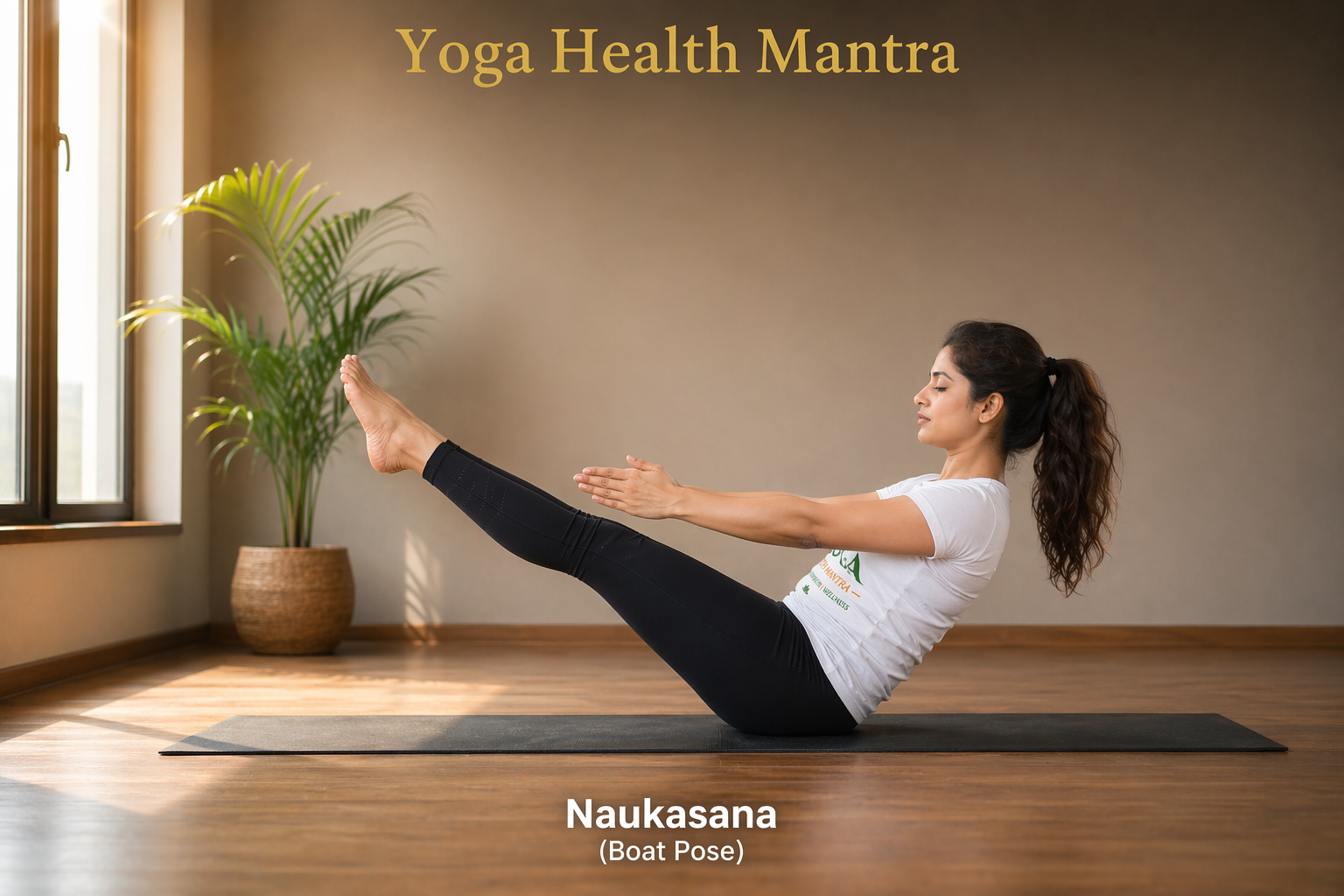
How to do it:
- Lie on your back with your legs together and arms resting by your sides.
- Inhale and gently lift your chest and legs off the floor at the same time.
- Balance on your sitting bones while keeping your legs straight.
- Extend your arms forward, parallel to the ground.
- Maintain steady and controlled breathing.
- Hold the position for 15–20 seconds, then slowly release.
- Repeat the pose as per your comfort level.
Quick Overview
- Core-strengthening pose that improves body balance
- May support better metabolism and fat utilization
- Helps improve digestion and internal coordination
- Builds stability and body awareness
- Best practiced with controlled breathing and proper form
Setu Bandhasana (Bridge Pose)
Why it works: Bridge Pose is a gentle backbend that opens the chest and creates a lift through the abdominal region. This movement may help improve blood circulation around internal organs, including the liver and kidneys, supporting overall body function when practiced consistently.
It also encourages relaxation and steady breathing, which can support hormonal balance and metabolic stability over time. For those focusing on improving internal balance, understanding how yoga supports hormones—such as in yoga practices for thyroid and hormonal health—can provide additional insight into its benefits.
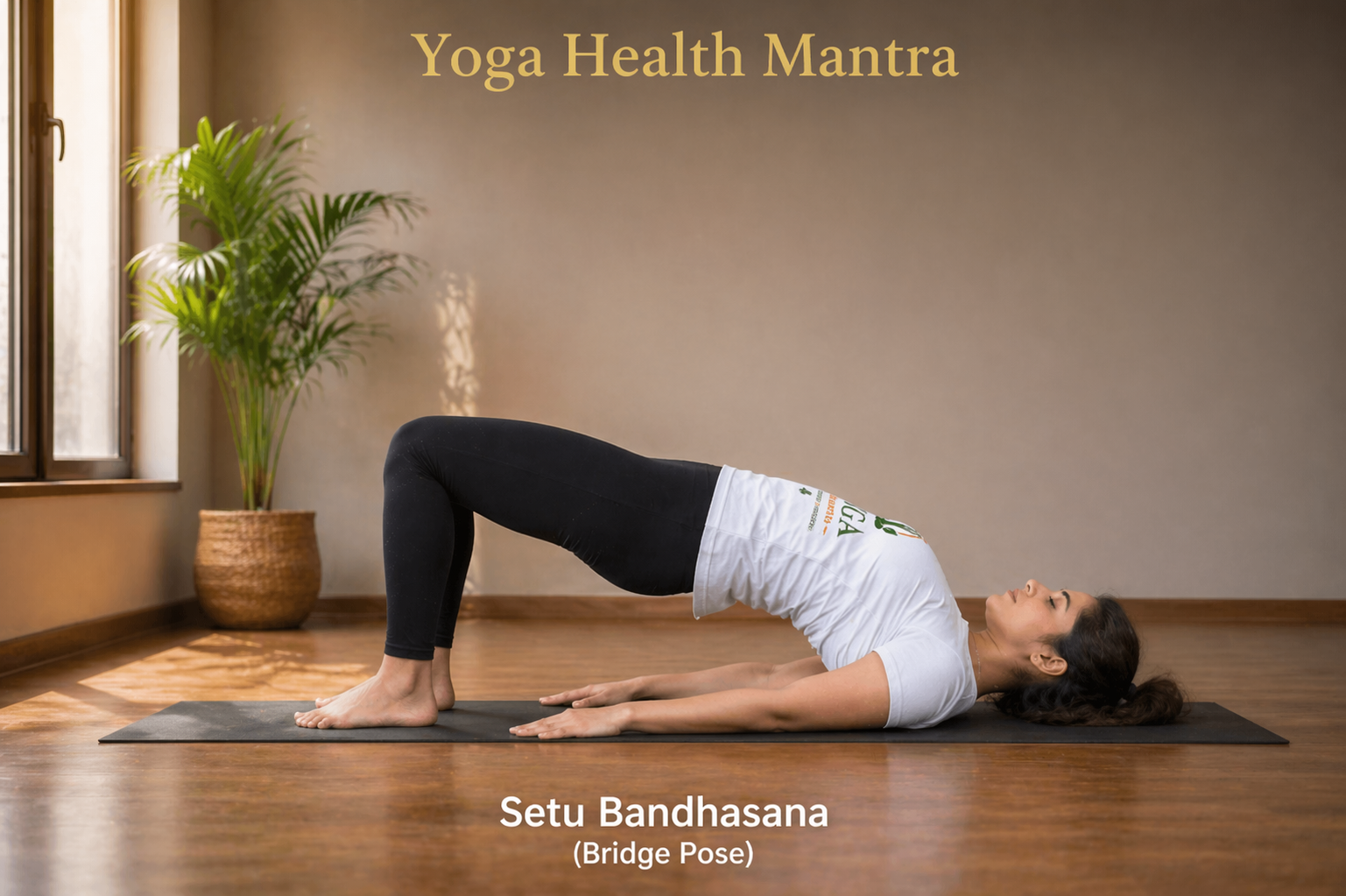
How to do it:
- Lie on your back with your knees bent and feet flat on the floor, placed hip-width apart.
- Keep your arms alongside your body with palms facing down.
- Press your feet firmly into the mat and slowly lift your hips toward the ceiling.
- Clasp your hands underneath your back and gently roll your shoulders inward for support.
- Keep your neck relaxed and avoid turning your head.
- Hold the pose for 30 seconds to 1 minute while breathing deeply.
- Exhale slowly and lower your spine back down in a controlled manner.
Quick Overview
- Gentle backbend that opens the chest and abdomen
- May support circulation to internal organs
- Encourages relaxation and steady breathing
- Supports flexibility and spinal strength
- Suitable for regular, mindful practice
Gomukhasana (Cow Face Pose)
Why it works: This seated posture provides a deep stretch for the shoulders, chest, and hips while also creating gentle compression in the abdominal region. This may help support better blood circulation around internal organs, including the liver, and contribute to improved metabolic function over time.
Gomukhasana also encourages proper posture and mindful breathing, which can enhance body awareness and support overall balance when practiced regularly. Since maintaining good posture plays an important role in reducing physical strain, incorporating supportive practices like yoga for back pain relief can further improve alignment and comfort.

How to do it:
- Sit with your legs extended straight in front of you.
- Cross your right leg over your left, bringing your right heel toward the outside of your left hip.
- Stack your knees one over the other as comfortably as possible.
- Keep your spine tall and shoulders relaxed.
- Breathe deeply and hold the position for about 30 seconds.
- Release gently and repeat on the other side by switching the leg position.
Quick Overview
- Seated pose that stretches shoulders and hips
- May support circulation in the abdominal region
- Encourages better posture and breathing control
- Helps improve flexibility and body alignment
- Effective when practiced slowly and consistently
The Breath: Pranayama for Liver Support
Asanas are only one part of the practice. Pranayama, or controlled breathing, plays an equally important role by working from within the body. It helps improve oxygen flow, supports relaxation, and may assist overall metabolic balance when practiced consistently. To understand how different breathing techniques work and how to practice them correctly, you can explore pranayama methods and their benefits.
Kapalbhati Pranayama (Skull Shining Breath)
This is an active and energizing breathing technique rather than a calming one. It focuses on controlled, rhythmic exhalations that engage the abdominal muscles.
Why it works: Kapalbhati involves repeated contraction of the lower abdomen, creating a gentle pumping effect in the abdominal region. This action may help stimulate internal organs and support digestion and metabolism over time. It can also improve breathing control and increase overall awareness when practiced correctly.

How to do it:
- Sit comfortably in a cross-legged position with your spine straight.
- Take a slow, deep inhale.
- Exhale forcefully by contracting your lower belly, pushing the air out through your nose.
- Allow the inhale to happen naturally without effort.
- Focus on strong, short, rhythmic exhales.
- Start with 20–30 repetitions, then relax and take a normal breath.
- Practice 2–3 rounds as per your comfort level.
Quick Overview
- Pranayama supports internal balance and oxygen flow
- Kapalbhati is an active, energizing breathing technique
- Engages abdominal muscles through rhythmic exhalation
- May support digestion and metabolic activity
- Best practiced gently and with proper awareness
Anulom Vilom (Alternate Nostril Breathing)
This is a calming and restorative breathing technique that helps bring balance to both the body and mind. It is commonly practiced to relax the nervous system and improve overall breathing patterns.
Why it works: Ongoing stress can influence several body functions, including metabolism and digestion. Anulom Vilom helps activate the body’s natural relaxation response, which may support hormonal balance and reduce unnecessary cravings. With regular practice, it can contribute to a calmer mind and better internal coordination.
Since relaxation and sleep quality are closely connected, including calming practices like a natural yoga routine for better sleep can further enhance the overall benefits of this breathing technique.

How to do it:
- Sit comfortably with your spine straight and shoulders relaxed.
- Place your left hand on your knee in a relaxed position.
- Use your right thumb to gently close your right nostril.
- Inhale slowly and deeply through your left nostril.
- Now close your left nostril using your ring finger and release your thumb.
- Exhale slowly through your right nostril.
- Inhale through the right nostril, then close it and exhale through the left.
- This completes one round. Practice 9–12 rounds at a comfortable pace.
Quick Overview
- Calming breathing technique for mental and physical balance
- May help reduce stress and support relaxation
- Encourages steady and controlled breathing patterns
- Supports overall well-being and internal harmony
- Simple to practice daily for consistent benefits
The Holistic Lifestyle for Reversing Fatty Liver
Yoga is powerful, but it works best when combined with the right lifestyle. If unhealthy habits continue, results may stay limited. A complete approach—diet, movement, sleep, and awareness—is essential for supporting liver health naturally.
1. Adopt a “Liver-Loving” Diet
What you eat directly affects your liver. Choosing clean, whole foods can make a meaningful difference over time.
- Eat Real, Whole Foods: Focus on vegetables, whole fruits (not juices), lean proteins like fish, chicken, and legumes, along with healthy fats.
- Follow Mediterranean Principles: A balanced eating style rich in olive oil, nuts, fish, whole grains, and leafy greens may support better metabolic health. Following a structured and practical approach like a balanced yoga-based diet plan can make it easier to stay consistent.
- Choose Healthy Fats: Natural fats like ghee, coconut oil, and olive oil can be included in moderation as part of a balanced diet.
- Avoid Liver Stressors: Limit refined carbs, sugary drinks, fried foods, and processed items. Following scientifically backed nutrition patterns like the Healthy Eating Plate approach can support long-term metabolic and liver health.
- Include Natural Support Foods: Ingredients like turmeric, garlic, and green tea are commonly included in a supportive and balanced diet.
2. Stay Properly Hydrated
Water supports many internal processes, including digestion and nutrient transport. Drinking enough water throughout the day helps maintain overall balance. Starting your morning with warm water can be a simple and effective habit.
3. Prioritize Quality Sleep
Rest is essential for recovery and internal balance. A consistent sleep routine may support better metabolism and overall well-being.
4. Move Your Body Daily
Regular movement supports metabolism and energy balance. Activities like walking, light exercise, or yoga can be effective when done consistently.
5. Avoid Alcohol
If you are working toward better liver health, reducing or avoiding alcohol can be an important step. It helps lower additional strain on the liver and supports recovery.
6. Track Your Progress
Fatty liver often shows no clear symptoms, so regular health check-ups can help you stay informed. Monitoring through medical tests and professional guidance ensures you are moving in the right direction.
Quick Overview
- Diet plays a major role in liver health improvement
- Hydration supports overall body balance
- Quality sleep is essential for recovery
- Daily movement helps maintain metabolism
- Reducing alcohol supports liver function
- Regular tracking helps monitor progress
Your Simple Weekly Routine
To start seeing gradual and sustainable results, consistency matters more than intensity. A simple, realistic routine that fits into your daily life is easier to follow and maintain over time.
Morning (10 Minutes)
Begin your day with light breathing practices to gently activate your system.
- 5 rounds of Kapalbhati Pranayama (as per your comfort)
- Follow with 5 minutes of slow, deep breathing to relax the body
If you’re just getting started, building a steady habit is more important than doing everything perfectly. Following a simple daily yoga routine for beginners can help you stay consistent and develop a strong foundation over time.
Evening (30 Minutes)
Set aside time in the evening for a short yoga session focusing on the asanas you’ve learned.
- Practice a mini-flow of the key poses listed above
- Hold each pose for 15–30 seconds
- Move slowly and stay mindful of your breath
Daily Activity
Add light movement to your daily routine to support metabolism and overall energy balance.
- Walk for 20–30 minutes, especially after your main meal
Weekly Plan
While consistency is key, practicing with the right technique is equally important. Being aware of common mistakes through resources like safe yoga practice tips for beginners can help you avoid injuries and improve your overall results.
- Aim to practice yoga 4–5 days per week
- On rest days, focus on walking or light physical activity
- Choose a routine that feels sustainable rather than overwhelming
Quick Overview
- Simple routine focused on consistency, not intensity
- Morning breathing to activate the body
- Evening yoga flow for flexibility and balance
- Daily walking supports metabolism
- Weekly consistency leads to long-term results
Your Frequently Asked Questions Answered
Can I do yoga if I’ve never done it before?
Absolutely. Most of the poses shared here can be adapted for beginners. The goal is not perfection, but awareness and comfort. Move slowly, stay within a pain-free range, and allow your body to adjust over time. To build a clear understanding from the basics, you can explore this complete beginner yoga guide.
How long until I see results?
With consistent effort—combining yoga, balanced eating, and daily movement—many people begin to notice improvements in energy and overall well-being within a few weeks. Changes in health markers can vary, but long-term consistency is what truly creates results.
Can yoga completely cure fatty liver?
Fatty liver is often manageable and may be reversible in its early stages with the right lifestyle approach. Yoga supports this process by improving balance, reducing stress, and encouraging healthier habits. However, it works best alongside proper nutrition and professional guidance.
Are there any poses I should avoid?
While most yoga practices are safe when done correctly, individuals with specific health conditions should be cautious. It’s always a good idea to move mindfully and stay within your limits.
Should I eat before practicing?
It’s generally recommended to practice yoga on an empty stomach or at least 2–3 hours after a meal. This allows your body to focus fully on movement and breathing without discomfort.
Your First Step Starts Today
Fatty liver is not something to ignore—but it’s also not something to fear. It’s simply a signal from your body that small changes are needed. The positive part is that your body can respond well when you support it consistently.
You don’t need to change everything at once. Start small—try a simple pose, go for a short walk, or make one healthier food choice today. These small steps build momentum over time. Staying consistent with the basics you’ve learned is what truly makes a difference.
Your challenge for this week:
- Replace one processed snack with a natural option like fruits or nuts
- Practice Anulom Vilom for a few minutes before sleep
- Try a simple yoga pose 2–3 times during the week
With time, these small habits can lead to better energy levels, improved balance, and a healthier overall lifestyle. Stay patient, stay consistent, and allow your body to adapt naturally.
Medical Disclaimer
This content is for informational purposes only and should not be considered medical advice. Always consult a qualified healthcare professional before starting any new diet, exercise, or wellness routine, especially if you have an existing medical condition.
Quick Overview
- Yoga is suitable for beginners with proper guidance
- Results depend on consistency and lifestyle habits
- Yoga supports but does not replace medical care
- Safe practice and awareness are important
- Small steps can lead to long-term improvements