
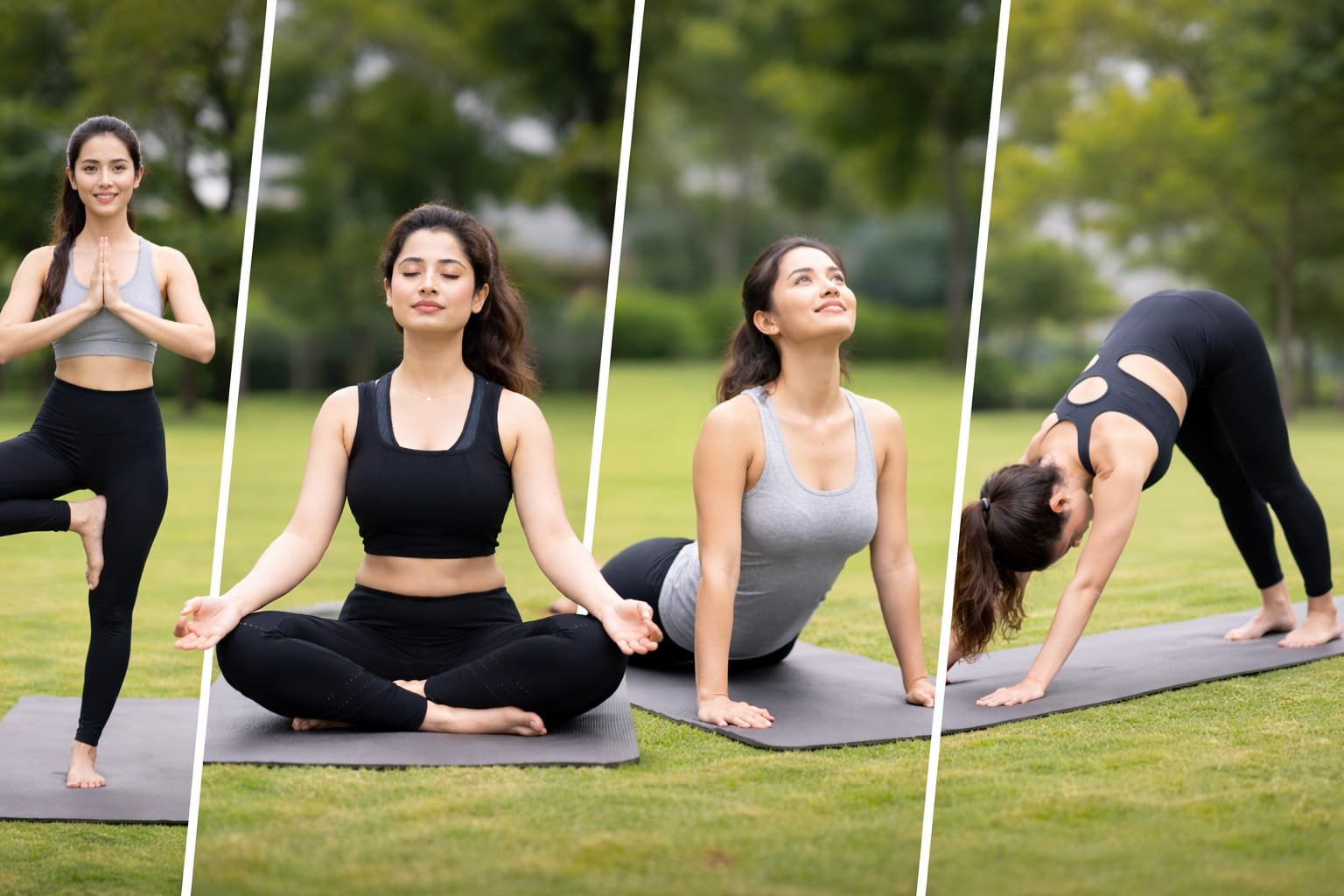
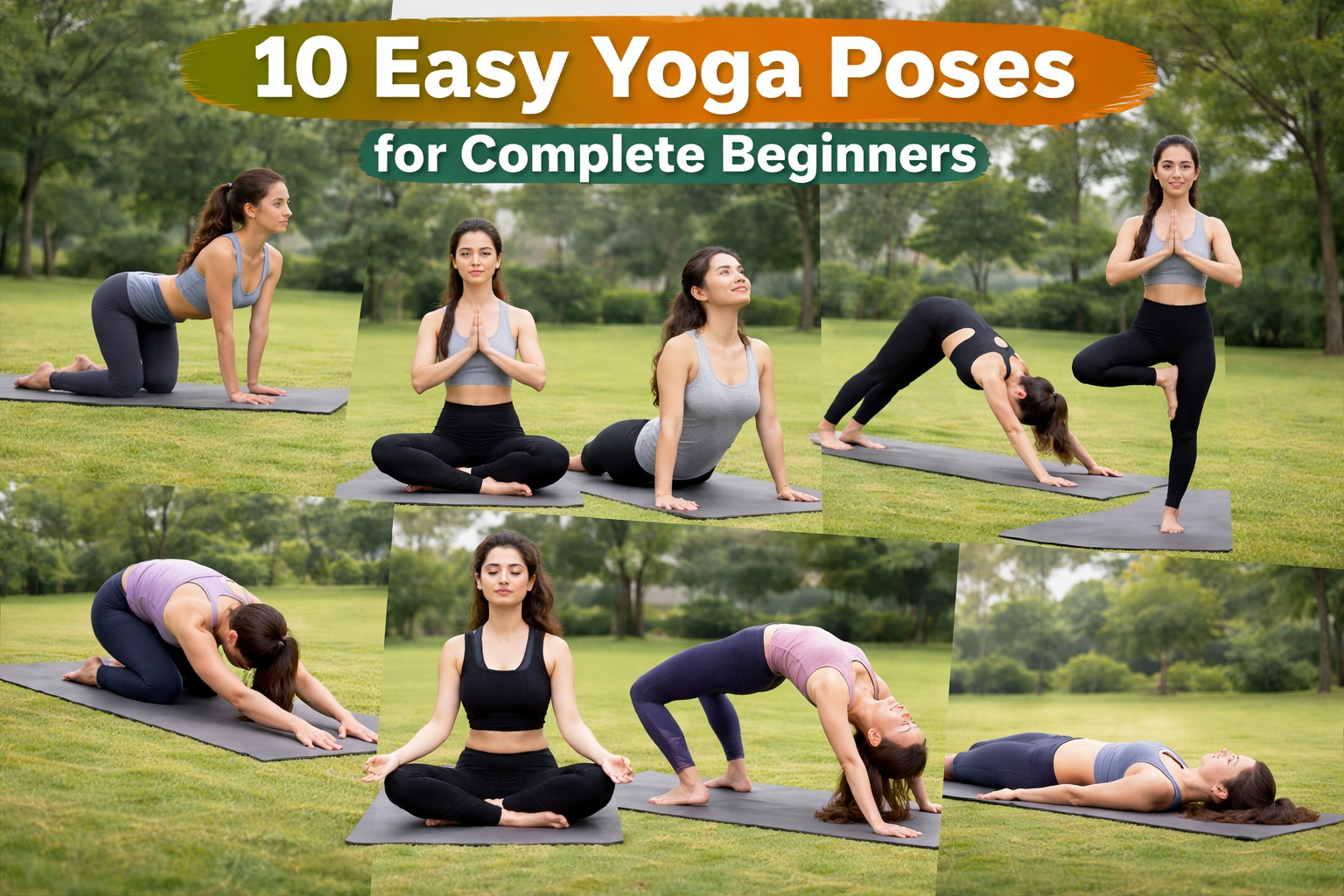
Introduction
Hair fall has become a common concern in today’s fast-paced lifestyle. Factors like stress, hormonal changes, environmental exposure, and poor nutrition quietly affect overall health—and hair is often one of the first areas to reflect these changes. When the body is out of balance, it can lead to increased hair shedding and a gradual decline in hair quality.
Many people rely on expensive products and temporary treatments, but the results are often short-lived. This is because the underlying cause usually lies within the body rather than on the surface. Long-term improvement depends on restoring internal balance, a concept that is closely associated with the foundations of yoga and holistic health practices, where the body, mind, and breath are considered interconnected.
Yoga provides a natural and sustainable way to support hair health by improving blood circulation to the scalp, calming the nervous system, supporting hormonal balance, and enhancing digestion. These internal improvements create a more stable environment for hair follicles to function effectively. Research and health insights, including observations discussed in studies on hair loss and the role of circulation and stress, also suggest that reduced stress levels and improved blood flow contribute to stronger and healthier hair.
This guide explores how yoga supports hair growth from within, focusing on practical understanding rather than quick fixes. With consistent practice, it becomes possible to gradually reduce hair fall and support healthier, stronger hair over time.
Why Does Hair Fall Happen?
Hair loss, medically known as alopecia, is usually not caused by a single reason. While genetics—such as androgenic alopecia—can influence hair thinning, everyday lifestyle habits often play an equally important role. In most cases, hair fall develops due to a combination of internal imbalances rather than one isolated factor.
Understanding these root causes is important because focusing only on external treatments rarely brings lasting results. Internal health, including the impact of stress and emotional well-being, plays a significant role, as reflected in effects of stress and mental health on overall well-being. Medical perspectives, such as those outlined in common medical causes of hair loss and scalp conditions, also highlight how various internal and lifestyle-related factors contribute to hair fall.
Chronic Stress
Long-term stress increases cortisol levels, which can disrupt the natural hair growth cycle. This often pushes hair follicles into the resting phase, leading to noticeable hair shedding. Over time, unmanaged stress can weaken overall scalp health and slow down regrowth.
Hormonal Imbalances
Hormones regulate many essential functions, including hair growth. Imbalances in thyroid hormones, estrogen, or testosterone can lead to thinning and increased shedding. Conditions such as PCOS or thyroid disorders often disturb the hair cycle, resulting in weaker strands and slower regrowth.
Poor Blood Circulation
Hair follicles rely on a steady supply of oxygen and nutrients through proper blood circulation. A sedentary lifestyle or lack of movement can reduce this flow, limiting nourishment to the scalp and making hair more prone to weakness and breakage.
Digestive Issues
Healthy digestion plays a key role in maintaining strong hair. When the digestive system is not functioning efficiently, the body struggles to absorb essential nutrients like iron, protein, and vitamins, which directly affects hair strength and growth.
Nutritional Deficiencies
Hair requires a consistent supply of nutrients to remain healthy. Deficiencies in iron, zinc, Vitamin D, and omega-3 fatty acids can weaken hair structure and slow down the growth cycle. Over time, this may lead to thinning, breakage, and increased hair fall.
How Yoga Naturally Stimulates Hair Growth
Yoga doesn’t just focus on one problem—it works on the body as a whole. When your body starts functioning in balance, hair health improves naturally. Instead of relying on quick fixes, yoga supports circulation, calms the mind, and helps maintain internal stability. This is also seen in practices like pranayama techniques that enhance oxygen flow and mental stability, which are known to support overall scalp health by improving internal function.
1. Improved Blood Circulation to the Scalp
One of the main reasons yoga helps with hair growth is better blood flow to the scalp. Forward bends and inversion poses gently guide blood toward the head, allowing hair follicles to receive more oxygen and essential nutrients.
With regular practice, this improved nourishment helps strengthen the roots and supports healthier hair growth. Over time, the scalp becomes more balanced, which makes it easier for hair to grow naturally.
2. Reduction of Stress Hormones
Stress is one of the most common yet often overlooked reasons behind hair fall. When the body stays under constant pressure, it produces higher levels of cortisol—the main stress hormone. Over time, this can disturb the natural hair growth cycle and lead to increased shedding.
Yoga helps bring the body into a more relaxed state through gentle movement and controlled breathing. This shift supports the “rest and recover” mode of the body, allowing it to move away from constant stress. This connection is also reflected in yoga practices that reduce stress and improve mental balance, where calming techniques support overall stability. Health research, including observations discussed in effects of yoga on stress reduction and hormonal balance, also shows that regular practice can help lower cortisol levels.
As stress levels begin to settle, the body can focus more on repair and recovery. This helps support the natural hair growth cycle, leading to reduced hair fall and gradually stronger, healthier hair over time.
3. Balancing the Endocrine (Hormonal) System
Hormonal balance plays an important role in maintaining healthy hair growth. The endocrine system—including glands like the thyroid, pituitary, and adrenal glands—helps regulate metabolism, growth cycles, and overall internal balance. When these hormones are not in balance, it can affect hair strength, thickness, and growth patterns.
Certain yoga poses gently support these glands, especially in the neck and throat area. For example, poses like Sarvangasana (Shoulder Stand) help improve blood flow around the thyroid gland. Since the thyroid influences how efficiently the body functions at a cellular level, it also affects how well hair follicles perform. This connection is reflected in yoga poses that help balance thyroid function and hormones, where specific movements are used to support internal balance. Medical insights, including those discussed in how thyroid imbalance affects hair thinning and hair loss, also highlight how hormonal changes influence hair health.
As hormonal balance improves, the hair growth cycle becomes more stable. This can help reduce thinning, breakage, and excessive shedding. With regular practice, yoga supports a more balanced internal environment, allowing hair to grow stronger and healthier over time.
4. Detoxification & Enhanced Oxygenation
Yoga also supports hair growth by helping the body function more efficiently from within. Gentle movements like twisting and forward bends stimulate internal organs such as the liver, kidneys, and digestive system. When these organs work properly, the body is better able to remove waste and maintain internal balance.
Breathing practices, especially pranayama, further support this process by improving oxygen intake. With better oxygen supply, hair follicles receive the nourishment they need to stay active and healthy. Controlled breathing also helps maintain steady circulation and overall energy balance.
As the body becomes cleaner internally and oxygen levels improve, the scalp environment also benefits. This can help reduce issues like buildup, irritation, and dryness that may affect hair roots. Over time, a balanced internal system supports stronger and more consistent hair growth.
10 Powerful Yoga Poses for Hair Growth
For visible improvement in hair health, consistency matters more than intensity. A simple and regular yoga routine, combined with steady breathing, helps support circulation, reduce stress, and maintain internal balance. Over time, this creates the right conditions for stronger and healthier hair growth in a natural and sustainable way.
1. Sirsasana (Headstand Pose)
Sirsasana, often called the “King of Asanas,” is one of the most effective inversion poses in yoga. By reversing the direction of blood flow, it allows more oxygen and nutrients to reach the scalp, which helps support hair follicles and overall hair strength.
With regular and careful practice, this improved nourishment can help activate weaker follicles and support healthier hair growth over time.
Difficulty: Advanced. This pose requires strength, balance, and proper alignment. Beginners should first build a foundation with preparatory poses before attempting it.
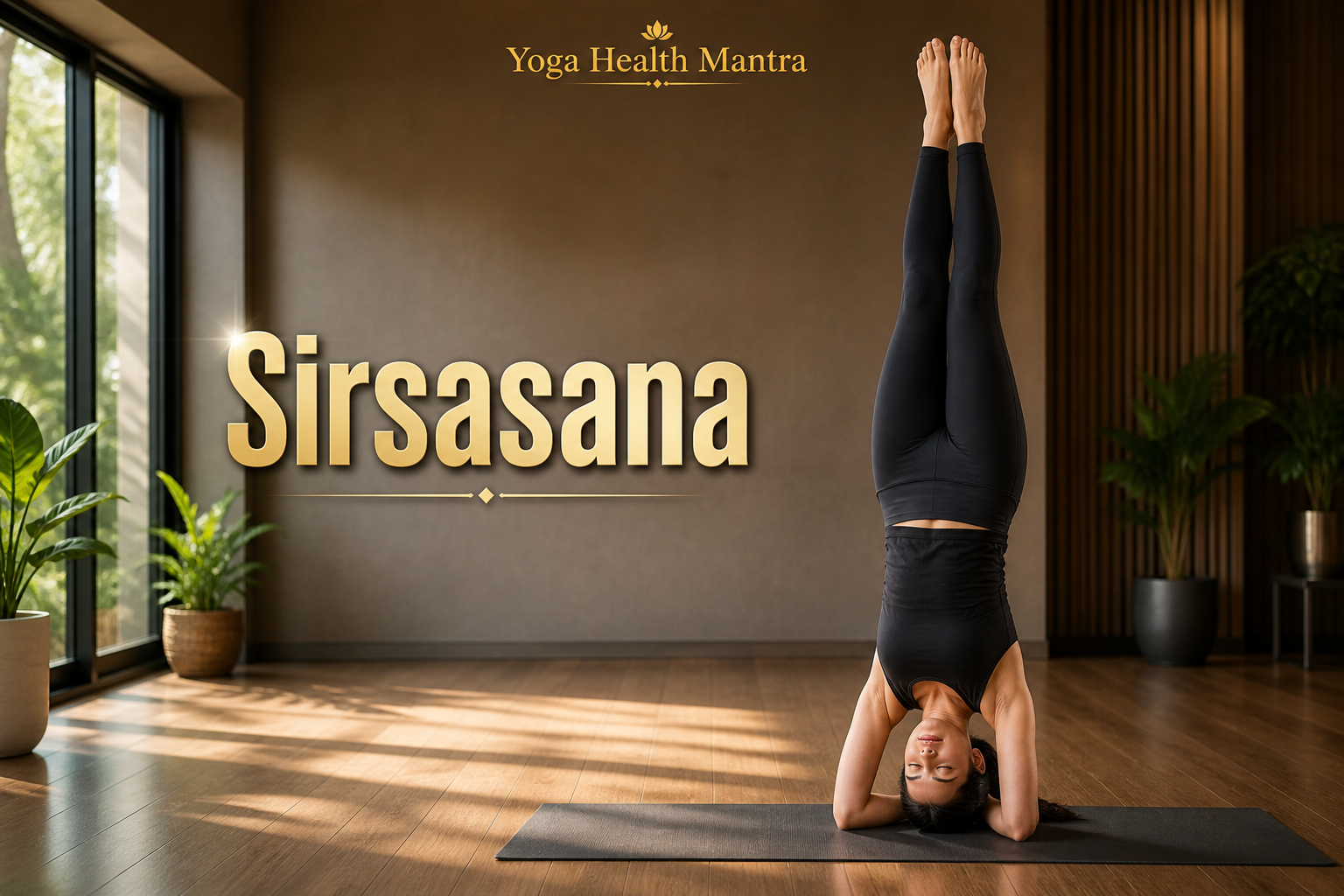
How to Practice:
- Kneel on the floor and interlace your fingers, placing your forearms firmly on the mat.
- Gently place the crown of your head on the floor, supported by your hands.
- Straighten your knees and slowly walk your feet closer to your body.
- Engage your core and carefully lift your legs into a vertical position.
- Hold the pose for 20–30 seconds with steady breathing, and increase the duration gradually.
- To come out, lower your legs slowly with control to avoid any strain.
When practiced with proper alignment, Sirsasana helps improve blood flow toward the scalp and supports overall balance in the body. It is important to move slowly and stay aware of your body to avoid unnecessary pressure on the neck and shoulders.
2. Sarvangasana (Shoulder Stand Pose)
Sarvangasana, often called the “Queen of Asanas,” is a gentle inversion that supports overall balance in the body. By directing blood flow toward the upper body, it helps nourish the scalp and also stimulates the thyroid gland, which plays an important role in metabolism and hair growth.
With regular practice, this pose can help strengthen hair roots and support a more stable growth cycle. The link between thyroid function and hair health is well recognized, and this is also reflected in yoga poses designed to support thyroid balance and hormonal stability, where gentle movements are used to improve internal regulation.
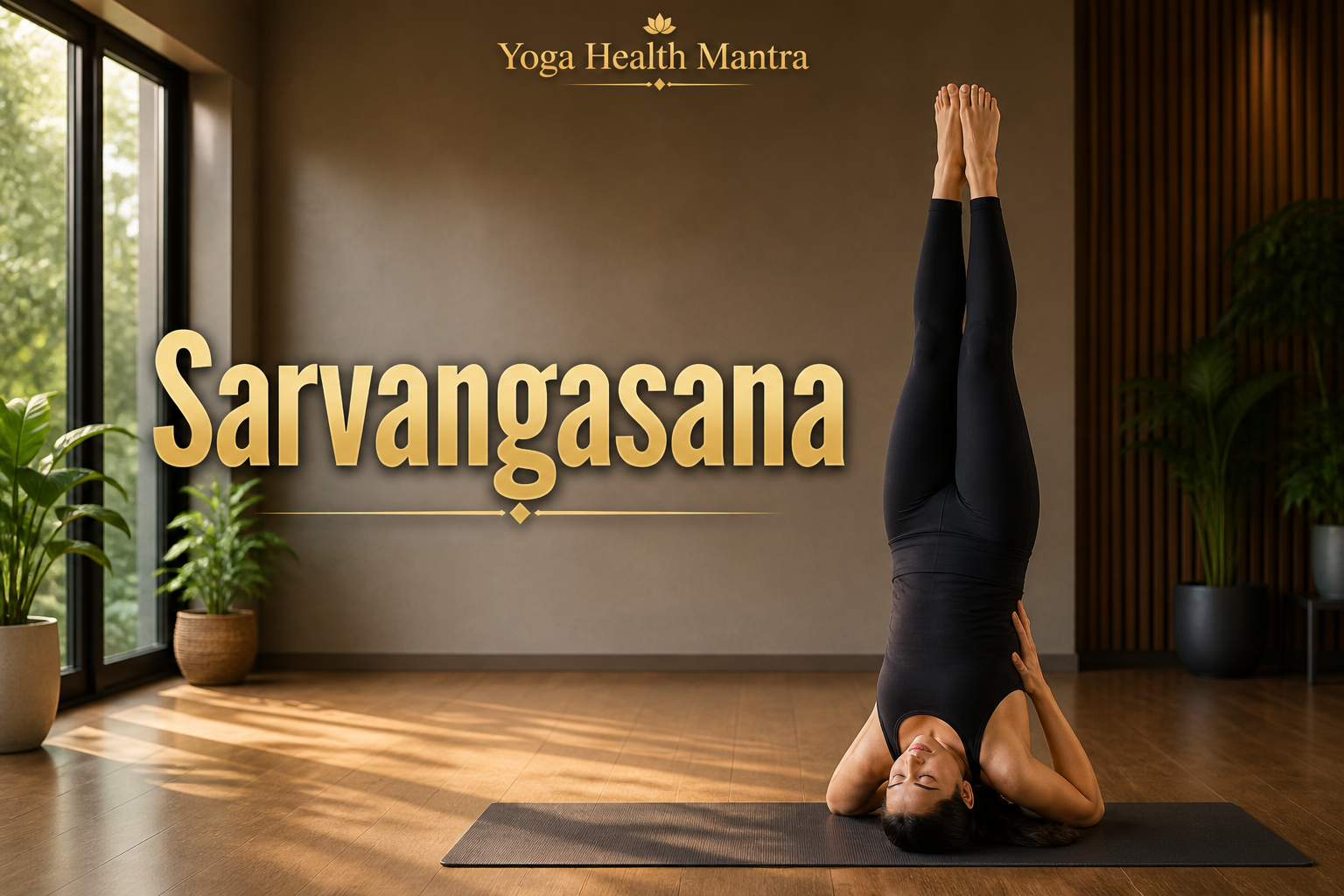
How to Practice:
- Lie flat on your back with your arms resting beside your body.
- Press your palms into the floor and slowly lift your legs and hips upward.
- Support your lower back with your hands, keeping your elbows shoulder-width apart.
- Lift your torso so it forms a straight line, with your legs extended upward.
- Hold the position for up to 1 minute while breathing steadily.
- Slowly lower your body back to the floor with control to avoid strain.
Sarvangasana is slightly easier than a full headstand, but it still requires proper alignment and awareness. With regular practice, it supports overall balance in the body and helps maintain a healthy environment for stronger hair over time.
3. Uttanasana (Standing Forward Bend Pose)
Uttanasana is a simple yet effective forward-bending pose that helps relax both the body and the mind. As a mild inversion, it allows the head to come below the heart, which gently supports better nourishment to the scalp and hair roots.
Along with its physical benefits, Uttanasana also helps reduce mental fatigue and calm the nervous system. Gentle forward bends like this are often part of morning yoga routines that enhance flexibility and activate circulation, where they help release built-up tension and prepare the body for the day.
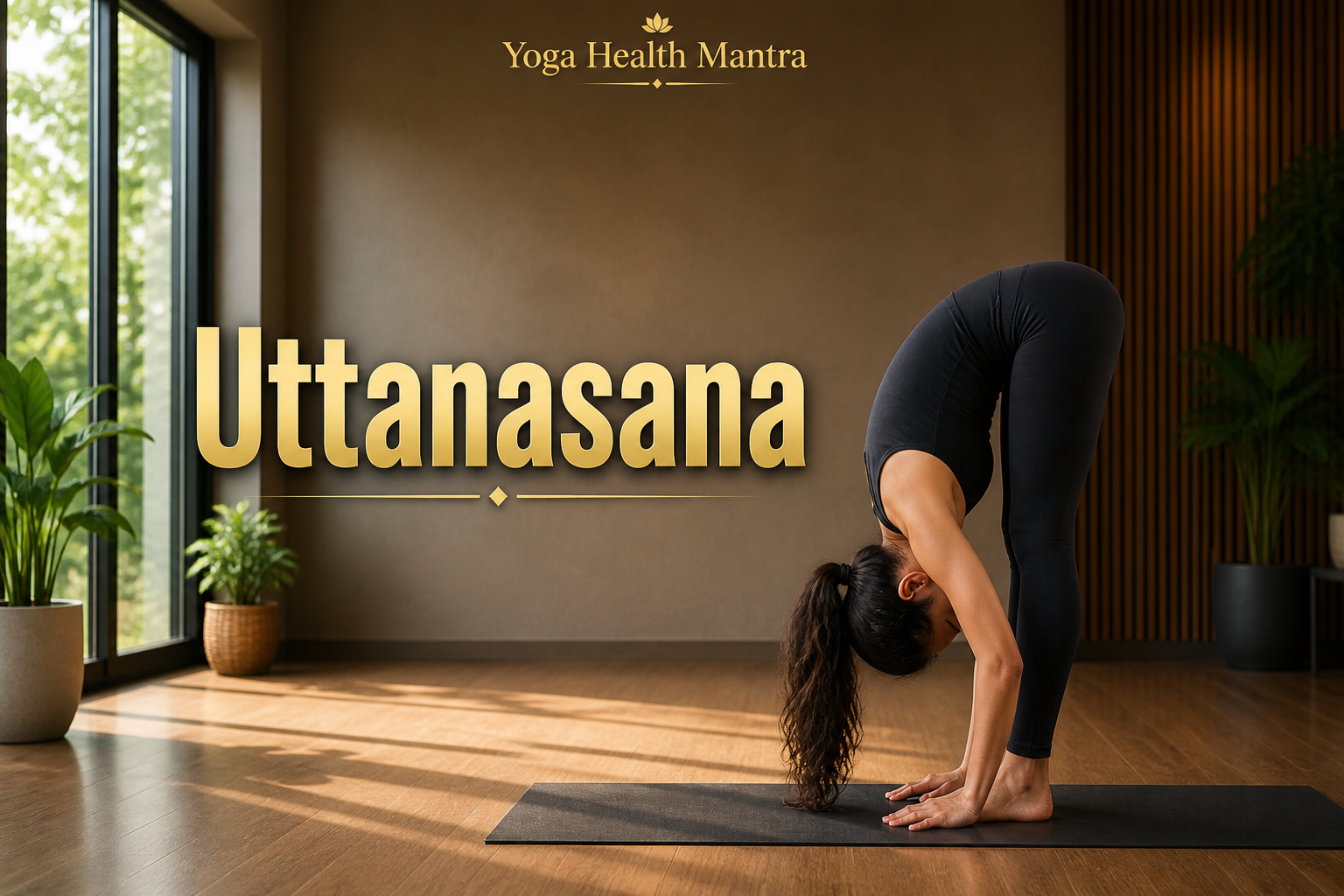
How to Practice:
- Stand upright with your feet hip-width apart and keep your body relaxed.
- Exhale slowly and bend forward from your hips, keeping your spine long.
- Let your head hang naturally toward the floor, releasing tension in the neck.
- Place your hands on the ground, hold your ankles, or gently clasp your elbows.
- Stay in the position for 30–45 seconds while breathing steadily.
With regular practice, Uttanasana helps improve flexibility and overall posture. It also supports relaxation, which plays an important role in maintaining healthy hair over time.
4. Adho Mukha Svanasana (Downward-Facing Dog Pose)
Adho Mukha Svanasana is a basic yet powerful yoga pose that combines a gentle inversion with full-body engagement. By lifting the hips and bringing the head below the heart, it supports better nourishment to the scalp and hair roots.
Along with its physical benefits, this pose also helps release built-up tension and reduce mental fatigue. When practiced regularly, it improves flexibility, supports smooth body movement, and helps create a more relaxed and balanced state within the body.
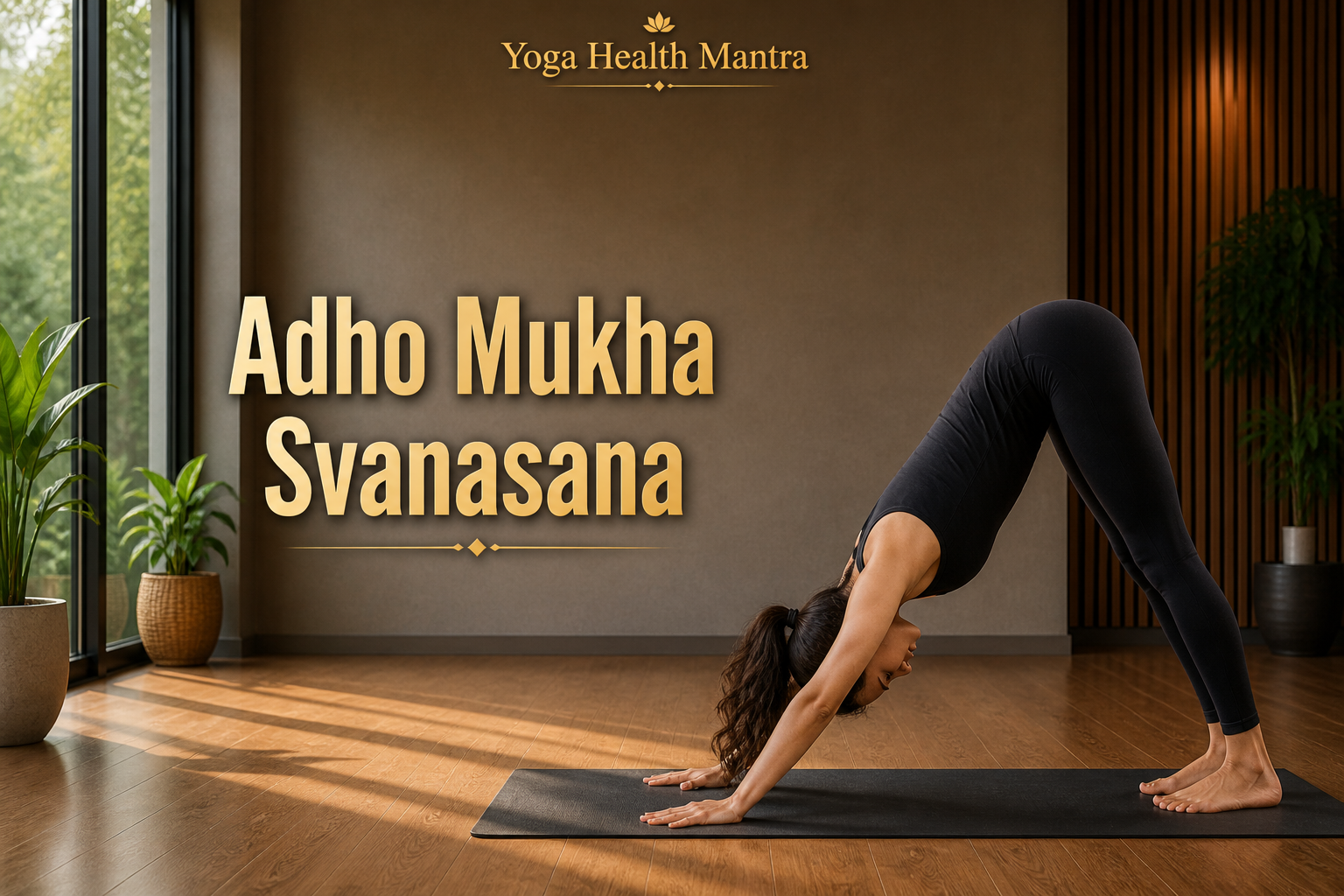
How to Practice:
- Start on your hands and knees, keeping your wrists under your shoulders and knees under your hips.
- Tuck your toes under, exhale, and slowly lift your hips upward to form an inverted “V” shape.
- Keep your arms straight and gently move your chest toward your thighs to lengthen the spine.
- Let your head relax naturally between your arms without straining the neck.
- Hold the pose for 5–8 deep breaths while maintaining steady breathing.
With regular practice, Adho Mukha Svanasana helps improve posture and flexibility. It also supports overall relaxation, which plays an important role in maintaining healthy hair over time.
5. Vajrasana (Thunderbolt or Diamond Pose)
Vajrasana is one of the few yoga poses that can be practiced immediately after meals, which makes it especially useful for supporting digestion. In terms of hair health, digestion plays an important role because the body depends on it to absorb essential nutrients like protein, iron, and vitamins. When this process works well, hair follicles receive better nourishment, leading to stronger and healthier growth.
The connection between digestion and hair quality is widely understood. This is also reflected in yoga-based diet routines that support digestion and nutrient absorption, where internal balance is linked to visible improvements in hair strength. Medical perspectives, such as those discussed in importance of efficient digestion for nutrient absorption and overall health, further highlight how proper digestion supports overall body function, including hair growth.
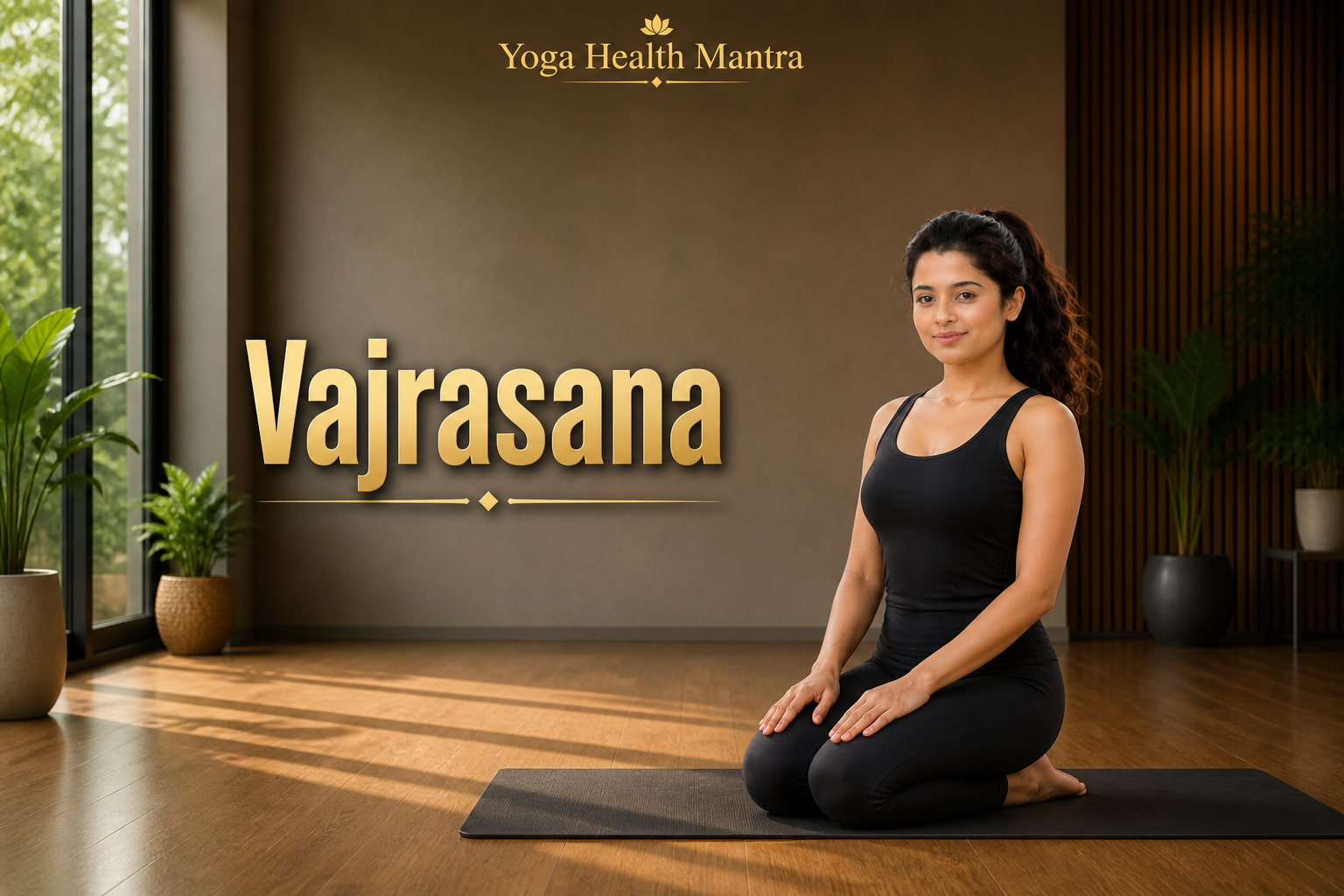
How to Practice:
- Kneel on the floor with your knees together and your feet slightly apart.
- Slowly sit back so your hips rest comfortably on your heels.
- Keep your spine straight and relaxed, placing your hands gently on your thighs.
- Breathe normally and stay in a calm, steady posture.
- Hold the position for 5–10 minutes, especially after meals.
With regular practice, Vajrasana helps support healthy digestion and overall balance in the body. Over time, this can contribute to better nourishment and stronger, healthier hair.
6. Balasana (Child’s Pose)
Balasana is a deeply relaxing posture that allows the body to slow down and rest. It is especially helpful when the body feels tired or under stress, as it brings a sense of calm and recovery.
Since stress is closely linked to hair fall, this kind of relaxation plays an important role in maintaining hair health. This calming effect is also reflected in evening yoga routines that support deep relaxation and better sleep quality, where gentle movements help release built-up tension and support recovery.
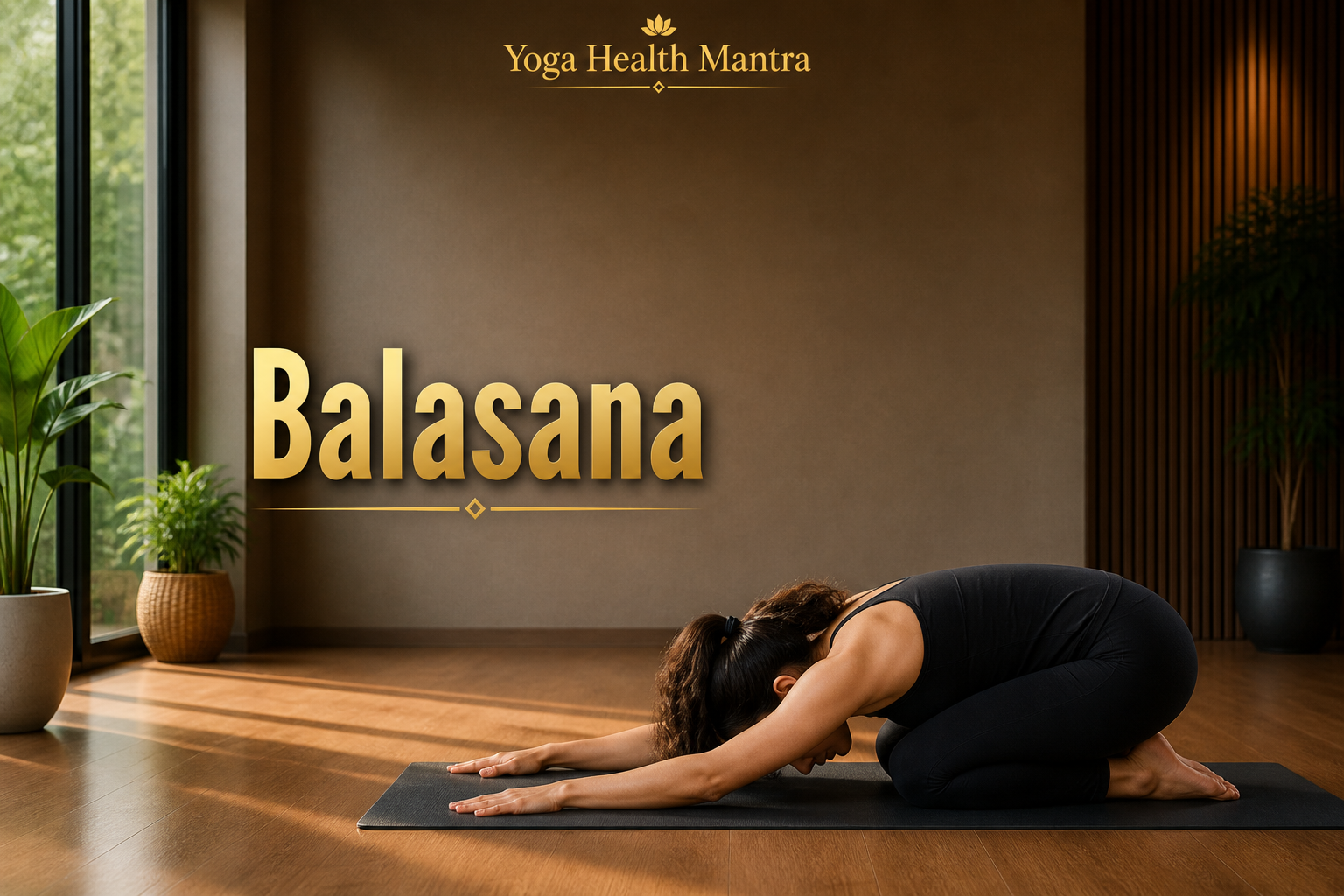
How to Practice:
- Kneel on the floor and bring your big toes together while sitting back on your heels.
- Keep your knees slightly apart for comfort.
- Gently lower your torso down between your thighs.
- Extend your arms forward or rest them alongside your body, whichever feels more comfortable.
- Relax fully and stay in the pose for 1–3 minutes while breathing slowly.
With regular practice, Balasana helps the body relax and recover from daily stress. Over time, this calm and balanced state supports overall well-being and contributes to healthier hair.
7. Bhujangasana (Cobra Pose)
Bhujangasana is a gentle backbend that opens the chest and throat, helping improve posture and release tightness in the upper body. It also supports better function in the neck region, which is linked to overall internal balance.
By lifting the chest and expanding the upper body, this pose helps energize the system and reduce fatigue. Backbending poses like Bhujangasana also improve flexibility and ease stiffness, helping the body feel more open and balanced over time.

How to Practice:
- Lie flat on your stomach with your legs extended and the tops of your feet resting on the mat.
- Place your hands under your shoulders, keeping your elbows close to your body.
- Press gently into your hands, inhale, and lift your chest while keeping your lower body grounded.
- Keep your shoulders relaxed and away from your ears, with a slight bend in the elbows.
- Hold the pose for 15–30 seconds while breathing steadily.
With regular practice, Bhujangasana helps improve flexibility and posture. It also supports a more relaxed and balanced state in the body, which is beneficial for overall hair health over time.
8. Matsyasana (Fish Pose)
Matsyasana is a gentle backbend that stretches the chest and throat area, often practiced as a counterpose to inversion poses like Sarvangasana. This opening helps release tightness in the upper body and supports better internal balance.
By creating space in the neck and chest region, this pose supports the natural function of glands in that area. When the body functions smoothly, it helps maintain a stable environment that supports healthy hair over time.
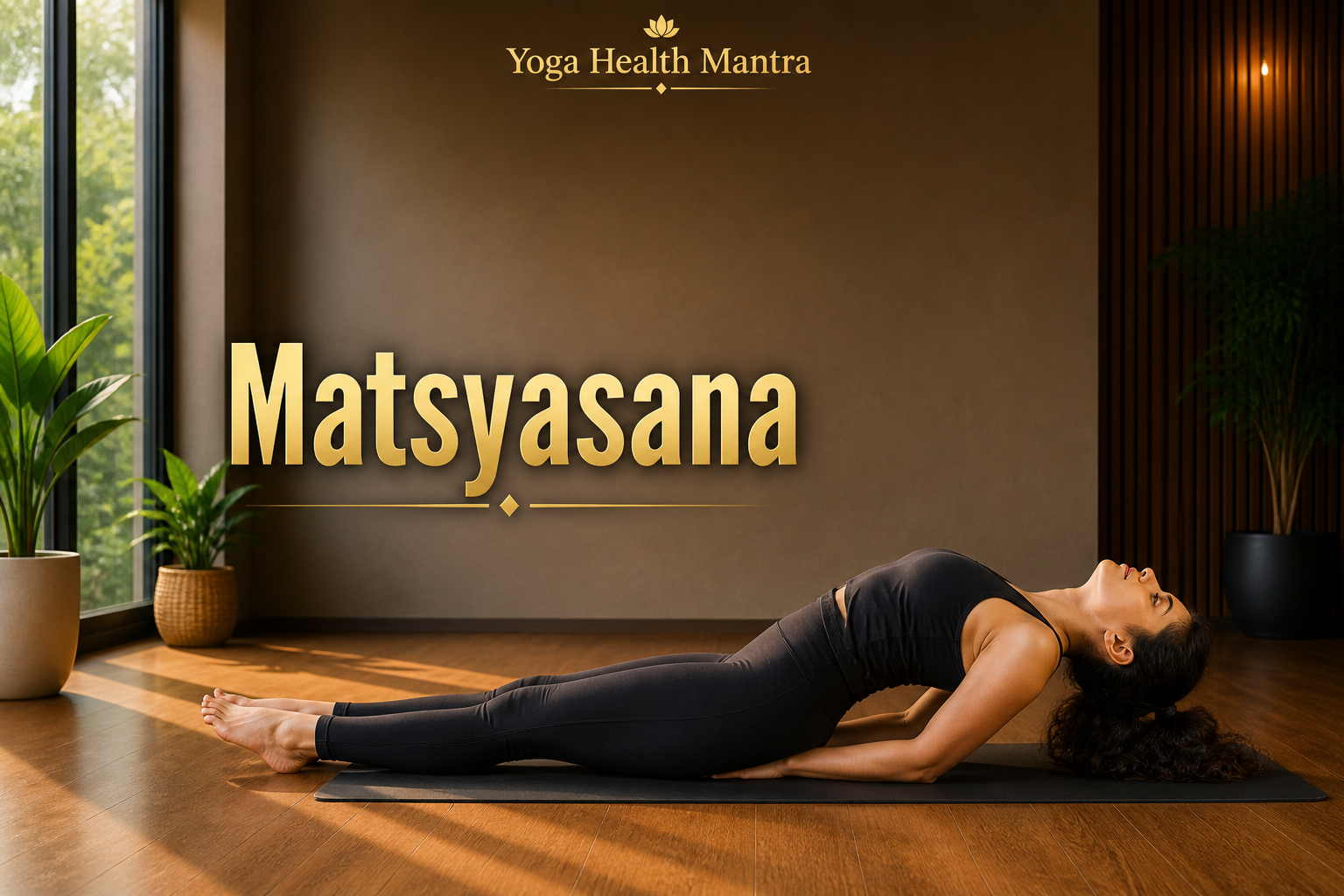
How to Practice:
- Lie flat on your back with your legs extended comfortably.
- Slide your hands under your hips with your palms facing down.
- Press your elbows into the floor and gently lift your chest upward.
- Arch your back slightly and bring the crown of your head toward the floor, keeping most of the weight on your elbows.
- Hold the pose for 15–30 seconds while breathing steadily.
With regular practice and proper alignment, Matsyasana helps open the chest and reduce stiffness in the upper body. Over time, this supports overall balance and contributes to healthier hair.
9. Pavanamuktasana (Wind-Relieving Pose)
Pavanamuktasana is a simple pose that supports better digestion, which plays an important role in overall hair health. When the digestive system works smoothly, the body can make better use of essential nutrients needed for strong and healthy hair.
By gently compressing the abdomen, this pose helps release discomfort and supports internal balance. This connection is also reflected in yoga techniques that support healthy digestion and reduce bloating, where improved digestion is linked to better overall well-being.
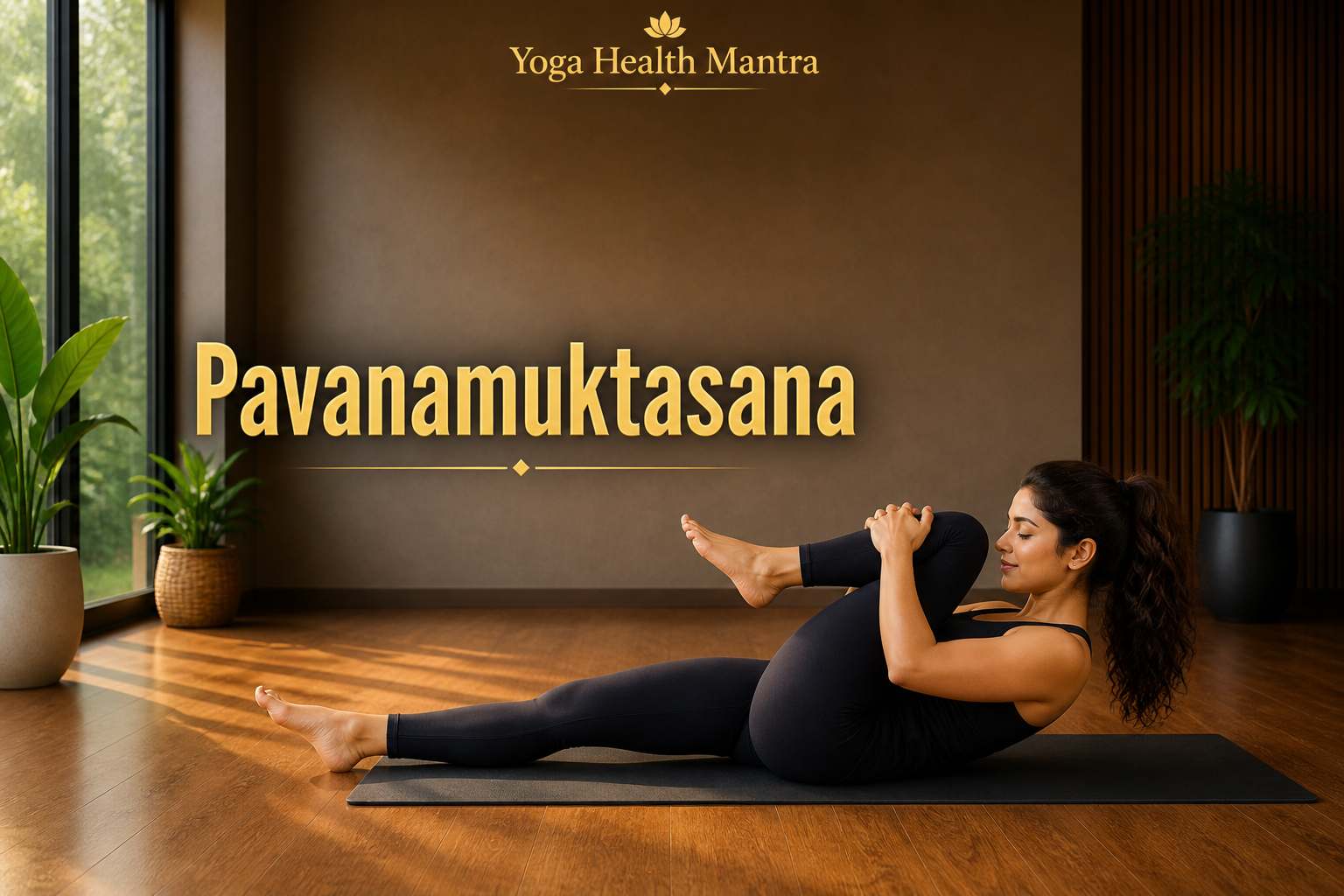
How to Practice:
- Lie flat on your back and relax your body.
- Inhale and bring your right knee toward your chest.
- Hold your knee comfortably with both hands.
- Exhale and gently pull the knee closer while lifting your head toward it.
- Hold for a few steady breaths, then release and repeat with the left leg.
With regular practice, Pavanamuktasana helps support a more balanced and comfortable digestive system. Over time, this supports overall well-being and contributes to healthier hair.
10. Balayam Yoga (Nail Rubbing Technique)
Balayam Yoga is a simple acupressure-based practice that focuses on stimulating nerve endings connected to the scalp. Although it is not a traditional yoga pose, it is often used as a supportive technique for improving hair strength and thickness.
The repeated movement of rubbing the fingernails is believed to activate pathways linked to hair follicles and support their natural function over time. This technique is often practiced along with beginner-friendly yoga routines that build body awareness and circulation, where it complements relaxation and overall balance in the body.

How to Practice:
- Sit comfortably in a cross-legged position like Sukhasana, keeping your spine straight and relaxed.
- Gently curl your fingers so that the nails of both hands face each other.
- Bring the nails together and start rubbing them in a steady, rhythmic motion.
- Continue for 5–7 minutes while breathing normally.
With regular practice, Balayam Yoga can support overall scalp activity and contribute to stronger, healthier-looking hair over time.
Pranayama (Breathwork) for Hair Growth and Scalp Health
Physical movement is only one part of improving hair health. Breathwork, or pranayama, plays an equally important role by calming the mind and supporting better oxygen flow in the body. When breathing becomes deeper and more controlled, the body functions more efficiently, which also supports overall scalp health.
Combining breathing practices with yoga creates a more balanced approach. Controlled breathing helps maintain internal stability, reduces mental tension, and supports the body’s natural ability to recover and stay balanced.
1. Kapalbhati Pranayama (Skull Shining Breath)
Kapalbhati is a dynamic breathing technique that focuses on active exhalation and natural inhalation. It helps improve breathing efficiency and gently activates the abdominal area.
The rhythmic movement of the abdomen supports internal function and helps the body feel more active and refreshed. Over time, this contributes to better overall balance, which also supports healthy hair.
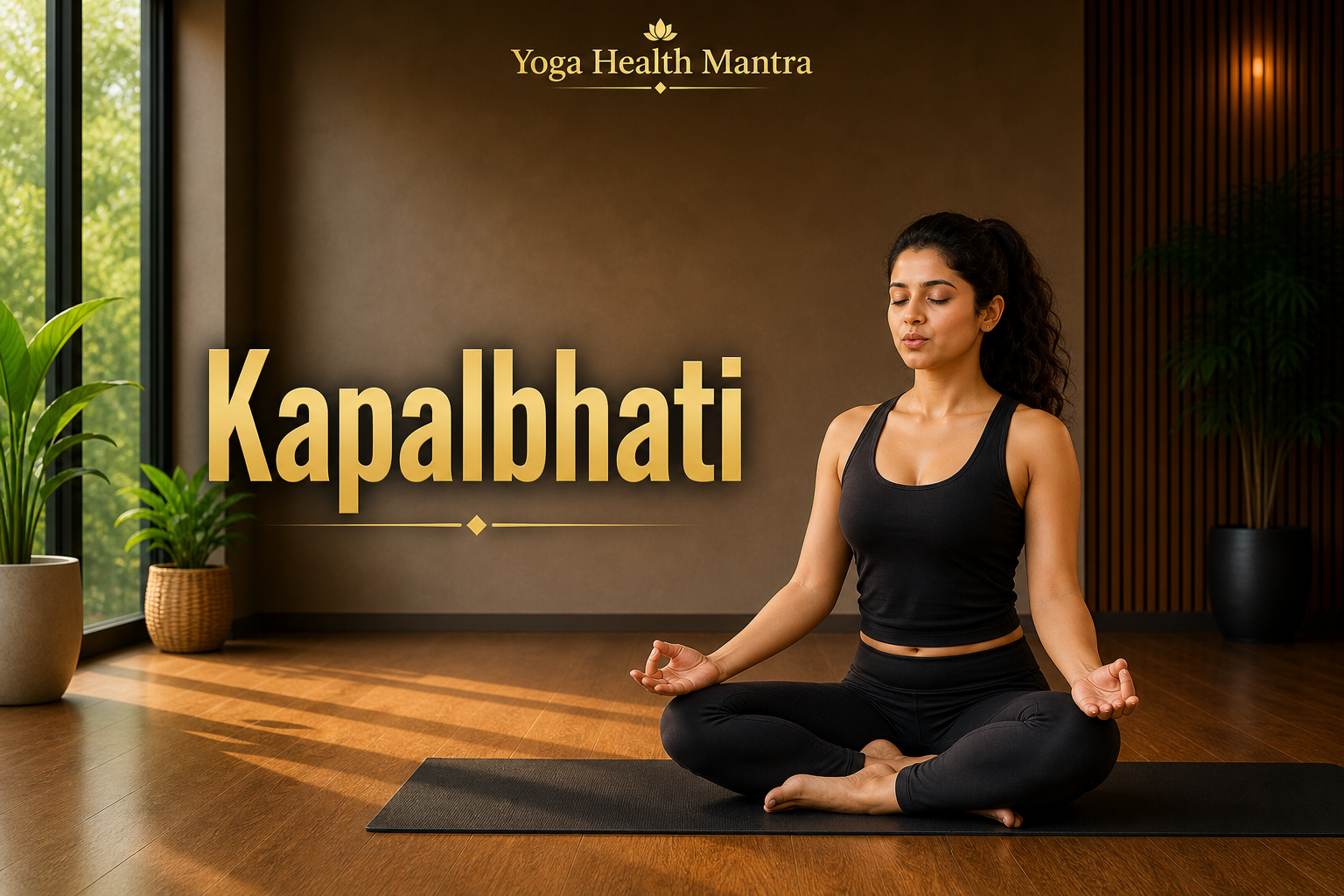
Technique:
- Sit comfortably in a cross-legged position with your spine straight.
- Take a normal inhale, then exhale forcefully by pulling your lower abdomen inward.
- Let the inhale happen naturally without effort.
- Continue this steady rhythm, focusing on controlled and sharp exhalations.
Hair Benefit:
With regular practice, Kapalbhati helps keep the body active and balanced from within. This supports a healthier scalp environment and contributes to stronger hair over time.
2. Anulom Vilom (Alternate Nostril Breathing)
Anulom Vilom is a simple and calming breathing technique that helps bring balance to the body and mind. By gently alternating the breath between both nostrils, it creates a steady and relaxed breathing pattern.
Regular practice of this technique helps reduce mental tension and promotes a sense of calm. Over time, this relaxed state supports overall balance in the body, which is also beneficial for maintaining healthy hair.

Technique:
- Sit comfortably with your spine straight and shoulders relaxed.
- Use your right thumb to gently close your right nostril.
- Inhale slowly through your left nostril.
- Close your left nostril with your ring finger, release the right nostril, and exhale through it.
- Inhale through the right nostril, then switch sides and exhale through the left.
- Continue this pattern in a slow and steady rhythm.
Hair Benefit:
With regular practice, Anulom Vilom helps create a calm and balanced state in the body. Over time, this supports overall well-being and contributes to healthier hair.
3. Bhramari Pranayama (Humming Bee Breath)
Bhramari Pranayama is a calming breathing technique that uses a gentle humming sound to relax the mind. This soft vibration helps release mental tension and creates a sense of inner calm.
This relaxed state plays an important role in reducing stress, which is often linked to hair fall. Bhramari is commonly included in yoga practices that improve sleep quality and deep relaxation, where calming techniques support recovery and overall well-being. Research, including findings discussed in effects of pranayama on nitric oxide production and blood circulation, also suggests that controlled breathing can support better internal function.
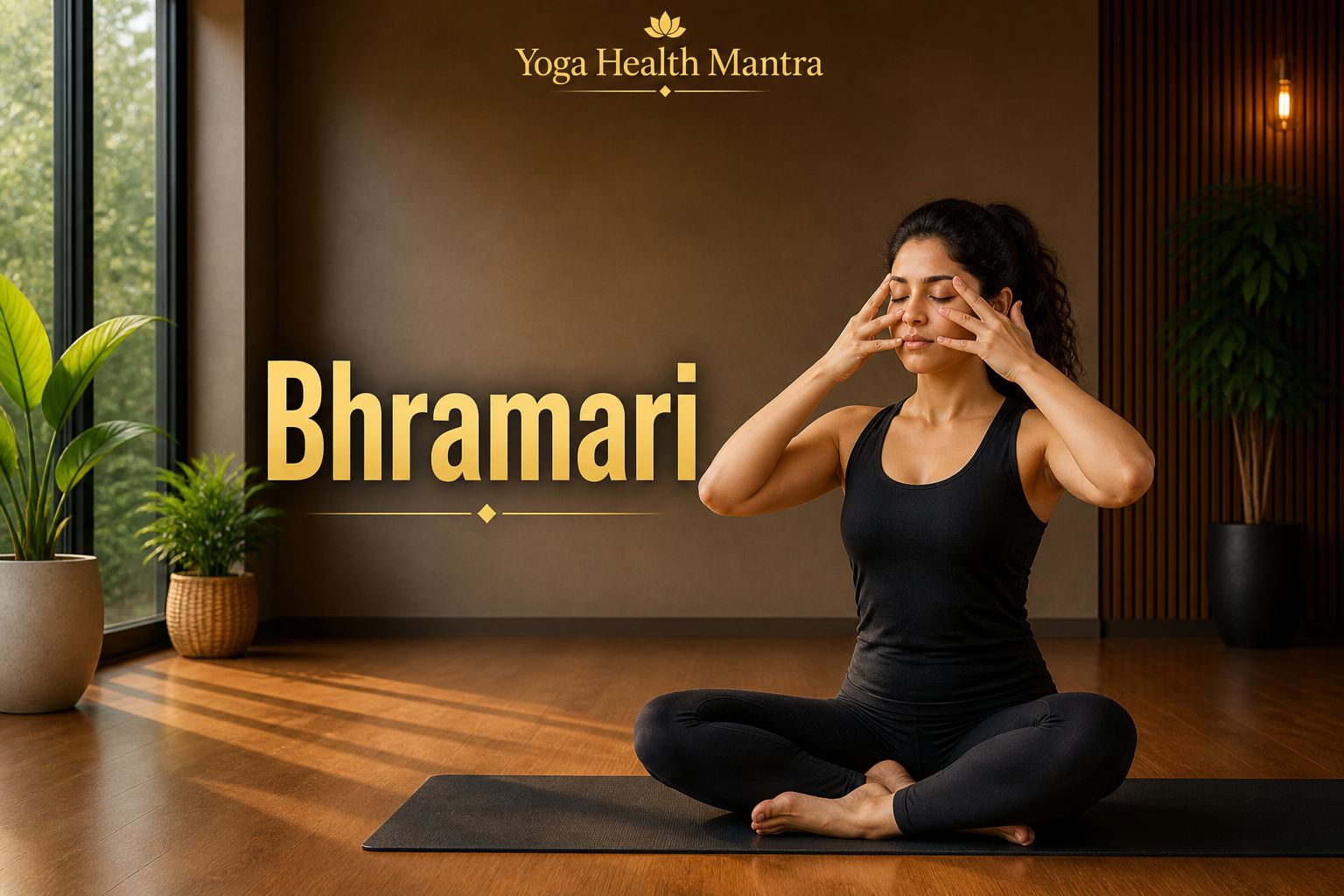
Technique:
- Sit comfortably with your spine upright and your eyes gently closed.
- Place your index fingers lightly on the cartilage between your cheeks and ears.
- Take a slow, deep inhale through your nose.
- As you exhale, make a soft humming sound like a bee.
- Focus on the gentle vibration in your head and face.
- Repeat this for a few minutes with slow and steady breathing.
Hair Benefit:
With regular practice, Bhramari helps calm the mind and reduce tension. This relaxed state supports overall balance in the body and contributes to a healthier scalp over time.
Complementary Ayurvedic Diet and Lifestyle for Stronger Hair
Yoga becomes more effective when it is supported by the right diet and daily habits. In Ayurvedic understanding, healthy hair reflects overall internal balance—especially proper digestion, nourishment, and lifestyle consistency. When these elements are aligned, the body is better able to support natural hair growth.
Combining yoga with mindful habits, such as holistic methods for improving natural health and skin vitality, helps maintain internal harmony and overall well-being. Nutritional insights, including those shared in nutrient-rich foods that support hair growth and scalp health, also highlight the importance of a balanced diet for stronger hair.
Scalp Massage (Shiro Abhyanga)
Regular scalp massage with natural oils like coconut, sesame, or Bhringraj helps nourish the roots and keep the scalp healthy. It also promotes relaxation and can be especially beneficial when done consistently as part of a routine.
Hydration
Staying well-hydrated helps maintain scalp moisture and prevents dryness. Drinking enough water throughout the day supports overall balance and keeps the scalp environment comfortable and healthy.
Eat Hair-Growth Foods
A balanced diet plays a key role in maintaining healthy hair. Foods like amla, leafy greens, nuts, and seeds provide essential nutrients that support stronger roots and improve overall hair texture.
Protein Intake
Since hair is largely made of protein, getting enough protein in your diet is important. Sources like lentils, legumes, and dairy products help maintain hair strength and reduce breakage over time.
Avoid Harsh Chemicals
Using strong chemical-based products can disturb the natural balance of the scalp. Switching to gentler options like Reetha or Shikakai helps keep the scalp clean while maintaining its natural protection.
A Sample Daily Yoga Routine for Hair Growth
Building a consistent routine is one of the most effective ways to support natural hair growth. A simple sequence that combines movement, breathing, and relaxation helps the body stay balanced and function smoothly over time. Following a guided flow, similar to structured weekly yoga routines that build consistency and full-body balance, can make it easier to stay regular and see gradual results.
The following 25-minute routine brings together key poses and breathing techniques that can be easily practiced at home:
- Balayam (Nail Rubbing): Practice for 5 minutes in a comfortable seated position.
- Warm-up: Perform 2 rounds of Surya Namaskar (Sun Salutation) to gently activate the body.
- Adho Mukha Svanasana (Downward Dog): Hold for 5 deep breaths.
- Uttanasana (Standing Forward Bend): Hold for 30 seconds.
- Sarvangasana (Shoulder Stand): Hold for 1 minute.
- Matsyasana (Fish Pose): Hold for 30 seconds as a counterpose.
- Pavanamuktasana (Wind-Relieving Pose): Hold for 1 minute with both legs.
- Balasana (Child’s Pose): Rest for 2 minutes.
- Kapalbhati Pranayama: Practice 3 rounds of 30 strokes each.
- Anulom Vilom Pranayama: Continue for 5 minutes.
- Savasana (Corpse Pose): Relax deeply for 5 minutes.
Practicing this routine regularly helps maintain a steady and balanced state in the body. Over time, this consistency supports overall well-being and contributes to healthier hair.
Common Mistakes That Can Increase Hair Fall
While yoga and a balanced routine can support natural hair growth, some everyday habits can slow down your progress without you realizing it. Many people focus on poses and diet but ignore small mistakes that weaken the roots and affect scalp health over time.
Just like proper alignment matters in yoga, daily habits also play a role in the results you see. Understanding these patterns, as explained in common beginner yoga mistakes that affect consistency and results, can help improve overall discipline and effectiveness.
1. Practicing Yoga Irregularly
Inconsistent practice is one of the biggest reasons people don’t see results. A short daily routine is far more effective than occasional long sessions.
2. Excessive Heat Styling
Frequent use of tools like straighteners, curlers, or blow dryers can weaken the hair and lead to breakage over time.
3. Tight Hairstyles
Styles that pull tightly on the roots, such as tight ponytails or buns, can create stress on the hair and lead to gradual thinning.
4. Poor Sleep Patterns
Sleep is essential for recovery. Irregular or poor sleep can affect overall balance in the body and contribute to ongoing hair fall.
5. Imbalanced Scalp Care
Both over-washing and under-washing can disturb the scalp’s natural balance. A simple and consistent routine works best.
6. Inadequate Nutrition
Hair needs proper nutrition to stay strong. A lack of essential nutrients can weaken the roots and lead to thinning.
7. Expecting Immediate Results
Hair growth takes time. Expecting quick results often leads to frustration and inconsistency in practice.
Key Takeaway
Small, consistent habits make the biggest difference. By avoiding these common mistakes and staying regular, you can support stronger and healthier hair over time.
Important Precautions and Safety Tips
Yoga is generally safe and beneficial, but it’s important to practice with awareness to avoid unnecessary strain. Since hair health is linked to overall well-being, approaching these practices in a balanced and mindful way makes a big difference. Using proper technique and adjusting poses according to your comfort helps keep the routine safe and effective.
Medical Check
If you are dealing with conditions like severe hair loss, thyroid issues, or are undergoing medical treatment, it’s best to consult a healthcare professional before starting a new routine. This ensures that your practice supports your body without causing extra stress.
Neck and Spine Sensitivity
Inversion poses like Sirsasana (Headstand) and Sarvangasana (Shoulder Stand) can put pressure on the neck and shoulders. If you have neck issues, high blood pressure, or similar concerns, it’s better to avoid these poses and focus on gentler alternatives.
Pregnancy Considerations
During pregnancy, the body needs a more careful approach. Strong inversions or positions that involve lying flat on the stomach or back may not be suitable. Modified movements and guided practice can help maintain comfort and safety.
Patience and Consistency
Hair growth takes time and consistency. Instead of expecting quick results, focus on regular practice. Over a few months, this steady effort helps the body respond naturally and supports stronger, healthier hair.
Conclusion
Hair fall is often not just an external issue—it usually reflects what’s happening inside the body. Factors like stress, lifestyle habits, and overall balance can gradually affect hair strength and growth. Taking a holistic approach helps address these root causes instead of relying on temporary fixes. This is also seen in yoga routines that improve overall body balance and metabolism, where consistent practice supports overall health.
Combining yoga, pranayama, and simple lifestyle habits creates a natural and sustainable way to care for your hair. Instead of expecting quick results, this approach works gradually by supporting the body from within.
With patience and consistency, small daily efforts can lead to meaningful changes over time. A balanced routine not only supports healthier hair but also improves overall well-being in the long run.
Frequently Asked Questions (FAQs)
1. Can yoga help regrow lost hair naturally?
Yoga can support natural hair regrowth by improving overall balance in the body and reducing stress. While it may not reverse genetic baldness, it helps strengthen existing hair and supports healthier regrowth over time.
2. How long does yoga take to show results for hair growth?
Results take time and consistency. You may start feeling more relaxed within a few weeks, while noticeable improvement in hair fall and texture usually appears after 4–8 weeks of regular practice.
3. Which yoga pose is best for hair growth?
Inversion and forward-bending poses like Sirsasana, Sarvangasana, and Uttanasana are commonly considered effective. When combined with pranayama, they support better overall results.
4. Can yoga completely stop hair fall?
Yoga can help reduce hair fall caused by stress and lifestyle factors. However, results depend on the root cause, and it works best as a supportive approach rather than a complete cure.
5. Is pranayama necessary for hair growth?
Pranayama helps calm the mind and supports better internal balance. Including it along with yoga can improve overall effectiveness for hair health.
6. How often should I practice yoga for better hair health?
A daily routine of around 15–25 minutes is usually enough. Consistency matters more than intensity when it comes to long-term results.
7. Can diet and yoga together improve hair growth faster?
Yes, combining a balanced diet with yoga gives better results. Yoga supports internal balance, while proper nutrition provides the essential support needed for healthy hair.